Dating archaeological artifacts
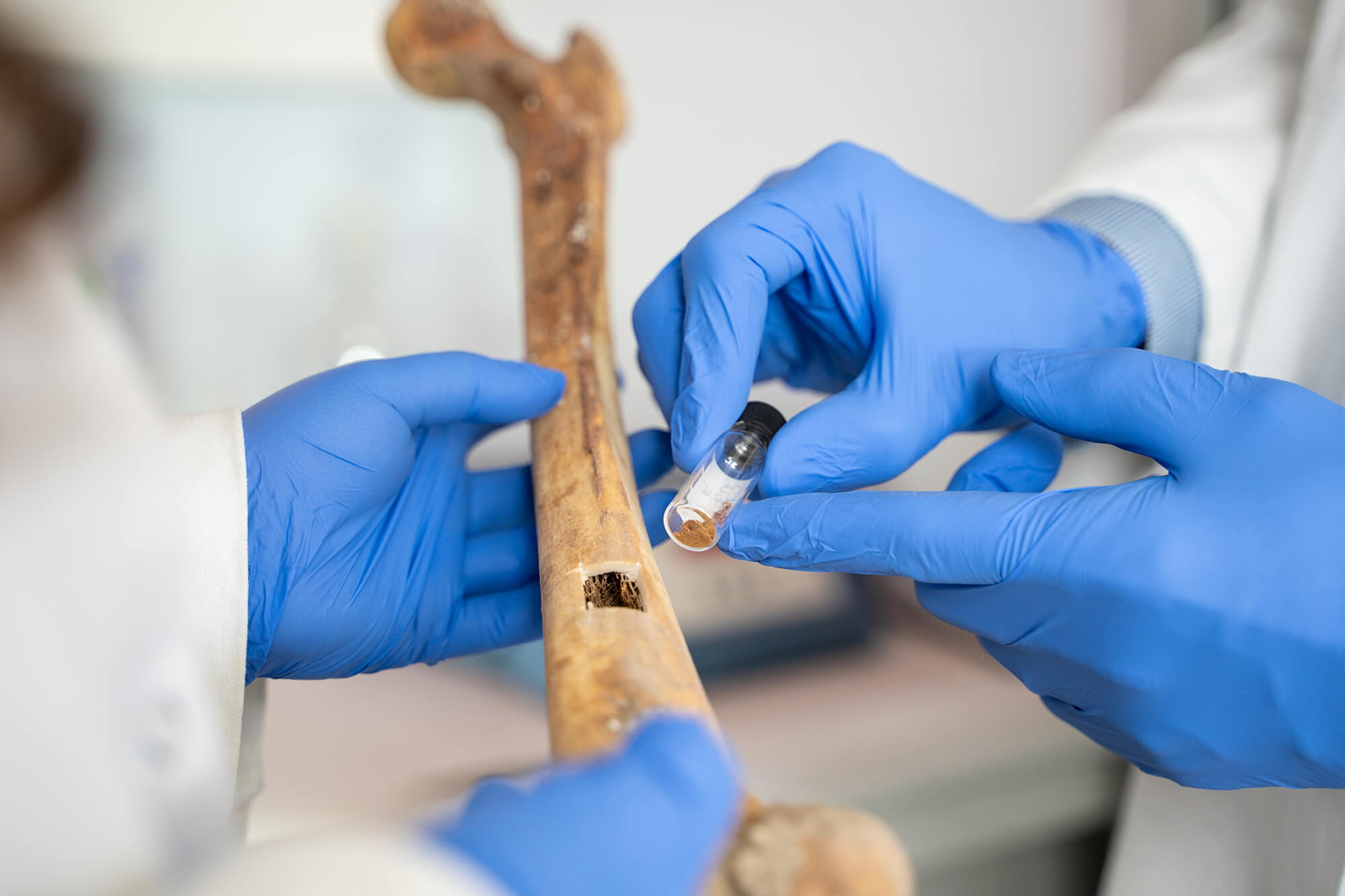
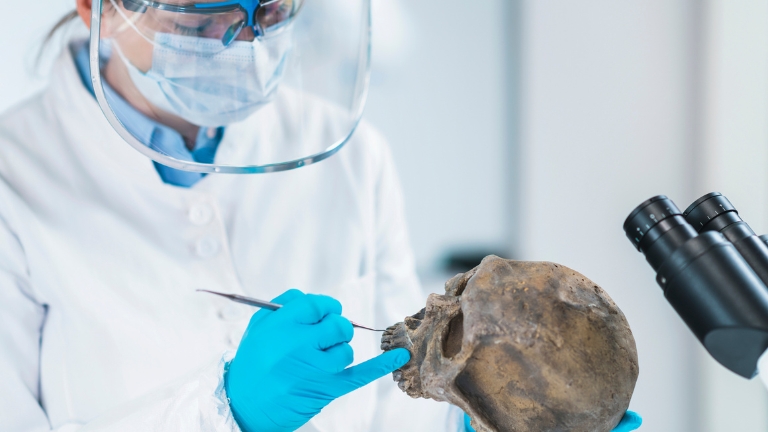
Physical dating plays a major role in archaeometry. The chronological information obtained is crucial to understanding archaeological sites. Our carbon-14 laboratory studies and dates all organic archaeological artifacts, such as wood, charcoal, bones, plant residues, peat, shells, etc. Our luminescence dating laboratory (TL and OSL) dates archaeological furniture, structures (ovens, walls, foundations, etc.), sediments and paleosols.
Laboratory analyses
The analysis of art and heritage objects, archaeological artifacts or biobased industrial products requires different methods, which can be complementary. Our CIRAM laboratories offer :
- Carbon-14 dating or radiocarbon analysis: applicable to all organic or carbon-containing materials;
- Stable isotope analysis of carbon, nitrogen, hydrogen, oxygen, sulfur and strontium can be used to define a diet or identify a geographic origin;
- Thermoluminescence (TL) dating can be used for heated minerals such as bricks, hearthstones and terracotta;
- Optically stimulated dating (OSL) can also be used to date heated minerals, but will be preferred for dating paleosols and archaeological sediments;
- In addition to various dating techniques, our teams also offer chemical analysis of organic, mineral and metallic materials, as well as various 2D and 3D scientific imaging techniques.
Archaeological dating requires a comprehensive expertise based on both laboratory equipment and the experience of our staff.
Request a quote