Fossilized wood samples dated by CIRAM lab
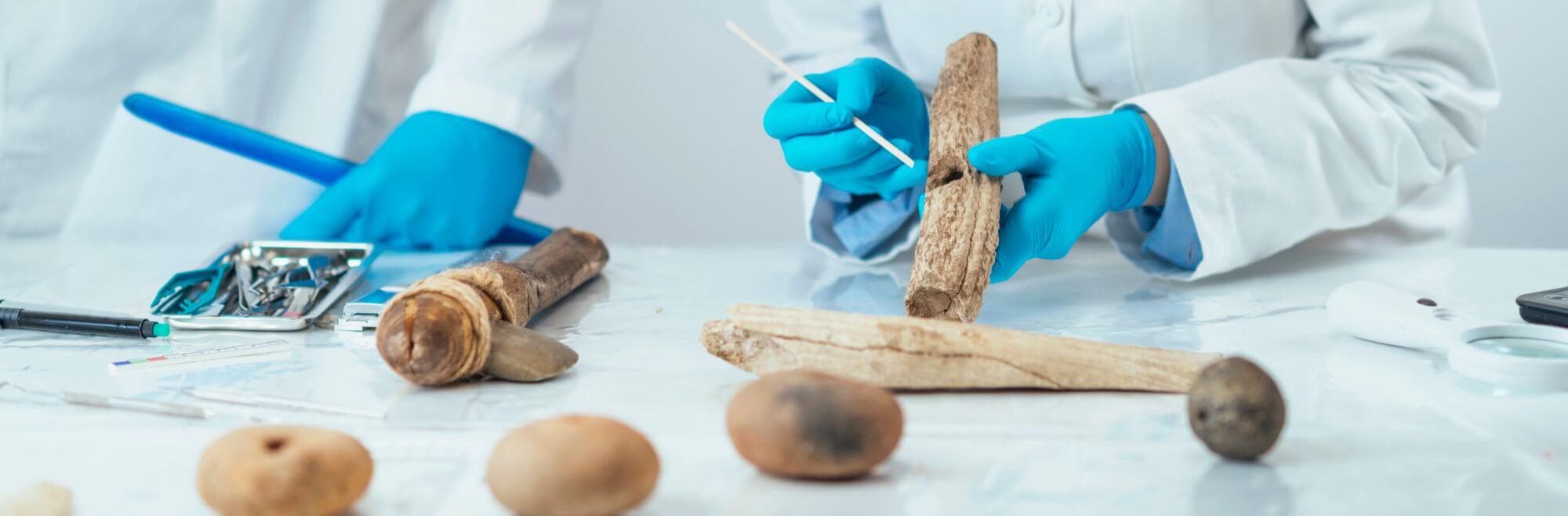
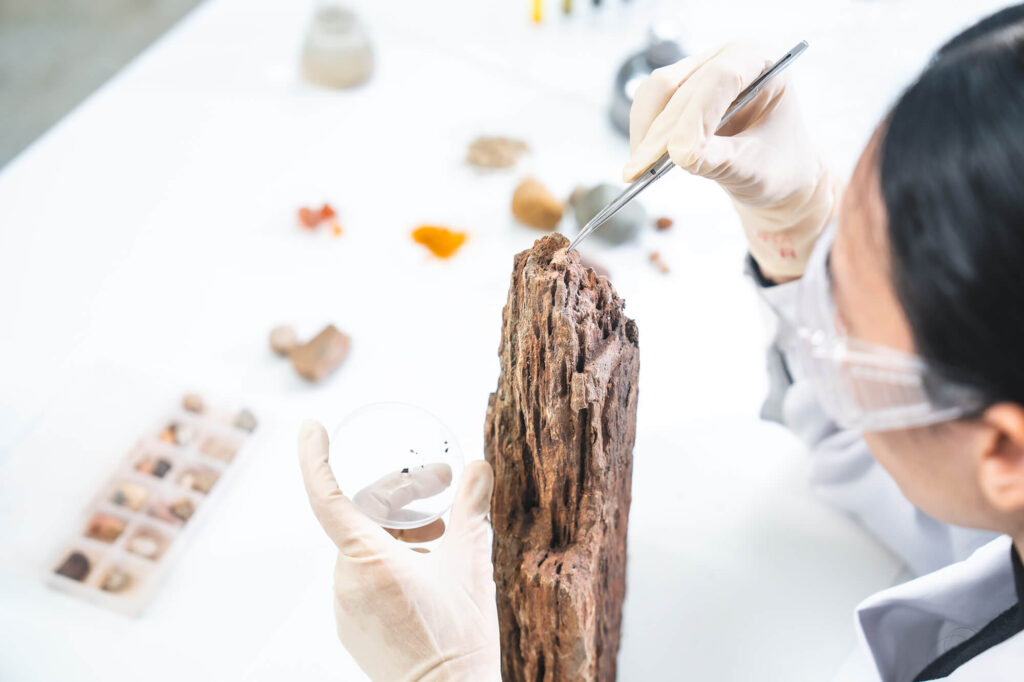
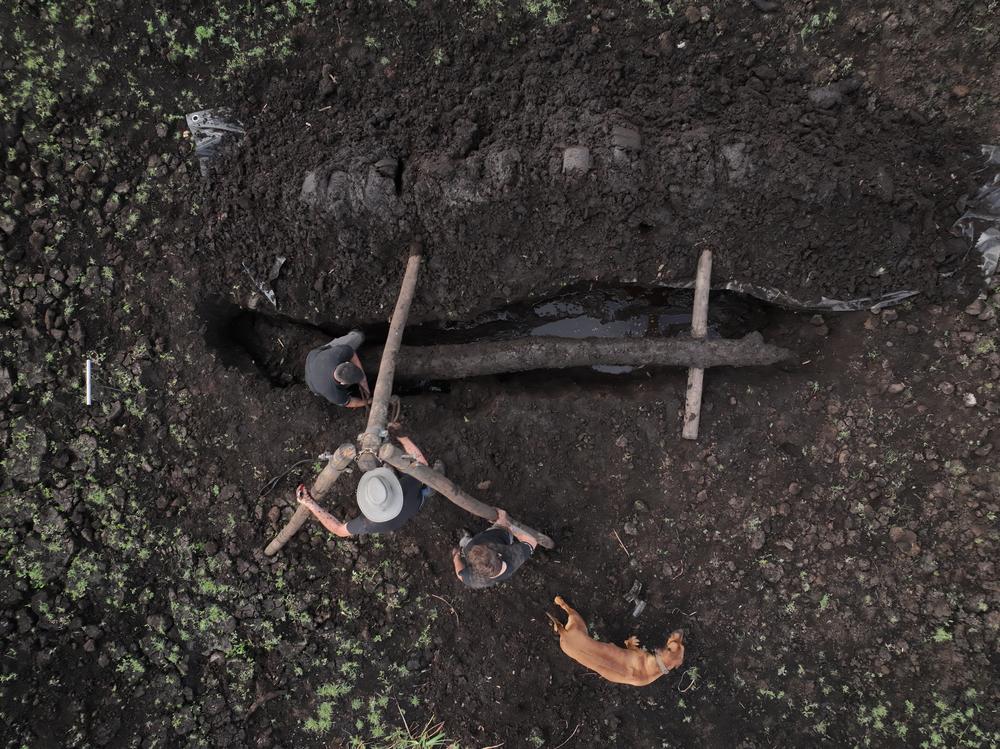
CIRAM recently dated two pieces of fossilized wood: a "morta" oak and a marsh yew. Both were found buried in the same location, in the Bessin and Cotentin marshes in Normandy…

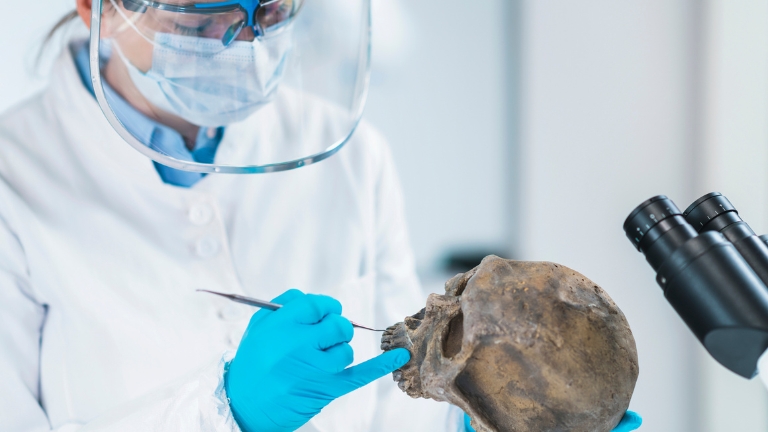
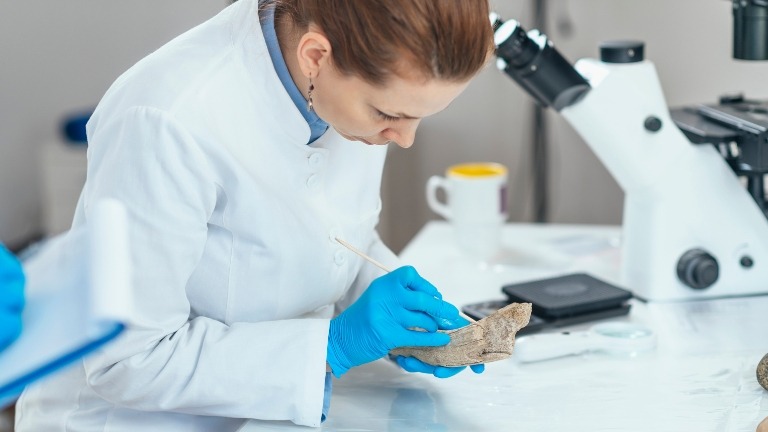
CIRAM laboratories date and analyze archaeological materials to determine their chronology, provenance, composition, use, manufacturing techniques and alterations, while offering assistance with restoration.
Contact our teams Discover our fields of study
Obtain precise dates for your organic artifacts using the carbon-14 method, an essential reference in archaeometry.
Determine the age of sediments and geological formations using optically stimulated luminescence (OSL), an essential method for reconstructing ancient environments.
Thermoluminescence (TL) makes it possible to accurately date heated ceramics, terracotta and minerals by analyzing their last exposure to a heat source.
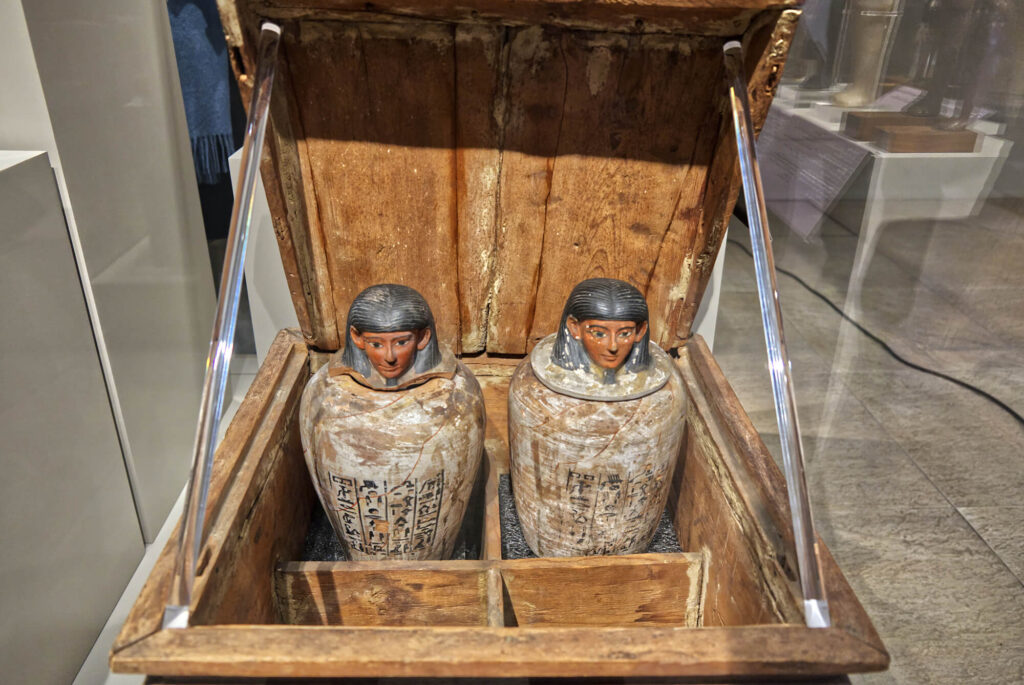
Thanks to 3D imaging and X-rays, you can explore the inside of funeral urns without opening them, revealing their contents and state of preservation.
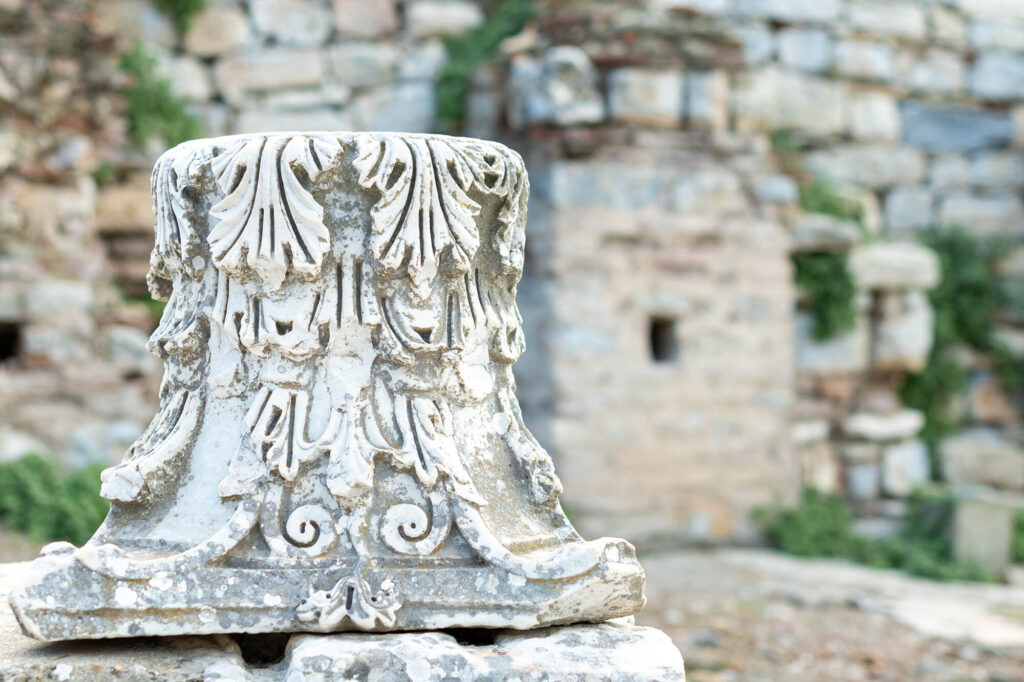
Identify the composition and age of ancient mortars to better understand construction techniques and chronologically align heritage structures.
Carbon-14 dating (or radiocarbon dating) is an essential method for dating all organic materials (wood, bones, teeth, charcoal, mortar, etc.). To do this, our doctors and engineers measure the residual concentration of carbon 14 using AMS (particle gas pedal coupled to a mass spectrometer).
Because every archaeological artifact is different, our scientific teams use a protocol adapted to each type of material (ABA treatment for charcoal, collagen extraction for bones).
Our results, delivered within 10 working days, include a detailed report and a customized analysis of the archaeological implications.
Read moreThermoluminescence (TL) and optically stimulated luminescence (OSL) dating are essential in archaeology for determining the age of materials such as terracotta, bricks, heated minerals and sediments.
These techniques measure the irradiance accumulated in quartz and feldspar crystals since their last exposure to heat or light.
CIRAM, the only private laboratory in France to offer these services with a quality equivalent to that of university laboratories, uses state-of-the-art equipment to provide accurate and reliable dating, thus contributing to a better understanding of archaeological and historical contexts.
Read moreCarbon-14 dating is not the only technique used in archaeometry. The analysis of stable isotopes of carbon, nitrogen, sulfur and strontium provides many answers to archaeological problems.
Carbon, nitrogen, sulfur and strontium isotopes provide information on diets and population movements. Was the diet meat-based? Were animal proteins of terrestrial or marine origin? Were these individuals indigenous?
These analyses are carried out on bones and teeth, providing an in-depth insight into past lifestyles and cultural exchanges.
Read moreArchaeological artefacts (amphorae, terracotta pots, metal containers) often preserve traces of food, drink or cosmetics. Analysis of organic residues enables us to identify eating habits, culinary practices and exchanges of raw materials.
CIRAM uses infrared spectrometry (FTIR-ATR) and gas chromatography coupled with mass spectrometry (Py-GC-MS) to detect and characterize these molecules, offering a precise reconstruction of ancient uses.
Read moreCIRAM offers non-destructive analysis using X-rays and 3D scans to examine the condition of artifacts. These techniques reveal the internal structure, identify hidden elements and enable the virtual excavation of funerary urns.
Thanks to our portable X-ray system, we can intervene on site in real time.
Tomography or CT scan enables three-dimensional visualization of the homogeneity of an object, its state of preservation or the identification of manufacturing techniques, and, if necessary, a virtual excavation.
Read moreCIRAM goes beyond carbon-14 dating to study wood (xylology) and charcoal (anthracology).
Xylology identifies the species used by craftsmen, enabling us to establish hypotheses on the geographical origin of materials. Anthracology, on the other hand, reconstitutes the ancient plant environment and protects against the "old wood" effect of carbon-14 dating.
Anatomical analysis of charcoal is carried out along three axes (transverse, tangential, radial) to identify the family, genus and sometimes the species of wood studied.
Read moreThanks to its laboratories and teams of scientists, CIRAM is a world leader in the dating of organic and mineral archaeological artifacts, specializing in carbon-14 (C14), thermoluminescence (TL)and optically stimulated luminescence (OSL) dating.
With no fewer than sixteen specialists in archaeometry, archaeology, materials analysis and dating, we are equipped with new-generation equipment for studying archaeological artifacts and heritage objects.
In addition to carbon-14 dating, we offer thermoluminescence and OSL dating, as well as isotope analysis for a complete understanding of the archaeological remains.
Trust CIRAM for all your analysisand dating needs, where science meets history. Would you like to have your archaeological artifacts analyzed? Contact our experts by filling in the study request form.
Contact our teamsCarbon-14 dating is used to determine the age of organic materials (wood, bones, charcoal, shells, mortar) by measuring the concentration of carbon isotopes 12, 13 and 14.
Thermoluminescence is used to date mineral materials heated in the past, such as ceramics, terracotta and heated flint. It makes it possible to determine when they were last exposed to high heat.
Carbon, nitrogen, sulfur and strontium isotopes help us understand the diets, migrations and origins of ancient populations by analyzing bones and teeth.
These non-destructive techniques make it possible to examine artifacts without altering them. They reveal the state of preservation, identify hidden internal elements and enable virtual excavations of funerary urns.
Click on "Contact our teams" for a quick response to your needs.
CIRAM recently dated two pieces of fossilized wood: a "morta" oak and a marsh yew. Both were found buried in the same location, in the Bessin and Cotentin marshes in Normandy…
Choosing the right dating method in archaeology is not just a technical issue: it is a key decision that guides the entire interpretation of a site. Which technique to choose...
How do you know whether a work of art, an archaeological object or a heritage item is really as old as it claims to be? Carbon-14 dating is often the method of choice, but it can also be used to...
Anthracology plays a key role in preventive excavations: by studying archaeological coals, it sheds light on past human practices and paves the way for carbon dating...
What methods are suitable for dating a fragile artifact, tracing the origin of a material or identifying millennia-old organic residues? Mass spectrometry provides access to...
The cross-fertilization of dating techniques for archaeology guarantees the reliability of analyses in response to the complexity of the contexts and materials studied. Find out why...