Milk adulteration: what laboratory testing methods are available?
Milk adulteration is a threat to the quality and conformity of dairy products. What methods can be used to detect these frauds quickly, reliably and ...

CIRAM, experts in radiocarbon analysis, can help you assess the biobased content of biogas,CO2 emissions and flue gases to optimize your carbon footprint and meet environmental requirements.
Contact our teams
Manufacturers have to comply with strict regulations concerning their CO₂ emissions, notably under European programs such as the EU ETS (Emissions Trading Scheme).
Accurate analysis of the biogenic component in biogas and flue gas, carried out in accordance with ASTM D6866 and ISO 13833 standards , is essential to determine compliance with emission limits and to justify the reduction of the carbon footprint. This analysis also enables reliable certification of a company's efforts in the field of sustainable development.
Contact our teams
Depending on the fuel burned, emissions and smoke contain more or less biogenic CO₂. CIRAM analyzes this biosourced proportion using the radiocarbon method compliant with ISO 13833 and ASTM D6866 standards.
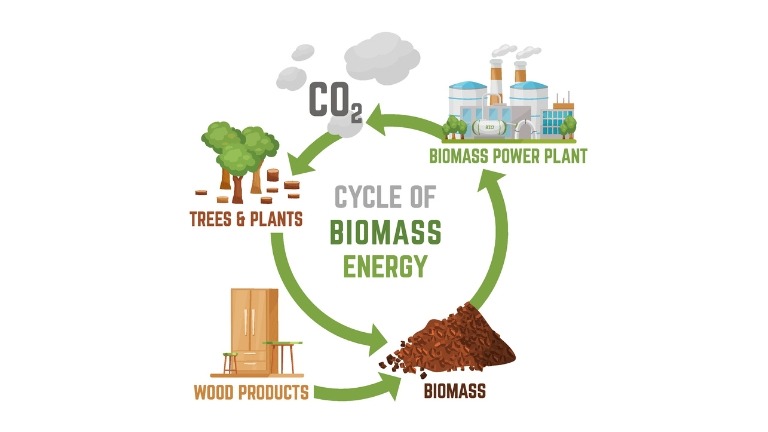
The analysis measures carbon-14 concentration to distinguish biogenic carbon (from organic matter such as wood or biomass) from fossil carbon (from coal or oil). After collecting the CO₂ sample at the stack outlet, CIRAM determines the percentage of renewable carbon.
In addition to flue gas analysis, CIRAM also specializes in the analysis of biogas itself. Using the ASTM D6866 standard, our laboratories can accurately measure the proportion of biobased matter contained in your biogas, as well as in other fuels such as liquids and solids.
Request a quoteUsing biogas and biomass enables manufacturers to reduce their net CO₂ emissions, as biogenic carbon is considered carbon-neutral. By analyzing the share of renewable carbon, companies can adjust their energy strategy and comply with greenhouse gas reduction targets, improving their carbon footprint.
This approach supports sustainable development and environmental responsibility initiatives, crucial to meeting increasingly stringent climate regulations.
Manufacturers must comply with strict standards regarding their CO₂ emissions, notably under programs such as the EU ETS (Emissions Trading Scheme).
Analysis of biogas andCO2 emissions enables precise measurement of the proportion of biobased carbon, essential for determining compliance with emission limits. With accurate, certified reports, companies can ensure regulatory compliance and avoid penalties, while optimizing their processes toreduce their carbon footprint.
Analyzing the composition of biogas and flue gas enables manufacturers to adjust their combustion processes to maximize energy efficiency. By knowing the proportion of biogenic carbon, companies can optimize combustion parameters, reduce pollutant production and improve plant efficiency. This translates into lower energy costs, better resource management and reduced environmental impact.
This optimization is essential to ensure the sustainable use of fuels and to meet industrial performance targets.
With over 20 years of expertise in radiocarbon analysis, CIRAM offers rigorous and accurate assessment of your biogas and flue gas, in compliance with the most demanding standards.
Our high-precision equipment ensures reliable results, even for complex samples. This advanced technology makes it possible to quantify the proportion of biogenic carbon in relation to fossil carbon, providing an essential measure for optimizing your carbon footprint.
Results are produced in accordance with ASTM D6866 and ISO 13833 standards , widely recognized in the industry. Take advantage of the expertise of the French leader in radiocarbon analysis and request your study on our website.
Contact our teamsRadiocarbon analysis measures the concentration of carbon-14 in biogas and flue gas to determine the proportion of biosourced carbon (from biomass) in relation to fossil carbon.
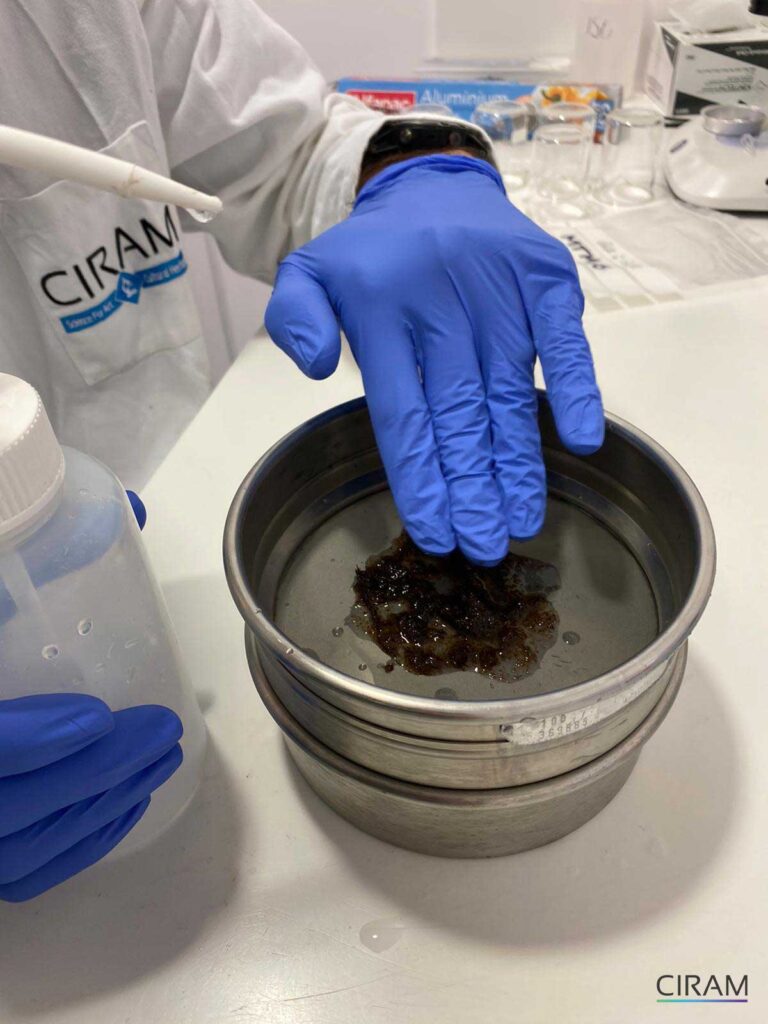
Flue gas analysis is carried out by taking samples of CO₂ directly from the outlet of industrial chimneys using specific bags or soda lime cartridges. Fine particles present on filters installed on industrial stacks can also be sampled.
CIRAM uses internationally recognized standards such as ASTM D6866 and ISO 13833 to guarantee the reliability and accuracy of radiocarbon analyses.
Results are available within 10 working days.
Simply contact us via our website or by telephone to obtain a quotation and arrange for samples to be sent to our laboratory.
Milk adulteration is a threat to the quality and conformity of dairy products. What methods can be used to detect these frauds quickly, reliably and ...
Test the naturalness of your flavors and dietary supplements using radiocarbon and stable isotopes. Carbon 14 and stable isotopes allow...
Stable isotope measurements play a key role in the quality control and traceability of industrial materials. But how can you be sure of the reliability of your results? By entrusting your...
Increasing demands for traceability and sustainability make ISCC Plus certification a strategic asset for manufacturers involved in biobased products. Find out more...
EN ISO 21644 is an essential standard for ensuring the compliance and traceability of solid recovered fuels (SRF). But how can you be sure that your materials comply ...
Honey adulteration is a growing threat to the industry, compromising quality, conformity and traceability. Addition of exogenous sugars, falsification of origin, purity tests ins...