Biofuels

Biofuel analysis laboratory

The quality of biofuels is increasingly monitored; CIRAM measures and verifies your fuel and biofuel blends to attest to the presence of biogenic carbon in liquid, solid, and gaseous products.

Contact our teams Send your samples
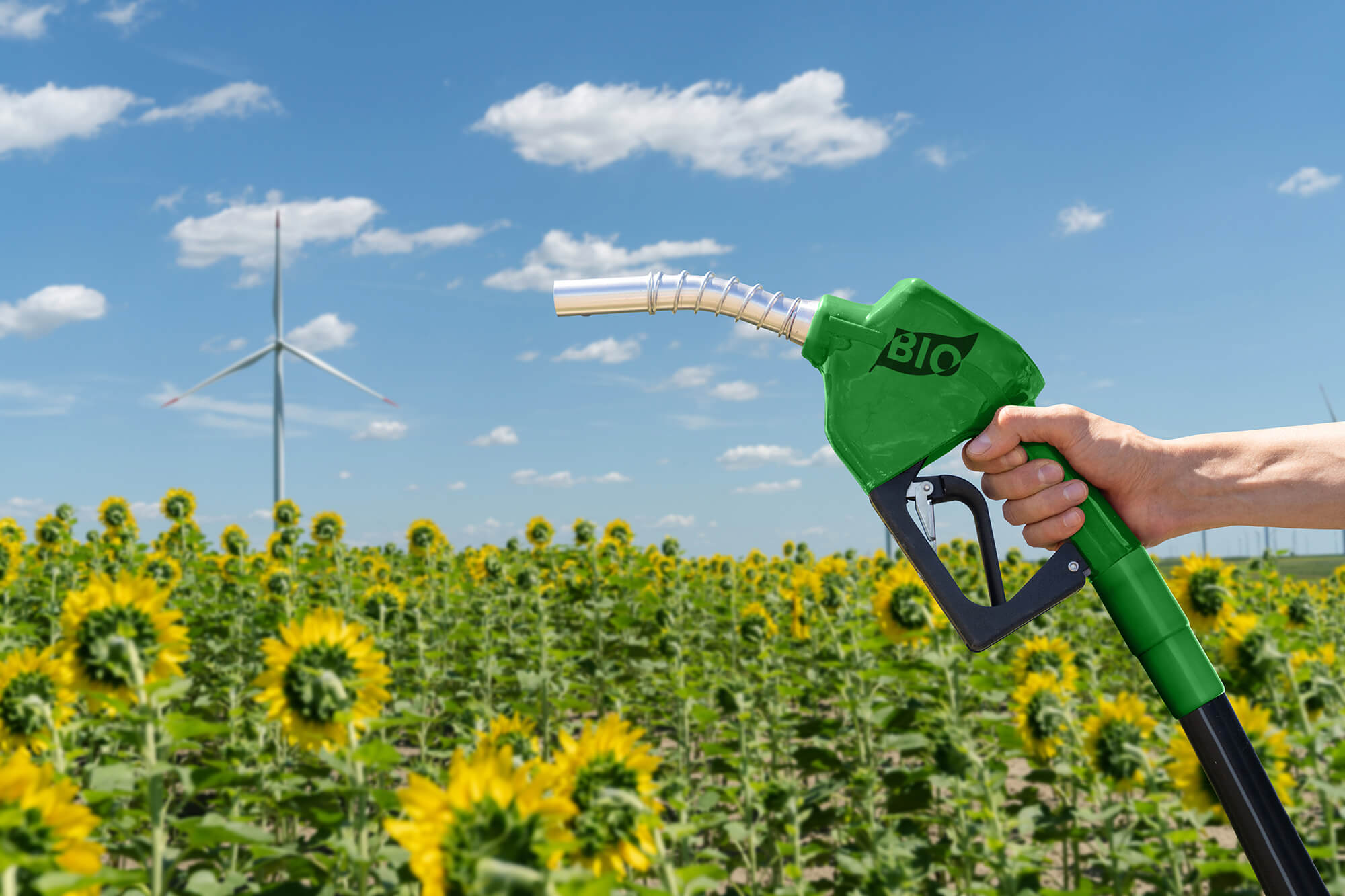
Fuel pump in a sunflower field

Regulatory context and biofuel certification

The evolution of international and European regulations requires biofuel producers and distributors to prove the biogenic carbon content of their products.

The main regulatory frameworks include :

  • European RED II Directive (Renewable Energy Directive): imposes a minimum threshold for biofuel incorporation in the transport sector and requires strict traceability of raw materials to guarantee their sustainability and reduced environmental impact.
  • ASTM D6866 and NF EN 16640 standards: define methods for analyzing the bio-based content of products by measuring radiocarbon, thus ensuring their compliance with regulatory and industrial requirements.
  • ISCC (International Sustainability & Carbon Certification) and RSB (Roundtable on Sustainable Biomaterials): guarantee the sustainability and traceability of biofuels by integrating environmental, social, and economic criteria, thus enabling their recognition in international markets.

Thanks to radiocarbon analysis, CIRAM assists industrial players in validating the bio-based content of their fuels to meet the requirements of competent authorities and international markets.

Contact our teams
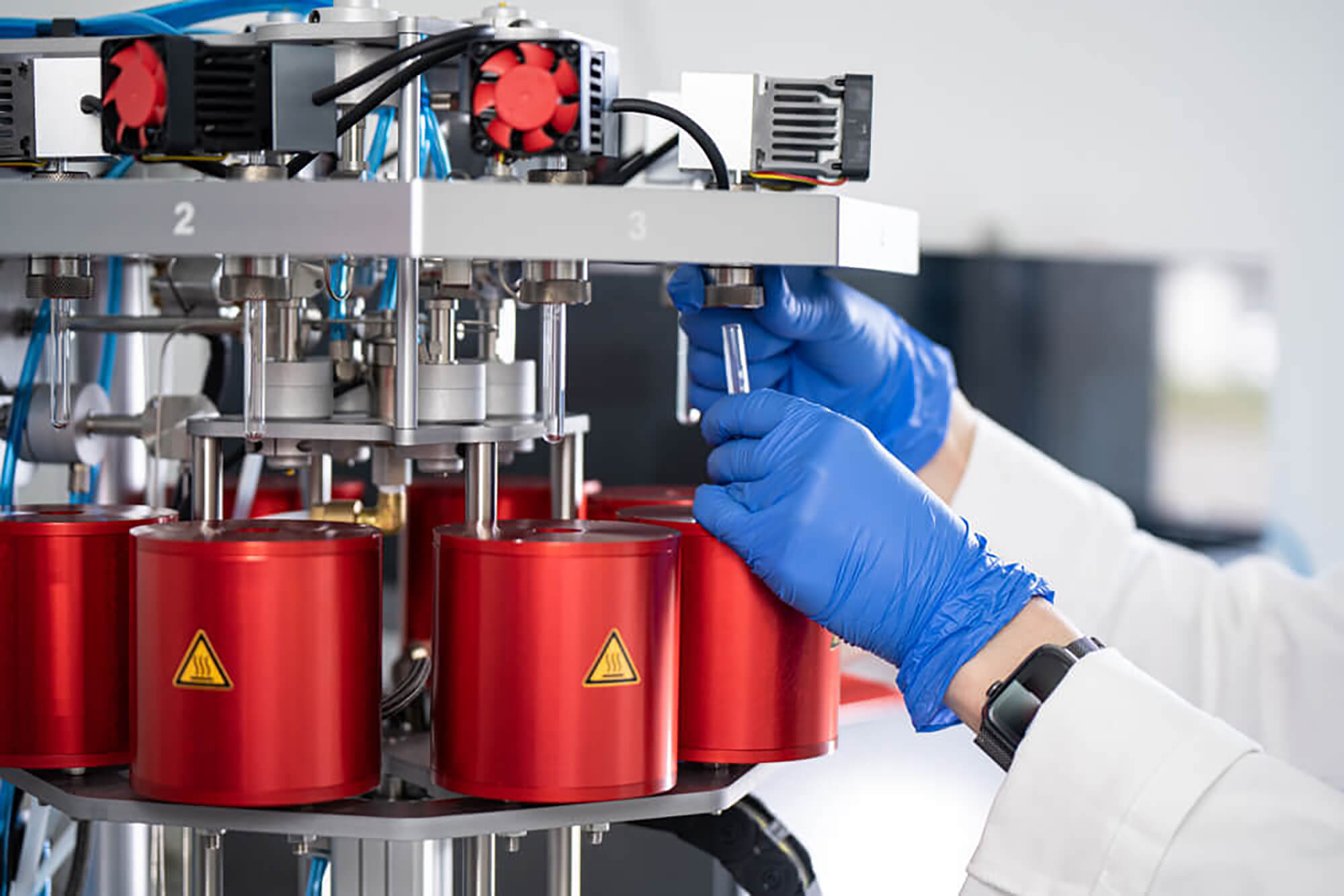
CIRAM Graphitization Line

Radiocarbon analysis to measure the biobased content of biofuels

The biofuels, whether gaseous, liquid, or solid, are distinguished from fossil fuels by their carbon neutrality, thus contributing to the reduction of greenhouse gas emissions.

Radiocarbon analysis, conducted by CIRAM laboratories since 2005, makes it possible to quantify the Biogenic fraction of fuels by measuring the ¹⁴C/¹²C isotope ratio. This scientific method is essential for certifying that biofuels comply with ASTM D6866 and and standards that, particularly for fuels such as SP95-E10, which must contain up to 10% bio-based products.

In our laboratories, sampling is followed by oxidation into CO₂, then analyzed by Accelerator Mass Spectrometry (AMS), guaranteeing an accuracy of ±0.5%. This analysis plays a key role in the validation of biofuels and their certification on the market.

Request a quote

The challenges and practical applications of biofuels for manufacturers

01 - Supply chain optimization and certification

The traceability of biofuelsis essential to guarantee their regulatory compliance and prevent fraud. Radiocarbon analysis allows for precise quantification of the bio-based content and identification of any fossil fuels present.

It is essential for obtaining certifications such as ISCC or RSB, thus facilitating access to markets and subsidies.

CIRAM supports manufacturers by providing rigorous analyses, compliant with international standards (RED II, NF EN 16640, ASTM D6866), ensuring transparent production and compliance with environmental requirements.

02 - Access to public financing

The incorporation of biofuels gives rise to economic advantages such as carbon credits, tax exemptions and regulatory quotas.

Radiocarbon dating provides scientific proof of bio-based content, ensuring eligibility for these schemes. It also allows companies to anticipate legislative changes and optimize their profitability.

By securing their certifications, manufacturers can benefit from a strategic position in a rapidly changing market, while meeting the decarbonization targets set by regulators.

03 - Development and validation of advanced biofuels

Next-generation biofuels, derived from agricultural residues, lignocellulosic waste, or algae, offer sustainable solutions.

Radiocarbon analysis makes it possible to validate their bio-based origin and optimize their formulation.

CIRAM supports industrial companies and R&D laboratories by providing precise data on the composition of these fuels. This expertise is essential for ensuring their regulatory compliance and their integration into existing infrastructures, particularly in the aviation (SAF) and maritime transport sectors, which are seeking alternatives to fossil hydrocarbons.

Why choose CIRAM laboratories to analyze your biofuels?

CIRAM is a reference laboratory in radiocarbon analysis, offering recognized scientific expertise for the validation of the bio-based content of biofuels. Our analysis methods comply with international standards (ASTM D6866 and NF EN 16640) and guarantee precise and reliable results.

Thanks to cutting-edge equipment and a specialized team, we support manufacturers in the certification and optimization of their biofuels. Our tailor-made approach ensures optimal responsiveness, controlled deadlines, and detailed analysis reports, facilitating regulatory compliance and access to international markets.

Benefit from the expertise of the European leader in radiocarbon dating and request your study on our website.

Contact our teams

Are you asking yourself these questions?

What method does CIRAM use to analyze biofuels?

CIRAM uses accelerator mass spectrometry (AMS) to measure the ¹⁴C/¹²C isotopic ratio and determine the biogenic fraction of fuels with an accuracy of ±0.5%.

What are the reference standards for biofuel analysis?

CIRAM analyses comply with ASTM D6866 and EN 16640 standards, guaranteeing reliable, recognized results for biofuel certification.

What types of biofuels can be analyzed?

We analyze all types of biofuels: liquid (bioethanol, biodiesel), gaseous (biomethane, biosourced hydrogen) and solid (pellets, vegetable charcoal).

How long does it take to obtain the results of a biofuel analysis?

Results are available within 10 working days.

How can I request a biofuel analysis from CIRAM?

Simply contact us via our website or by telephone to obtain a quotation and arrange for samples to be sent to our laboratory.

Make an appointment with an expert

Get all the answers to your questions!

Make an appointment

Explore our dating and analysis resources

Industry
What is a biobased product?

What is a biobased product?

Find out what biobased products are, what their advantages are, and how manufacturers are integrating them to transform their practices.

Read the article

Industry
Milk adulteration: what laboratory testing methods are available?

Milk adulteration: what laboratory testing methods are available?

Milk adulteration is a threat to the quality and conformity of dairy products. What methods can be used to detect these frauds quickly, reliably and ...

Read the article

Industry
How to check the naturalness of a flavor using carbon 14?

How to check the naturalness of a flavor using carbon 14?

Test the naturalness of your flavors and dietary supplements using radiocarbon and stable isotopes. Carbon 14 and stable isotopes allow...

Read the article

Industry
Why trust an ISO/IEC 17025 accredited laboratory for your stable isotope analyses?

Why trust an ISO/IEC 17025 accredited laboratory for your stable isotope analyses?

Stable isotope measurements play a key role in the quality control and traceability of industrial materials. But how can you be sure of the reliability of your results? By entrusting your...

Read the article

Industry
ISCC Plus certification: how to secure your biobased supply chains?

ISCC Plus certification: how to secure your biobased supply chains?

Increasing demands for traceability and sustainability make ISCC Plus certification a strategic asset for manufacturers involved in biobased products. Find out more...

Read the article

Industry
ISO 21644: an essential framework for CSR analysis

ISO 21644: an essential framework for CSR analysis

EN ISO 21644 is an essential standard for ensuring the compliance and traceability of solid recovered fuels (SRF). But how can you be sure that your materials comply ...

Read the article

Request a quote