



CIRAM,
leader in dating and analysis since 2005

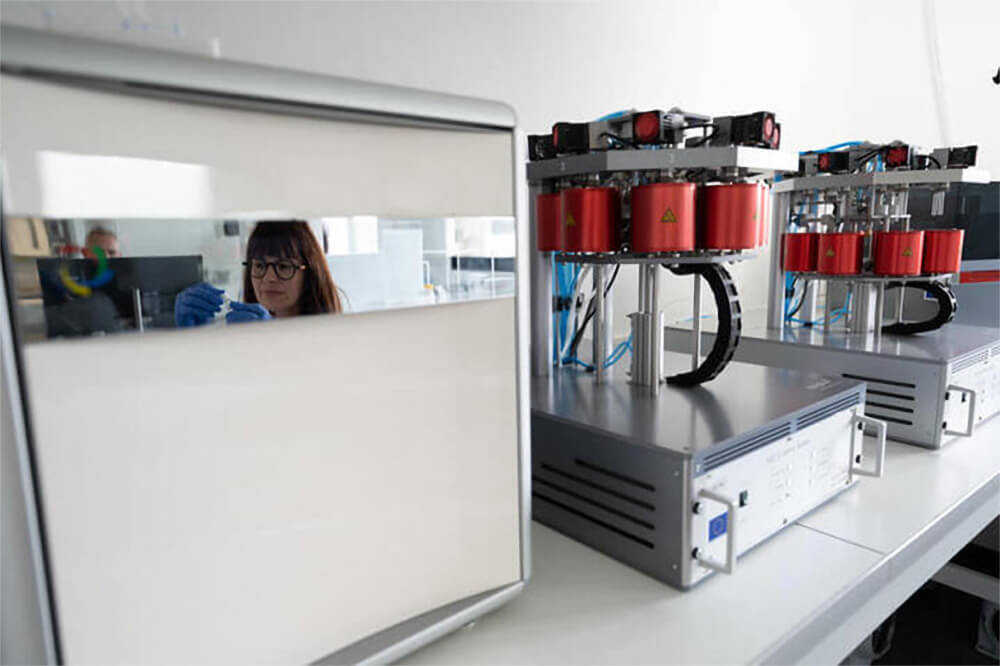
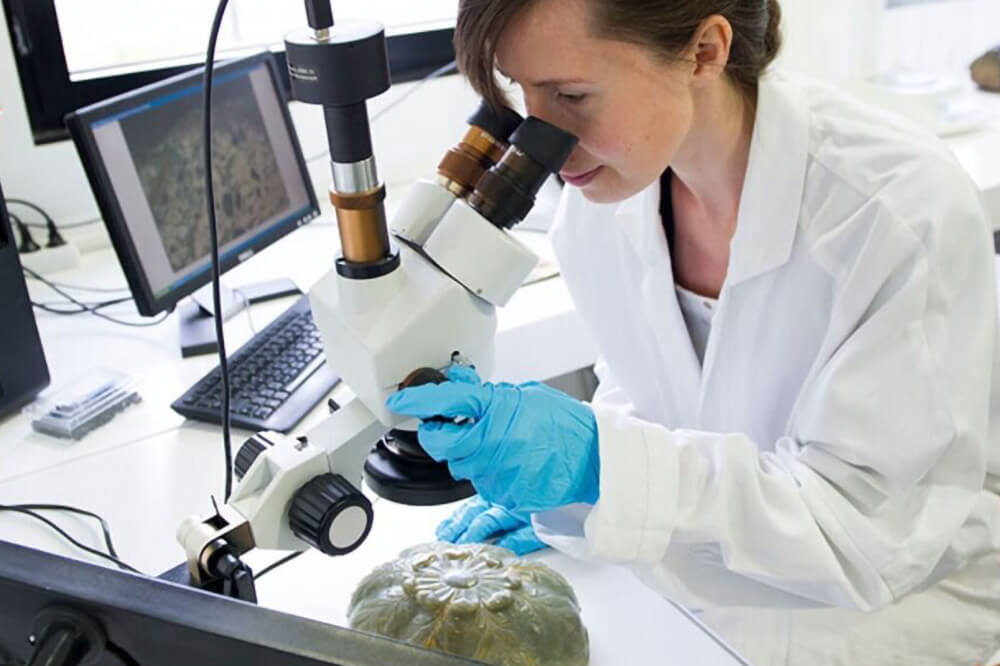
CIRAM laboratories carry out the dating of your works of art and archaeological artifacts, as well as the analysis of your industrial products worldwide.

Contact our teams

Companies around the world place their trust in us

National Geographic
mnhn logo
L'Oréal
Pasteur Institute
Michelin
6 louvre
map ciram

CIRAM laboratories,
the benchmark for analysis and dating

In 2005, CIRAM revolutionized science for art by defining a new approach based on high scientific standards and constructive dialogue with the markets.

Since then, numerous players in the art and heritage markets on every continent have placed their trust in us every day.

CIRAM 's expertise also extends to the industrial sector. Among other things, our certified analyses enable us to quantify biosourced carbon, guarantee compliance with standards and promote eco-responsible approaches.

With over 20 years' experience and international recognition, CIRAM is a trusted scientific partner for our three sectors: archaeology, art and industry.

Contact our teams

Leader in dating and analysis

+ 35,500 analyses
+ 1 000 partners
worldwide
21 years of experience

Our techniques

img dating techniques
Dating techniques

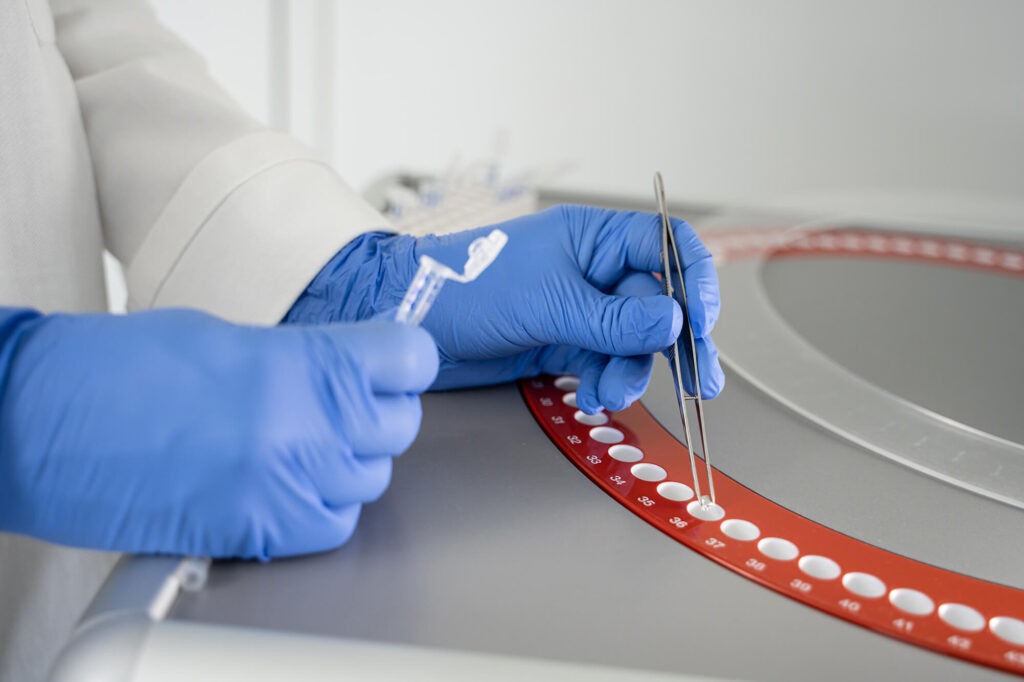
CIRAM uses methods such as carbon-14 dating and thermoluminescence to accurately date artifacts, works of art and industrial materials.

img characterization techniques
Characterization techniques

Using micro-analysis, metallography, spectrometry and isotope analysis, CIRAM identifies the composition and origin of materials for reliable authentication.

Imaging techniques

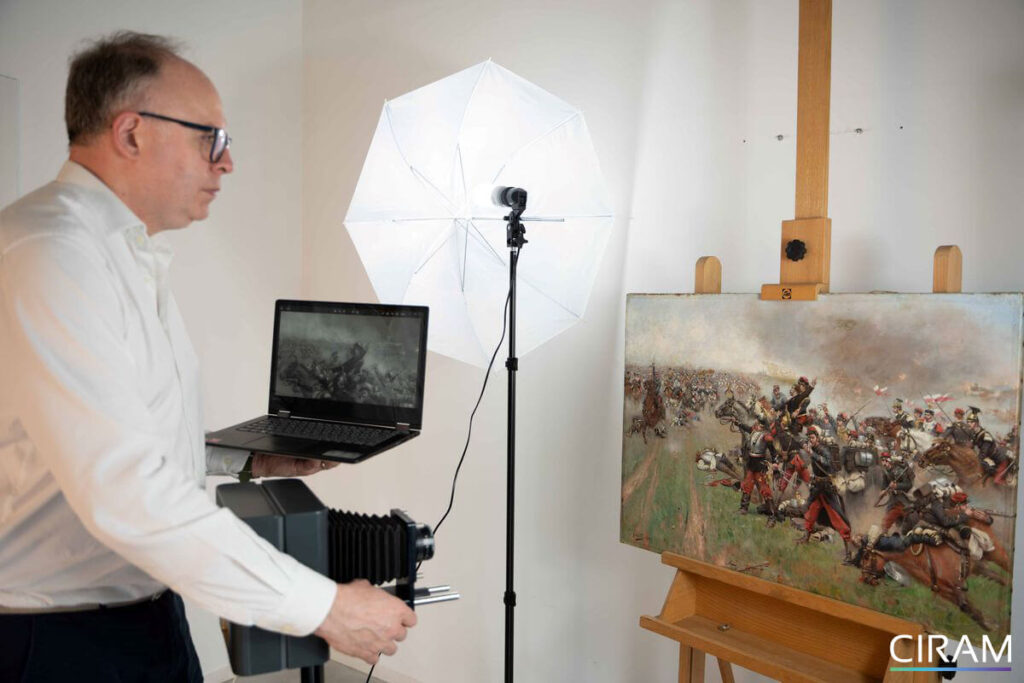
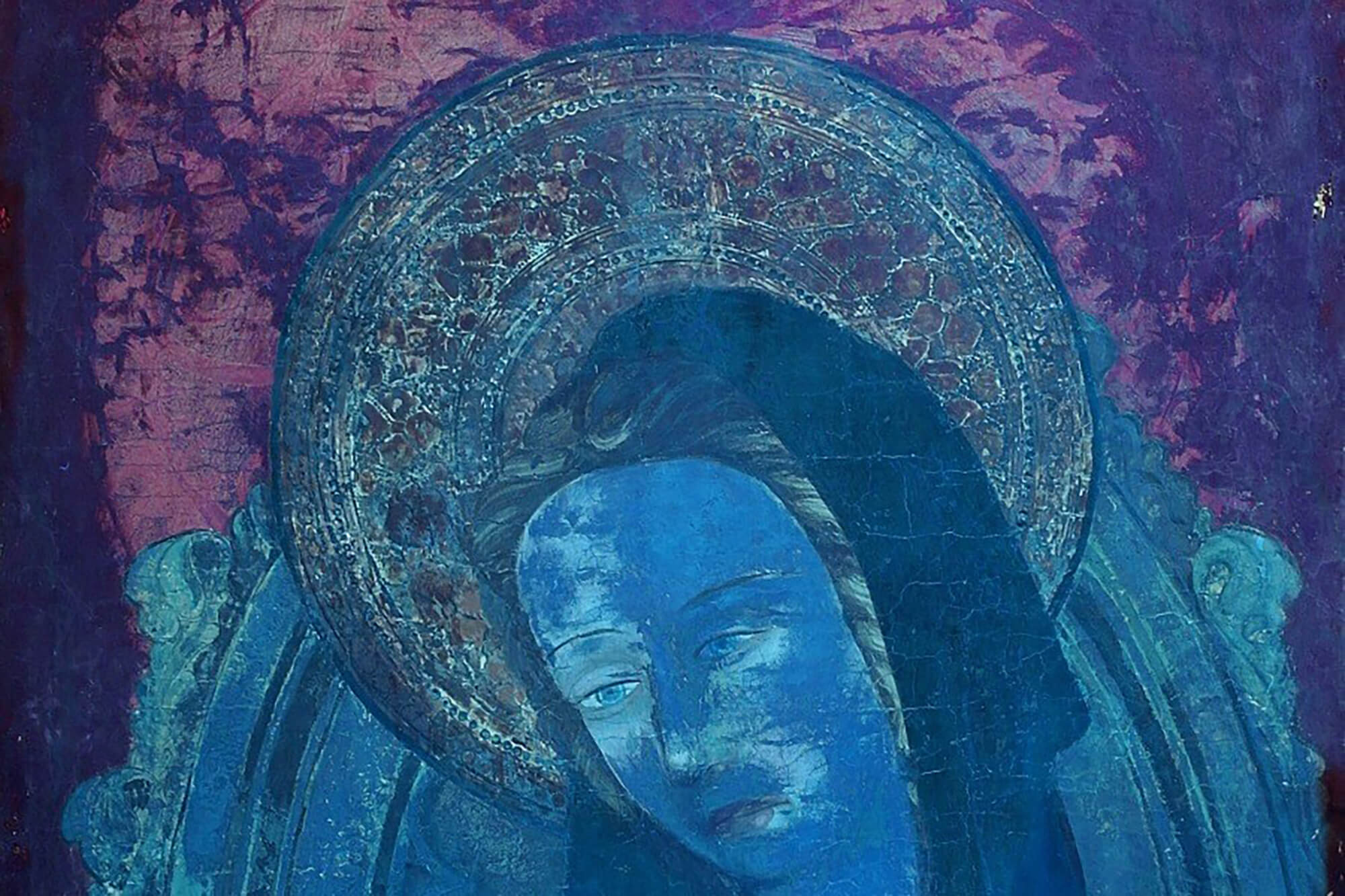
X-ray, infrared and UV fluorescence reveal the invisible details of works of art, revealing preparatory drawings, restorations and hidden signatures.

CIRAM is a serious laboratory that I enjoy working with, not least because it's independent and doesn't need any outside influence.

I became acquainted with the CIRAM laboratory through the magnificent publication of a highly professional book, demonstrating CIRAM's acceptance and examination methods by the French archaeology community and its services to the State. We subsequently established a very close working relationship. Their expertise has protected me from mistakes, and it's an integral part of a dealer's duty to consult them when in doubt.

Caroline marchand - DIOR

CIRAM is a serious laboratory that I enjoy working with, not least because it's independent and doesn't need any outside influence.

I became acquainted with the CIRAM laboratory through the magnificent publication of a highly professional book, demonstrating CIRAM's acceptance and examination methods by the French archaeology community and its services to the State. We subsequently established a very close working relationship. Their expertise has protected me from mistakes, and it's an integral part of a dealer's duty to consult them when in doubt.

Caroline marchand - DIOR

CIRAM is a serious laboratory that I enjoy working with, not least because it's independent and doesn't need any outside influence.

I became acquainted with the CIRAM laboratory through the magnificent publication of a highly professional book, demonstrating CIRAM's acceptance and examination methods by the French archaeology community and its services to the State. We subsequently established a very close working relationship. Their expertise has protected me from mistakes, and it's an integral part of a dealer's duty to consult them when in doubt.

Caroline marchand - DIOR

Fields of application

CIRAM analyzes, verifies and certifies your industrial products to EN 16640, ASTM D6866, EN ISO 21644, EN ISO 16620 and EN 16785. Every day, our laboratories :

  • Measure the bio-based and petro-based content of solids, liquids and gases;
  • Check raw materials and validate compliance with regulations and standards;
  • Certify products to obtain an ecolabel or certification.

CIRAM laboratories offer analysis of industrial products in the following fields:

  • Biofuels, food processing, biogas and smoke, polymers, cosmetics, paints, pigments, paper, packaging, CSR.

CIRAM guarantees reliable analyses to ensure the traceability and conformity of your products.

Contact our teams

For over 20 years, CIRAM has supported museums, antique dealers, auction houses and institutions in dating and authenticating works of art through rigorous scientific analysis.

Dating all materials

All works can be dated and analyzed. Our laboratories analyze a wide range of materials using state-of-the-art analytical techniques:

  • Carbon 14: wood, ivory, paper, textiles ;
  • Thermoluminescence: terracotta, porcelain, ceramics ;
  • Scanning electron microscopy: stone, bronze, iron, silver, gold, glass, pigments ;
  • X-ray fluorescence: stone, bronze, iron, silver, gold, glass, enamel, pigments ;
  • Infrared spectrometry and GC-MS: all organic materials (binders, resins, glues, etc.).

These methods can be combined for more precise dating.

H4/ Table analysis

The authentication and study of pictorial works requires advanced imaging techniques:

  • Grazing light and ultraviolet imaging: varnish conservation, observation of restorations and repaints;
  • X-ray radiography: identification of areas of restoration and general state of conservation of the painting;
  • Infrared reflectography: revealing preparatory drawings, repentirs and hidden signatures.

CIRAM combines expertise and innovation to guarantee reliable analyses tailored to the art market.

Contact our teams

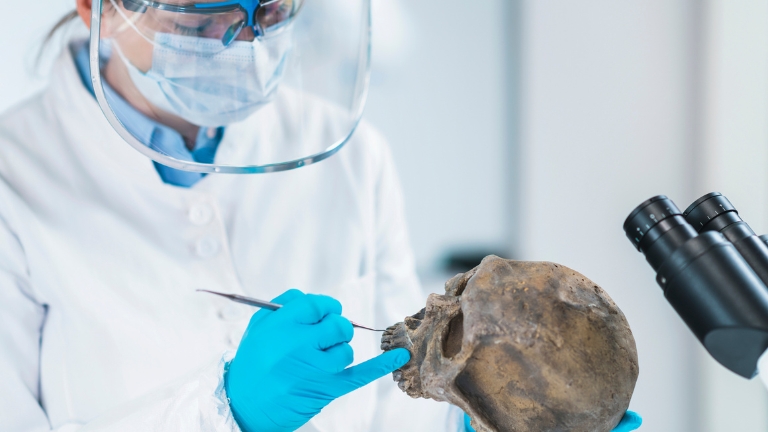
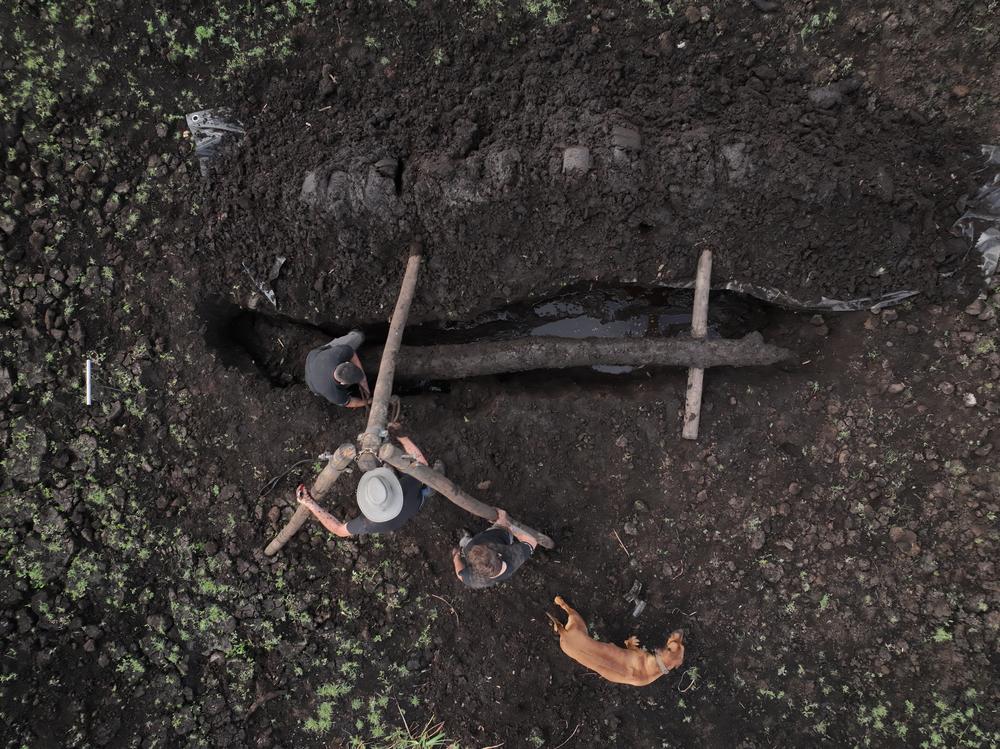
CIRAM supports archaeologists by carrying out laboratory and on-site analyses.

To meet all your archaeological needs and constraints, our laboratory scientists offer a range of dating and analysis techniques:

  • Carbon-14 dating: measurement of 12, 13 and 14 isotopes to date all types of organic material.
  • Isotope analysis: study of stable isotopes of carbon, nitrogen, strontium and sulfur to reconstruct diets and population movements.
  • Organic residue analysis: identifying traces of food and drink on artifacts.
  • Scientific imaging: X-rays and 3D tomography for virtual excavations.
  • Anthracology and xylology: identification of wood species on wood and charcoal.

By combining these methods, CIRAM guarantees precise analyses tailored to archaeological problems.

Contact our teams

Are you asking yourself these questions?

What is carbon-14 dating and how does it work?

Carbon-14 dating is a scientific method used to determine the age of organic materials by measuring the amount of carbon-14 they contain.

What types of materials can I have analyzed by CIRAM?

CIRAM analyzes a wide range of materials, including wood, paper, ceramics, glass, precious metals (silver, gold), as well as stones and paints.

How does CIRAM ensure the accuracy of its analyses?

CIRAM uses proven methods and state-of-the-art equipment to guarantee accurate results. Our scientists combine several dating and analysis techniques to increase the reliability of results, taking into account the specificities of each material.

How long does a CIRAM laboratory analysis take?

Timescales vary according to the complexity of the analysis and the type of material to be analyzed. We strive to deliver accurate results as quickly as possible, while maintaining the necessary scientific rigor.

How can I contact CIRAM for a project?

You can easily contact our teams by clicking on the "Contact our teams" button on our website. We are available to answer all your questions and discuss your specific dating, analysis or certification requirements.

Make an appointment with an expert

Get all the answers to your questions!

Make an appointment

Explore our dating and analysis resources

Archaeology
Comparison between carbon-14, TL, and OSL: which method should you choose?

Comparison between carbon-14, TL, and OSL: which method should you choose?

Choosing the right dating method in archaeology is not just a technical issue: it is a key decision that guides the entire interpretation of a site. Which technique to choose...

Read the article

Carbon 14
How carbon-14 analysis helps preserve biodiversity

How carbon-14 analysis helps preserve biodiversity

How can we retrace the invisible history of ecosystems and better understand the dynamics of biodiversity? Thanks to carbon-14 dating, researchers now have a scientific tool that they can use to...

Read the article

Art market
How to recognize bronze and differentiate it from brass?

How to recognize bronze and differentiate it from brass?

Distinguishing a work of art in bronze from one in brass is not possible at a glance, however expert. Deceptive patinas, invisible restorations, sophisticated forgeries...

Read the article

Archaeology
The limits of carbon-14 dating: when should we turn to other methods?

The limits of carbon-14 dating: when should we turn to other methods?

How do you know whether a work of art, an archaeological object or a heritage item is really as old as it claims to be? Carbon-14 dating is often the method of choice, but it can also be used to...

Read the article

Art market
How to recognize a forged signature on a painting?

How to recognize a forged signature on a painting?

A simple signature can make the difference between an anonymous work and a masterpiece valued in the millions on the art market. But what happens when that signature is...

Read the article

Archaeology
What role does anthracology play in preventive excavations?

What role does anthracology play in preventive excavations?

Anthracology plays a key role in preventive excavations: by studying archaeological coals, it sheds light on past human practices and paves the way for carbon dating...

Read the article

Request a quote