Our laboratory

Our analysis laboratory
in Martillac, France

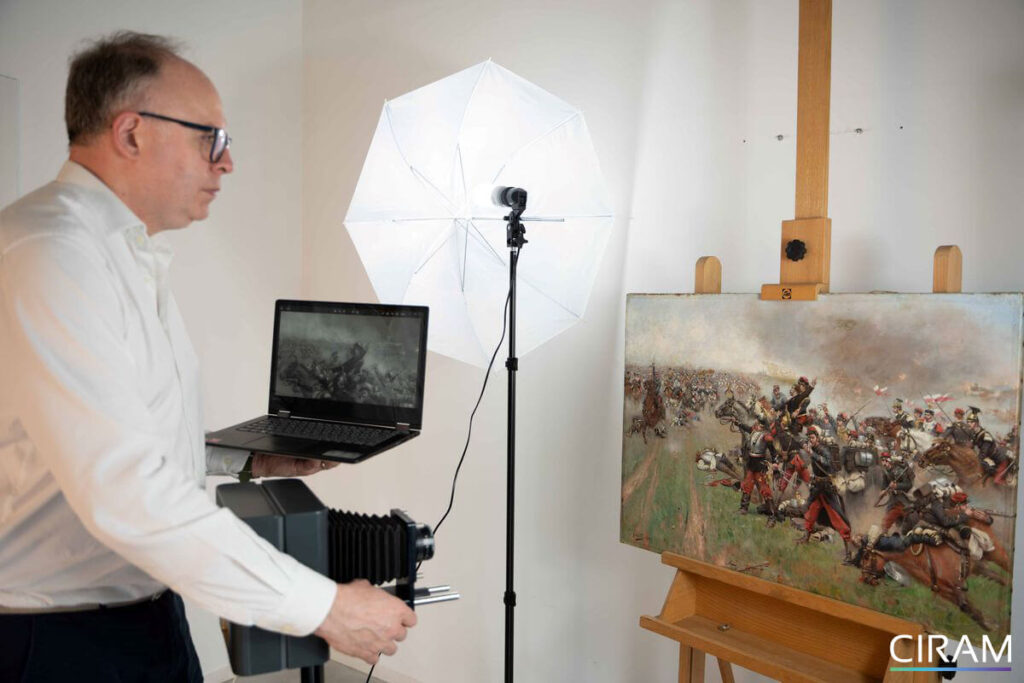
Located in Martillac, the CIRAM laboratory supports art, archaeology and industry professionals in their analysis, dating and characterization projects.

Contact our teams
A research team at a private laboratory meeting to review analytical results for biobased products

An independent scientific laboratory serving demanding professionals

In the demanding fields of art, archaeology or even industryscientific analysis takes no approximation. Reliability of results, traceability of processes and methodological rigor are essential prerequisites for making informed decisions. It is precisely this requirement that guides the work of the CIRAM laboratory, located in Martillac, near Bordeaux.

Recognized by numerous public and private institutions, our team assists museums, galleries, archaeologists and industrialists with their needs for datingauthentication or analysis of materials. Our services are based on validated methods and protocols that comply with current standards, within the framework of rigorous, accredited quality procedures.

Discover our accreditations
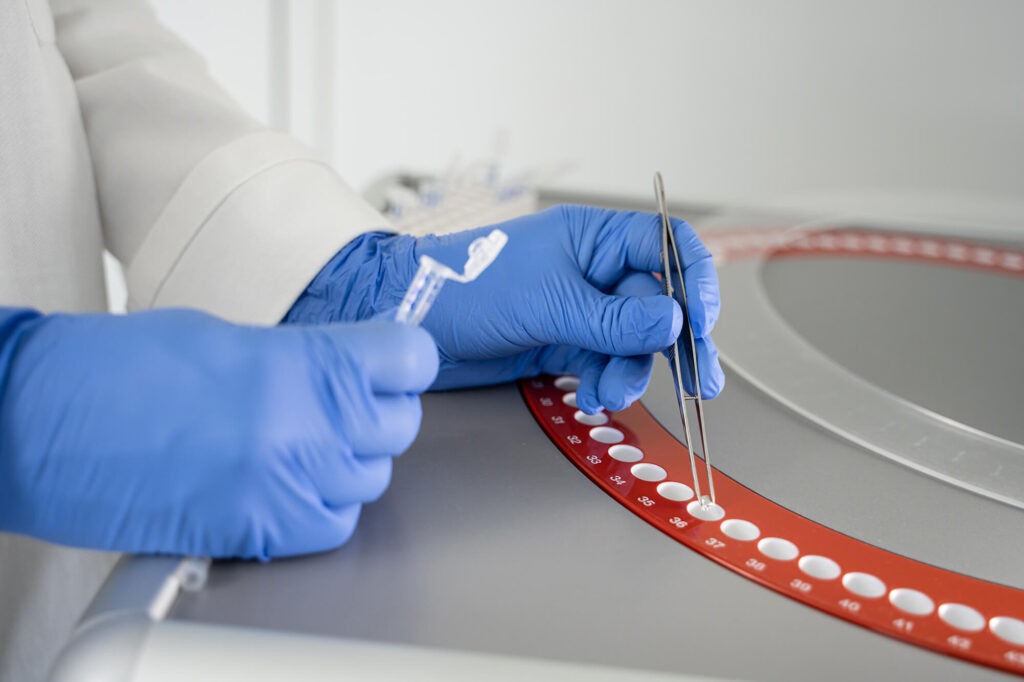
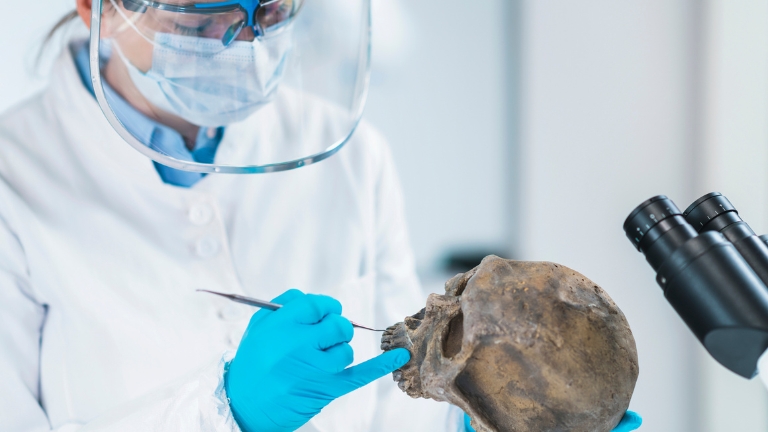
A scientist observing a prepared sample in a modern laboratory

Latest-generation equipment for optimum precision

At CIRAM, scientific precision is based on cutting-edge technologies that are renewed every year to guarantee reliable analyses adapted to each field:

These technologies enable CIRAM to intervene with precision on art objects, archaeological artifacts or industrial samples, whatever their condition or complexity.

Discover our techniques
A group of scientists discussing research and dating projects during a team meeting

A team of multidisciplinary experts at your service

In addition to equipment, human expertise is CIRAM's real added value. CIRAM. Our laboratory brings together specialists from a wide range of disciplines: archaeology, applied physics, materials engineering, analytical chemistry and art history.

This diversity enables our team to interact easily with a wide range of people, while ensuring a perfect understanding of the specific challenges of each project.

Each customer benefits from personalized support: advice on analysis strategy, help in drawing up specifications, clear explanations of results, and a dedicated contact person. The aim of this approach is to create a genuine partnership, based on listening, transparency and trust.

Do you have an analysis or dating project ? Contact our team for an initial discussion of your needs.

Request a study

Companies around the world place their trust in us

National Museum of Natural History logo
L'Oréal logo
Institut Pasteur logo
Michelin logo
Louvre Museum logo
National Geographic logo

Make an appointment with an expert

Get all the answers to your questions!

Make an appointment

Explore our dating and analysis resources

Archaeology
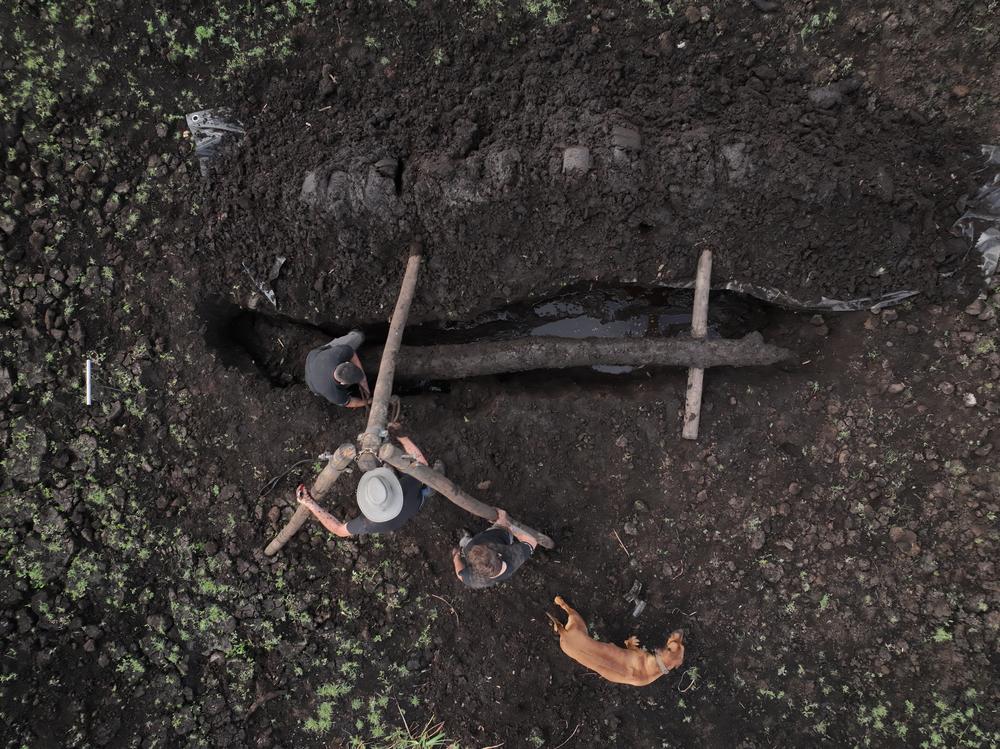
Fossilized wood samples dated by CIRAM lab

Fossilized wood samples dated by CIRAM lab

CIRAM recently dated two pieces of fossilized wood: a "morta" oak and a marsh yew. Both were found buried in the same location, in the Bessin and Cotentin marshes in Normandy…

Read the article

Archaeology
Comparison between carbon-14, TL, and OSL: which method should you choose?

Comparison between carbon-14, TL, and OSL: which method should you choose?

Choosing the right dating method in archaeology is not just a technical issue: it is a key decision that guides the entire interpretation of a site. Which technique to choose...

Read the article

Carbon 14
How carbon-14 analysis helps preserve biodiversity

How carbon-14 analysis helps preserve biodiversity

How can we retrace the invisible history of ecosystems and better understand the dynamics of biodiversity? Thanks to carbon-14 dating, researchers now have a scientific tool that they can use to...

Read the article

Art market
How to recognize bronze and differentiate it from brass?

How to recognize bronze and differentiate it from brass?

Distinguishing a work of art in bronze from one in brass is not possible at a glance, however expert. Deceptive patinas, invisible restorations, sophisticated forgeries...

Read the article

Archaeology
The limits of carbon-14 dating: when should we turn to other methods?

The limits of carbon-14 dating: when should we turn to other methods?

How do you know whether a work of art, an archaeological object or a heritage item is really as old as it claims to be? Carbon-14 dating is often the method of choice, but it can also be used to...

Read the article

Art market
How to recognize a forged signature on a painting?

How to recognize a forged signature on a painting?

A simple signature can make the difference between an anonymous work and a masterpiece valued in the millions on the art market. But what happens when that signature is...

Read the article

Request a quote