Fossil wood samples dated by the CIRAM laboratory
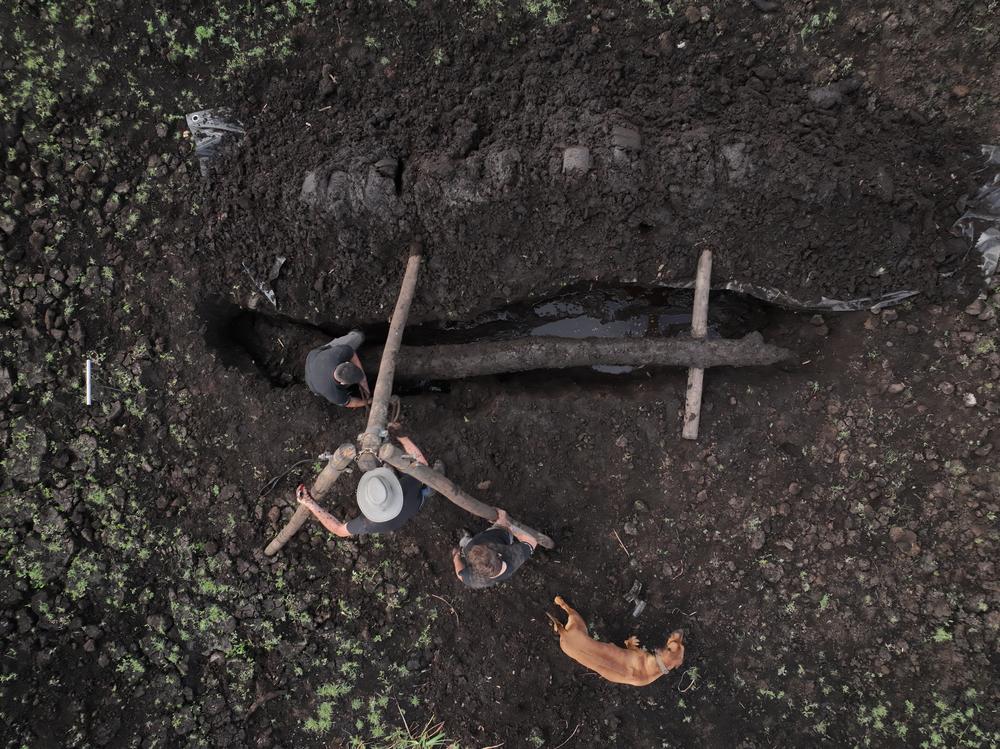
The CIRAM has dated two fossil woods whose exceptional preservation is explained in particular by their burial in a humid, oxygen-poor environment.

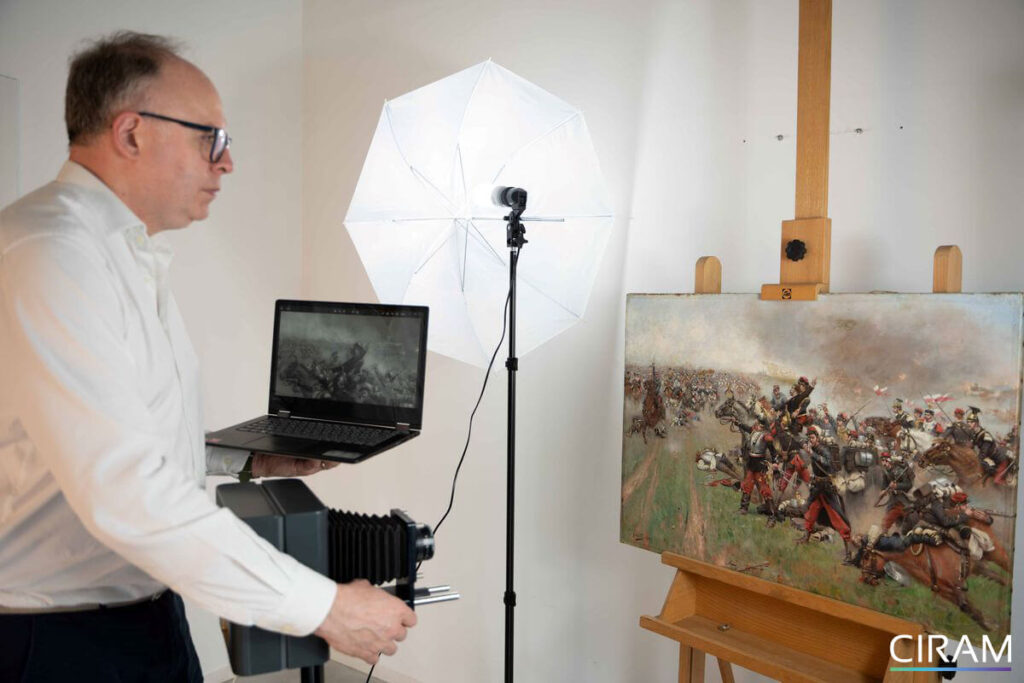
X-ray imagingreveals what the eye cannot see, without altering the works. CIRAMsupports you in their study and conservation.
Contact our teams
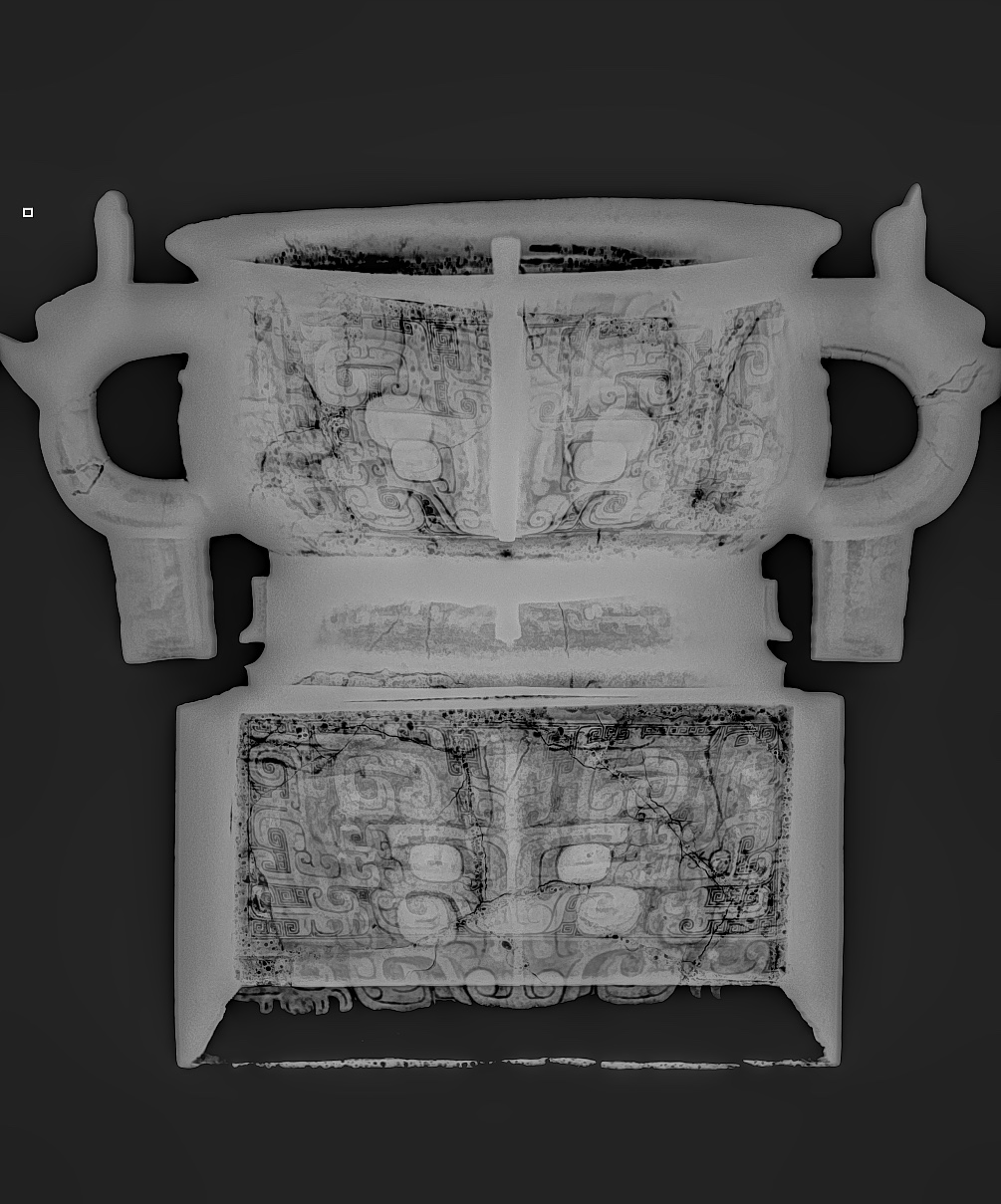
Many heritage objects contain elements invisible to the naked eye: internal cracks, hidden structures, undocumented restorations, or complex manufacturing techniques. Like optical imaging, X-ray imaging allows their detection without contact or sampling.
Whether it is to authenticate a work of art, or to assess the condition of an ancient artifact, this method offers an in-depth reading to guide decisions related to conservation, expertise, restoration, or enhancement.
Calling on CIRAM means benefiting from personalized scientific support, adapted to the heritage and commercial stakes of each project.
Contact our teamsRadiographic imaging relies on a simple principle: X-rays pass through matter and are absorbed differently depending on the density and composition of the materials. This contrast reveals internal information invisible on the surface.
Unlike invasive methods, X-ray radiography:
This method is particularly suitable for rare or fragile works, ancient artifacts, and any object whose integrity must be respected. It is intended for museums, private collections, and archaeological excavation sites alike.
Thanks to fixed laboratory equipment or portable equipment for on-site interventions, CIRAM guarantees examinations adapted to each context, while respecting conservation and handling constraints.
Request a quoteThe X-ray radiograph provides a 2D image of an object's internal structure. It allows for:
CIRAM uses high-precision radiography systems, available in portable or laboratory versions. This allows for great flexibility of intervention: on-site (museum, gallery, archaeological site) or under controlled laboratory conditions.
The CT scan (or computed tomography)is a 3D imaging technique based on radiography. It allows for a detailed volumetric exploration of the interior of an object, thanks to successive digitally reconstructed slices.
In the art market, the CT scan is an advanced authentication tool, particularly for sculptures:
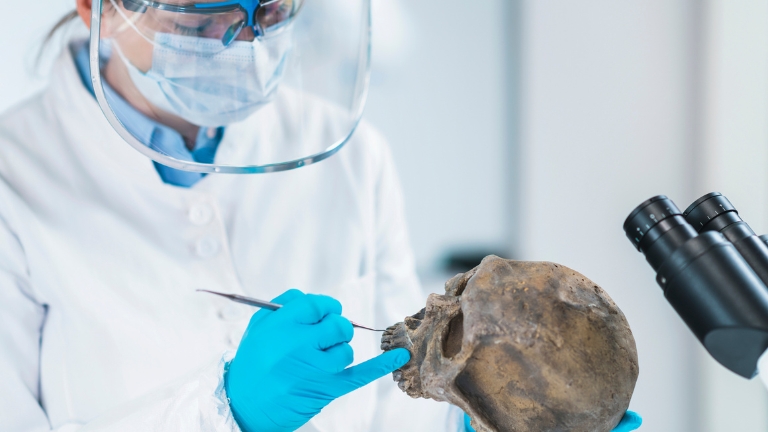
In archaeology, it allows to:
The CT scan offers complete and non-invasive 3D modeling, but requires a laboratory visit (non-portable technology).
Since 2005, CIRAM has been assisting heritage professionals in the analysis and conservation of ancient works and objects. Its multidisciplinary team – physicists, archaeologists, engineers – employs cutting-edge technologies to respond to each project with precision, scientific rigor, and adaptability.
Whether you need to analyze ancient mortars, date an ancient artwork, or scan a funerary urn, CIRAM selects the most relevant imaging method (X-ray or CT scan), and works in the laboratory or on-site, as needed.
Each analysis is accompanied by interpretable visuals (X-ray images, films, or 3D models), a detailed report, and recommendations tailored to your challenges: conservation, attribution, restoration, enhancement.
Contact our teamsPaintings, sculptures, archaeological objects, metal artifacts, sealed objects... Most materials can be studied.
No, the techniques used by CIRAM are non-destructive and respect the physical integrity of the objects.
Conventional X-rays provide a flat image, while CT scans allow 3D modeling, providing a finer reading.
Yes, CIRAM offers portable equipment for on-site analysis, in museums or on excavation sites.
This depends on the complexity of the object. An X-ray can be completed in a few hours, while a CT scan requires a longer processing time.
The CIRAM has dated two fossil woods whose exceptional preservation is explained in particular by their burial in a humid, oxygen-poor environment.
An essential dating method, carbon-14 or radiocarbon is used to date archaeological artifacts, authenticate works of art, or measure bio-based content.
Find out what biobased products are, what their advantages are, and how manufacturers are integrating them to transform their practices.
The scientific analysis of a painting combines several complementary methods for studying its support, materials, manufacturing technique, state of conservation, and a...
Choosing the right dating method in archaeology is not just a technical issue: it is a key decision that guides the entire interpretation of a site. Which technique to choose...
How can you authenticate a work of art or an archaeological relic with scientific rigor? Carbon-14 dating offers a reliable and precise method for analyzing organic materials...