Solid Recovered Fuels

Solid recovered fuels (SRF) analysis laboratory

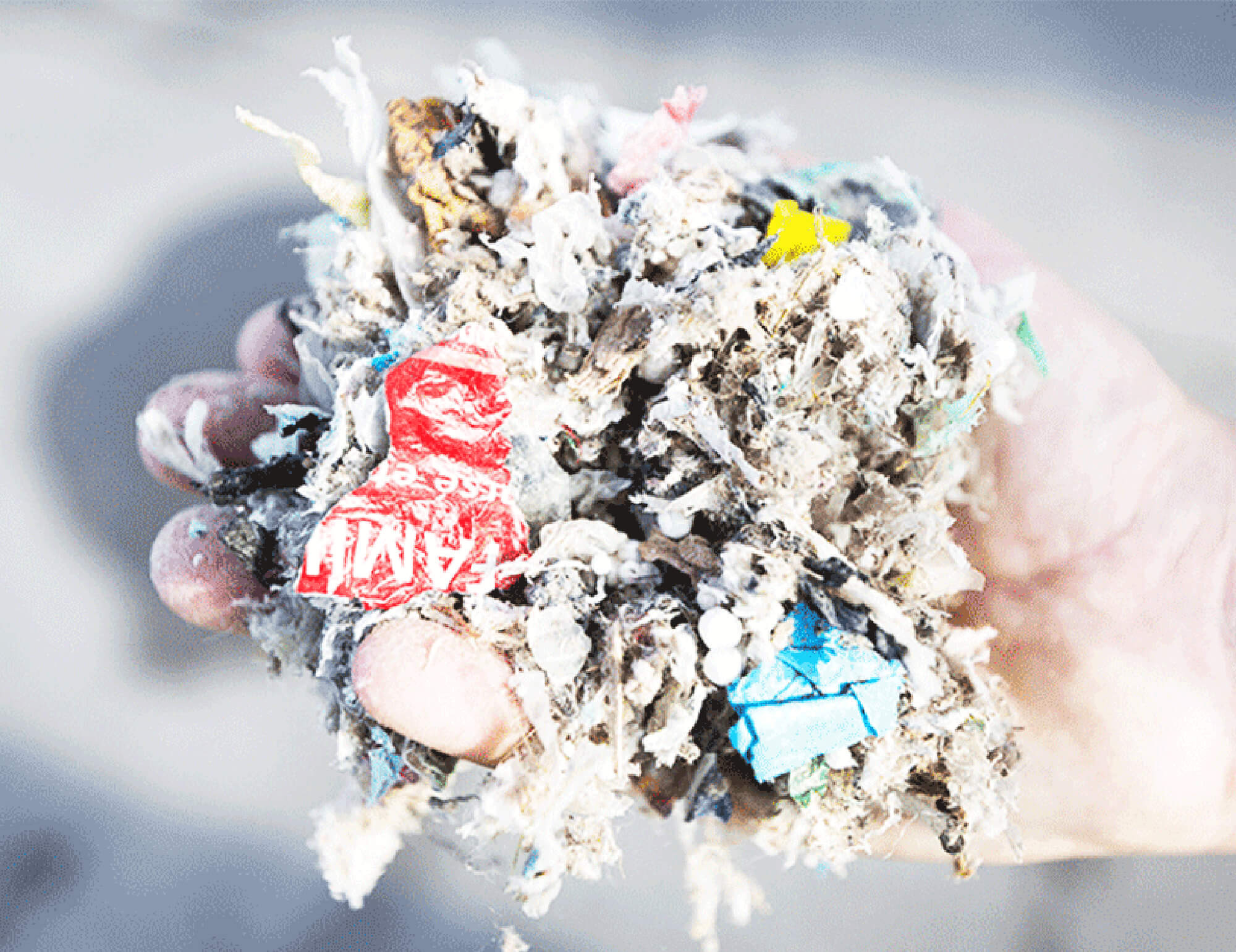
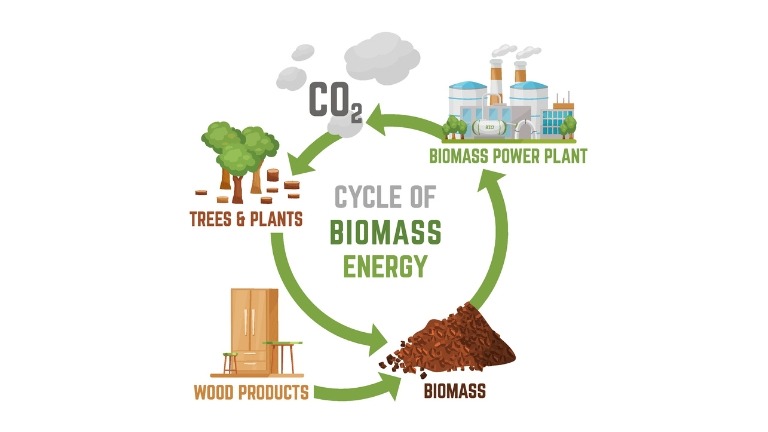
More and more industries are using solid recovered fuels (SRF), a partially renewable energy whose biosourced content is determined in accordance with EN ISO 21644.

Contact our teams Send your samples
A full range of solid recovered fuels

A standard dedicated to CSR carbon-14 analysis

The use of CSR fits into a circular economy logic, supported by national and European energy transition policies. In France, the multiannual energy programming (PPE) encourages their development. But for their valorization to be counted as renewable energy, the bio-based share must be scientifically proven.

The standard EN ISO 21644 governs this analysis: it describes methods for estimating biomass content using carbon 14.

The biomass content varies according to the composition of SRF (wood, paper, municipal waste, etc.). CIRAM also analyzes the bio-based share of fuels derived from tires, sewage sludge, and effluents by radiocarbon, according to standards EN ISO 21644 and ASTM D6866.

Contact our teams
Scientist with sample products

Carbon-14 concentration at the heart of CSR analysis

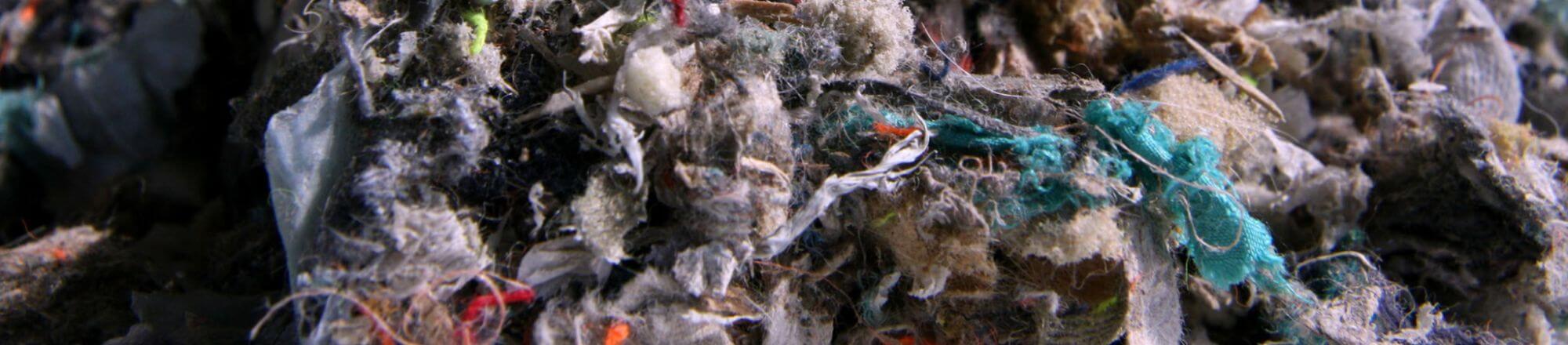
The solid recovered fuels (CSRs) are substitutes for fossil fuels, produced from non-recyclable waste containing both bio-based materials (paper, cardboard, wood, etc.) and petroleum-based plastics. To precisely distinguish the renewable portion of CSRs, carbon-14 analysis (radiocarbon) is the most reliable method.

CIRAM uses accelerator mass spectrometry (AMS) to accurately measure biogenic carbon concentration, in accordance with standard EN ISO 21644.

This analysis makes it possible to obtain the exact biomass content and scientifically prove the renewable part of the CSR, paving the way for traceability, certification and access to support schemes for the energy transition.

Request a quote

The challenges and practical applications of renewable raw materials for industry

01 - A decarbonizing lever for industry

CSR allow manufacturers to partially or totally substitute fossil fuels (coal, fuel oil, natural gas) with a lower carbon intensity energy.

Thanks to their bio-based fraction measured via carbon 14, CSRs can be integrated into carbon footprints as renewable energy, thus contributing to the climate neutrality objectives set by low-carbon strategies (SBC) and CSR commitments. They are fully aligned with the decarbonization plans supported by ADEME and the French State.

02 - A strategic tool for waste management

CSR offer a concrete energy recovery solution for non-recyclable waste, preventing its landfilling or incineration without energy recovery. They meet the objectives of the European waste management hierarchy, which prioritizes recovery over disposal.

By integrating CSRs into their energy mix, industrialists reduce their ultimate waste production while transforming a treatment cost into an energy source.

03 - A competitive factor for industrial sites

The use of CSRs, particularly when their bio-based content is certified according to EN ISO 21644, provides access to public support mechanisms. This allows industrial sites to reduce their energy costs, improve their environmental image, and enhance their low-carbon strategywith their customers, investors, and stakeholders.

This is also a key argument in calls for tenders, CSR audits, or ISO 50001 certification processes.

Why choose CIRAM laboratories for CSR analysis?

A recognized specialist in isotopic analysis and bio-based materials, the CIRAM laboratory supports industrial companies in the scientific characterization of their solid recovered fuels (SRF).

Thanks to over 20 years of experience in carbon 14 dating, CIRAM guarantees reliable results, compliant with the EN ISO 21644 standard, and fully usable for your traceability, certification, or energy optimization processes.

Our laboratory relies on accelerator mass spectrometry (AMS), a cutting-edge technology enabling ultra-precise analysis, even on complex and heterogeneous CSRs.

Benefit from the expertise of the European leader in radiocarbon dating and request your study on our website.

Contact our teams
Are you asking yourself these questions?

Why analyze the biobased fraction of RSC?

The biosourced fraction determines the renewable portion of the RDF. It is essential for proving eligibility for public subsidies, enhancing environmental impact and meeting regulatory obligations.

What method does CIRAM use to measure this renewable portion?

CIRAM uses carbon-14 analysis by gas pedal mass spectrometry (AMS), in compliance with EN ISO 21644 and ASTM D6866.

What types of CSR can CIRAM analyze?

In addition to conventional RDF, CIRAM also analyzes fuels derived from tires, sewage sludge or effluents, to the same standards.

How long does it take to obtain the results of a CSR analysis?

Results are available within 10 working days.

How do I request a CSR analysis from CIRAM?

Simply contact us via our website or by telephone to obtain a quotation and arrange for samples to be sent to our laboratory.

Make an appointment with an expert

Get all the answers to your questions!

Make an appointment

Explore our dating and analysis resources

Industry
What is a biobased product?

What is a biobased product?

Find out what biobased products are, what their advantages are, and how manufacturers are integrating them to transform their practices.

Read the article

Industry
Milk adulteration: what laboratory testing methods are available?

Milk adulteration: what laboratory testing methods are available?

Milk adulteration is a threat to the quality and conformity of dairy products. What methods can be used to detect these frauds quickly, reliably and ...

Read the article

Industry
How to check the naturalness of a flavor using carbon 14?

How to check the naturalness of a flavor using carbon 14?

Test the naturalness of your flavors and dietary supplements using radiocarbon and stable isotopes. Carbon 14 and stable isotopes allow...

Read the article

Industry
Why trust an ISO/IEC 17025 accredited laboratory for your stable isotope analyses?

Why trust an ISO/IEC 17025 accredited laboratory for your stable isotope analyses?

Stable isotope measurements play a key role in the quality control and traceability of industrial materials. But how can you be sure of the reliability of your results? By entrusting your...

Read the article

Industry
ISCC Plus certification: how to secure your biobased supply chains?

ISCC Plus certification: how to secure your biobased supply chains?

Increasing demands for traceability and sustainability make ISCC Plus certification a strategic asset for manufacturers involved in biobased products. Find out more...

Read the article

Industry
ISO 21644: an essential framework for CSR analysis

ISO 21644: an essential framework for CSR analysis

EN ISO 21644 is an essential standard for ensuring the compliance and traceability of solid recovered fuels (SRF). But how can you be sure that your materials comply ...

Read the article

Request a quote