

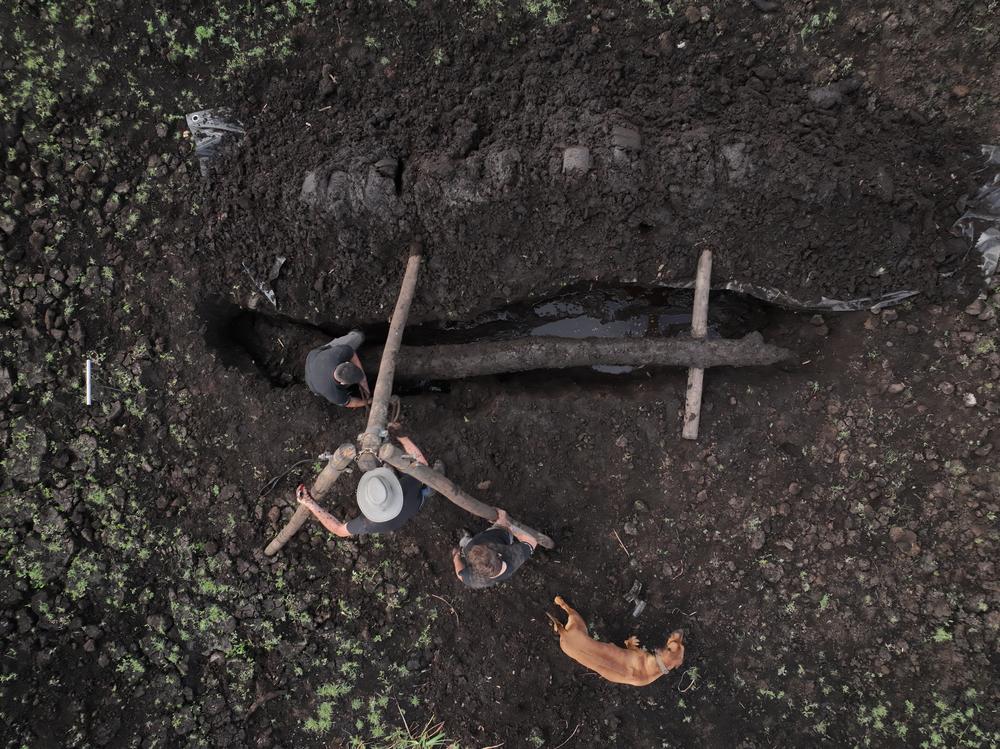
Fossil wood samples dated by the CIRAM laboratory
CIRAM has dated two fossilized pieces of wood, whose exceptional state of preservation is due in part to the fact that they were buried in a humid, oxygen-poor environment.
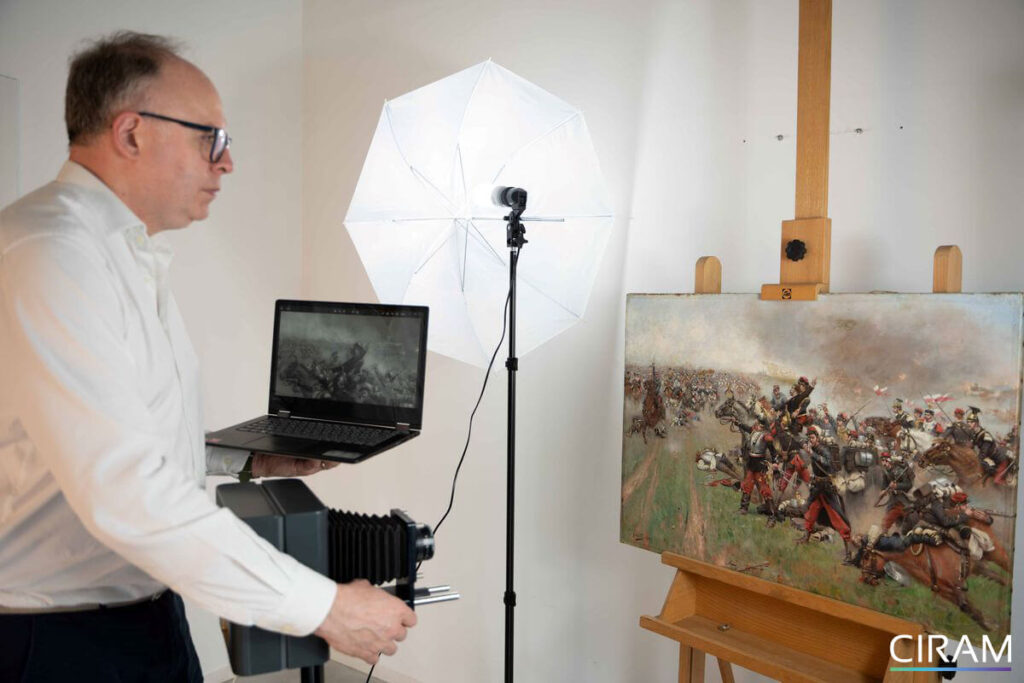
Since 2005, CIRAM has been supporting its partners in the scientific analysis of materials through three areas of expertise: dating, characterization and scientific imaging.
Contact our teams
CIRAM laboratories specialize in materials analysis and dating.
Carbon-14 dating, an essential analysis for dating your objects
The radiocarbon dating (C14) is the reference method for dating organic matter. It makes it possible to estimate the age of an organism by measuring the residual concentration of carbon 14.
CIRAM uses this expertise to authenticate works of art, date archaeological artifacts and quantify the biobased content of industrial products (biofuels, cosmetics, paints, CSR, etc.).
Thermoluminescence dating for ceramics, porcelain and earthenware
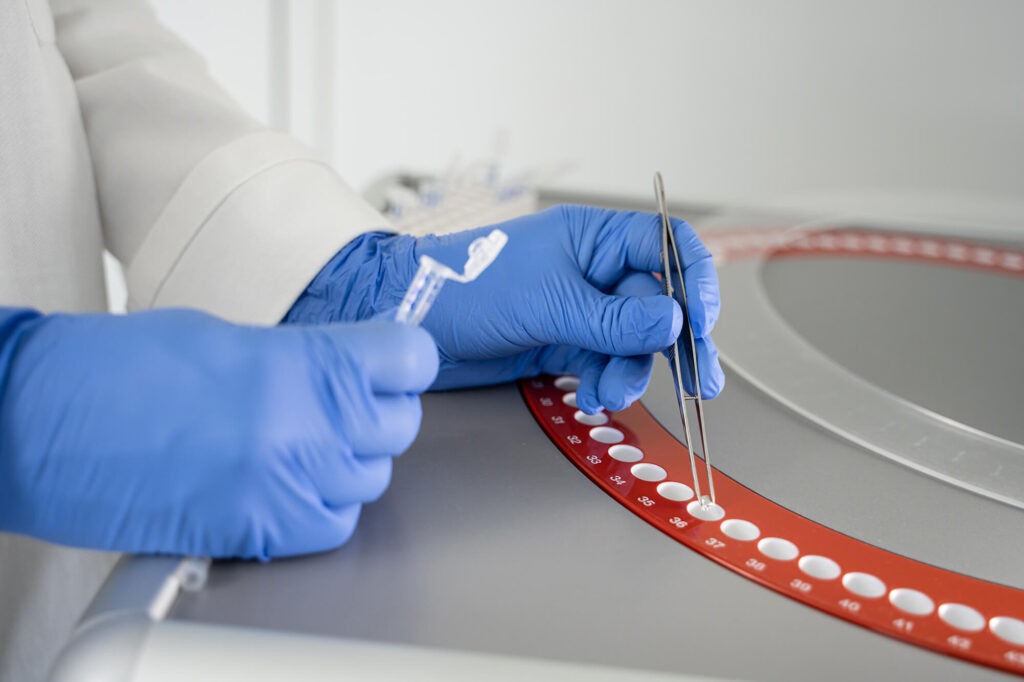
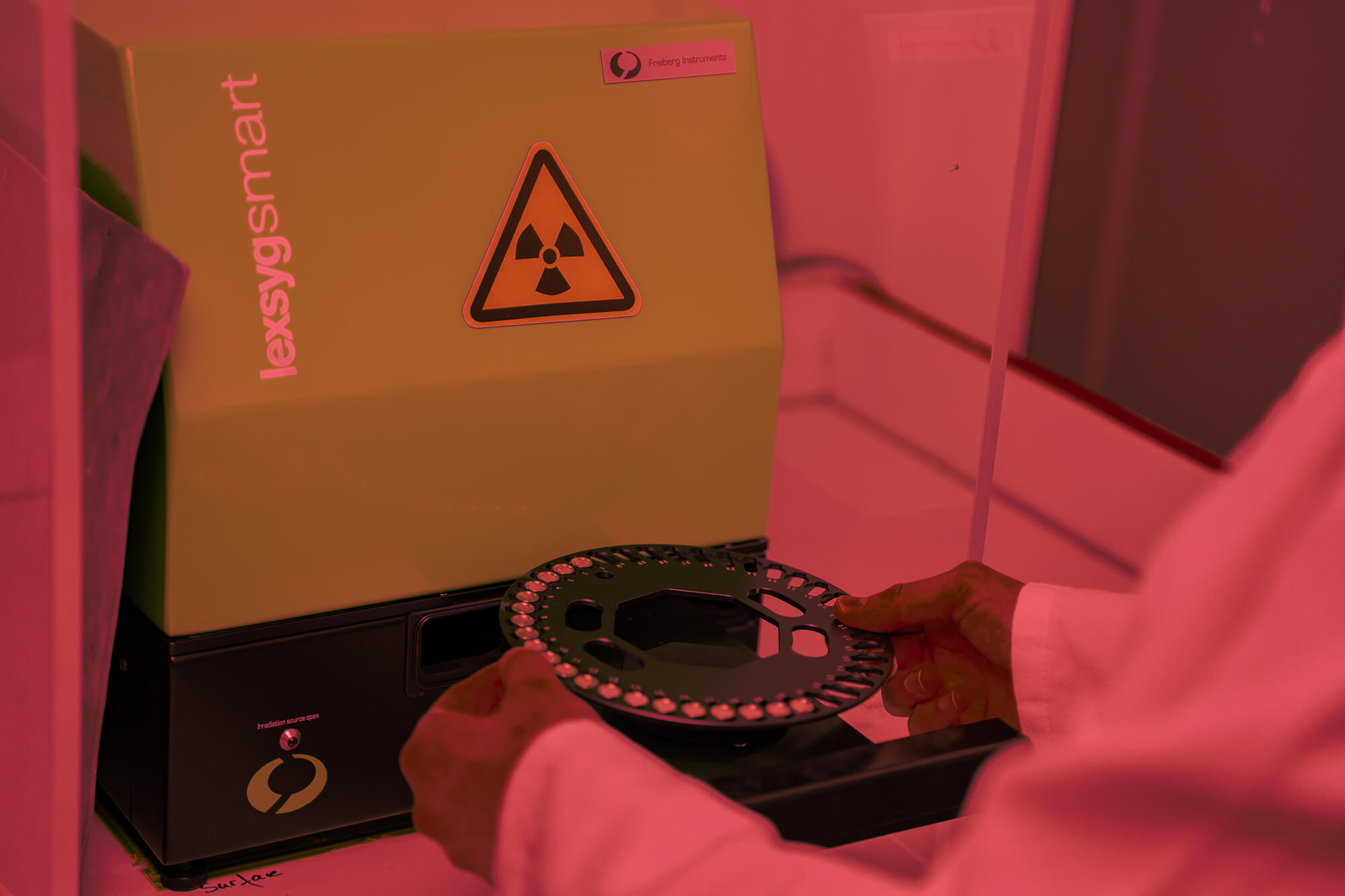
For heated minerals, such as terracotta or porcelain, it is possible to determine the age of the last firing using thermoluminescence thermoluminescence analysis (TL/OSL).
The older the object, the higher the light energy emitted during analysis, offering reliable dating for works of art and archaeological artifacts.
Read moreCIRAM uses advanced methods to analyze the composition and origin of materials.
Thanks to technologies such as electron microscopy (SEM-EDX), ICP-MS and XRD, microanalysis is now possible. micro-analysis to identify the structure and chemical composition of a material.
Stone, glass or pigments, it can be applied to a wide variety of archaeological objects and objets d'art. It also has industrial applications, notably for quality control.
The metallography analyzes metals such as bronze, gold and silver to determine their composition, degree of corrosion and origin of alterations.
Combined with techniques such as scanning electron microscopy (SEM) or thermoluminescence testing, it can be used to estimate an object's period of manufacture.
CIRAM also offers analysis methods, including infrared spectrometry (FTIR), Raman spectrometry andAES (atomic emission spectroscopy).
These techniques provide invaluable information for dating and characterizing characterization of ancient materials. They are often used in conjunction with other analyses to enhance the scientific expertise of the object.
CIRAM mobilizes two complementary disciplines for the study of wooden objects and charcoal from archaeological contexts: the xylology (study of wood) andanthracology (study of charcoal). These approaches enable us to :
Isotope analysis (carbon, nitrogen, oxygen, hydrogen, strontium) is a cutting-edge method for reconstructing biological, geographical or industrial trajectories.
In archaeology, it is used to study the diets, movements and geographical origins of ancient populations. In an industrial context, it can be used to detect adulteration and verify the authenticity of a product.
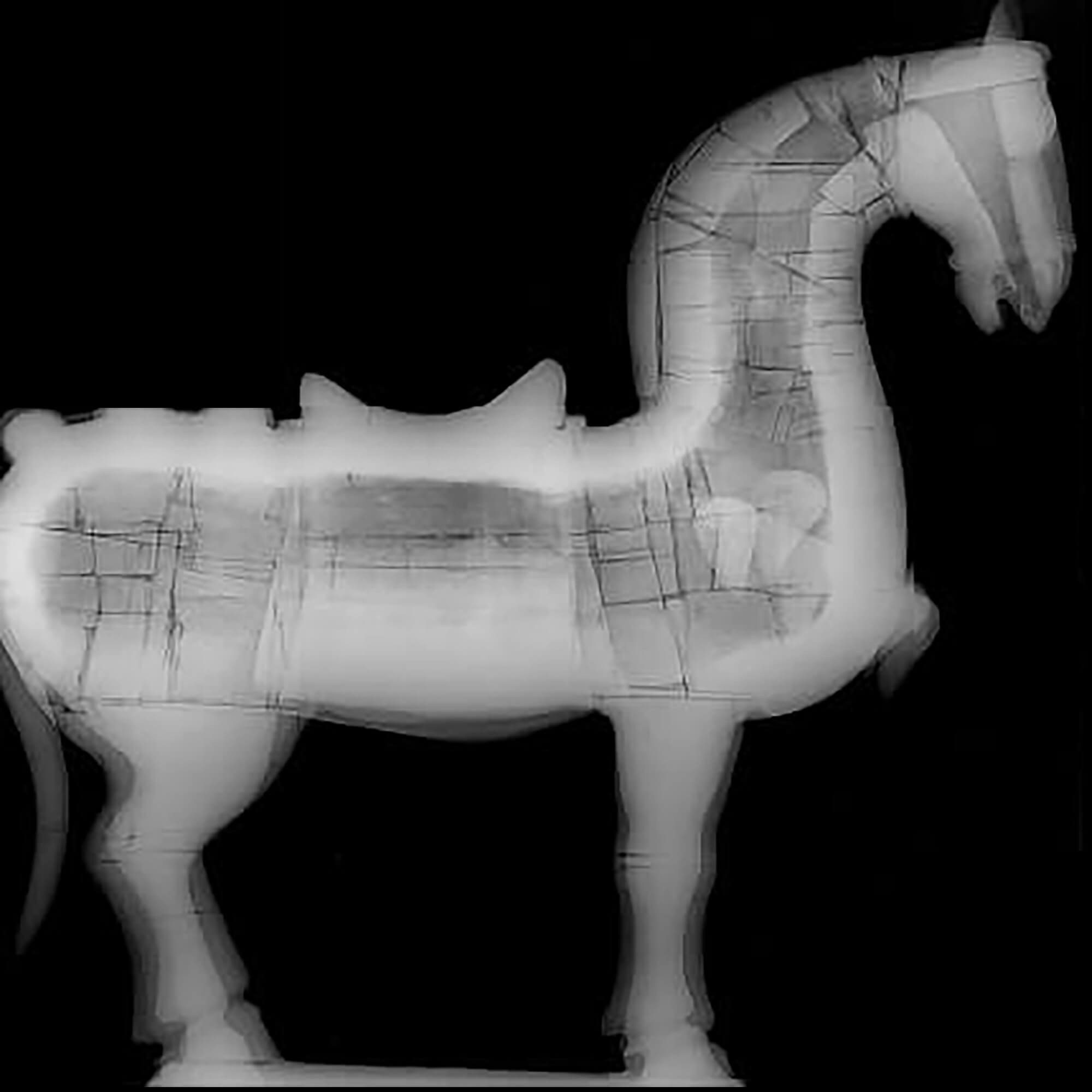
CIRAM uses a combination of optical techniques (visible light, grazing light, infrared reflectography, UV fluorescence) and radiographic (X-rays, CT scans) to offer an in-depth, non-invasive reading of works of art, particularly paintings, but also complex archaeological objects such as ancient mortars.
These examinations reveal elements invisible to the naked eye: preparatory drawings, repentirs, repaints, alterations, internal structures or hidden signatures. They provide a detailed understanding of the creative process, the object'smaterial history and its state of preservation. state of preservation.
X-rays, which can be carried out in situ using portable equipment, allow rapid, targeted analysis, while CT scans in the laboratory offer complete 3D modelling for complex objects such as cinerary urns.
Read more
Thanks to a network of subsidiaries, joint ventures and strategic partnerships in Europe, the USA and Asia, we support our customers in carrying out advanced analyses and rigorous sampling, wherever they are located.
Our teams of highly qualified scientists follow strict analytical protocols, in line with the most demanding international standards, to guarantee results of impeccable precision and reliability.
Whether you're a professional art market professionala researcher in archaeology or a player in the biosourced industryCIRAM brings you recognized expertise and analytical solutions tailored to your needs.
Request a studyCIRAM works in a variety of fields, including art, archaeology and the biobased products industry. We work with public institutions, private companies and individuals.
Our experts will help you choose the analytical techniques best suited to your specific needs. For any other questions or requests for specific studies, please contact our teams.
Time depends on the technique used and the type of object. A detailed quote will be provided with an estimated timeframe.
Click on "Contact our teams" for a quick response to your needs.
CIRAM has dated two fossilized pieces of wood, whose exceptional state of preservation is due in part to the fact that they were buried in a humid, oxygen-poor environment.
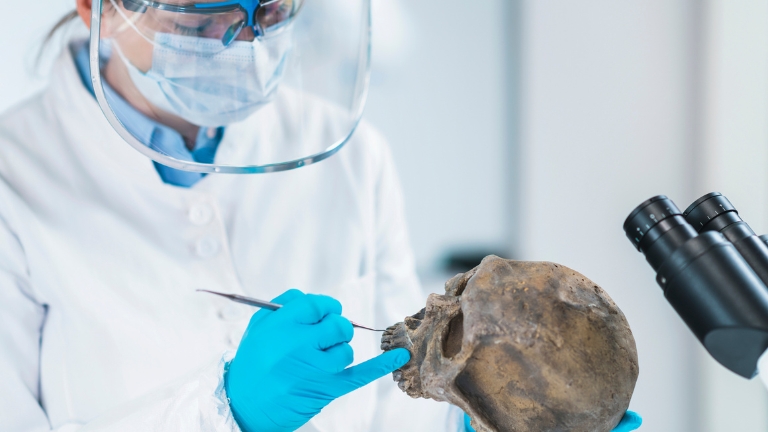
An indispensable dating method, carbon-14, or radiocarbon, is used to date archaeological artifacts, authenticate works of art, or measure bio-based content.
Find out what biobased products are, what their advantages are, and how manufacturers are integrating them to transform their practices.
The scientific analysis of a painting combines several complementary methods that make it possible to study its support, materials, production technique, state of preservation, and its a…
Choosing the right dating method in archaeology is not just a technical issue: it is a key decision that guides the entire interpretation of a site. Which technique to choose...
How can you authenticate a work of art or an archaeological relic with scientific rigor? Carbon-14 dating offers a reliable and precise method for analyzing organic materials...