Analysis of organic materials

Characterization of organic materials

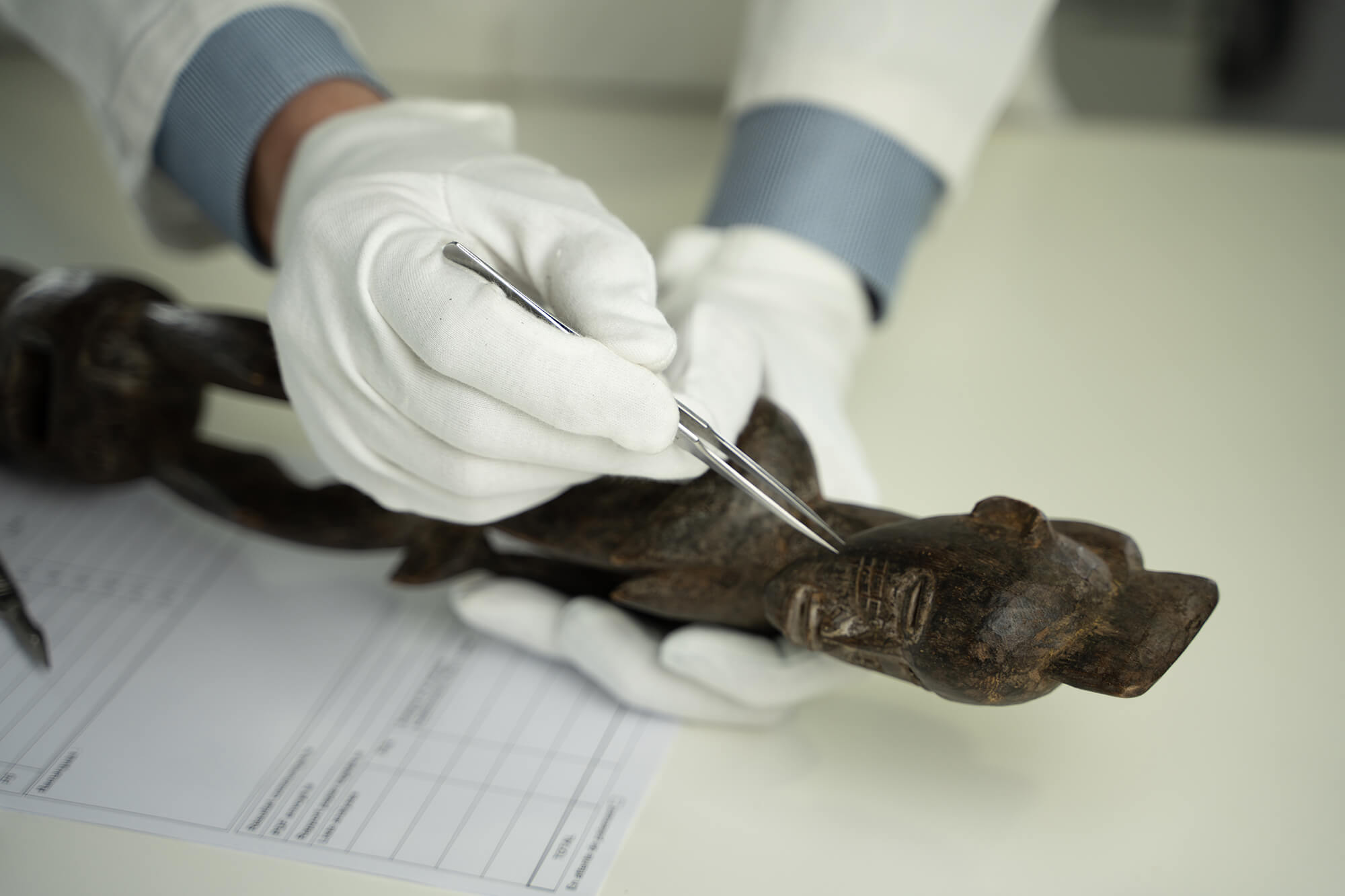
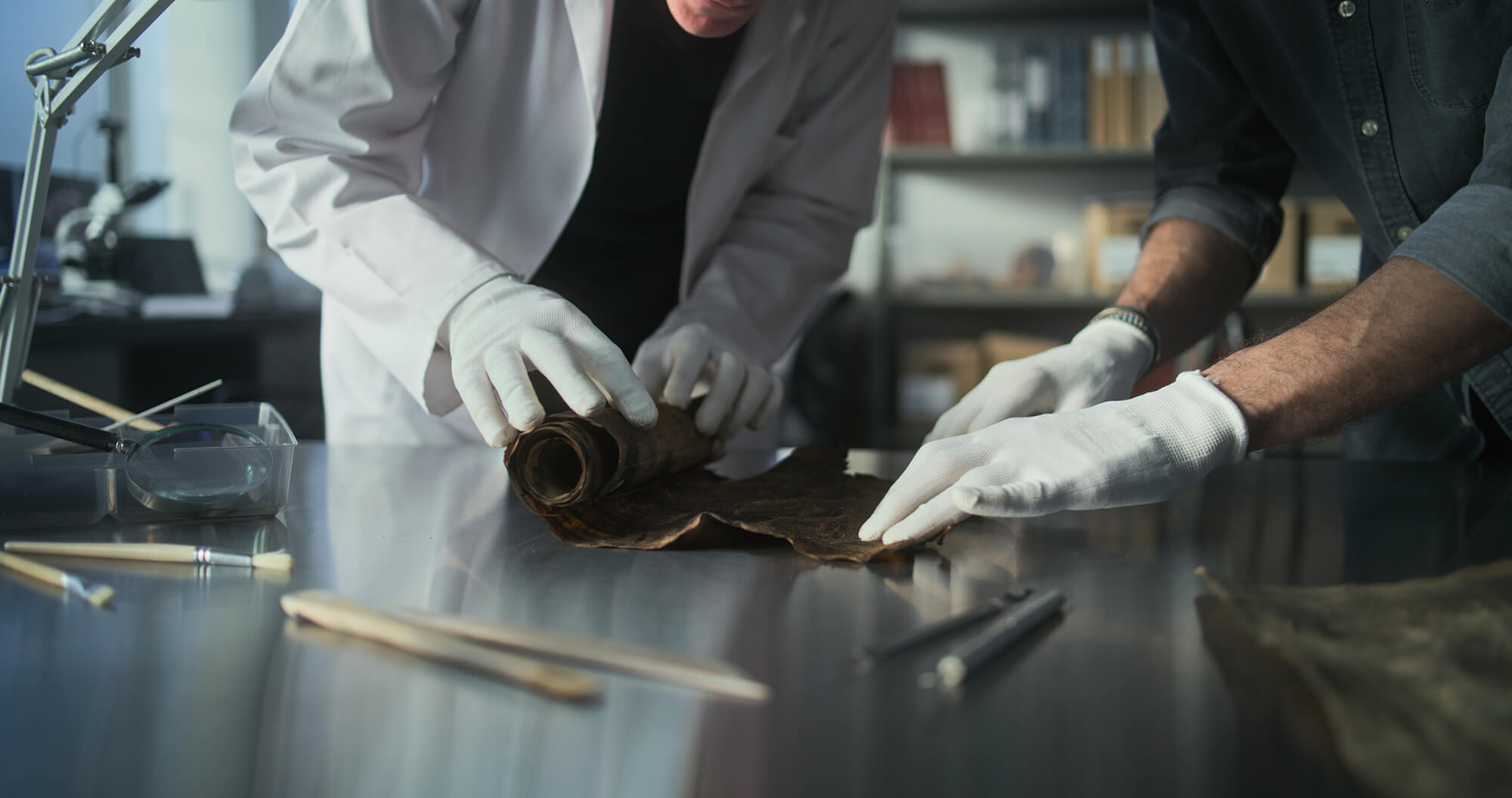
CIRAM analyzes organic materials present in works of art, archaeological artifacts and industrial materials: varnishes, residues, waxes, binders.

Contact our teams
DSC00383

Characterizing organic materials:
essential expertise for art, archaeology and industry

The aim of organic materials analysis is to identify, by chemical or isotopic means, the substances of natural or synthetic origin present in a heritage object or industrial material. This characterization technique mainly targets :

  • Absorbed or deposited organic residues (fats, oils, waxes, proteins);
  • Binders and varnishes used in paint coats or finishes;
  • Biobased compounds used in the formulation of industrial polymers.

In the art market, it can be used to assess the historical and technological coherence of an object, or to authenticate a work of art. In archaeology, it provides functional information on past uses (containers, rituals, techniques). In an industrial context, it provides guarantees on the composition, origin or conformity of a material.

Contact our teams
date work

Means used to characterize organic materials

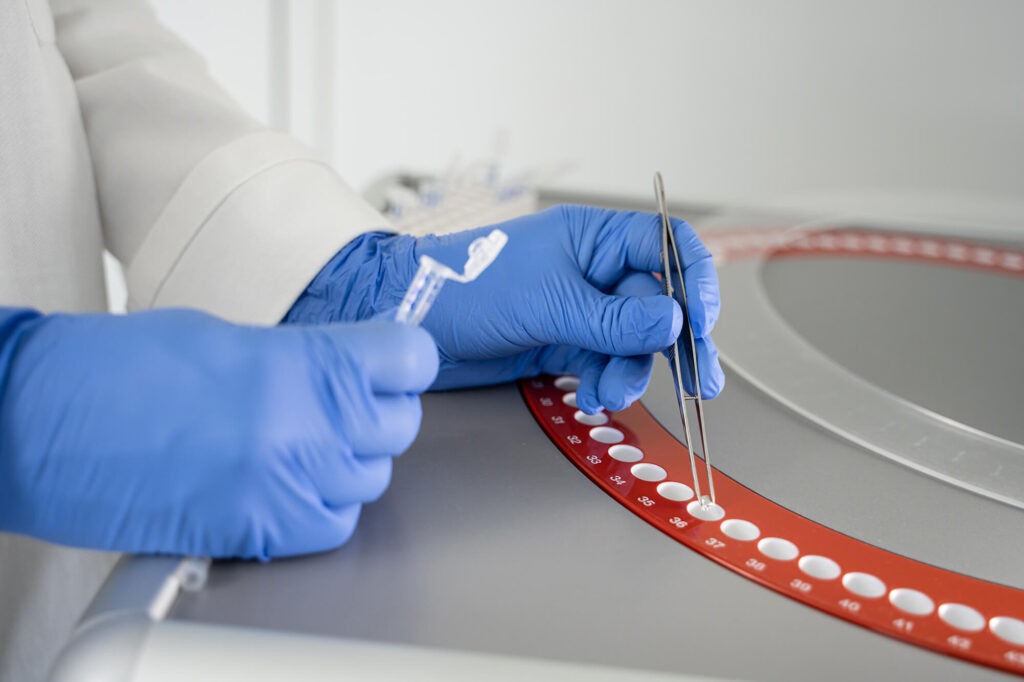
CIRAM uses several complementary methods, selected according to the nature of the samples and the objectives of the study:

  • Raman spectroscopy, particularly suited to the identification of polymers, resins, waxes or varnishes, directly on the object or from a micro-sample.
  • FTIR (Fourier Transform Infrared) spectroscopy enables rapid identification of functional groups present in organic compounds. Effective for complex mixtures and degraded materials.
  • Gas chromatography coupled with mass spectrometry (GC-MS) provides in-depth analysis of organic mixtures (natural resins, oils, binders, waxes), enabling comparison with reference databases.
  • Elemental analysis coupled with isotope ratio mass spectrometry (EA-IRMS) provides isotopic signatures for carbon (¹³C/¹²C) and nitrogen (¹⁵N/¹⁴N). This method is used to determine the biological origin of a material or to assess the biobased content according to ISO 16620-2.

These methods can be used alone or in combination to obtain robust results that can be exploited in a heritage or industrial context.

Request a quote

Residues, binders, varnishes :
materials with a high index value

01 - Organic residues on archaeological objects

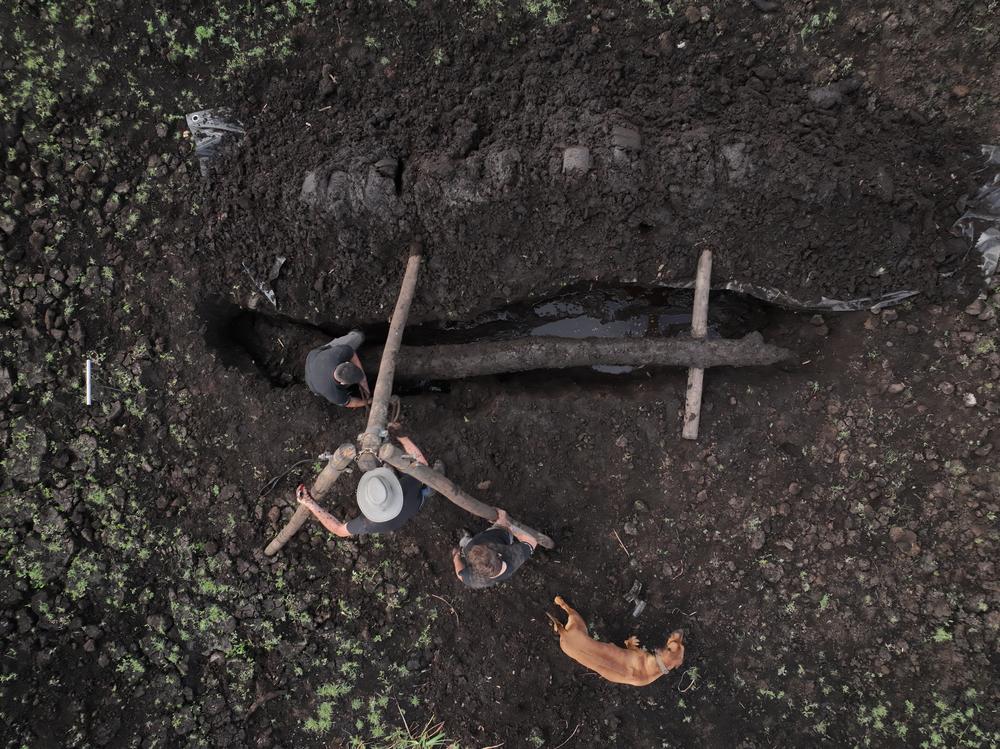
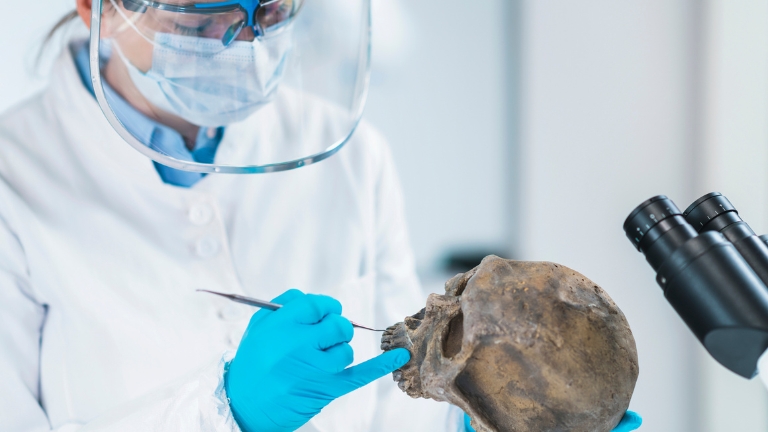
In the archaeologyorganic residues absorbed or encrusted on ceramics, tools or ritual objects provide valuable information on past uses:

  • Nature of products contained (oils, resins, fats, etc.),
  • Processing and preservation methods,
  • Exploited plant or animal sources.

Using GC-MS or FTIR analysis, CIRAM helps archaeologists to reconstruct the food, medicinal and craft practices of ancient civilizations.

02 - Binders and varnishes in works of art

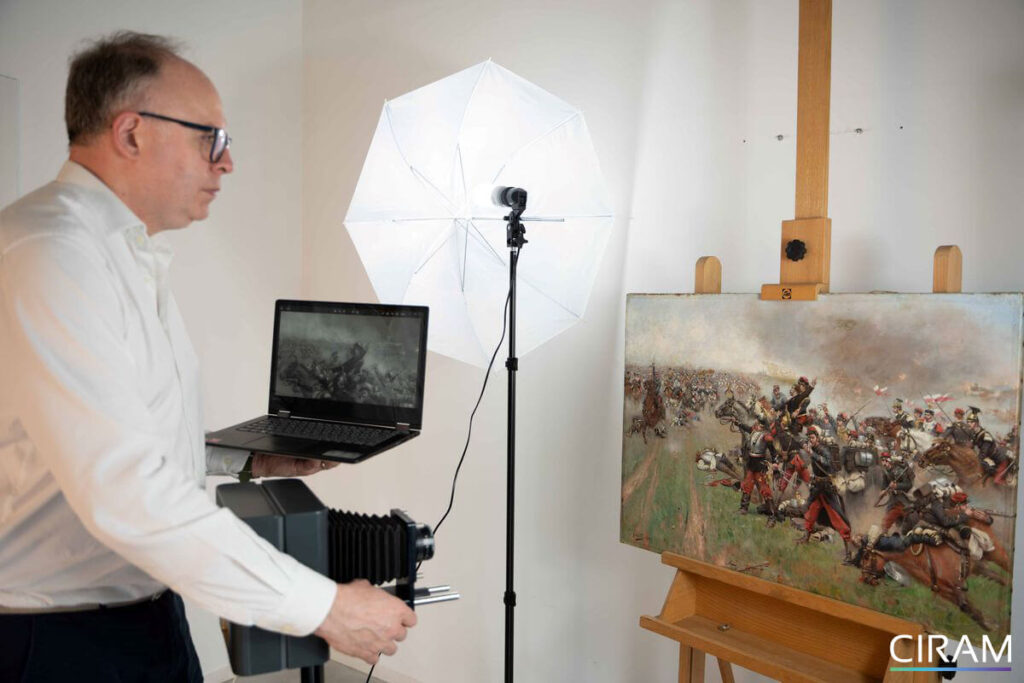
In the art marketthe identification of binders or varnishes (natural resins, drying oils, waxes, animal glues) makes it possible to authenticate works of art and date their creation. Certain chemical signatures are characteristic of specific periods, geographical areas or workshops.

Raman or FTIR spectra can be used to identify these components, and their comparison with historical reference databases refines the analysis.

03 - Industrial waxes and bio-based materials

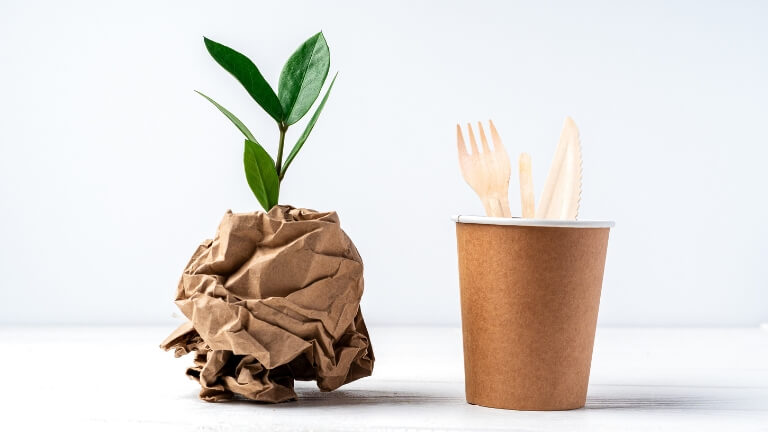
For industryparticularly in the packagingtextile and polymer sectors, elemental and isotopic analysis (EA-IRMS) can be used to :

  • Check the natural or synthetic origin of materials,
  • Determine the biobased content (in accordance with ISO 16620-2),
  • Check product compliance with regulatory or environmental requirements.

CIRAM, expert in organic materials analysis

When you call on CIRAM for your organic analyses, you benefit from recognized expertise, scientific rigor and cutting-edge analytical technologies.
CIRAM relies on :

  • Highly sensitive and complementary instruments (Raman, FTIR, GC-MS, EA-IRMS),
  • Reference databases for reliable interpretation of spectra,
  • A multidisciplinary team capable of combining different techniques - spectrometry, microanalysis, metallographychromatography, X-ray radiography - to offer a rigorous, contextualized interpretation of results.
  • Validated protocols to guarantee reproducibility and traceability of results.

CIRAM supports museum institutions, archaeologists, auction houses, art restorers and manufacturers in their projects in France and abroad.

Contact our teams

Are you asking yourself these questions?

Is it possible to analyze a varnish on an old painting?

Yes, FTIR or GC-MS analysis can identify the exact nature of the varnish, whether natural (dammar, mastic...) or synthetic.

Can a wax be authenticated?

Yes, chromatographic analysis identifies its composition (bee, carnauba, synthetic...) and can reveal its origin or use.

Does this technique damage the object being analyzed?

Non. Les méthodes sont non-destructives ou requièrent seulement un micro-prélèvement (<1 mg) selon les cas.

Is it possible to authenticate a work of art using organic analysis?

Yes, binders and varnishes are reliable indicators of any anachronisms or chemical signatures specific to a particular period.

How much does an analysis of organic materials cost?

The cost depends on the number of techniques used, the type of object, the nature of the sample and the degree of interpretation required. Contact us for a personalized quote.

Make an appointment with an expert

Get all the answers to your questions!

Make an appointment

Explore our dating and analysis resources

Archaeology
Comparison between carbon-14, TL, and OSL: which method should you choose?

Comparison between carbon-14, TL, and OSL: which method should you choose?

Choosing the right dating method in archaeology is not just a technical issue: it is a key decision that guides the entire interpretation of a site. Which technique to choose...

Read the article

Carbon 14
How carbon-14 analysis helps preserve biodiversity

How carbon-14 analysis helps preserve biodiversity

How can we retrace the invisible history of ecosystems and better understand the dynamics of biodiversity? Thanks to carbon-14 dating, researchers now have a scientific tool that they can use to...

Read the article

Art market
How to recognize bronze and differentiate it from brass?

How to recognize bronze and differentiate it from brass?

Distinguishing a work of art in bronze from one in brass is not possible at a glance, however expert. Deceptive patinas, invisible restorations, sophisticated forgeries...

Read the article

Archaeology
The limits of carbon-14 dating: when should we turn to other methods?

The limits of carbon-14 dating: when should we turn to other methods?

How do you know whether a work of art, an archaeological object or a heritage item is really as old as it claims to be? Carbon-14 dating is often the method of choice, but it can also be used to...

Read the article

Art market
How to recognize a forged signature on a painting?

How to recognize a forged signature on a painting?

A simple signature can make the difference between an anonymous work and a masterpiece valued in the millions on the art market. But what happens when that signature is...

Read the article

Archaeology
What role does anthracology play in preventive excavations?

What role does anthracology play in preventive excavations?

Anthracology plays a key role in preventive excavations: by studying archaeological coals, it sheds light on past human practices and paves the way for carbon dating...

Read the article

Request a quote