Construction

Analytical laboratory for building materials

Thanks to carbon 14 (or radiocarbon) analysis by AMS, CIRAM laboratories evaluate the composition of your building materials to help you obtain the Karibati biosourced product label.

Contact our teams Send your samples
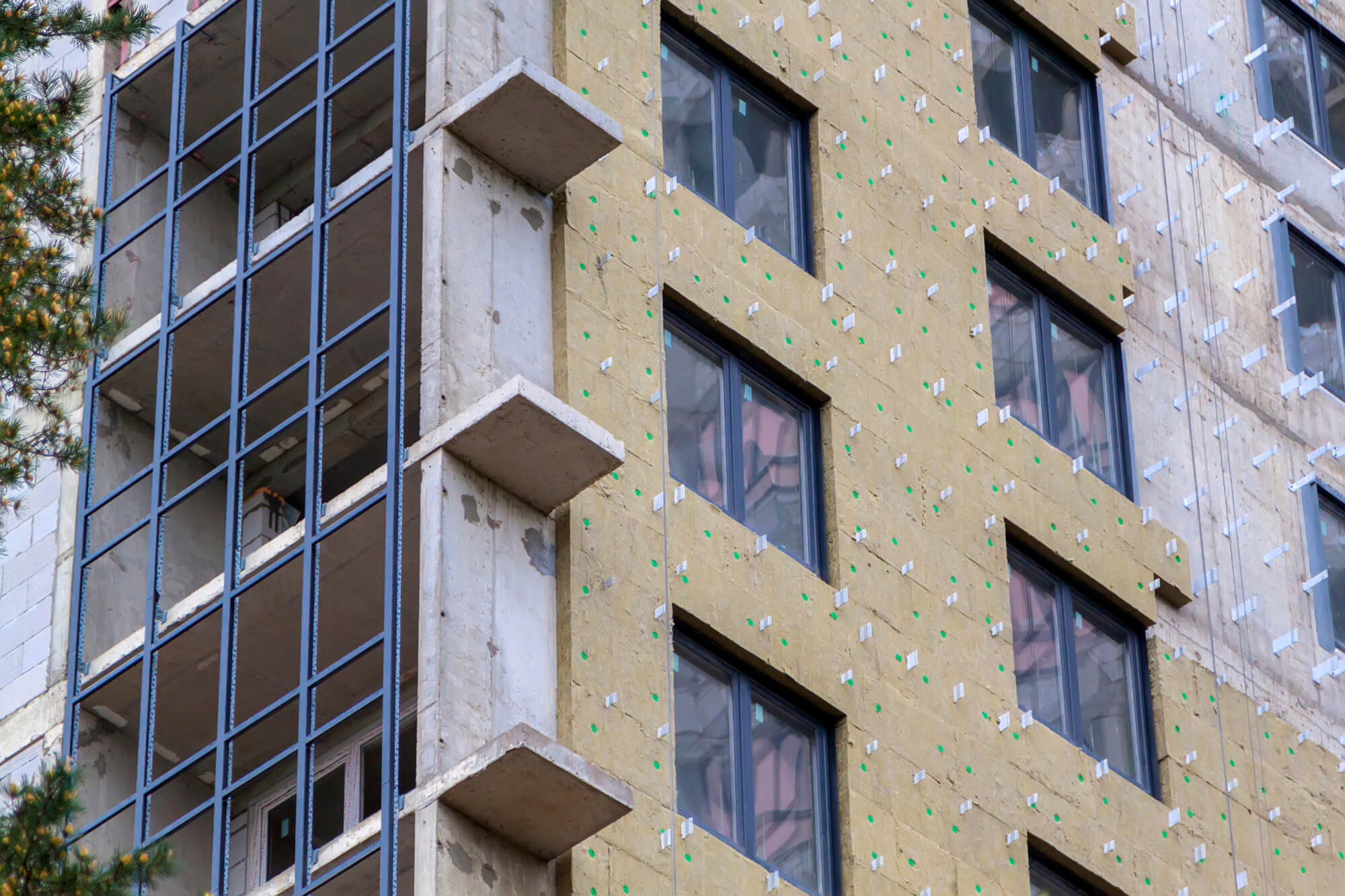
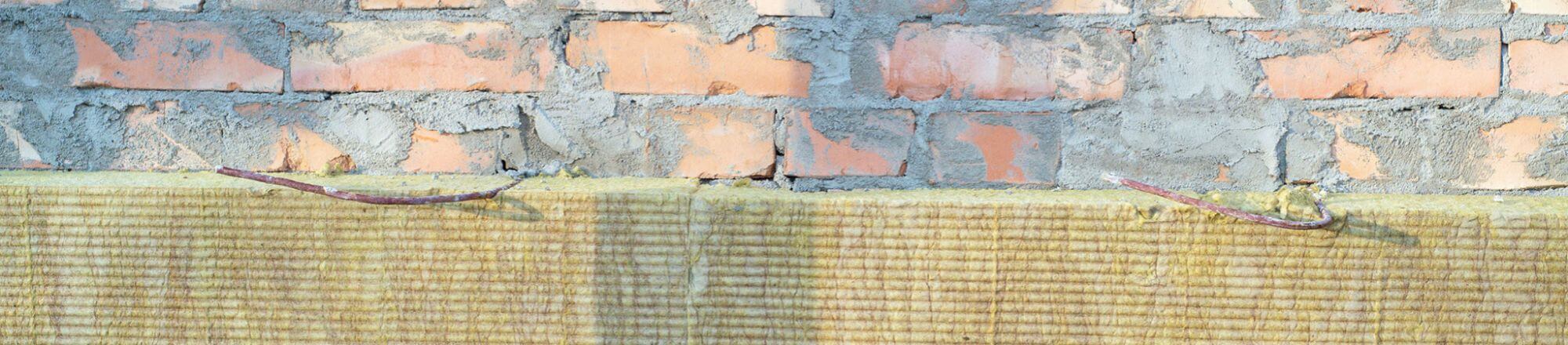
Building under construction demonstrating compliance with material requirements for RE2020 environmental certification

Qualification of building materials for the RE 2020 label

The transition from RT 2012 to RE 2020 marks a major turning point in building environmental regulations, imposing increased requirements for bio-based materials. Since then, the precise quantification of the bio-based content of construction and road materials has become essential to ensure their compliance with the new standards.

Although many materials incorporate components derived from biomass (wood, natural insulation, bio-based composites), the addition of chemical treatments (flame retardants, fungicides, synthetic polymers) can alter their biogenic carbon content.

Carbon 14 analysis (or radiocarbon) is an essential step, as it is the concentration of carbon 14 in your material that will allow us to measure the bio-based carbon content. It is therefore the concentration of carbon 14 that we will quantify to know if your insulation, your paint, or your bitumen contains 10, 50, or 100% bio-based products.

Request a quote
Laboratory for Radiocarbon Analysis of Bio-based Materials

Radiocarbon analysis for rigorous control of building materials

CIRAM laboratories offer advanced expertise in radiocarbon dating to ensure the qualification of bio-based construction materials. Our engineers carry out a triple expertise for the characterization of your construction materials:

  1. Precise quantification of the percentage of bio-based carbon and fossil carbon in construction and road materials by Accelerator Mass Spectrometry (AMS).
  2. Evaluation of the impact of chemical treatments on the bio-based composition of materials, taking into account synthetic additives that can modify their environmental properties.
  3. Certification and regulatory approval, facilitating the obtainment of environmental labels (e.g. Karibati certification, requiring 24% bio-based content for composite fence panels).
Request a quote

Challenges and practical applications for building materials (BTP)

01 - Reducing carbon footprint and complying with RE 2020

The RE 2020 environmental regulation requires a significant reduction in greenhouse gas emissions from the building sector, thus promoting the use of bio-based materials.

Radiocarbon dating allows for precise quantification of the biogenic carbon content in a material, thereby ensuring its compliance with environmental criteria.

Thanks to this expertise, manufacturers can adjust their formulations to maximize biomass content and minimize the impact of synthetic additives.

02 - Certification and access to sustainable construction markets

Many environmental certifications, such as the Karibati Bio-based Product label, NF Environnement, or theBio-based Building label, require scientific proof of the percentage of biogenic carbon contained in materials.

Radiocarbon dating, by precisely quantifying this share, constitutes an essential tool for validating eligibility for green public procurement and meeting the expectations of clients and developers committed to sustainable construction.

03 - Quality control and traceability of bio-based materials

The integration of bio-based materials in construction projects requires strict quality control to ensure their durability and compliance with current standards.

The radiocarbon analyses carried out by CIRAM make it possible to identify discrepancies between the declared and actual composition of materials, thus guaranteeing total transparency for manufacturers, developers, and regulatory authorities.

This approach strengthens stakeholder confidence and contributes to the standardization of bio-based materials in the construction market.

Why choose CIRAM laboratories
for the analysis of your building materials?

Thanks to cutting-edge technological infrastructure and a team of specialized engineers, CIRAM offers high-precision analyses tailored to the requirements of RE 2020 and current environmental certifications. To attest to the quality of our expertise, we use the following standards:

  • NF EN 16640: this is the European standard concerning the determination of bio-based carbon content by the radiocarbon (or carbon 14) method;
  • EN 16785: European standard concerning the determination of bio-based content by carbon 14 (or radiocarbon) analysis and elemental analysis.
  • ASTM D6866: American standard concerning the analysis of the bio-based content of materials by the carbon 14 method

CIRAM supports you in analyzing, certifying, and optimizing your construction materials. Benefit from the expertise of the European leader in radiocarbon dating and request your study on our website.

Contact our teams
Are you asking yourself these questions?

Why is it important to quantify biobased carbon in building materials?

Quantifying biobased carbon enables us to assess the renewable content of materials and ensure their compliance with environmental standards such as RE 2020 and biobased labels.

How does radiocarbon analysis work for building materials?

The analysis is based on measuring the concentration of the carbon-14 isotope, enabling us to distinguish between carbon of biogenic origin and fossil carbon in materials.

What materials can be analyzed by AMS radiocarbon analysis?

All carbon-containing materials, including natural insulating materials, biobased composites, coatings and certain concretes containing biobased additives.

How long does it take to obtain the results of a radiocarbon analysis?

Results are delivered within 10 working days, enabling rapid decision-making.

How can you contact CIRAM to have your building materials analyzed?

You can easily get in touch with our teams via our website. Click on the "Contact our teams" button for more information or to request a customized study.

Make an appointment with an expert

Get all the answers to your questions!

Make an appointment

Explore our dating and analysis resources

Industry
What is a biobased product?

What is a biobased product?

Find out what biobased products are, what their advantages are, and how manufacturers are integrating them to transform their practices.

Read the article

Industry
Milk adulteration: what laboratory testing methods are available?

Milk adulteration: what laboratory testing methods are available?

Milk adulteration is a threat to the quality and conformity of dairy products. What methods can be used to detect these frauds quickly, reliably and ...

Read the article

Industry
How to check the naturalness of a flavor using carbon 14?

How to check the naturalness of a flavor using carbon 14?

Test the naturalness of your flavors and dietary supplements using radiocarbon and stable isotopes. Carbon 14 and stable isotopes allow...

Read the article

Industry
Why trust an ISO/IEC 17025 accredited laboratory for your stable isotope analyses?

Why trust an ISO/IEC 17025 accredited laboratory for your stable isotope analyses?

Stable isotope measurements play a key role in the quality control and traceability of industrial materials. But how can you be sure of the reliability of your results? By entrusting your...

Read the article

Industry
ISCC Plus certification: how to secure your biobased supply chains?

ISCC Plus certification: how to secure your biobased supply chains?

Increasing demands for traceability and sustainability make ISCC Plus certification a strategic asset for manufacturers involved in biobased products. Find out more...

Read the article

Industry
ISO 21644: an essential framework for CSR analysis

ISO 21644: an essential framework for CSR analysis

EN ISO 21644 is an essential standard for ensuring the compliance and traceability of solid recovered fuels (SRF). But how can you be sure that your materials comply ...

Read the article

Request a quote