Fossilized wood samples dated by CIRAM lab
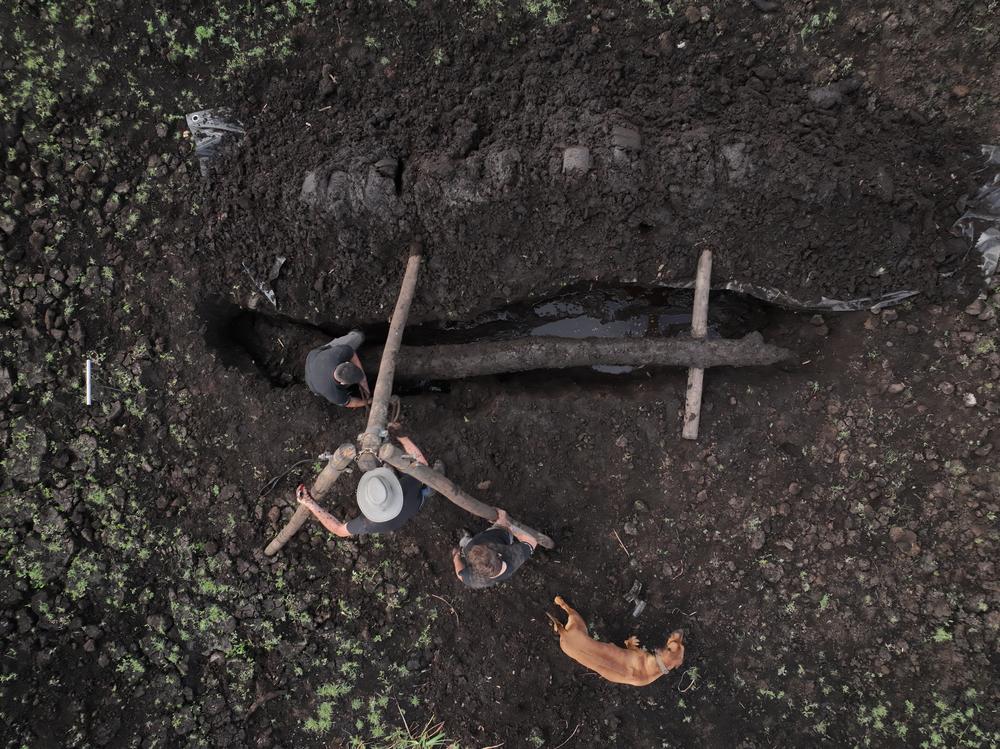
CIRAM recently dated two pieces of fossilized wood: a "morta" oak and a marsh yew. Both were found buried in the same location, in the Bessin and Cotentin marshes in Normandy…

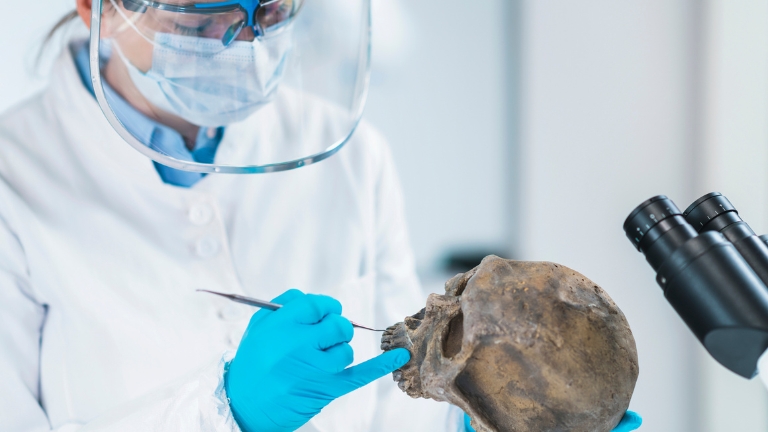
The organic residues found on archaeological artifacts provide a unique window on the practices and lifestyles of ancient societies. Thanks to advanced scientific analysis, it is now possible to identify their origin and use.
Contact our teams
Organic residues found on artifacts such as amphorae, vases and flasks are direct evidence of past human practices.
They provide invaluable information on lifestyles, eating habits, ancestral burial practices and even trade in the past. For example, the analysis of Neolithic ceramics has revealed the presence of traces of milk in pottery, providing a better understanding of dairy farming and consumption practices at the time.
Request a quote
The identification of organic residues relies on the use of cutting-edge analytical techniques that enable fine characterization of the chemical compounds present in samples. At CIRAM, several methods are employed to guarantee accurate and reliable analysis:
The applications of these analyses are many and touch on different aspects of archaeology:
Fourier transform infrared spectroscopy (FTIR), used in ATR mode or under microscopy, is an essential analytical technique for identifying the major families of organic compounds in archaeological materials. This method enables the presence of lipids, waxes, natural resins or proteins to be detected on the basis of characteristic spectral signatures.
However, the presence of mineral matter can generate spectral interference, making the identification of organic compounds more delicate. To overcome this limitation, FTIR is generally used as a preliminary technique. CIRAM specialists integrate it into multi-technique analytical protocols, in association with chromatography or Raman spectroscopy, to refine the identification of organic residues.
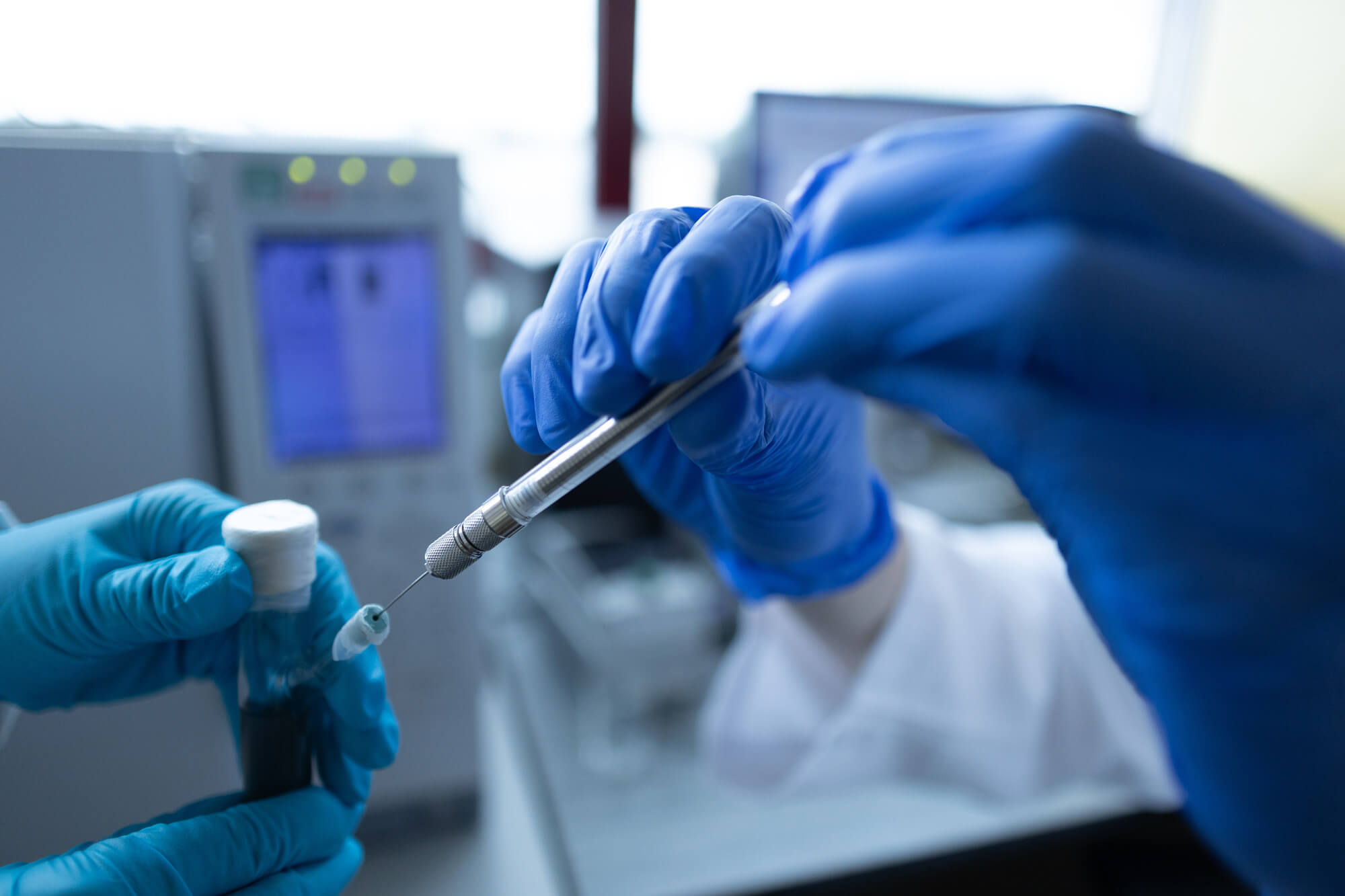
Gas chromatography-mass spectrometry (GC-MS) is a benchmark technique for analyzing organic compounds in archaeology. This technique is based on the separation of molecules present in a sample using gas chromatography (GC), followed by precise identification of constituents by mass spectrometry (MS), according to their mass-to-charge ratio.
This method enables trace compounds to be detected and quantified, providing essential information on their chemical composition.
CIRAM's experts identify specific biomarkers, enabling them to reconstruct the nature of ancient substances such as vegetable oils, animal fats, tannins and tars. This expertise contributes to the interpretation of the cultural and economic practices of ancient societies, by revealing the uses and transformations of organic matter over time.
Mainly used to analyze mineral materials, Raman spectrometry is nevertheless a valuable complementary technique for archaeometry. Its main advantage lies in its non-destructive nature, enabling samples to be studied without prior alteration or preparation.
Thanks to its excellent spatial resolution, this method makes it possible to analyze organic residues on a microscopic scale (of the order of a few microns). CIRAM researchers integrate Raman spectrometry into multimodal analysis protocols, coupling it with FTIR spectroscopy and GC-MS chromatography. This combined approach is essential for the characterization of complex substances and enables the precise identification of organic materials used by past societies.
Carpology is the study of seed and fruit remains from archaeological contexts such as vessels or sediments. Analysis of these plant macro-remains provides valuable information on agriculture, diet and the exploitation of plant resources by ancient societies. Even charred, these seeds can be identified by CIRAM scientists to reconstruct past environments.
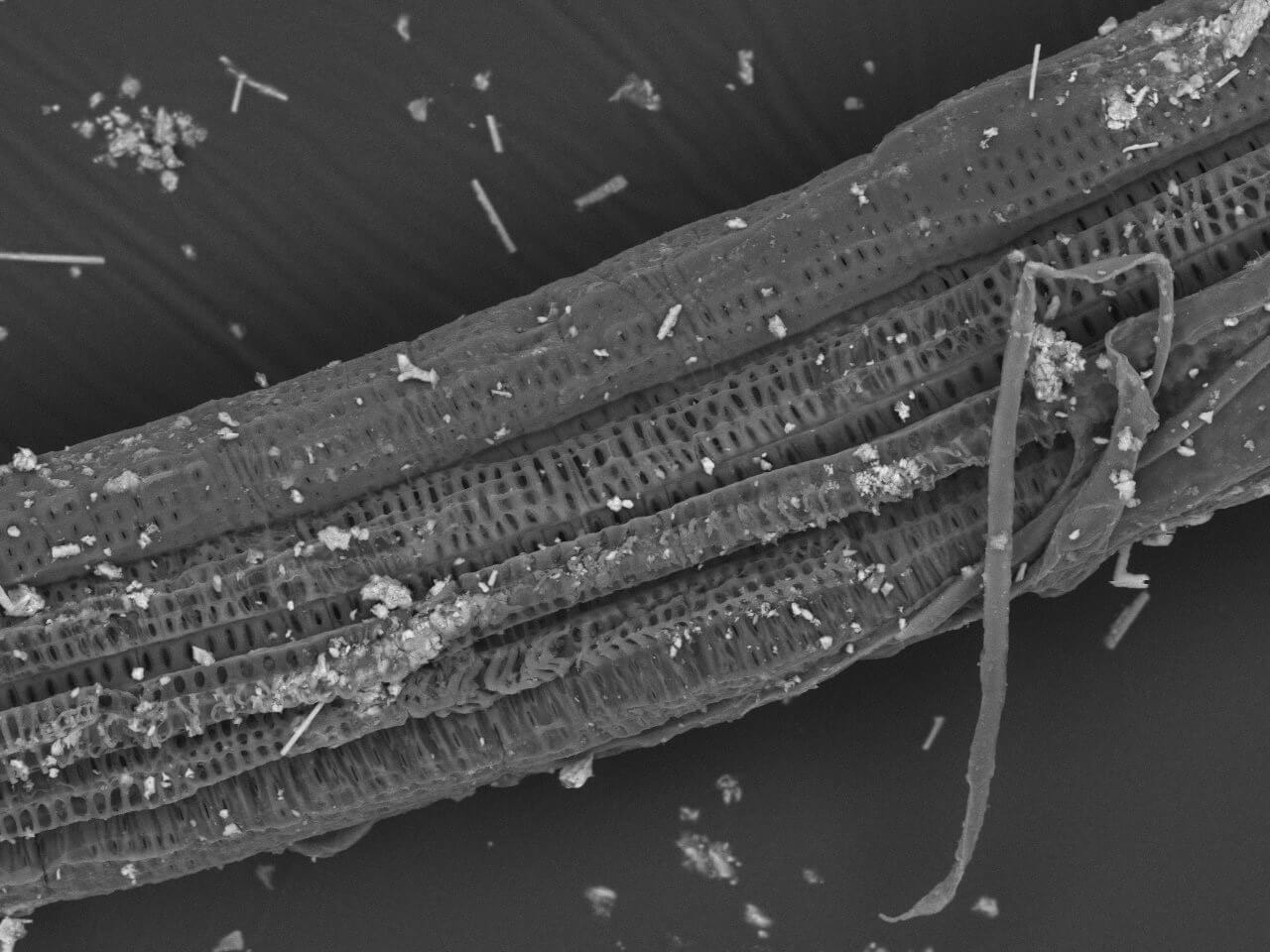
Palynology, which focuses on the study of pollen and spores, complements carpology and anthracology. anthracology (study of charcoal) in the reconstruction of ancient landscapes and climates. Analyses carried out by CIRAM, via optical and electron microscopy, enable pollen grains to be identified according to their morphology and structure, thus refining paleoenvironmental models and the dynamics of land occupation.
CIRAM laboratories have positioned themselves as a benchmark player in the analysis of organic residues applied to archaeology. By mobilizing a range of cutting-edge analytical techniques, our teams of scientists offer in-depth expertise to determine the nature of ancient substances and their role in past human practices.
Whether reconstructing diets, identifying materials of natural origin or tracing historical economic circuits, CIRAM provides tailor-made solutions for every archaeological project.
These technologies, combined with complementary analyses such as carbon dating by AMScarbon dating thermoluminescence datinganthracology/xylology, scientific imaging or isotope analysisall enable a deeper understanding of artifacts, while guaranteeing their preservation.
Contact our teamsAn organic residue is a trace left by substances of biological origin on archaeological objects (ceramics, tools, sediments). They may be lipids, proteins, carbohydrates or specific biomarkers.
CIRAM uses several analytical methods: GC-MS chromatography, FTIR infrared spectrometry, Raman spectrometry, as well as carpological and palynological analyses.
Yes, certain substances such as oils, waxes and resins are permanently impregnated into the ceramic matrix and can be analyzed even after millennia.
Techniques such as GC-MS enable trace-level compounds to be identified with great precision, even when samples are extremely degraded.
Analysis times vary according to the complexity of the samples and the number of techniques used, but generally take a few weeks.
CIRAM recently dated two pieces of fossilized wood: a "morta" oak and a marsh yew. Both were found buried in the same location, in the Bessin and Cotentin marshes in Normandy…
Choosing the right dating method in archaeology is not just a technical issue: it is a key decision that guides the entire interpretation of a site. Which technique to choose...
How do you know whether a work of art, an archaeological object or a heritage item is really as old as it claims to be? Carbon-14 dating is often the method of choice, but it can also be used to...
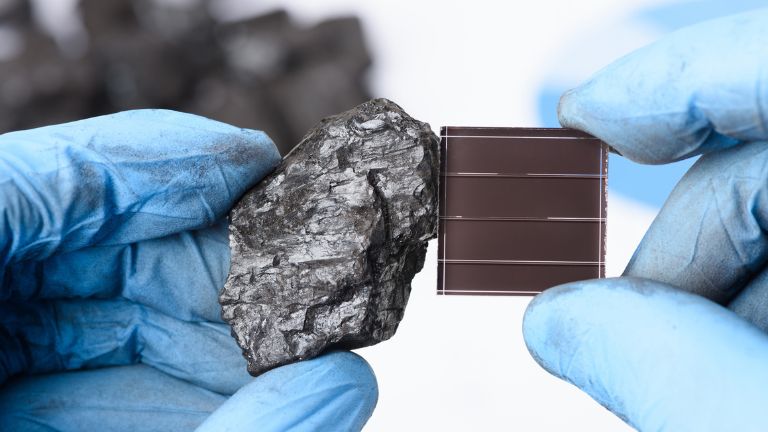
Anthracology plays a key role in preventive excavations: by studying archaeological coals, it sheds light on past human practices and paves the way for carbon dating...
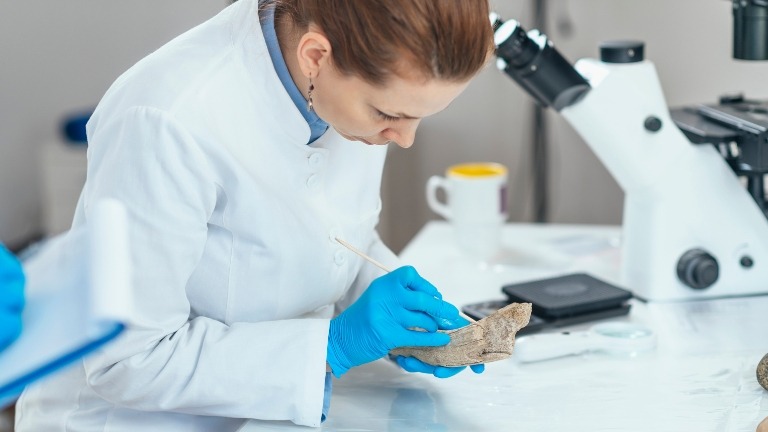
What methods are suitable for dating a fragile artifact, tracing the origin of a material or identifying millennia-old organic residues? Mass spectrometry provides access to...
The cross-fertilization of dating techniques for archaeology guarantees the reliability of analyses in response to the complexity of the contexts and materials studied. Find out why...