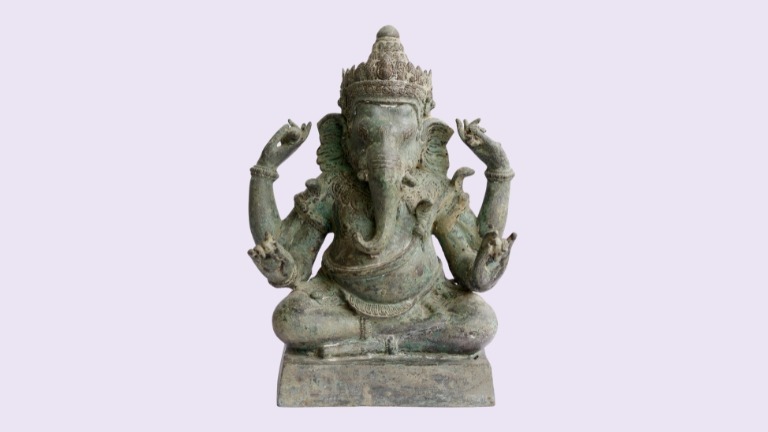

Close-up of a Buddha statue used for artwork authenticity analysis

Assessing the conservation of a work of art

Thanks to cutting-edge scientific analysis techniques, CIRAM helps you understand the condition of your pieces and take appropriate conservation measures.

Contact our teams
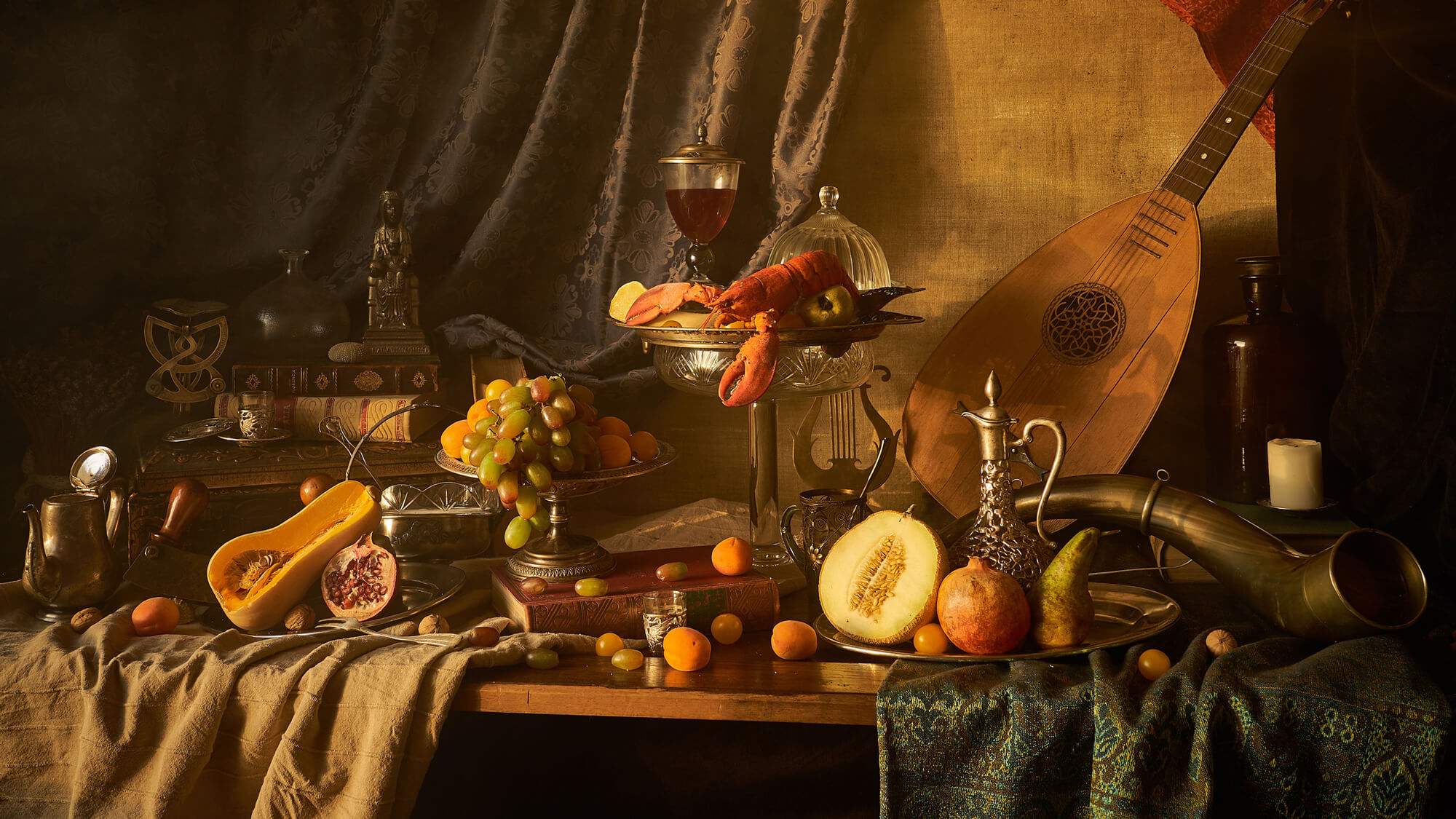
Still life painting assessed for conservation and condition analysis

Would you like to assess the conservation of a work of art?

Assessing the conservation of a work is essential to guarantee its longevity and value. Through this process, museums, collectors, and art professionals can:

  • Preventing future deterioration: identifying early signs of deterioration, such as changes in the paint, sculpture, or materials, allows for prompt conservation measures.
  • Ensure optimal preservation: know exactly what type of restoration is necessary to preserve the integrity of the work of art while respecting its authenticity.
  • Enhance the value of the work: an optimal state of conservation can increase the value of a work of art when it is sold or exhibited.

Trust CIRAM to assess the conservation of your pieces with rigor and expertise.

Contact our teams

They trust us

The greatest museums and art professionals trust us for the assessment of the conservation of their works of art.

The National Gallery logo
Sotheby's logo
Palace of Versailles logo
Journey Through the Worlds Logo
Institut Pasteur logo
Louvre Museum logo
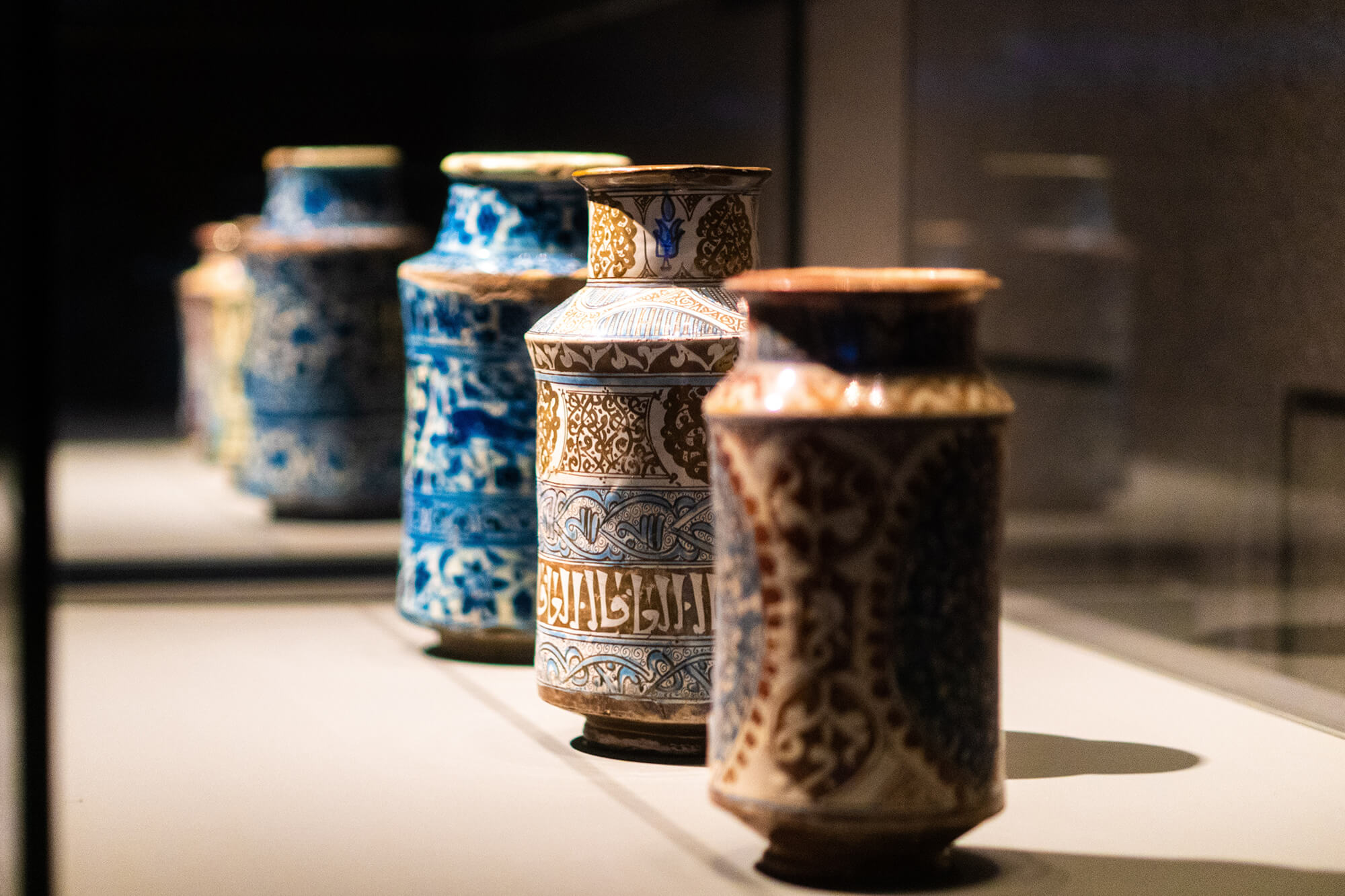
Assortment of ceramic and terracotta objects

Our analysis techniques for assessing the conservation of a work of art

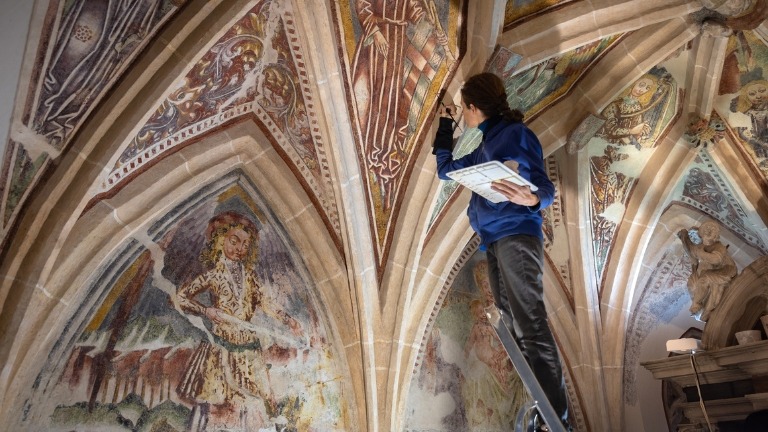
To assess the conservation of a work of art, CIRAM offers specialized analyses based on cutting-edge scientific techniques. These techniques make it possible to identify the physical, chemical, and biological alterations of the work:

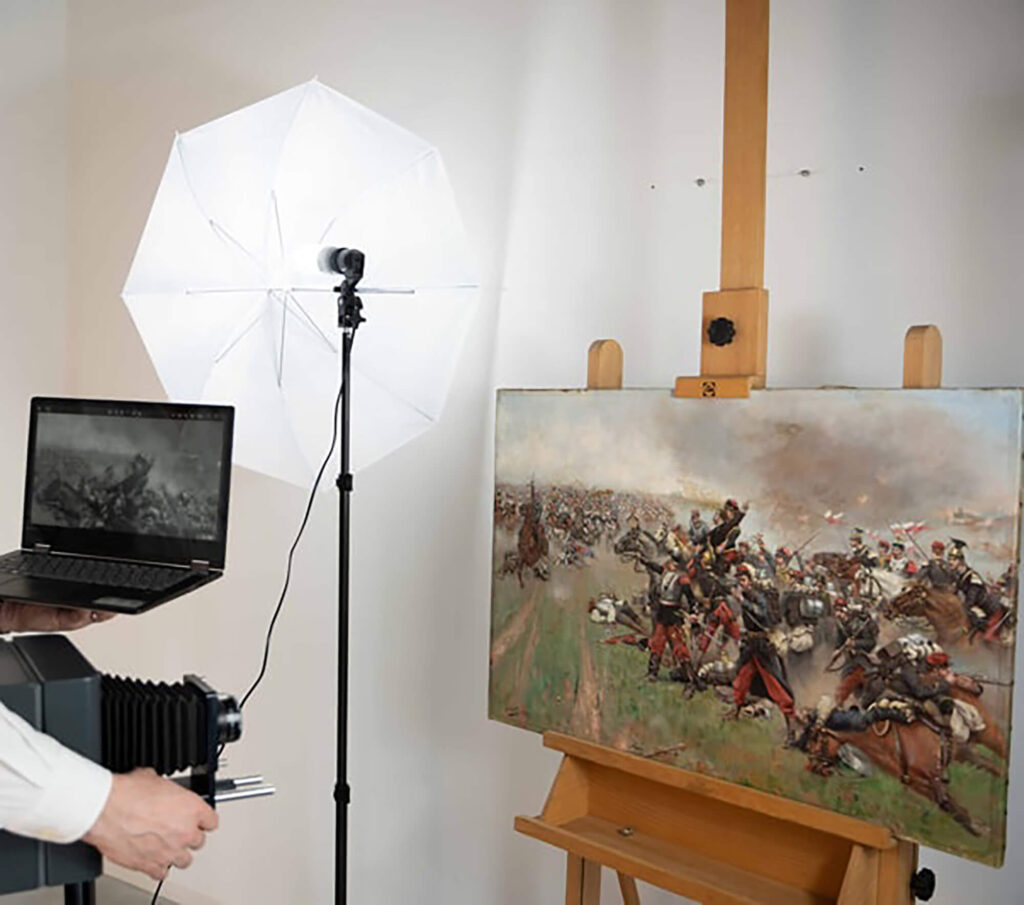
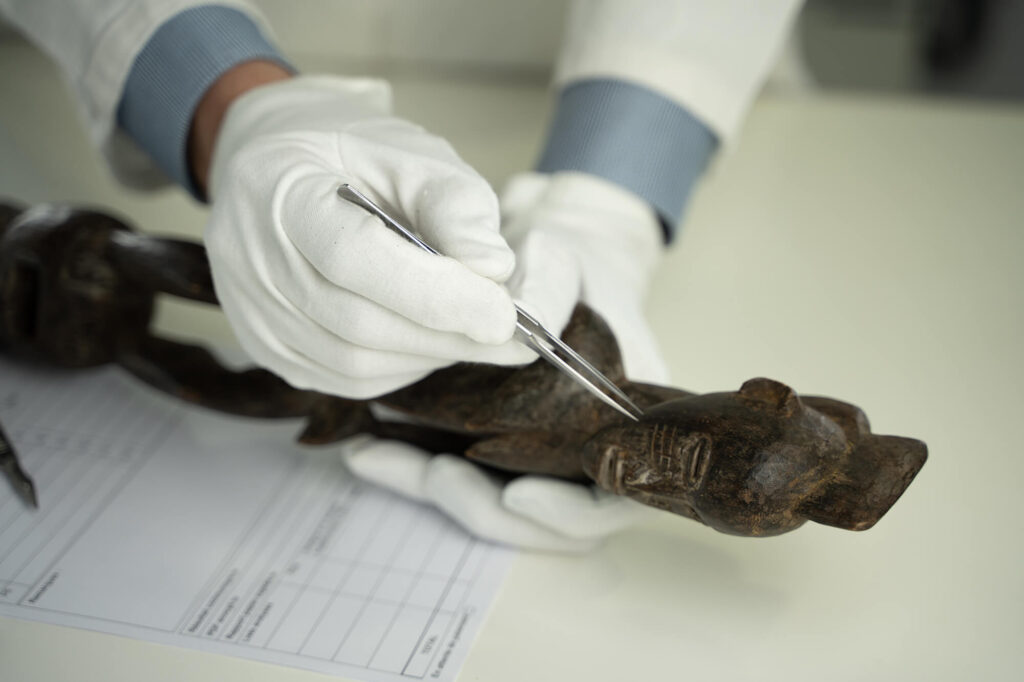
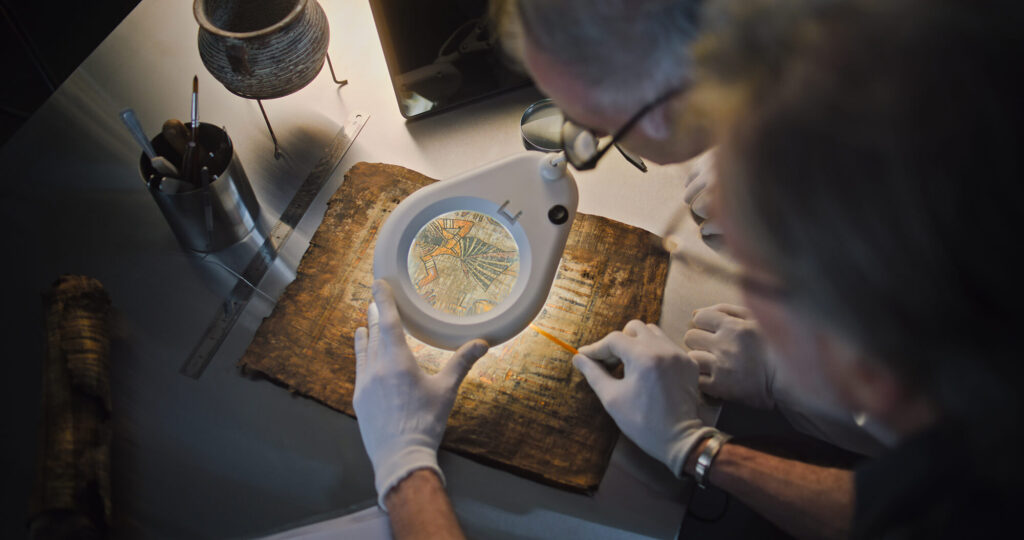
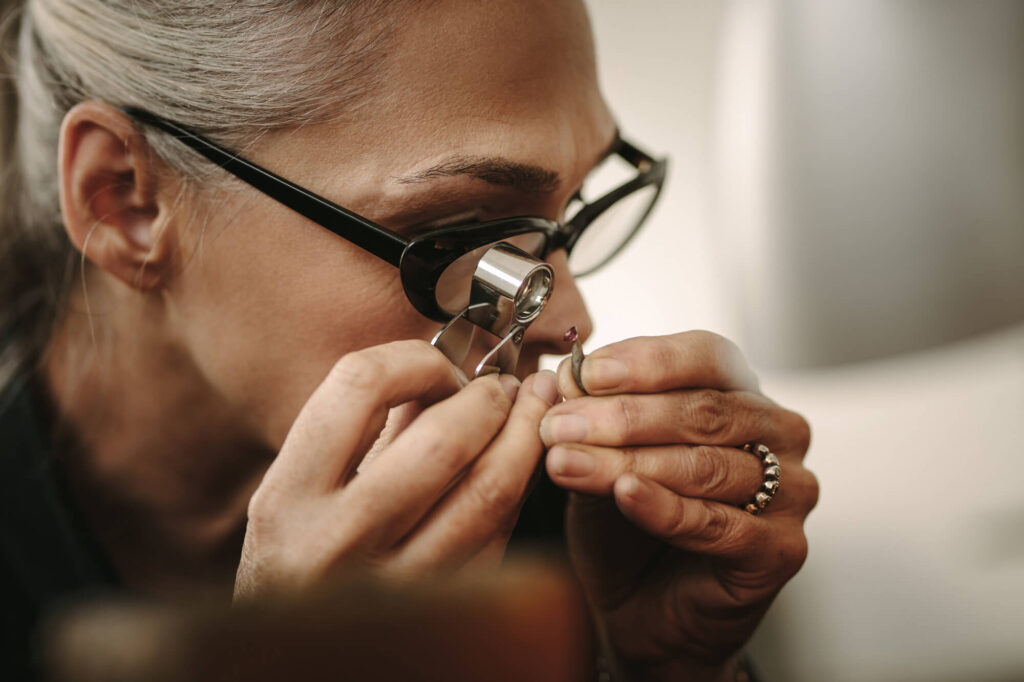
  • Visual and microscopic examination: an initial diagnosis is made by observing under a microscope or through in-depth visual tests to detect visible signs of degradation.
  • Analysis of materials and pigments: by microanalysis or FTIR or Raman spectrometry, we identify the materials used and assess their condition.
  • Radiocarbon dating: for organic materials, carbon-14 dating makes it possible to know the age of the work and to better understand its conservation context.

Our team of experts selects the most appropriate techniques according to the nature of your objects and your problems.

Find out more about our analysis methods

How does CIRAM evaluate the conservation of a work of art?

The conservation assessment process for a work of art at CIRAM follows a rigorous and transparent procedure:

01 - Making contact and defining requirements

We are discussing with you to understand the evaluation objectives (preservation, restoration, sale).

02 - Sample selection and dispatch

If necessary, we can guide you in the selection and dispatch of samples for analysis, taking care to preserve them during transport.

03 - Choice of techniques

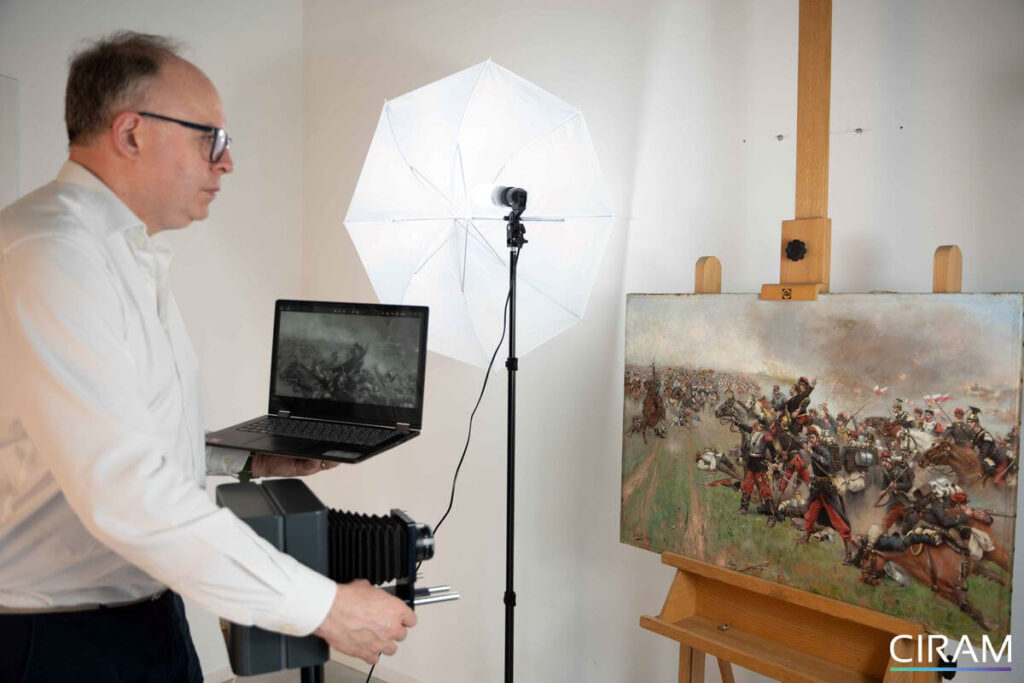
Depending on the materials, state of preservation, and presumed dating, we determine the most suitable methods (carbon 14, spectrometry, imaging…).

04 - Scientific analysis

Our experts conduct in-depth laboratory analyses to assess the condition of materials and conservation techniques.

05 - Detailed report

At the end of the analysis, we provide you with a detailed report including findings, recommendations and possible action to be taken.

Why choose CIRAM to evaluate the conservation of a work of art?

CIRAM is the partner of choice for the evaluation of art conservation thanks to:

  • Recognized expertise: with over 20 years of experience in analysis and conservation, CIRAM is a key player in the art sector.
  • State-of-the-art equipment: we use the latest scientific technologies to guarantee reliable, accurate results.
  • Personalized support: our experts are with you every step of the way, providing advice tailored to your specific needs.
  • Prestigious references: many museums and collectors trust us to appraise and preserve their works.

Trust CIRAM for reliable and relevant carbon 14 dating, carried out in compliance with the strictest scientific standards.

Contact our teams

Are you asking yourself these questions?

What types of works can be assessed for conservation?

We appraise paintings, sculptures, archaeological objects, textiles and antique furniture according to the materials and techniques used.

What techniques are used to assess the conservation of a work of art?

We use techniques such as microscopic examination, infrared or Raman spectrometry and carbon-14 dating for organic materials.

How long does a conservation assessment take?

Depending on the complexity of the work, evaluation can take from a few days to several weeks.

How much does a conservation appraisal cost?

Costs vary according to the work and analyses required. Contact us for a personalized quote.

What kind of reports do we receive after the assessment?

You will receive a report detailing the state of conservation of the work, with recommendations for its preservation.

Make an appointment with an expert

Get all the answers to your questions!

Make an appointment

Your other challenges in the art market

Verifying the authenticity of a painting

Check the historical compatibility of a painting by studying the pigments, binder and support used in relation to the period advertised.

Detecting a sculpture copy

Analyze the composition of materials to distinguish an old work from a modern reproduction, even if it has been cast or restored.

Dating an old work
Dating an old work

Use radiocarbon dating to accurately determine the age of your wood carving, ancient manuscript, painting or any other organic material, such as ivory...

Authenticating a work of art

Check whether your art object is genuine, thanks to scientific analyses adapted to its nature, origin and presumed period.

Explore our dating and analysis resources

Art market
The scientific analysis of a painting

The scientific analysis of a painting

The scientific analysis of a painting combines several methods to study its support, materials, manufacturing technique, state of conservation, and authenticity.
Read the article

Art market
How to differentiate bronze and brass?

How to differentiate bronze and brass?

Recognizing bronze from brass: visual tips, pitfalls to avoid and reliable analyses for experts, collectors and art enthusiasts.

Read the article

Art market
How to recognize a forged signature on a painting?

How to recognize a forged signature on a painting?

A signature can weigh heavily in the appraisal of a painting. However, it alone does not guarantee the authenticity of a work.

Read the article

Art market
How to recognize an authentic bronze object?

How to recognize an authentic bronze object?

Knowing how to recognize an authentic bronze is a strategic issue for art professionals in order to protect themselves from forgeries. Each clue can reveal or betray the origin of a piece.

Read the article

Art market
Why choose non-destructive analysis for your art objects?

Why choose non-destructive analysis for your art objects?

Thanks to these techniques, it is now possible to access valuable information regarding pigments, restorations, and the internal structures of an artwork without taking any samples.

Read the article

Art market
Optical imaging and X-ray radiography: what are the differences and which technique to choose?

Optical imaging and X-ray radiography: what are the differences and which technique to choose?

Should one favor optical imaging or radiography to analyze an artwork, an archaeological object, or an industrial material?

Read the article

Request a quote