Archaeology
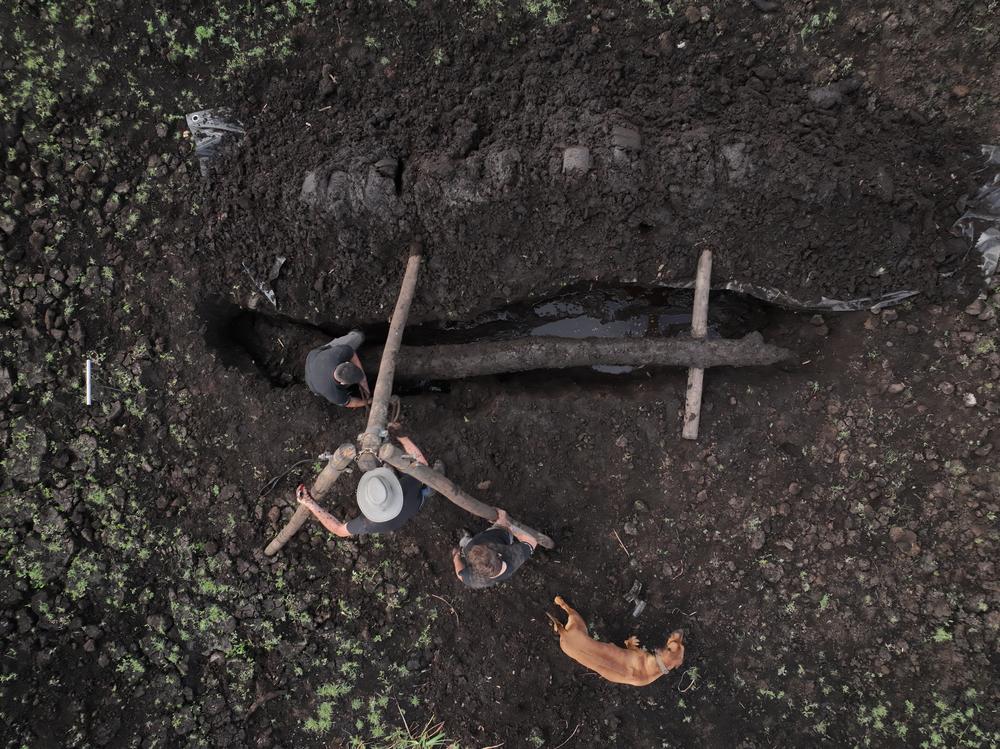
Fossil wood samples dated by the CIRAM laboratory
The CIRAM has dated two fossil woods whose exceptional preservation is explained in particular by their burial in a humid, oxygen-poor environment.

Find out all the latest CIRAM news on analysis, in the worlds of archaeology, art and industry.
The CIRAM has dated two fossil woods whose exceptional preservation is explained in particular by their burial in a humid, oxygen-poor environment.
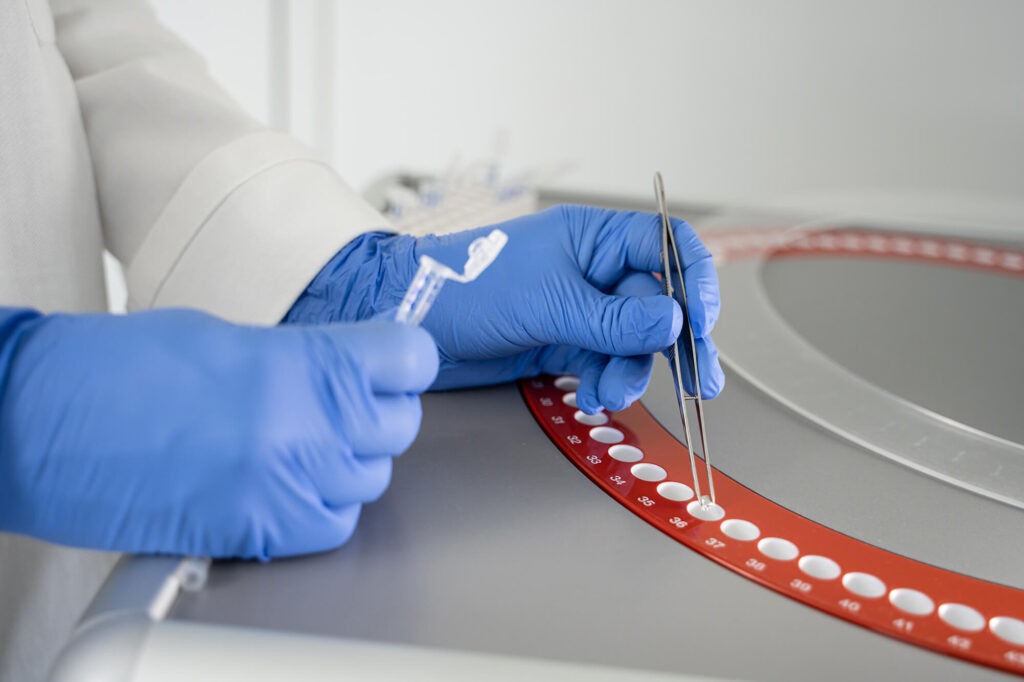
An essential dating method, carbon-14 or radiocarbon is used to date archaeological artifacts, authenticate works of art, or measure the content biobased.

Find out what biobased products are, what their advantages are, and how manufacturers are integrating them to transform their practices.
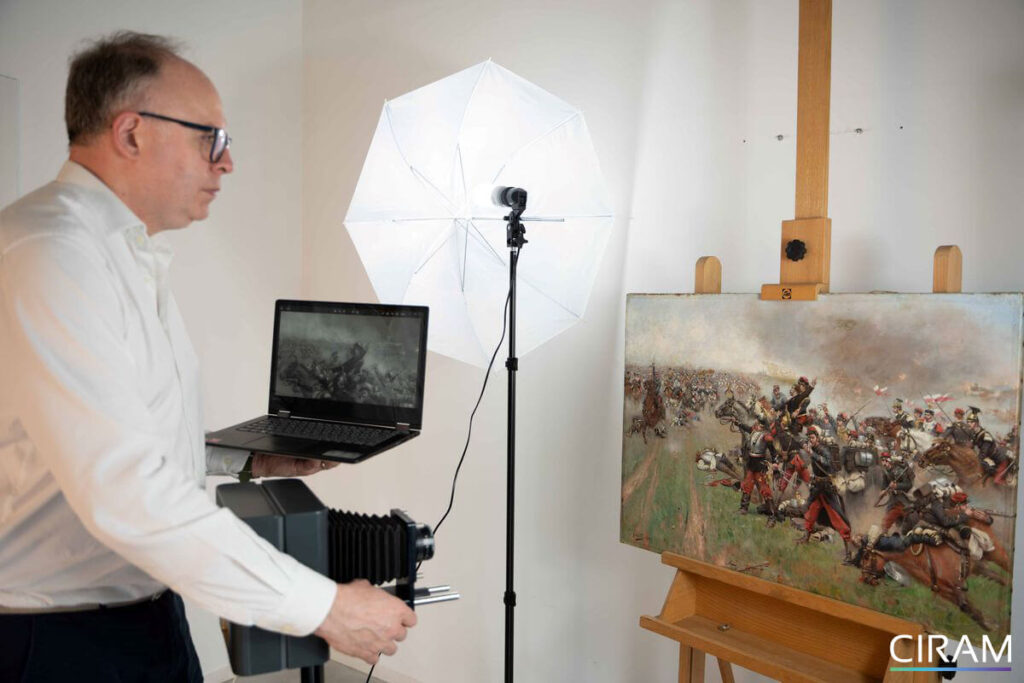
The scientific analysis of a painting combines several complementary methods for studying its support, materials, manufacturing technique, state of conservation, and a...
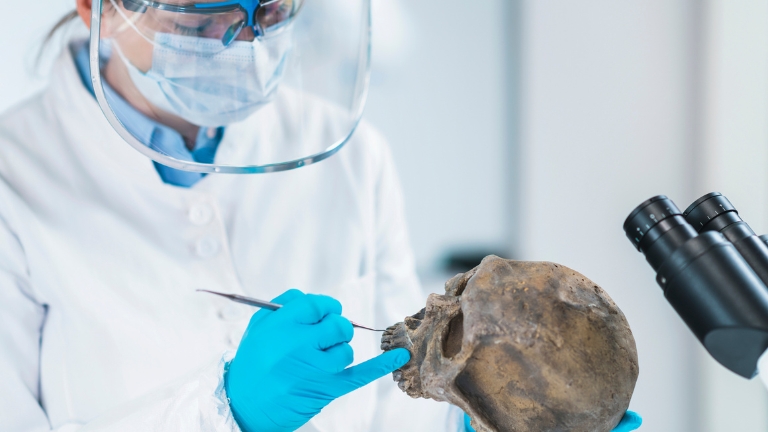
Choosing the right dating method in archaeology is not just a technical issue: it is a key decision that guides the entire interpretation of a site. Which technique to choose...

How can you authenticate a work of art or an archaeological relic with scientific rigor? Carbon-14 dating offers a reliable and precise method for analyzing organic materials...

How do you know whether a work of art, an archaeological object or a heritage item is really as old as it claims to be? Carbon-14 dating is often the method of choice, but it can also be used to...
How can we guarantee the reliability of archaeological dating in a context where every year counts? Find out why carbon-14 calibration curves and laboratory expertise...
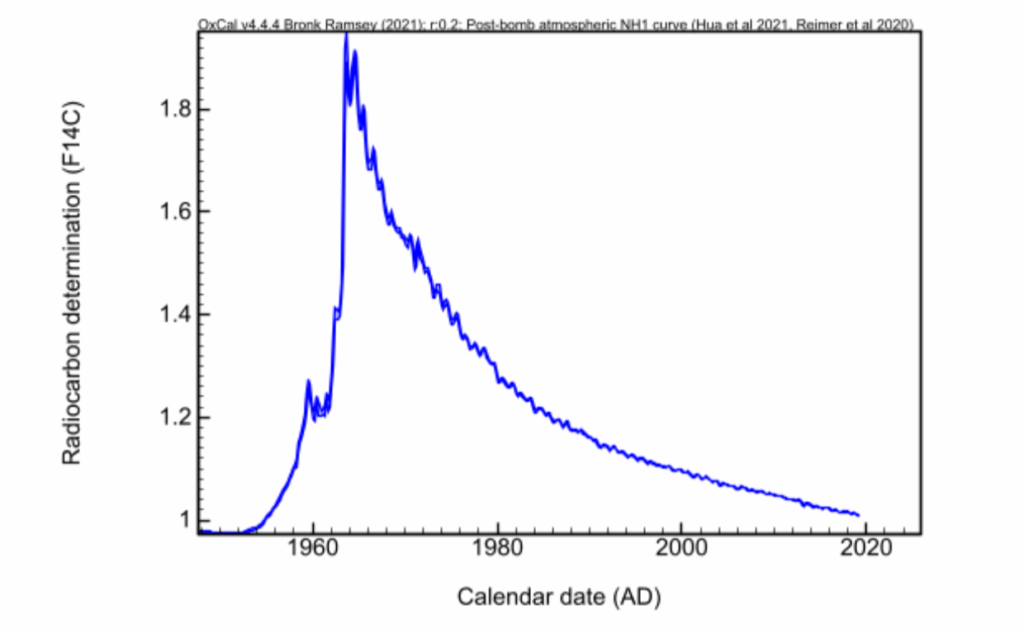
Atmospheric nuclear testing in the 20th century left a measurable imprint on organic matter: the post-bomb effect. Today, this characterization of carbon 14 is a...
The CIRAM has dated two fossil woods whose exceptional preservation is explained in particular by their burial in a humid, oxygen-poor environment.
An essential dating method, carbon-14 or radiocarbon is used to date archaeological artifacts, authenticate works of art, or measure the content biobased.
Find out what biobased products are, what their advantages are, and how manufacturers are integrating them to transform their practices.
The scientific analysis of a painting combines several complementary methods for studying its support, materials, manufacturing technique, state of conservation, and a...
Choosing the right dating method in archaeology is not just a technical issue: it is a key decision that guides the entire interpretation of a site. Which technique to choose...
How can you authenticate a work of art or an archaeological relic with scientific rigor? Carbon-14 dating offers a reliable and precise method for analyzing organic materials...