TL/OSL dating

TL/OSL dating

Luminescence dating (TL / OSL) is a valuable method for dating archaeological materials. archaeological materials such as ceramic shards, building bricks, hearthstones and sediments.

Contact our teams
Principle of luminescence dating (TL/OSL)

Principle of luminescence dating (TL/OSL)

Luminescence dating measures the irradiation accumulated in quartz and feldspar crystals as a result of natural radioactivity, self-irradiation and cosmic radiation.

This energy is trapped in the defects of the crystal lattice and released in the form of light when stimulated: by heating for thermoluminescence (TL) or by exposure to a light source for optically stimulated luminescence (OSL).

The intensity of this luminescence is proportional to the time elapsed since the last heating or exposure to light, offering precise dating of ancient mineral materials.

Request a quote
DSC00706

The benefits of luminescence dating (TL/OSL) in archaeology

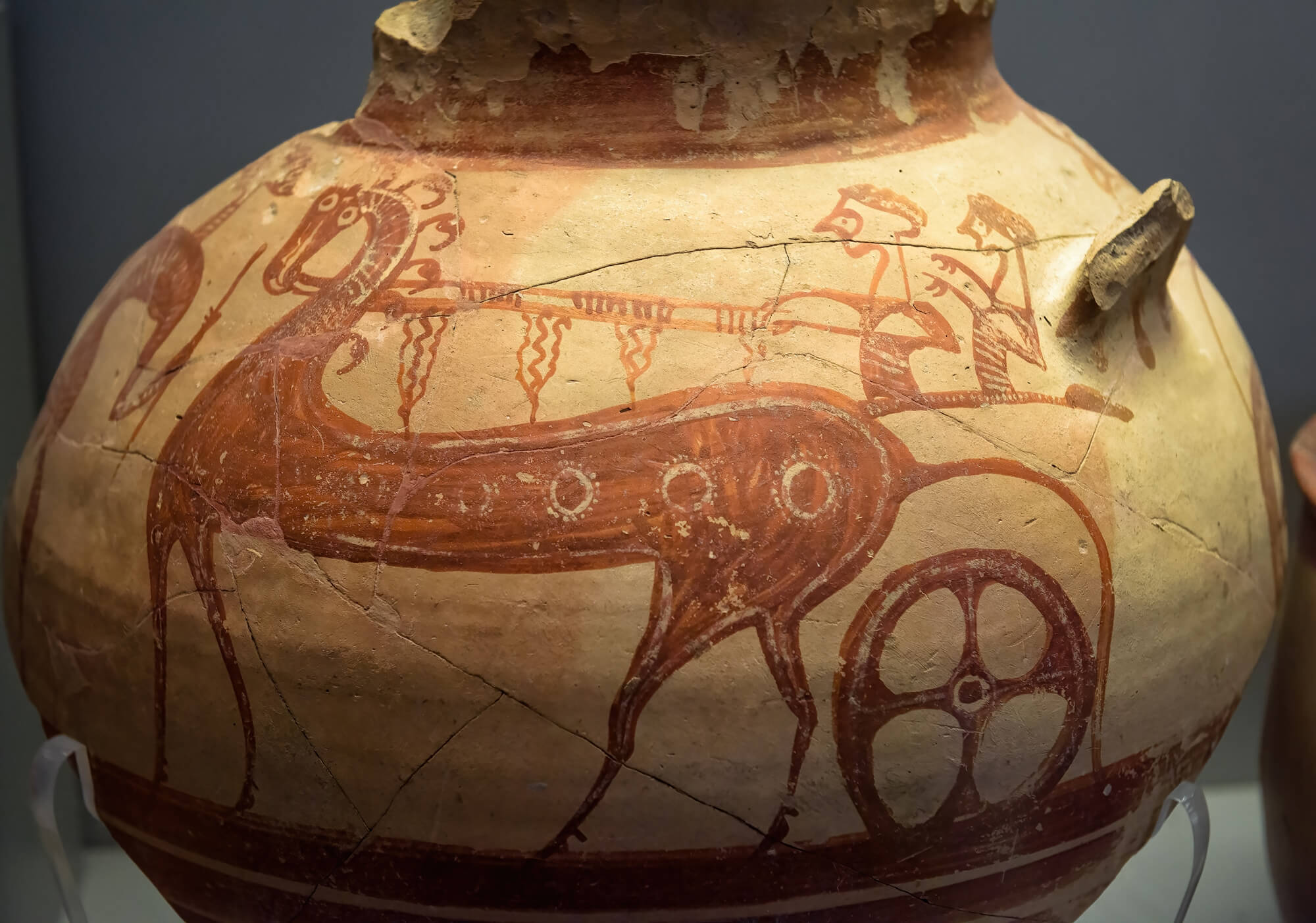
TL/OSL dating can be used to assess the age of mineral materials that have been heated or exposed to light, such as terracottahearthstones and sediments. Unlike carbon 14, which is limited to organic materials, it applies to mineral artifacts and sedimentary environments.

However, the accuracy of the results depends on the archaeological context, including burial conditions and ambient radioactivity levels. Combined with other chronological methods, it can be used to refine dating and obtain more precise temporal reconstructions.

Contact our teams
shutterstock 2249747079

Luminescence dating,
state-of-the-art analysis for your chronological problems

TL/OSL dating plays a key role in the chronological reconstruction of archaeological sites. By comparing the ages of sediments and artefacts, researchers can establish a temporal sequence of human and environmental events.

Combined with other methods, such as carbon-14 datingdating, it enhances the reliability of interpretations.

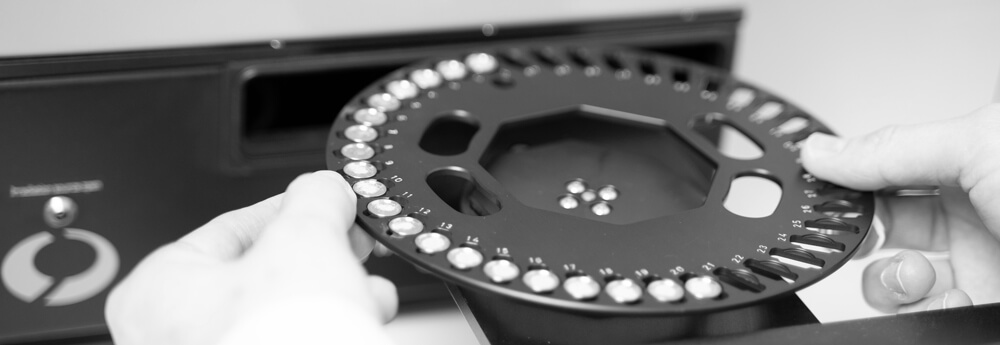
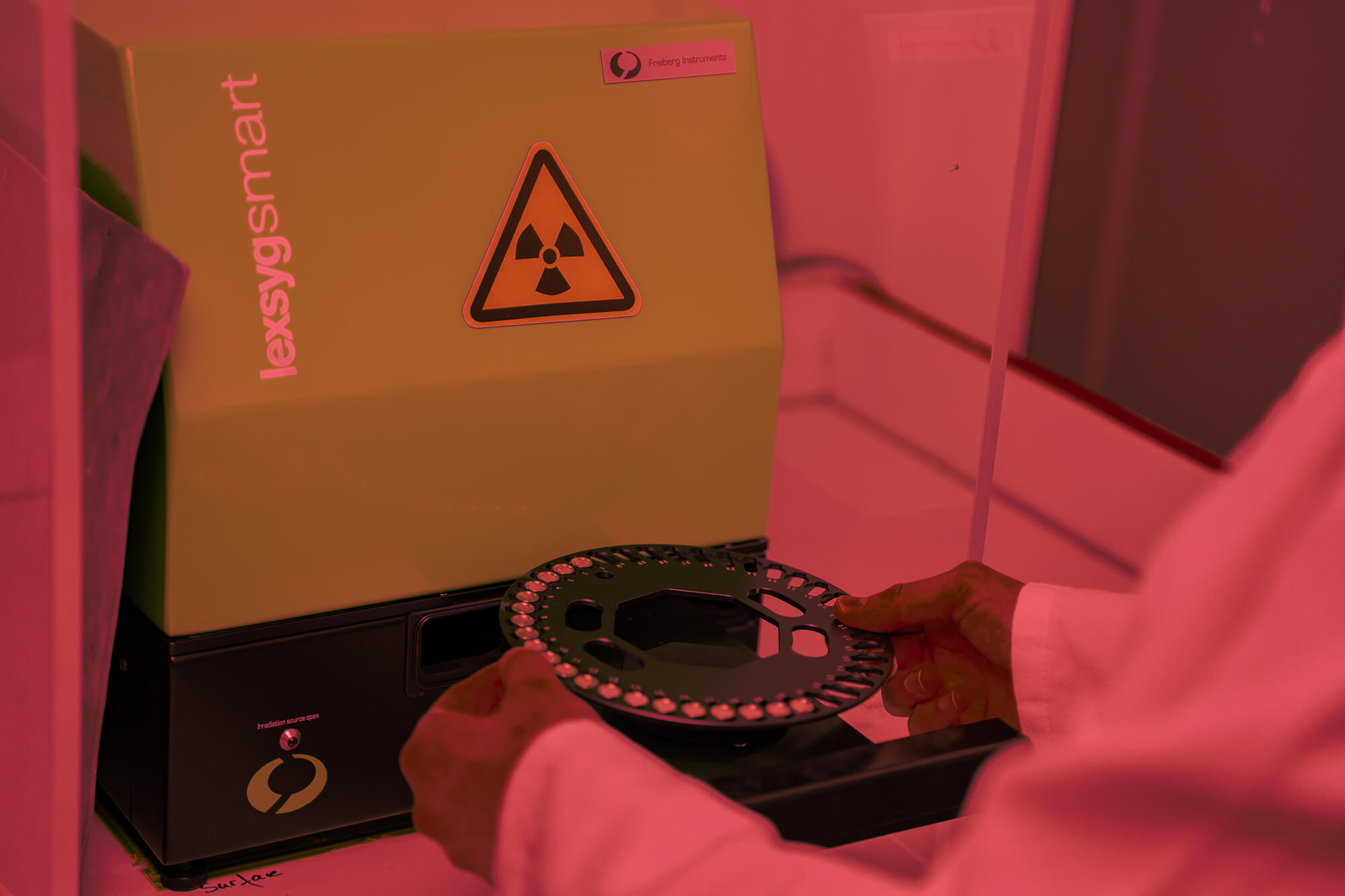
The CIRAM laboratory draws on recognized expertise and advanced technologies. Its team of doctors and engineers qualifies artifacts and analyzes mineralogical and geochemical properties for appropriate treatment. State-of-the-art instrumentation includes a Lexyg Smart TL-OSL reader and a Germanium detector gamma spectrometer for measuring natural radioactivity. Finally, rigorous protocols aligned with international standards guarantee accurate and reliable results.

Request a study

TL-OSL dating stages

01 - Archaeological dose measurement

The archaeological dose, or equivalent dose (QNAT), corresponds to the amount of irradiation accumulated by minerals since they were last heated or exposed to sunlight. It is determined in the CIRAM laboratory using the Lexyg Smart TL/OSL reader.

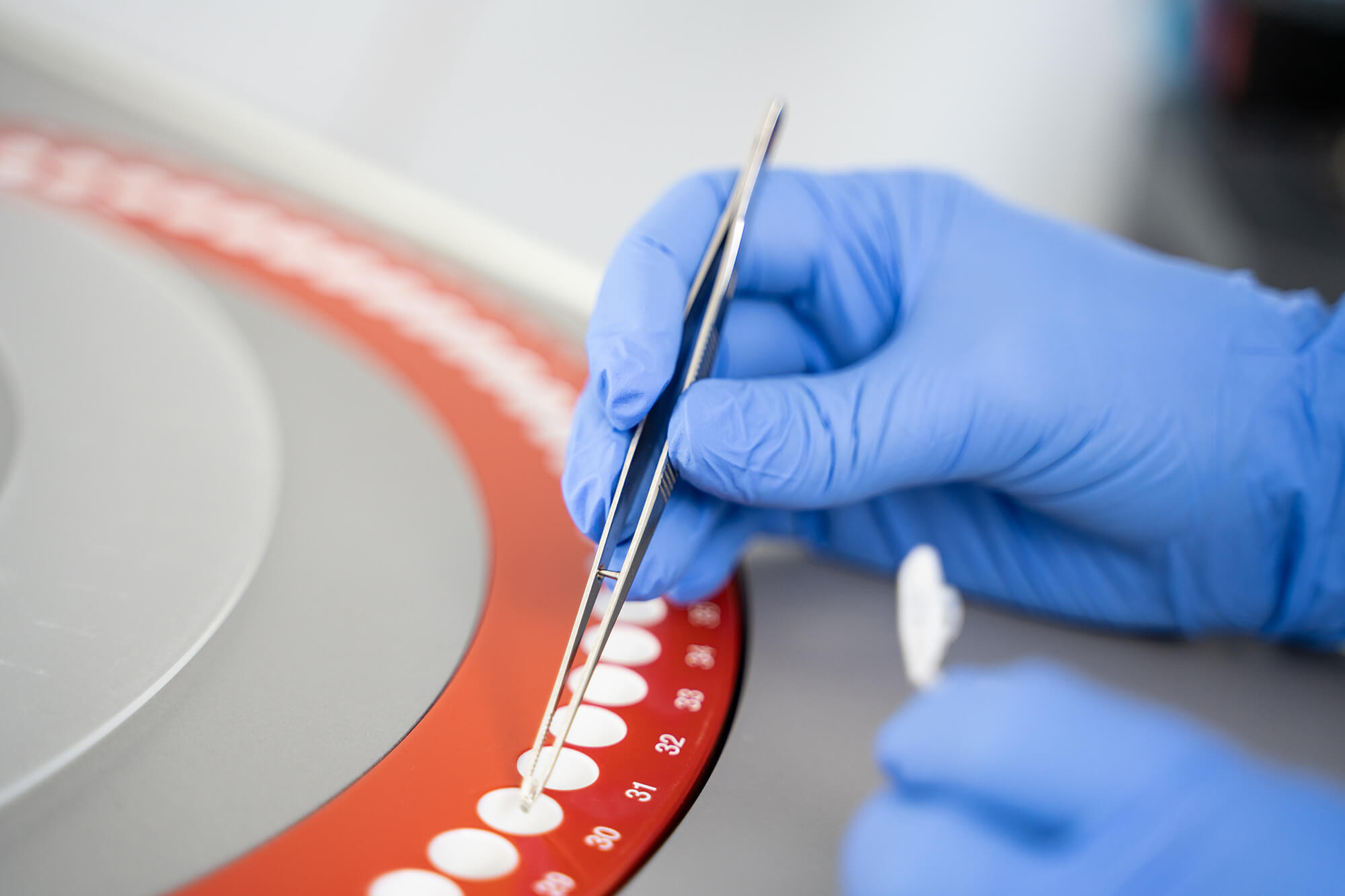
Prior to analysis, samples are first chemically treated (hydrochloric acid, hydrogen peroxide, acetone, ethanol and arium ® comfort I demineralized water (H2O-I-...)) to remove contaminants such as carbonates and organic matter.

Granulometric sorting is then carried out to retain only grains between 40 and 120 µm. Finally, analysis is carried out on a minimum of 40 aliquots per sample, with at least three doses of irradiation added to calibrate the results.

02 - Annual dose

The annual dose is the amount of irradiation received by the crystals every year. There are three sources of natural irradiation:

  • Self-irradiation, generated by radioactive elements in the object itself.
  • Environmental irradiation, from surrounding sediments within a radius of around one meter.
  • Cosmic irradiation, from space radiation reaching the Earth's surface.

This value varies according to the burial context and the composition of the surrounding materials. To determine it, the CIRAM laboratory measures uranium, thorium and potassium concentrations, both in the sample studied and in its sedimentary environment.

03 - Age calculation

The age of a sample is obtained by dividing the archaeological dose by the annual dose. This operation precisely dates the last thermal event for TL or the last exposure to light for OSL.

Thanks to strict protocols and state-of-the-art equipment, the CIRAM laboratory provides reliable results, essential for the study of archaeological and geological materials.

CIRAM, specialist in luminescence dating for archaeology

The CIRAM laboratory offers many other analytical techniques to provide a complete approach to archaeological objects and remains: carbon-14 dating, anthracology/xylology, organic residue analysis and isotope analysis.

Using methods and equipment similar to those used by public institutes and universities, CIRAM has positioned itself as a key player in the field of archaeological analysis and dating, offering top-quality services to our customers.

For more information about our services and to find out how we can help you with your research and conservation projects, contact CIRAM today and request a survey.

Contact our teams

Are you asking yourself these questions?

How is TL/OSL dating useful in archaeology?

It can be used to date heated mineral artifacts (ceramics, bricks, hearthstones) and sediments, providing a reliable chronology for the occupation of archaeological sites.

How does TL/OSL dating complement carbon-14 dating in archaeology?

Unlike carbon-14, which is limited to organic materials, TL/OSL can be used to date mineral materials, thus broadening the scope of chronological analysis.

What factors influence the accuracy of TL/OSL dating in archaeology?

Variations in humidity, disruption of sedimentary layers and post-depositional modifications can impact the accuracy of results.

How long does it take to obtain TL/OSL dating results?

The entire process generally takes between 4 and 6 months. Times may vary depending on the type of sample, the complexity of the analysis and the volume of requests.

How much does TL/OSL dating cost?

The cost of TL/OSL dating depends on the nature of the sample, the complexity of the analysis and the number of samples to be analyzed. Please contact us for a personalized quotation.

Make an appointment with an expert

Get all the answers to your questions!

Make an appointment

Explore our dating and analysis resources

Archaeology
Comparison between carbon-14, TL, and OSL: which method should you choose?

Comparison between carbon-14, TL, and OSL: which method should you choose?

Choosing the right dating method in archaeology is not just a technical issue: it is a key decision that guides the entire interpretation of a site. Which technique to choose...

Read the article

Archaeology
The limits of carbon-14 dating: when should we turn to other methods?

The limits of carbon-14 dating: when should we turn to other methods?

How do you know whether a work of art, an archaeological object or a heritage item is really as old as it claims to be? Carbon-14 dating is often the method of choice, but it can also be used to...

Read the article

Archaeology
What role does anthracology play in preventive excavations?

What role does anthracology play in preventive excavations?

Anthracology plays a key role in preventive excavations: by studying archaeological coals, it sheds light on past human practices and paves the way for carbon dating...

Read the article

Archaeology
Mass spectrometry in archaeology: what for?

Mass spectrometry in archaeology: what for?

What methods are suitable for dating a fragile artifact, tracing the origin of a material or identifying millennia-old organic residues? Mass spectrometry provides access to...

Read the article

Archaeology
Dating for archaeology: why combine several methods?

Dating for archaeology: why combine several methods?

The cross-fertilization of dating techniques for archaeology guarantees the reliability of analyses in response to the complexity of the contexts and materials studied. Find out why...

Read the article

Archaeology
The importance of calibration in carbon-14 dating

The importance of calibration in carbon-14 dating

How can we guarantee the reliability of archaeological dating in a context where every year counts? Find out why carbon-14 calibration curves and laboratory expertise...

Read the article

Request a quote