



Fossil wood samples dated by the CIRAM laboratory
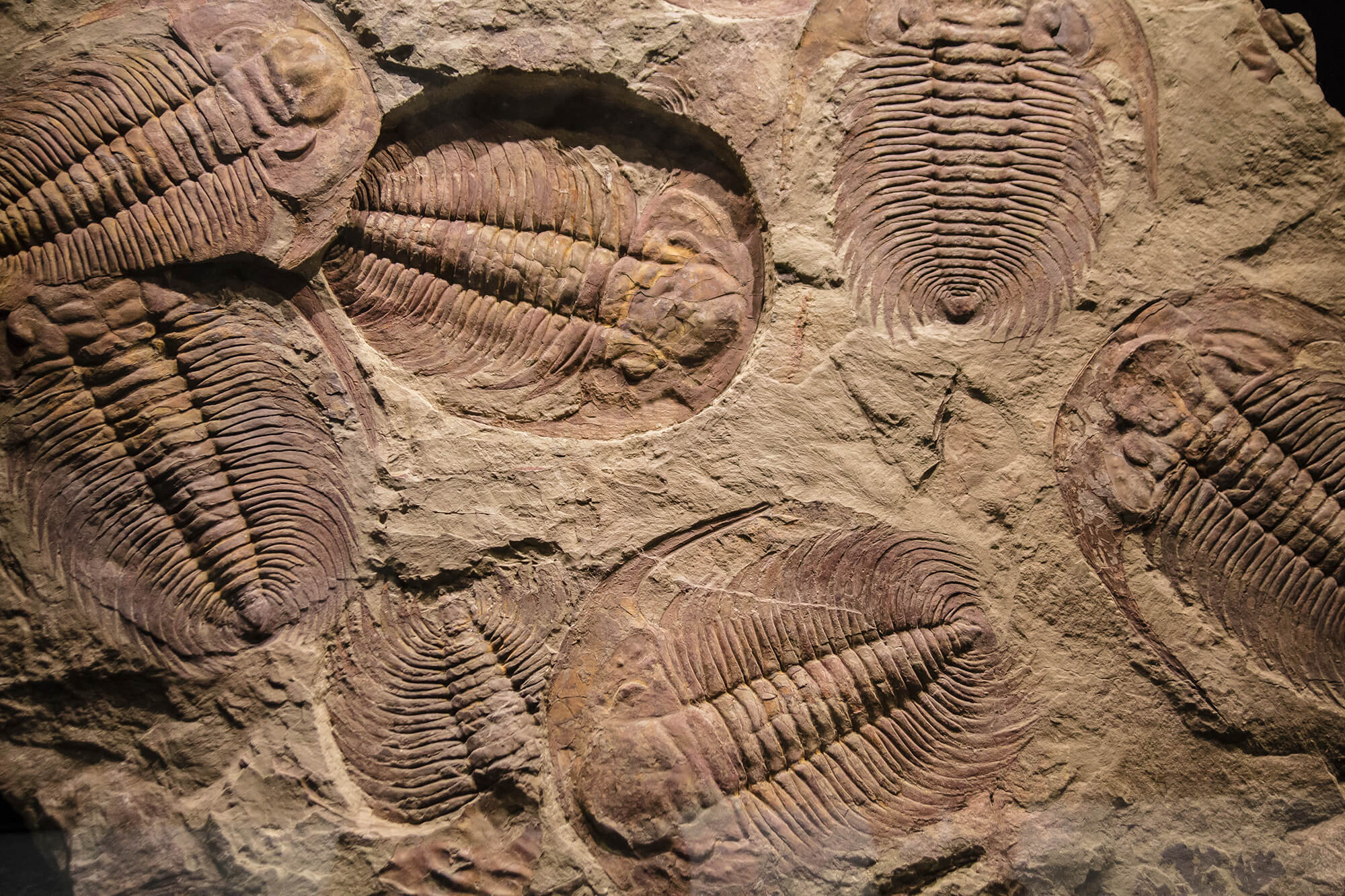
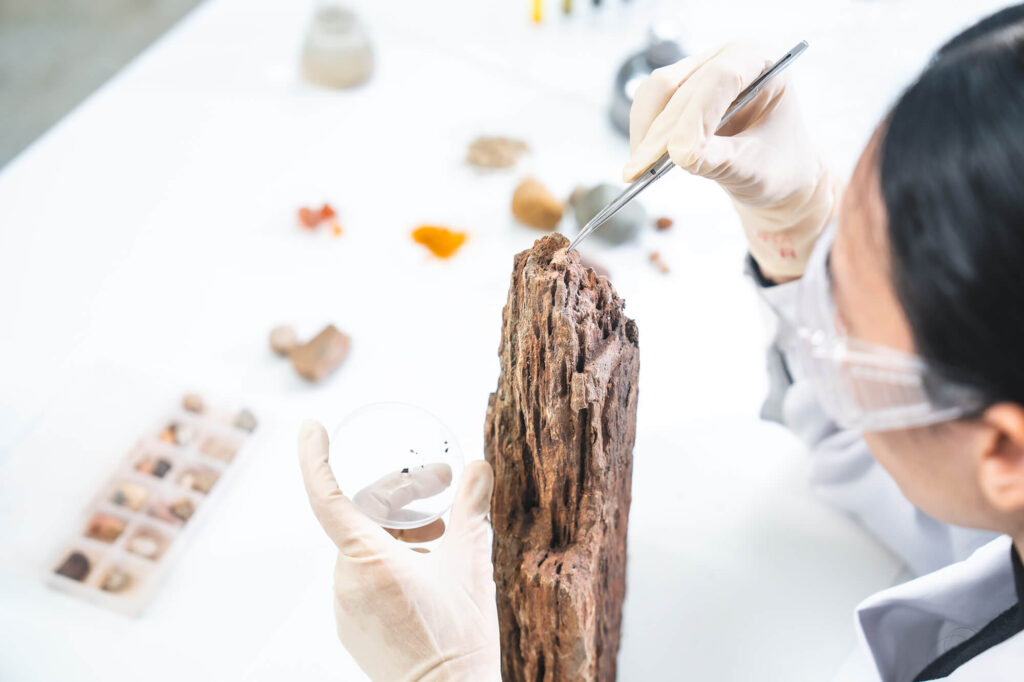
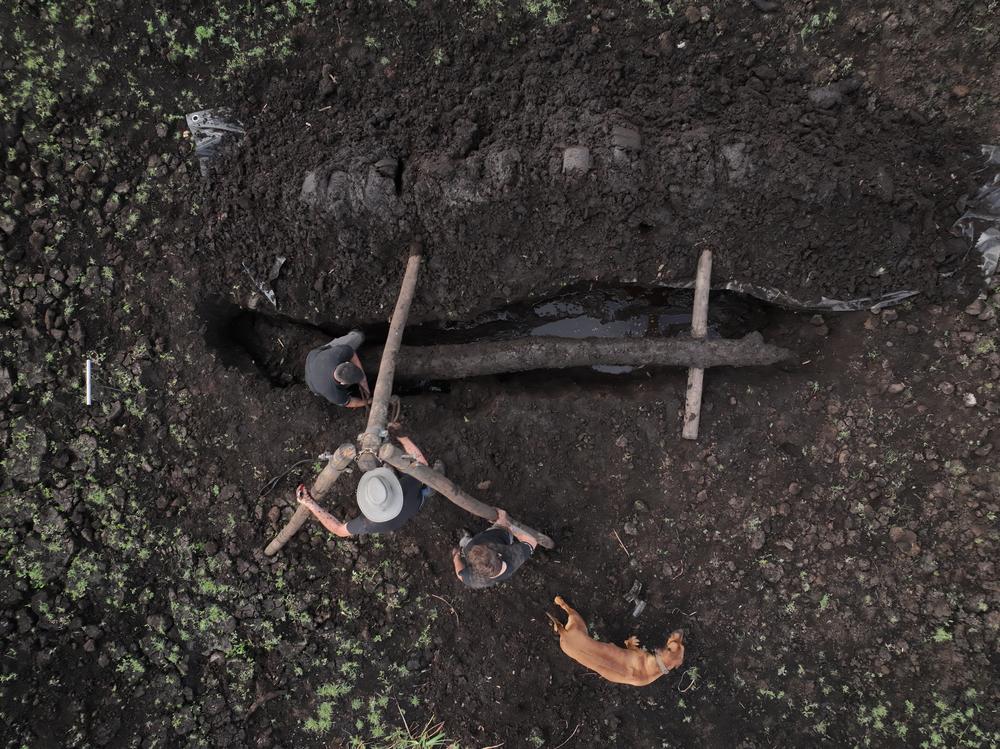
The CIRAM has dated two fossil woods whose exceptional preservation is explained in particular by their burial in a humid, oxygen-poor environment.
At CIRAM, we put our expertise in archaeometry at the service of archaeologists, museums, and institutions for reliable luminescence dating (OSL) adapted to the study of sedimentary deposits.
Contact our teams
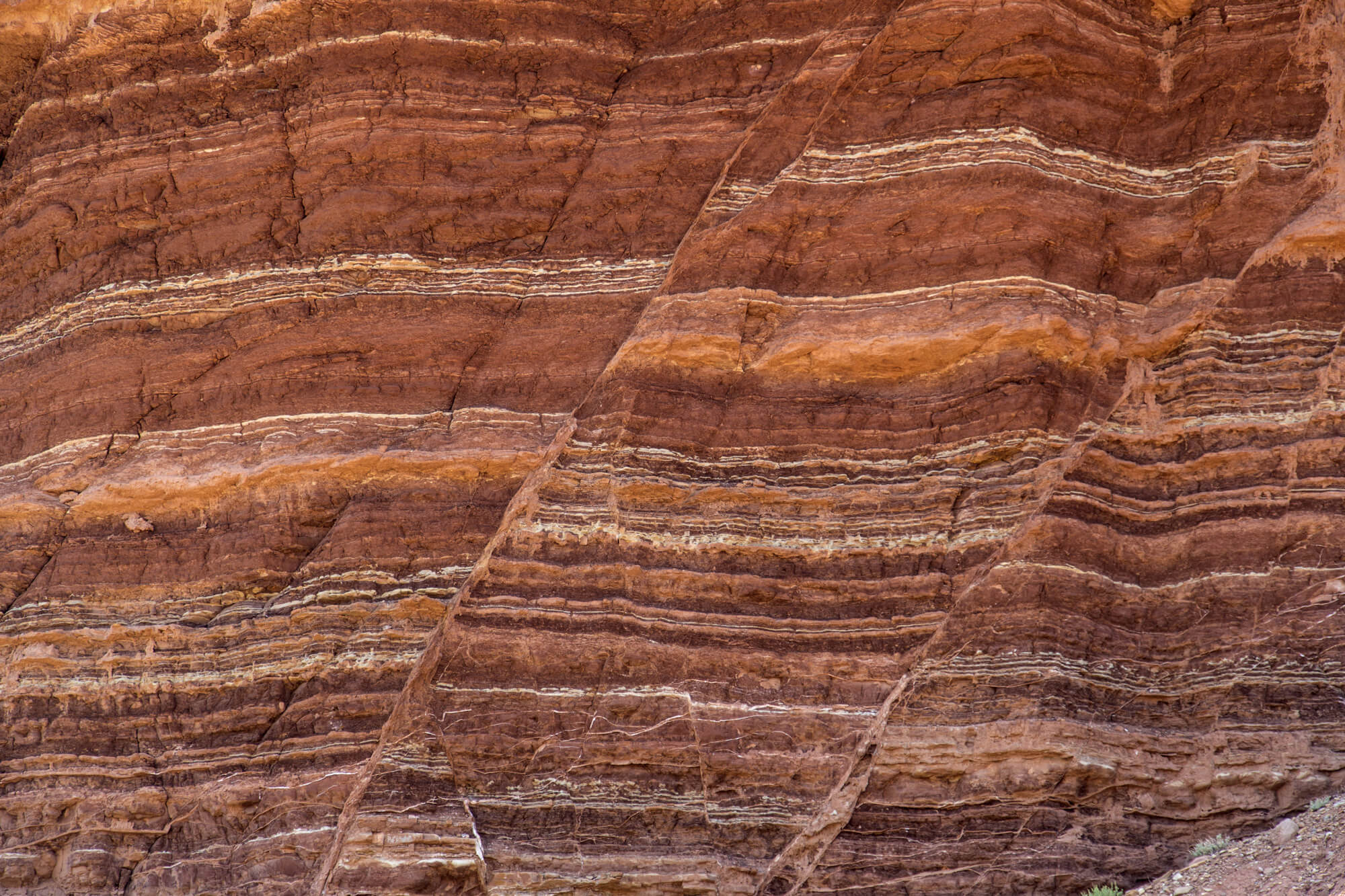
Optically stimulated luminescence (OSL) dating is an essential method for dating the last exposure of sediments to light. It allows for the reconstruction of the chronology of burial-related events, such as site occupation, ditch excavation, dune formation, or the use of a burial mound.
Unlike radiocarbon dating which applies to organic materials, OSL dates the minerals (quartz or feldspar)contained in sands or silts. It thus makes it possible to date contexts where organic remains are absent or poorly preserved.
At CIRAM, we're with you every step of the way, from advice on sampling to analysis and interpretation of results, guaranteeing rigorous protocols.
Contact our teams
For dating sediments by OSL, we implement a controlled analytical chain:
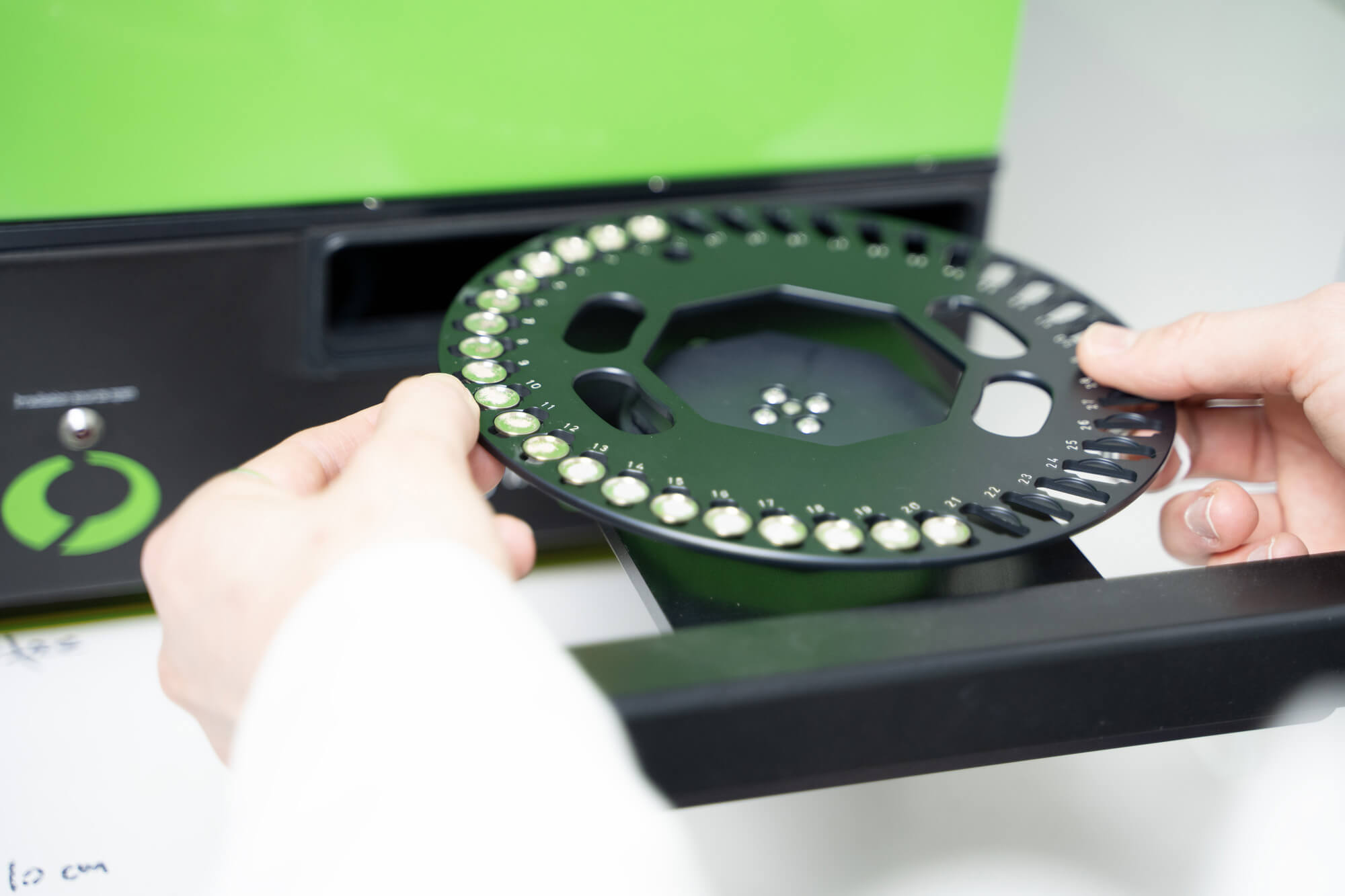
Our facilities are specifically equipped to guarantee the reliability of results, with handling devices under red light, protected analysis chambers, and advanced calculation software.
Find out more about OSL datingThe OSL analysis process at CIRAM suit un protocole rigoureux :
We work with you to identify the objectives of dating and the specific features of the sedimentary context.
We provide you with a detailed protocol to guarantee unimpaired sampling.
Laboratory processing under controlled conditions.
Analysis of light signals, determination of equivalent dose.
Determination of annual dose.
Calculation of burial age, drafting of a clear and documented report.
Calling on CIRAM to date your sediments means benefiting from:
OSL applies to sands, silts or sediment layers rich in quartz or feldspar. It is used in alluvial, aeolian, colluvial or archaeological contexts.
The method is effective for periods ranging from a few thousand to several hundred thousand years (up to 700,000 years depending on the context).
Approximately 100 to 300 grams of sediment are required. Samples should be taken in opaque tubes, in a dark environment.
Yes, OSL is complementary to carbon 14 or thermoluminescence and enables chronological data to be cross-referenced.
It takes between 3 and 5 months from receipt of the samples to delivery of the report, depending on the age of the samples.
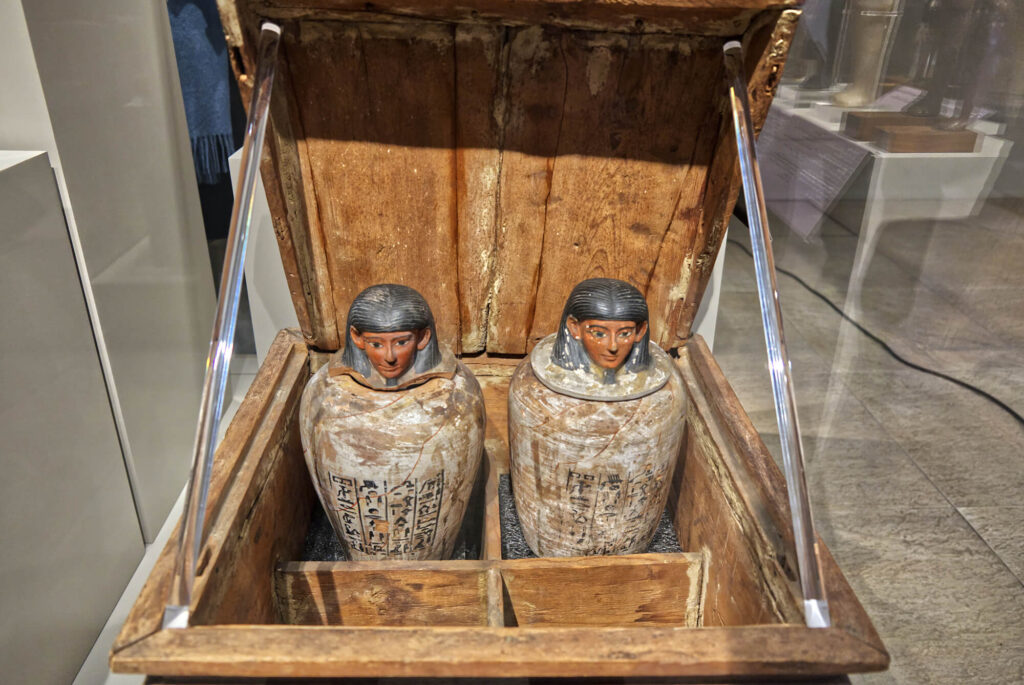
Thanks to 3D imaging and X-rays, you can explore the inside of funeral urns without opening them, revealing their contents and state of preservation.
Obtain precise dates for your organic artifacts using the carbon-14 method, an essential reference in archaeometry.
Thermoluminescence (TL) makes it possible to accurately date heated ceramics, terracotta and minerals by analyzing their last exposure to a heat source.
Identify the composition and age of ancient mortars to better understand construction techniques and chronologically align heritage structures.
The CIRAM has dated two fossil woods whose exceptional preservation is explained in particular by their burial in a humid, oxygen-poor environment.

Choosing the right dating method in archaeology is not just a technical issue: it is a key decision that guides the entire interpretation of a site. Which technique to choose...
Anthracology plays a key role in preventive excavations: by studying archaeological coals, it sheds light on past human practices and paves the way for carbon dating...
What methods are suitable for dating a fragile artifact, tracing the origin of a material or identifying millennia-old organic residues? Mass spectrometry provides access to...
The cross-fertilization of dating techniques for archaeology guarantees the reliability of analyses in response to the complexity of the contexts and materials studied. Find out why...
Carbon-14 dating is essential in archaeology to understand and date organic materials found on ancient sites. Discover how this method enables archaeologists to...