





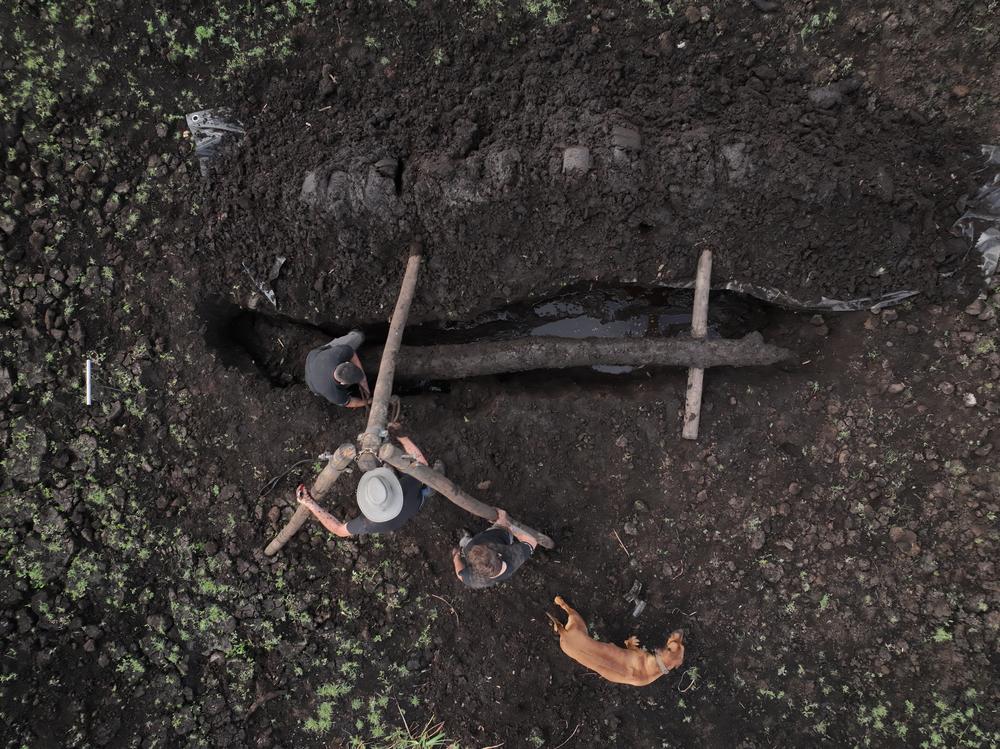
Fossil wood samples dated by the CIRAM laboratory
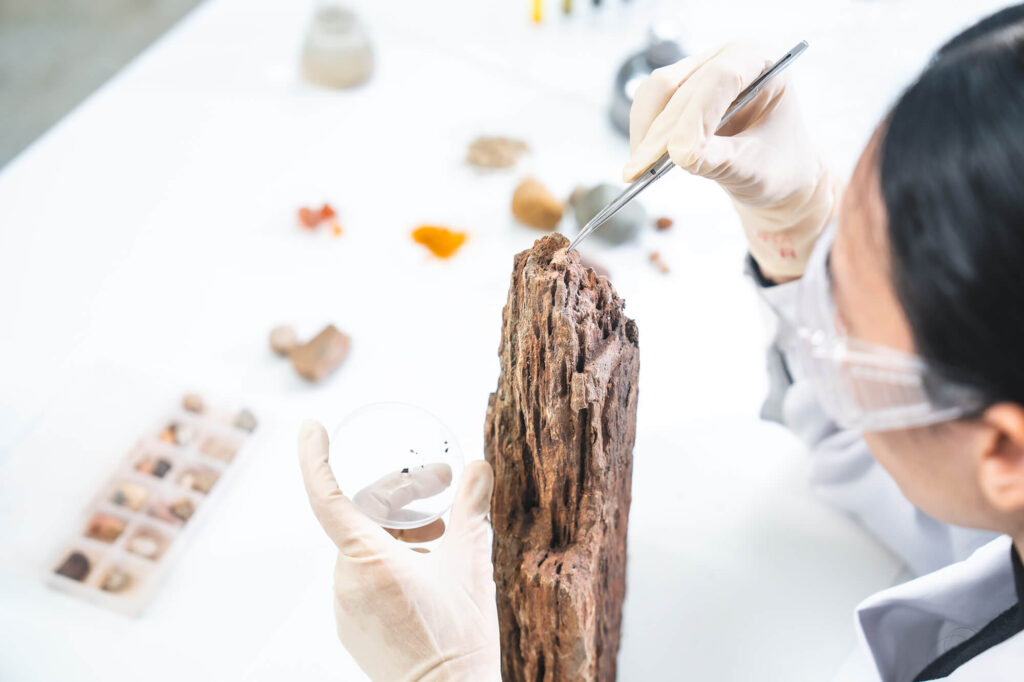
The CIRAM has dated two fossil woods whose exceptional preservation is explained in particular by their burial in a humid, oxygen-poor environment.
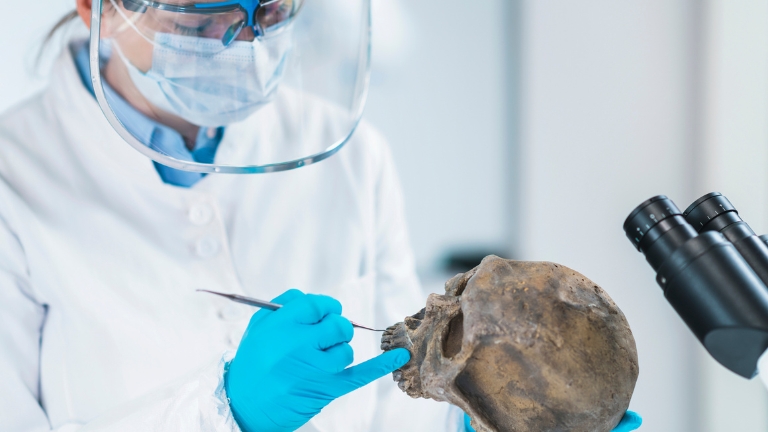
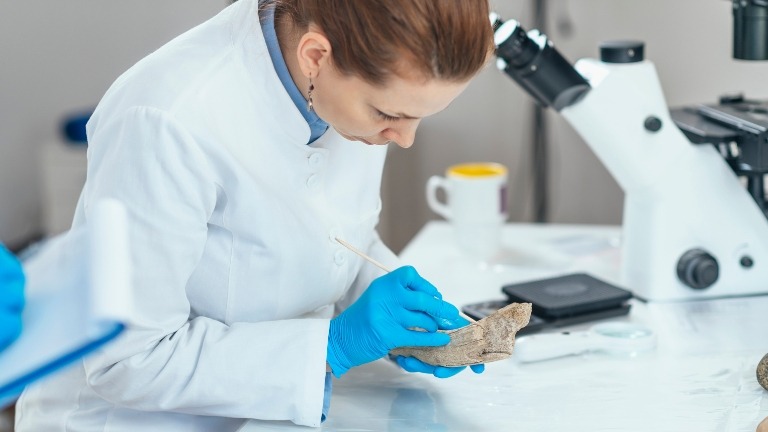
At CIRAM, we put materials science at the service of archaeologists, heritage architects, and historians to date ancient constructions through mortar analysis.
Contact our teamsMuseums, DRACs, architects of historic monuments, local authorities and research institutes call on CIRAM for the scientific study of ancient materials.
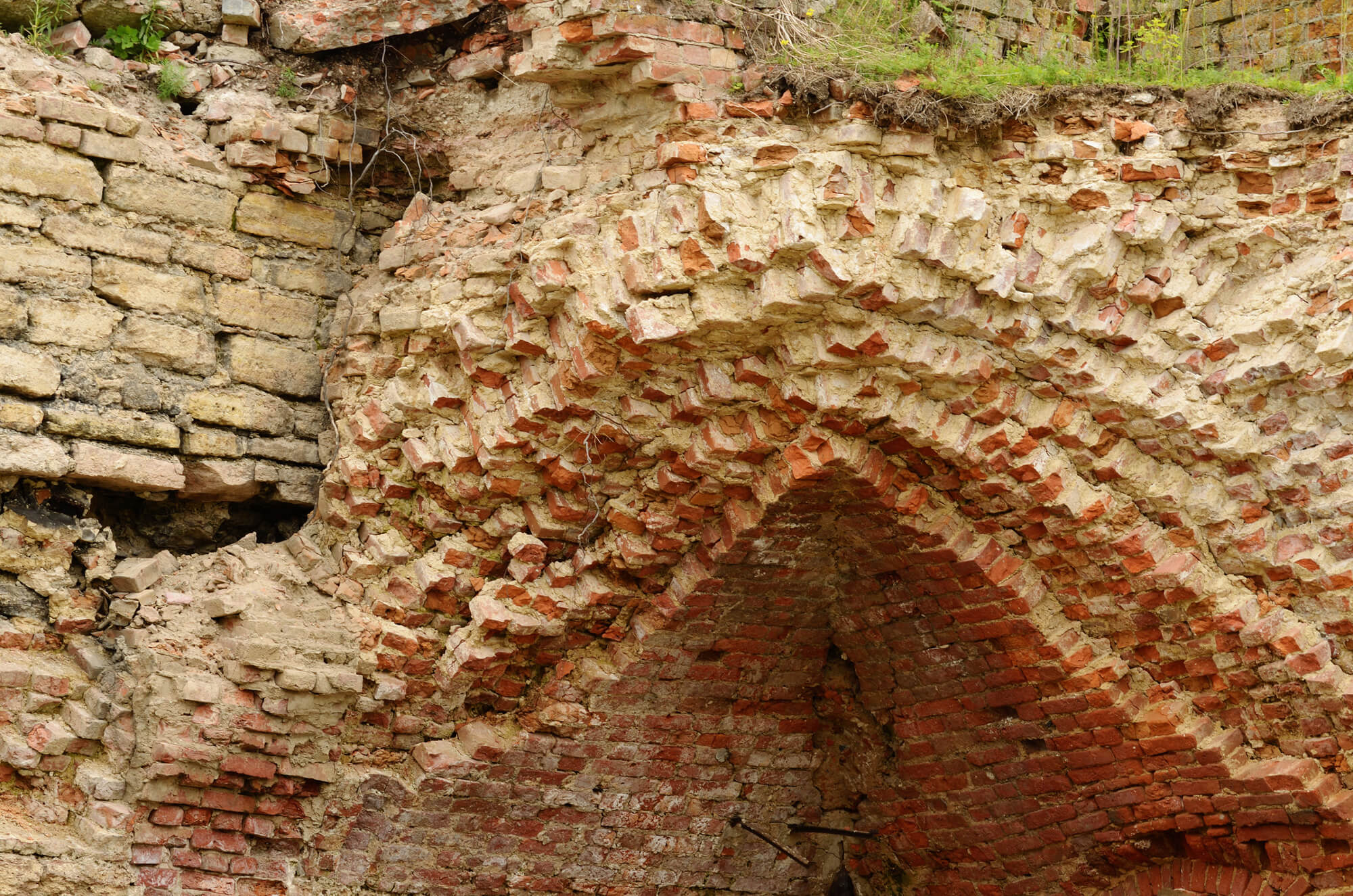
The mortars used in ancient constructions preserve valuable information about the period when a building was constructed. By analyzing their composition and measuring their age, it is possible to:
At CIRAM, we help heritage professionals, architects and cultural and cultural institutions in the physico-chemical analysis and dating of mortars, using a rigorous, documented scientific approach.
Contact our teams
CIRAM implements several complementary methods to analyze ancient mortars:
These analyses make it possible to date the mortars, distinguish original materials from later interventions, and better understand ancient know-how.
Find out more about our analysis of old materialsOur analytical approach is based on a proven protocol:
We clarify your requirements (dating, composition) and select the most appropriate method.
We will tell you precisely how to collect the mortar fragments, or we will intervene on-site if necessary.
Separation of fine fractions, removal of contaminants, particle size sorting.
Implementation of chosen techniques (carbon 14, chemical analysis, microscopy...).
Dating, analysis, interpretation, recommendations and visual support.
By choosing CIRAM, you benefit from:
Yes, by carbon-14 dating the lime binder formed during hardening, provided the mortar has not been contaminated. Or by carbon-14 dating of charcoal in the mortar.
Lime, plaster or cement mortars used in masonry, rendering or stone joints.
Approx. 100 grams of mortar per analysis. We advise you on how to sample cleanly and efficiently.
Allow 3 weeks on average, depending on the methods used.
Yes, by comparing several samples and cross-referencing the results, it is possible to distinguish between work campaigns.
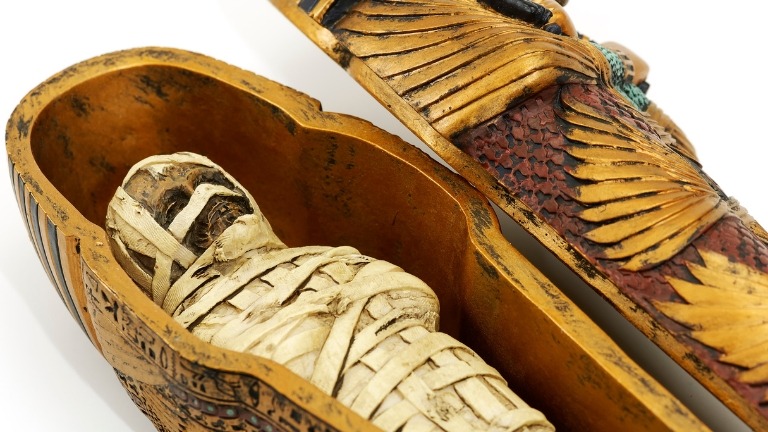
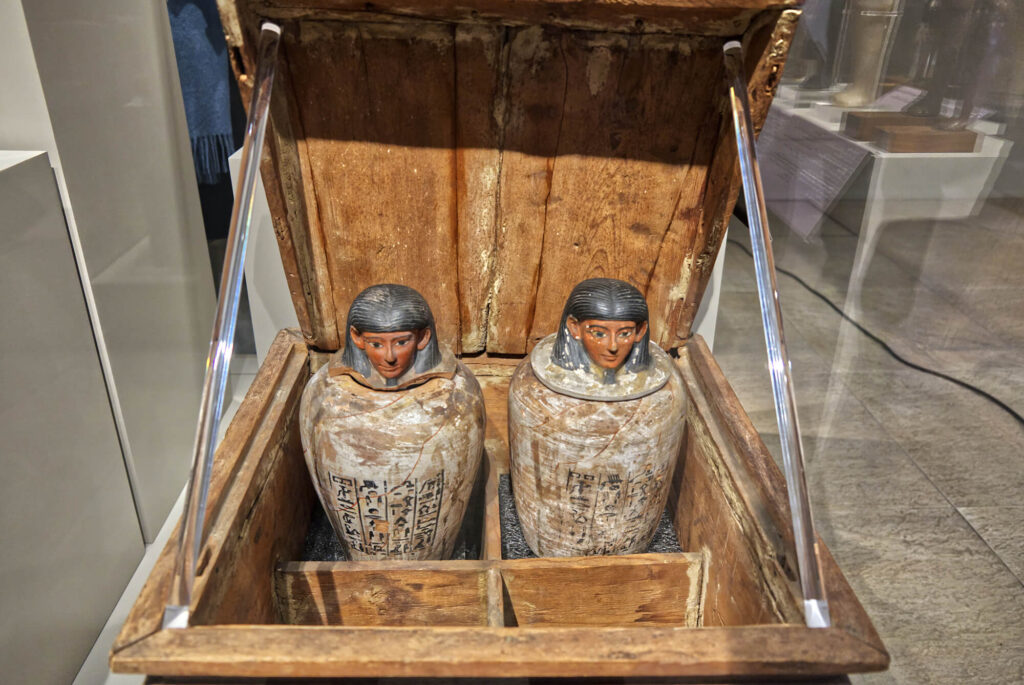
Thanks to 3D imaging and X-rays, you can explore the inside of funeral urns without opening them, revealing their contents and state of preservation.
Obtain precise dates for your organic artifacts using the carbon-14 method, an essential reference in archaeometry.
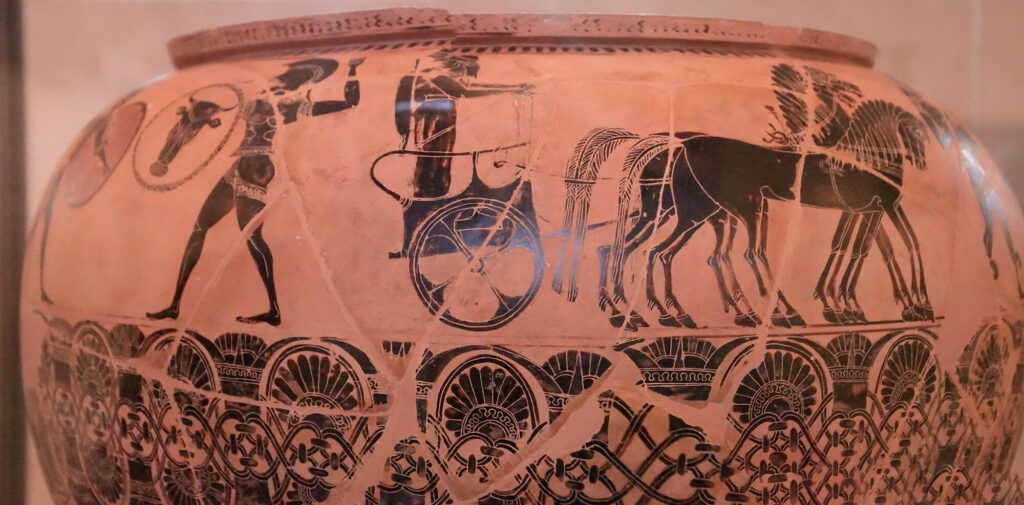
Thermoluminescence (TL) makes it possible to accurately date heated ceramics, terracotta and minerals by analyzing their last exposure to a heat source.
Determine the age of sediments and geological formations using optically stimulated luminescence (OSL), an essential method for reconstructing ancient environments.
The CIRAM has dated two fossil woods whose exceptional preservation is explained in particular by their burial in a humid, oxygen-poor environment.

Choosing the right dating method in archaeology is not just a technical issue: it is a key decision that guides the entire interpretation of a site. Which technique to choose...
Anthracology plays a key role in preventive excavations: by studying archaeological coals, it sheds light on past human practices and paves the way for carbon dating...
What methods are suitable for dating a fragile artifact, tracing the origin of a material or identifying millennia-old organic residues? Mass spectrometry provides access to...
The cross-fertilization of dating techniques for archaeology guarantees the reliability of analyses in response to the complexity of the contexts and materials studied. Find out why...
Carbon-14 dating is essential in archaeology to understand and date organic materials found on ancient sites. Discover how this method enables archaeologists to...