How do you scientifically analyze a painting?
The scientific analysis of a painting combines several complementary methods for studying its support, materials, manufacturing technique, state of conservation, and a...

At CIRAM, we put our expertise in physico-chemical analysis at the service of professionals to guarantee the reliability of the origin and dating of works.
Contact our teams

The authenticity of a work determines its value, legitimacy, and place in art history. Faced with the proliferation of fakes – often undetectable to the naked eye – traditional expertise is no longer sufficient. The slightest doubt can jeopardize a transaction, an attribution, or harm an institution's reputation.
Museums, auction houses, collectors and experts all demand reliable proof.
CIRAM provides them with rigorous, traceable and legally admissible scientific analyses, in complete confidentiality.
Contact our teamsThe greatest museums and art professionals trust us for the authentication of their objects.
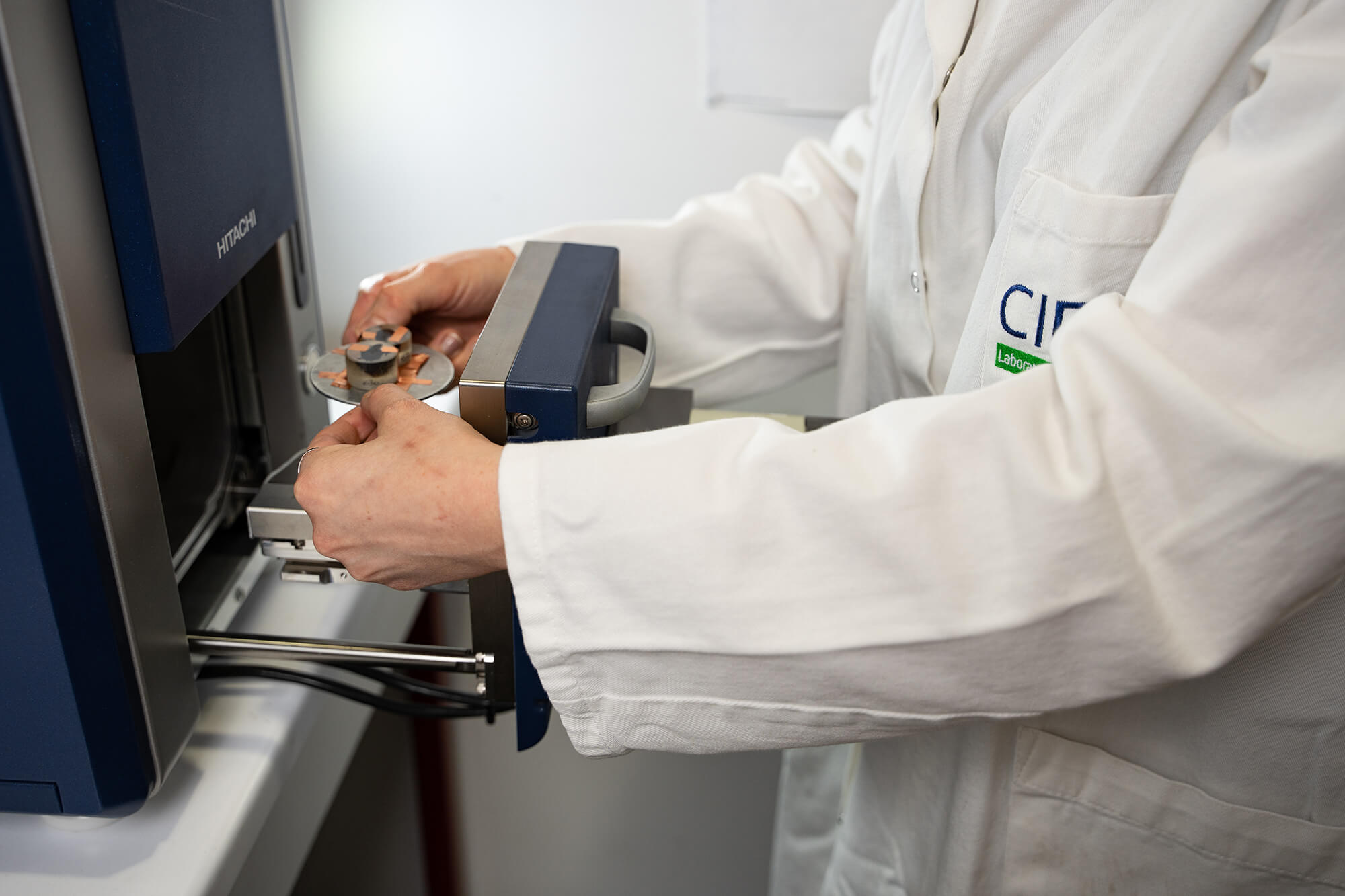
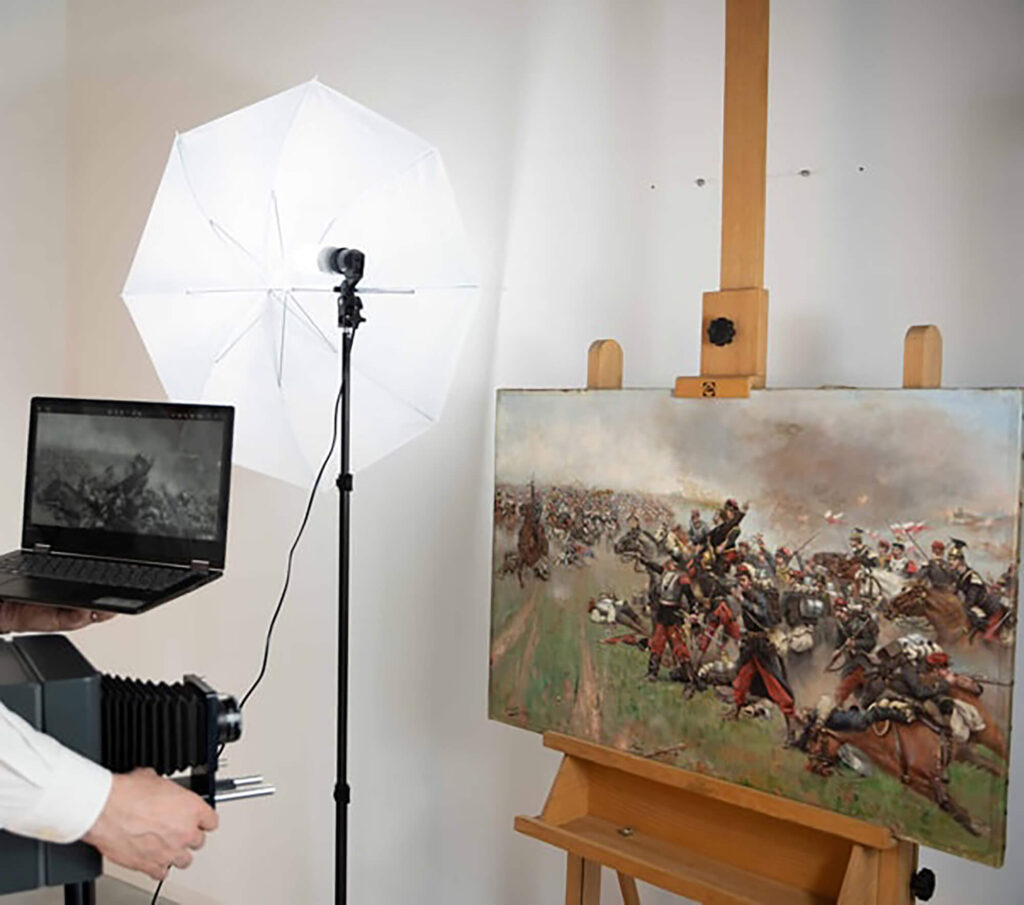
At CIRAM, we combine several analytical techniques to guarantee reliable, objective, and legally enforceable expertise. Each method allows us to evaluate a distinct aspect of the work:
Our team of experts selects the most appropriate techniques according to the nature of your object and your authentication objectives.
Find out more about our analysis methodsEach authentication follows a strict protocol, adapted to the specificities of the work analyzed.
We talk to you to understand the context, the questions raised and any uncertainties related to the object.
We select the most relevant analyses according to the materials, the state of conservation and your objectives.
We perform micro-sampling in situ, preserving the integrity of the artwork.
We carry out tests at our accredited facilities, with full traceability.
We provide you with a clear, interpreted and usable report.
Calling on CIRAM means choosing scientific excellence at the service of the art market. For over 20 years, we have been supporting museums, auction houses, collectors, and experts with an independent, rigorous, and confidential approach.
You benefit from :
Entrust your works to CIRAM for reliable, objective, and recognized authentication.
Contact our teamsYes, we prefer non-destructive analysis or the use of micro-samples invisible to the naked eye.
Paintings, sculptures, ceramics, antique jewelry, manuscripts... Most materials can be scientifically analyzed.
Allow 10 to 15 working days on average, depending on the complexity of the techniques and the availability of the object.
Yes, our reports are admissible in court and can be produced as part of an adversarial appraisal.
It depends on the analyses to be carried out. We systematically provide a quotation and a personalized feasibility study prior to any intervention.
Check the historical compatibility of a painting by studying the pigments, binder and support used in relation to the period advertised.
Identify past restorations and assess the work's state of preservation to guide its exhibition, sale and preservation.
Analyze the composition of materials to distinguish an old work from a modern reproduction, even if it has been cast or restored.
Use radiocarbon dating to accurately determine the age of your wood carving, ancient manuscript, painting or any other organic material, such as ivory...
The scientific analysis of a painting combines several complementary methods for studying its support, materials, manufacturing technique, state of conservation, and a...
Distinguishing a work of art in bronze from one in brass is not possible at a glance, however expert. Deceptive patinas, invisible restorations, sophisticated forgeries...
A simple signature can make the difference between an anonymous work and a masterpiece valued in the millions on the art market. But what happens when that signature is...
Knowing how to recognize an authentic antique bronze is a strategic issue for art professionals, to guard against fakes. Patina, composition, corrosion: every clue can help you...
How to analyze a work of art without damaging it? Thanks to non-destructive analysis techniques, it is now possible to access valuable information about pigments, re...
Should optical imaging or radiography be used to analyze a work of art, an archaeological object or an industrial material? Behind this question lie the crucial issues of...