About us

CIRAM,
carbon-14 dating and analysis laboratory

Since 2005, CIRAM has been revolutionizing science in the service of art, industry and archaeology, by offering high-precision analysis.

Contact our teams

Our history

Founded in 2005 by Richard Chéret and Olivier Bobin, CIRAM was created with a strong ambition: to make analytical sciences accessible to art market players, archaeologists and industrialists. At a time when few laboratories offered a multidisciplinary approach, CIRAM stood out for its ability to combine scientific expertise with a keen understanding of business issues.

The company has rapidly expanded internationally, with the creation of CIRAM Corp in New York in 2011, followed by a strategic partnership in Hong Kong in 2012.

In 2014, the construction of the headquarters in Martillac, near Bordeaux, marked a new stage, equipping the laboratory with cutting-edge technical resources to respond to ever more ambitious projects.

As of 2017, CIRAM is doubling the capacity of its materials analysis laboratory and inaugurating a state-of-the-art carbon-14 dating laboratory. To meet the ever-increasing demand, we have also doubled our radiocarbon production capacity in 2022, then tripled it in 2024.

The year 2025 marks the launch of our laboratory expansion, adding an additional 500 square meters. The construction work, along with the complete renovation of our facilities, will be completed in September 2026.

In 2026, CIRAM also expanded its technical capabilities with the addition of the Ionplus AMS LEA (Zurich, Switzerland), an accelerator mass spectrometer designed exclusively for radiocarbon analysis. The laboratory thus became the only private entity in Europe to possess this technology.

Discover our laboratory
2005

Establishment of CIRAM

by Richard Chéret and Olivier Bobin

2011

Founded by CIRAM Corp

in New York

2012

Partnership

New partner in Hong Kong

2014

New head office

and laboratory in Martillac

2015

New TL/OSL Laboratory

2017


New C14 laboratory

and Joint-Venture Europe

2021

Analysis of bio-based materials

2026

Laboratory Expansion

and AMS LEA by Ionplus (Zurich, Switzerland)

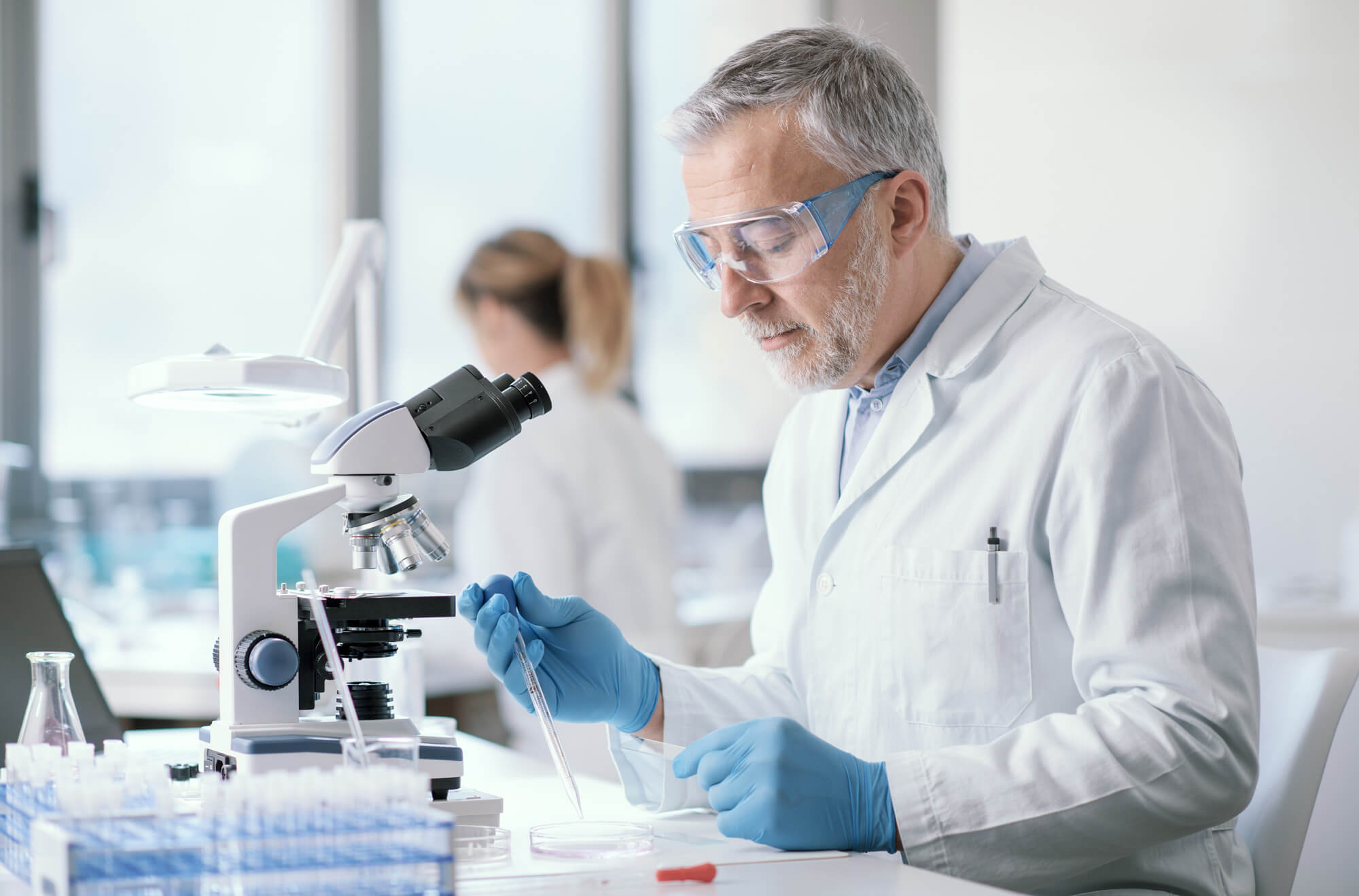
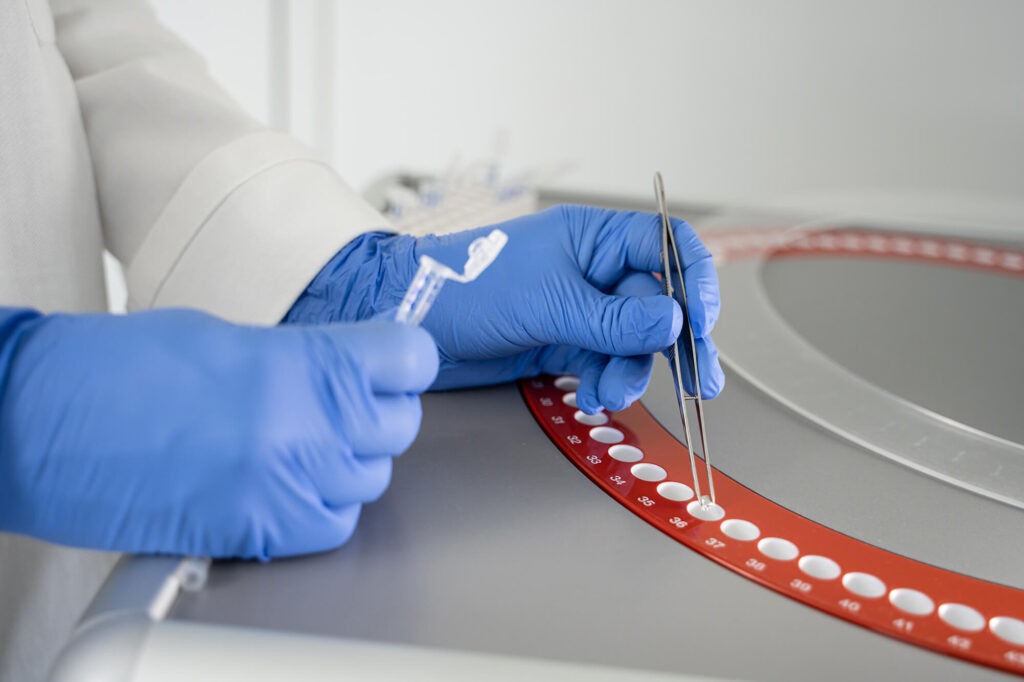
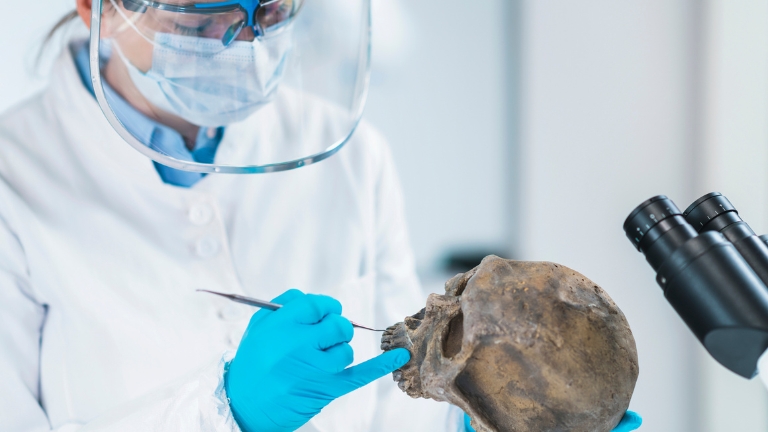
A scientist preparing a sample for laboratory dating analysis

Our laboratory

Our Martillac laboratory is a unique site in France, specifically designed to accommodate sensitive and complex analyses. Thanks to a stimulating scientific environment, close to the University of Bordeaux and renowned research centers, CIRAM cultivates excellence on a daily basis.

Every year we invest in cutting-edge technologies such as :

  • Gas pedal Mass Spectrometry (AMS) for carbon-14 dating,
  • Isotope ratio mass spectrometry (IRMS), elemental analysis (EA) and automatic graphitization,
  • High-definition optical and X-ray imaging systems,
  • Specialized instruments for spectroscopy and microscopy.

Our strength also lies in our multi-disciplinary team of experts, at the crossroads of scientific research, engineering and field expertise. This synergy guarantees rigor, speed and customized support for every customer.

Discover our team
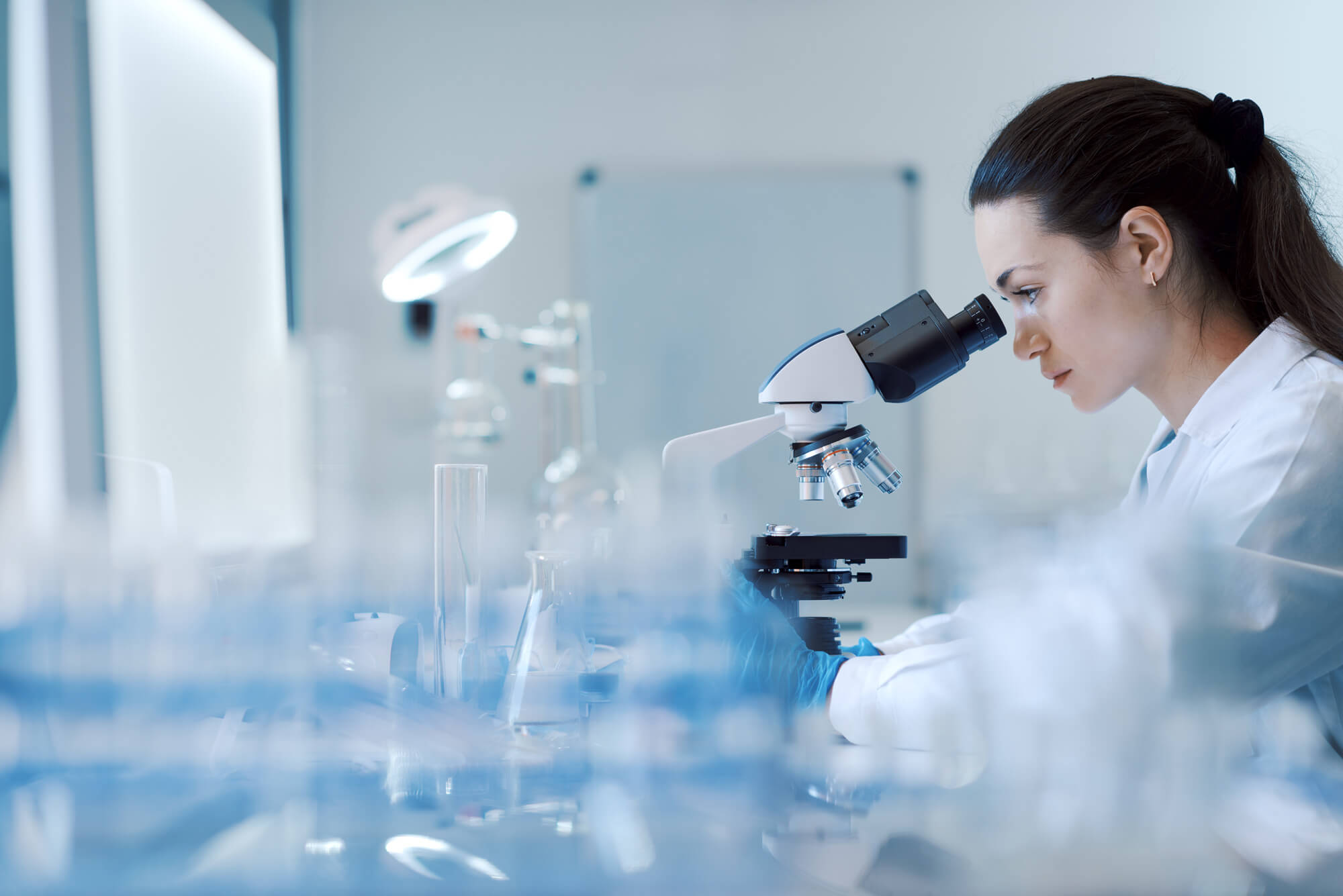
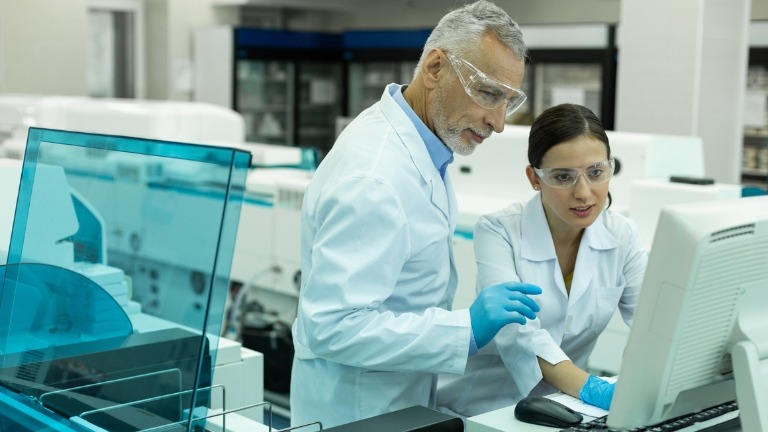
A scientist using a microscope in an accredited laboratory

Our accreditations

At CIRAM, each analysis is conducted according to standardized, internationally recognized protocols. Our methods meet the requirements of the following standards:

These standards guarantee the traceability, reliability and reproducibility of the results produced by our laboratory. They give our customers the security of working to international standards, whether for artistic expertise, archaeological research or industrial certification procedures.

Discover our accreditations

Companies around the world place their trust in us

National Museum of Natural History logo
L'Oréal logo
Institut Pasteur logo
Michelin logo
Louvre Museum logo
National Geographic logo

Make an appointment with an expert

Get all the answers to your questions!

Make an appointment

Explore our dating and analysis resources

Archaeology
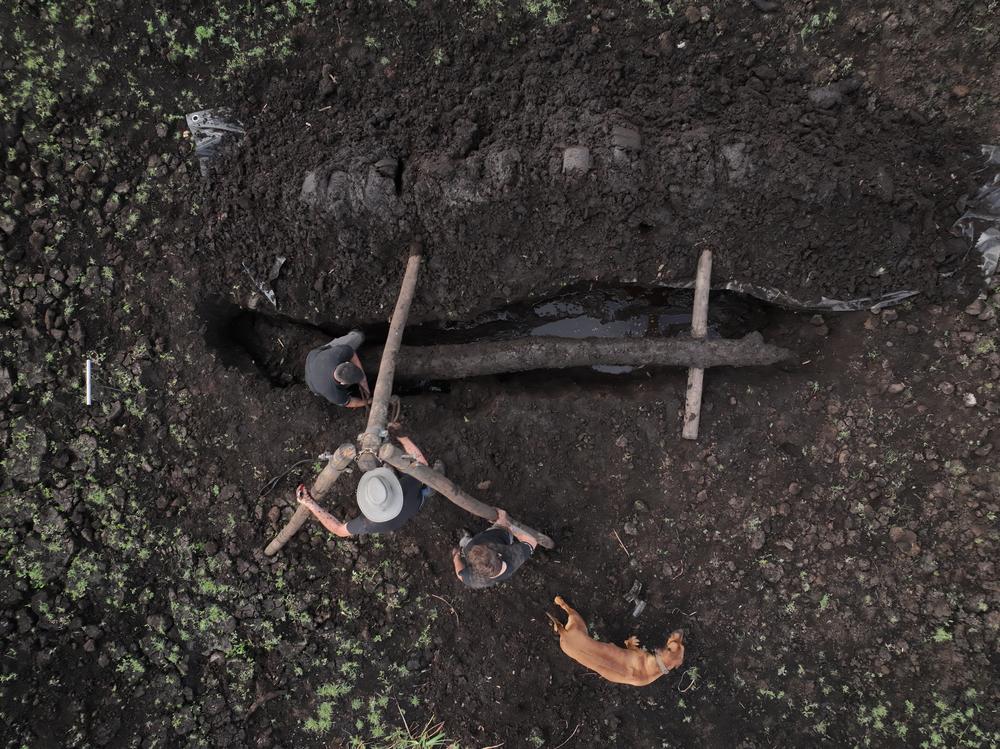
Fossil wood samples dated by the CIRAM laboratory

Fossil wood samples dated by the CIRAM laboratory

CIRAM has dated two fossilized pieces of wood, whose exceptional state of preservation is due in part to the fact that they were buried in a humid, oxygen-poor environment.

Read the article

Carbon 14
The Many Uses of Carbon-14 Dating

The Many Uses of Carbon-14 Dating

An indispensable dating method, carbon-14, or radiocarbon, is used to date archaeological artifacts, authenticate works of art, or measure bio-based content.

Read the article

Industry
What is a biobased product?

What is a biobased product?

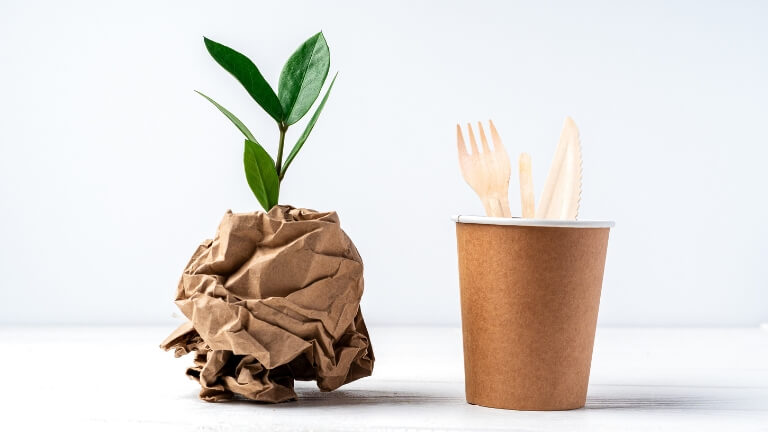
Find out what biobased products are, what their advantages are, and how manufacturers are integrating them to transform their practices.

Read the article

Art market
How do you scientifically analyze a painting?

How do you scientifically analyze a painting?

The scientific analysis of a painting combines several complementary methods that make it possible to study its support, materials, production technique, state of preservation, and its a…

Read the article

Archaeology
Carbon-14, Thermoluminescence (TL), and Optically Stimulated Luminescence (OSL): Which Dating Method Should You Choose?

Carbon-14, Thermoluminescence (TL), and Optically Stimulated Luminescence (OSL): Which Dating Method Should You Choose?

Choosing the right dating method in archaeology is not just a technical issue: it is a key decision that guides the entire interpretation of a site. Which technique to choose...

Read the article

Carbon 14
How does carbon-14 dating work?

How does carbon-14 dating work?

How can you authenticate a work of art or an archaeological relic with scientific rigor? Carbon-14 dating offers a reliable and precise method for analyzing organic materials...

Read the article

Request a quote