
Illustration of a green, sustainable factory made of plants, surrounded by symbols of the environment and sustainability

What are the challenges of solid recovered fuels (SRF)?

Refuse-derived fuels (RDF) are an innovative solution adopted by industrialists to reduce their dependence on fossil fuels while valorizing waste. A true energy alternative, both economical and ecological, RDF is increasingly attracting companies.

But how exactly do CSRs work, and what benefits can they bring to your industrial processes? In this article, we take you through their advantages, the technical challenges to be overcome, and the importance of rigorous quality control by analytical laboratories.

Understanding solid recovered fuels (SRF)

The energy transition is gradually becoming a priority for many industry professionals. In this context, solid recovered fuels (SRF) offer a credible alternative to fossil fuels. Their advantages go far beyond simply reducing carbon footprints, since they are part of a dynamic of waste-to-energy and energy-cost optimization. However, to exploit their full potential, it is essential to understand their nature, how they are produced and the issues involved in using them in industrial processes.

Definition and characteristics of CSR

Solid recovered fuels (SRF) are fuels produced from non-hazardous waste, such as plastics, paper, wood or textiles. This waste, initially destined for landfill or incineration, is then sorted, transformed and homogenized to create combustible materials with a high calorific value.

Unlike traditional fossil fuels, RDF is the result of a circular recovery process. They recover energy while reducing the amount of household or industrial waste processed by waste management systems. This circularity offers manufacturers a dual opportunity: to reduce their carbon footprint while limiting their dependence on fossil fuels, whose reserves are limited.

CSRs can be tailored to the specific needs of each industrial facility, depending on the composition of the available waste and the requirements of the combustion processes used in heating networks. By adjusting moisture content and particle size, it is possible to optimize the energy performance of SRFs in different boilers or industrial furnaces. CSRs are therefore a major strategic asset for industry professionals looking for more flexible and sustainable energy solutions.

CSR manufacturing processes and quality control

CSR production relies on a rigorous waste treatment process to ensure consistent, reliable fuel quality. The CSR manufacturing cycle begins with the collection and selective sorting of non-hazardous household waste. It is then crushed and dried to achieve the homogeneity required for combustion.

This transformation process includes several crucial quality control stages to ensure that SRF meets industrial specifications in terms of calorific value, moisture content and pollutant content (heavy metals, chlorine, etc.). It is essential for manufacturers to ensure that the solid recovered fuel used in their facilities complies with strict standards, to avoid any risk of equipment corrosion or pollutant emissions.

It is within this framework that specialized laboratories like CIRAM play a fundamental role. Thanks to their advanced analysis methods, laboratories are able to accurately assess the chemical composition of CSR, their energy potential, and possible contaminants. They provide industry professionals with the necessary advice and data to adjust their combustion processes and maximize their efficiency while minimizing environmental risks.

CSR quality control is therefore not limited to guaranteeing sufficient calorific value, but also to ensuring that these fuels are adapted to the specific requirements of each industrial process. This includes particular attention to the technical and regulatory aspects governing their use.

Technical challenges of SRF for industry

Making efficient use of solid recovered fuels (SRF) involves overcoming major technical challenges associated with the variability of their composition for industry professionals. This heterogeneity can have a direct impact on the performance of their industrial processes, making laboratory testing essential to guarantee consistent, reliable quality.

Variability in RSC composition: a challenge for manufacturers

Solid recovered fuels, which are derived from the recovery of non-hazardous waste (plastics, textiles, paper or wood), are characterized by their highly heterogeneous composition. The proportions of organic and inorganic components, moisture levels and pollutant content can vary considerably depending on the waste source. This variability creates a major challenge for manufacturers seeking to guarantee efficient, stable combustion.

For manufacturers, the impact of this heterogeneity is manifold. Firstly, fluctuations in the calorific value of RDF can make it difficult to adjust combustion equipment, such as boilers or industrial furnaces. Uncontrolled variations can lead to a drop in energy yield, or untimely shutdowns due to overheating or insufficient combustion. Secondly, the unpredictable presence of impurities such as chlorine or heavy metals can cause material damage, particularly by increasing the risk of plant corrosion. If this phenomenon is not anticipated, it generates additional maintenance costs and shortens equipment life.

To achieve this, it is crucial to take these challenges into account upstream of the energy production process. CSR homogenization, although difficult to achieve on a large scale, can help reduce these performance gaps. In addition, it is essential to adapt combustion equipment control systems to respond to variations in composition. Some manufacturers also use filtration or pre-treatment technologies to minimize the impact of pollutants, but these solutions require initial investment and a high level of technical expertise.

Importance of laboratory testing to guarantee CSR quality

Given the variability in the composition of Solid Recovered Fuels (SRF), the role of analytical laboratories is becoming crucial in ensuring optimal exploitation from an industrial perspective. Rigorous tests enable us to assess the precise chemical composition of SRF, its energy capacity, and the presence of substances potentially hazardous to installations or the environment. This information is vital in order to adjust combustion equipment parameters in real time and ensure stable performance.

An essential aspect of RSC analysis concerns their biosourced content, i.e. the proportion of biomass present in the fuel. Biogenic carbon content, which measures the percentage of carbon originating from biological sources, is a key indicator for assessing the environmental impact of RDF. The radiocarbon method enables this percentage to be accurately determined. This analysis is essential for verifying compliance with regulatory and environmental requirements, particularly for manufacturers seeking to reduce their carbon footprint. Biomass content is often a decisive factor in certification processes and in the awarding of carbon credits.

Laboratory tests, carried out by CSR analysis laboratories such as CIRAM, include stable isotope and carbon-14 analysis, in accordance with standard EN ISO 21644 (formerly EN 15440), which specifies the methods for determining the composition of CSRs. The analysis of the bio-based content also plays a role in compliance with European and international regulations on sustainable development. By mastering these aspects, manufacturers can thus meet the growing demands for CO2 emission reduction.

Having an in-depth knowledge of the composition of SRF prior to its use is essential for industry professionals to better anticipate the necessary adjustments to combustion processes. This enables them to avoid possible fluctuations in performance and maximize plant efficiency, while limiting the risk of unplanned shutdowns or property damage.

On the other hand, these analyses guarantee compliance with current standards, particularly in terms of atmospheric emissions and management of combustion residues. For manufacturers, the penalties incurred in the event of non-compliance can be costly, both in financial terms and in terms of image. By integrating regular testing into their production processes, companies not only reduce the risk of incidents, but also increase the energy efficiency of their facilities, thereby optimizing their operating costs.

SRFs therefore represent a major opportunity for manufacturers seeking to improve their manufacturing processes, from reducing environmental impact to optimizing energy costs. But while these fuels promote energy circularity, they also present major technical challenges, with their variable composition and impact on equipment.

Using analysis laboratories like CIRAM is not limited to simple quality controls through composition analyses (bio-based content) but also extends to the regulatory level concerning current standards. By integrating solid recovered fuels into their energy strategy, industrial players have indispensable technical and scientific support to maximize the added value of these fuels while minimizing associated risks. This includes rigorous management of biomass content and biogenic carbon, essential for aligning industrial processes with environmental and regulatory standards. If you wish to benefit from the expertise of a laboratory specializing in SRF analysis, request a study of your samples from the CIRAM teams and obtain quality advice and analyses.

As the cosmetics market undergoes many changes, the demand for bio-based products continues to grow. For professionals in the cosmetics industry, it is essential to guarantee the authenticity and quality of their products, while avoiding the pitfalls of adulteration.

In this article, we explain how to identify the origin of biobased ingredients, the importance of cosmetics testing, and innovative solutions such as biosynthesis. Find out how to secure your production processes and meet consumer demands while complying with the most stringent standards.

Understanding biosourced cosmetics and their naturalness

Understanding the specifics of biobased cosmetics is now essential for professionals in this industry. In this section, we look at the fundamentals of bio-based cosmetics, highlighting the importance of naturalness and ingredient selection criteria in guaranteeing the integrity of products offered on the cosmetics market.

Biobased cosmetics and their benefits for industry

The term "biosourced cosmetics" refers to products formulated with ingredients of biological origin, derived from renewable sources. Unlike synthetic ingredients, these are obtained through environmentally-friendly processes such as plant extraction or fermentation. For manufacturers, the use of biosourced cosmetics offers strategic advantages. It is a viable response to growing consumer demand for more natural, sustainable products.

Cosmetic tests then play a fundamental role in ensuring that ingredients claimed as bio-based truly are. These analyses help reduce the risks of adulteration and non-compliance with expected certifications. Labels like COSMOS and Ecocert indeed guarantee the origin and quality of the raw materials used and are therefore sensitive for manufacturers.

The importance of naturalness and natural ingredients in cosmetics

The notion of naturalness in cosmetic products is a key criterion for the R&D departments of the cosmetic industry wishing to stand out in this competitive market. However, be aware: naturalness is not limited to the origin of the ingredients, but also includes their processing method. Naturalness tests thus make it possible to verify the absence of adulteration and the compliance of ingredients with regulatory requirements.

The distinction between natural and biobased ingredients is sometimes subtle, but it's crucial to understand it. A natural ingredient is one extracted directly from nature. A biobased ingredient, on the other hand, can be produced via processes such as biosynthesis, which enables the reproduction of rare compounds or those difficult to obtain in large quantities. The naturalness of our products is thus guaranteed by rigorous analysis, ensuring consumer confidence and regulatory compliance.

We have explored the foundations of biobased cosmetics and the importance of naturalness in formulations. In the next section, we'll explore the tools and methods for identifying the origin of biobased ingredients, and the importance of cosmetic testing in this process.

Identify the origin and guarantee the authenticity of biobased cosmetics

For manufacturers, ingredient traceability is an essential component for guaranteeing the quality and compliance of bio-based cosmetic products. In this section, we explore the tools available to the cosmetic industry for verifying ingredient provenance. We will also discuss the importance of cosmetic testing to ensure their authenticity.

Labels, certifications and databases to verify the origin of biobased ingredients

The use of recognized labels and certifications is essential to attest to the authenticity of bio-based ingredients. Labels such as COSMOS, Ecocert, and NATRUE offer guarantees on the origin of the raw materials used, ensuring they come from renewable and environmentally friendly sources. To obtain these labels, professionals not only validate the organic origin but also verify the sustainability and transformation practices of the ingredients.

There are also online databases like CosIng, or specialized platforms. These allow for checking the compliance of ingredients with current regulations. These tools are valuable for professionals wishing to quickly and efficiently validate the naturalness and traceability of the components used in their formulations.

The essential role of cosmetic testing in the validation and interpretation of natural and biobased ingredients

Cosmetic tests are a major pillar for ensuring the compliance of bio-based products with quality standards. These tests are carried out by specialized laboratories (such as CIRAM) and make it possible to validate the authenticity of declared ingredients and to detect any form of product adulteration. For example, the carbon 14 test is an effective method for distinguishing ingredients of natural origin from those of petro-sourced origin.

Interpreting cosmetic test results requires advanced technical expertise. It is essential for R&D departments to be able to understand analysis reports to ensure that products meet the requirements of labels and certifications. To achieve this, the best cosmetic testing laboratories offer manufacturers quality post-analysis support and continuous monitoring. These tests also make it possible to verify the absence of contaminants or non-compliant substances. This thus guarantees the safety and effectiveness of products placed on the market.

Having looked at the methods used to verify the origin of biobased ingredients and the importance of cosmetic testing to guarantee their authenticity, let's turn our attention to the risks of adulteration.

Prevent the risks of adulteration and explore alternatives via biosynthesis

Preventing fraudulent practices such as adulteration is essential for professionals in the cosmetics industry to guarantee the authenticity of ingredients. In this section, we'll look at the risks associated with adulteration, and discover why biosynthesis is an innovative solution for guaranteeing the quality of biobased cosmetics.

Adulteration of biobased cosmetics: risks and consequences for industry professionals

Adulteration of biobased cosmetic products is a real challenge for professionals in the cosmetics industry. This practice, which consists of partially or totally replacing a biobased ingredient with a component of inferior quality or synthetic origin, can have serious consequences. Adulteration can not only mislead consumers as to the naturalness of the product, but also compromise the safety and efficacy of the final product.

Cosmetic testing plays an essential role in detecting adulteration. For example, chromatographic and spectrometric analyses can identify the precise composition of ingredients and spot any fraudulent substitutions. Quality departments and the experts who work in them must be extremely vigilant in the face of these risks, in order to protect the brand's reputation while ensuring that product ranges comply with regulatory requirements.

Biosynthesis: an innovative alternative for guaranteeing the quality and durability of cosmetic ingredients

Although biosynthesis could be an innovative solution for the cosmetics industry, it actually represents a risk of adulteration for biobased products. A majority of industry professionals seek to distinguish between genuinely natural products and those derived from biosynthetic processes. The latter, although technically derived from organic raw materials, do not correspond to the expectations of naturalness and "botanicity" sought by consumers and quality labels.

Advanced analytical techniques, such as isotope profiling, are essential to identify biosynthetic ingredients and guarantee product authenticity. In particular, the CIRAM laboratory uses methods based on the analysis of stable isotopes of carbon (δ13C), hydrogen (δ2H), oxygen (δ18O) and nitrogen (δ15N). These isotopes make it possible to establish the botanical or geographical origin of ingredients, but also to detect adulteration by biosynthetic products. For example, analysis of δ13C values can differentiate vitamin C extracted from natural sources such as acerola, from that synthesized from glucose.

Although these analyses are mainly qualitative and not quantitative, they nevertheless provide valuable information for detecting cases of adulteration and guaranteeing the true "naturalness" of products. Cosmetic tests using the coupling of several isotopes enable us to pinpoint the origins of ingredients in much greater detail. This method is an invaluable asset for professionals in the biosourced cosmetics industry, who are keen to comply with quality and naturalness standards for the ingredients in their products.

Biosourced cosmetics therefore represent a major step forward for the cosmetics industry, providing a viable response to the growing demand for naturalness and sustainability. However, guaranteeing the authenticity and quality of ingredients remains a major challenge, given the risks of adulteration and the complexities of ingredient traceability.

Cosmetic testing, carried out by specialized laboratories such as CIRAM, is essential for validating the origin and conformity of products. Thanks to rigorous methods and cutting-edge technology, CIRAM supports professionals from the request for a study through to post-analytical follow-up, to ensure that products are reliable and compliant. Would you like to have your products analyzed to guarantee their compliance? Request a study on the quality of your bio-sourced cosmetics from the CIRAM teams on our website.

Bioplastics, biosourced, biodegradable: what are the differences?

Reading time:

7–11 minutes

Written by:

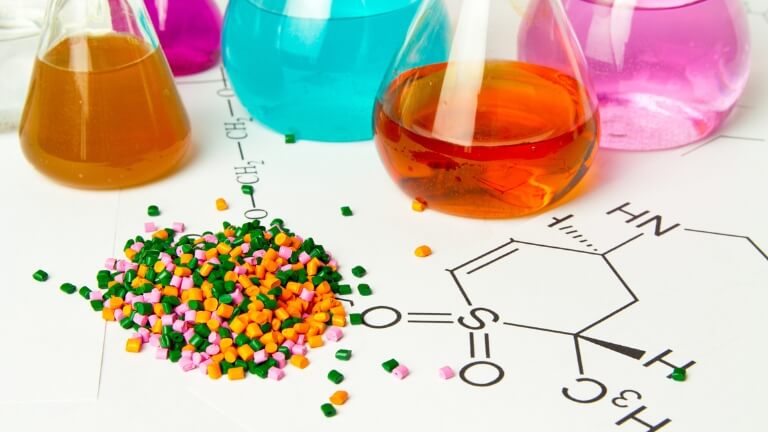
Bioplastics, biobased and biodegradable plastics are innovative alternatives to traditional plastics. These materials represent opportunities for industry professionals seeking to adopt more sustainable and compliant practices.

In this article, we explore the definitions and differences between these materials, compare their environmental impact, and discuss future innovations. We will also explain why tests and analyses by biopolymer analysis laboratories are essential to ensure compliance and quality. Discover how these advancements can transform your industrial processes and product offerings.

In summary:

  • Bioplastics, bio-based, and biodegradable: materials with different properties, whose renewable origin does not systematically guarantee biodegradability.
  • Industrial challenges: reducing environmental impact while ensuring performance, regulatory compliance, and transparency of claims.
  • Essential analyses: specialized laboratories like CIRAM verify the bio-based content by carbon 14 (ASTM D6866 / NF EN 16640), the composition, and the performance of materials.

Introduction to bioplastics and biosourced plastics

Bioplastics and bio-based plastics offer a promising alternative to traditional petroleum-based plastics. Industries must indeed find answers to regulatory, environmental, and quality requirements. In this first part, we explore the definitions and distinctions between bioplastics, bio-based plastics, and biodegradable plastics.

What are bioplastics and biopolymers?

Bioplastics are plastics produced from renewable sources such as corn starch, sugar cane and vegetable oils. These components can also include biopolymers such as PLA (polylactic acid) and PHA (polyhydroxyalkanoate). Bioplastics are distinguished by their ability to reduce the carbon footprint of products compared with conventional plastics.

Biopolymers are polymers produced by living organisms. They can be used in the composition of bioplastics to confer specific properties, such as biodegradability.

What are the differences between bioplastics, biosourced plastics and biodegradable plastics?

These 3 materials have different properties:

  1. Bioplastics: they encompass a broad category of materials that can be either bio-based, biodegradable, or both. It should be noted that not all bioplastics are necessarily biodegradable.
  2. Bio-based plastics: they are made from renewable raw materials. A bio-based plastic is also not necessarily biodegradable. For example, bio-based polyethylene (derived from sugarcane ethanol) has properties similar to conventional polyethylene and is not biodegradable.
  3. Biodegradable plastics: these refer to plastics that can decompose into natural elements (water, CO2, biomass) under the action of micro-organisms. Biodegradable plastics can be of fossil origin or bio-based. Biodegradability also depends on environmental conditions such as temperature, humidity, and the presence of micro-organisms.

Professionals involved in industrial production must understand the distinction between these terms in order to guide their material choices based on specific durability and performance requirements. For example, choosing a plastic derived from biomass can help reduce the carbon footprint of a bio-based product, while the use of biodegradable plastics is essential for applications where the product's end-of-life and rapid decomposition are targeted.

Environmental impact and future prospects for bioplastics

The environmental impact of bioplastics is a key issue for manufacturers seeking to adopt more sustainable practices. In this section, we explore the differences between bioplastics and traditional plastics, and examine future innovations and trends in these materials.

What are the differences in ecological footprint between bioplastics and traditional plastics?

Bioplastics are generally considered to be more environmentally friendly than traditional plastics. Their production process uses renewable raw materials, reducing dependence on non-renewable fossil resources. Their manufacture also generates fewer greenhouse gases;

However, it is essential to consider the entire life cycle of materials. Indeed, biosourced bioplastics, while having a lower initial carbon footprint, can still have significant environmental impacts linked to intensive agriculture, pesticide use and water consumption.

Biodegradable plastics, on the other hand, offer the advantage of reducing persistent plastic waste in the environment if properly composted. However, their biodegradability is highly dependent on specific environmental conditions, which can limit their effectiveness in certain situations (environmental factors).

What are the innovations and future trends in bioplastics?

The bioplastics industry is constantly evolving, with innovations aimed at improving performance and sustainability. Trends include the development of new, more efficient and less costly biopolymers, as well as improved production processes aimed at further reducing the ecological footprint of materials.

Advanced research is also focused on improving the biodegradability of bioplastics under a variety of conditions. This includes the development of biodegradable marine plastics to limit ocean pollution.

R&D departments are also experimenting with the integration of agricultural residues and non-food biomass as raw materials for bioplastics. This approach makes it possible to valorize organic waste while avoiding competition with food crops. The aim is to respond to environmental criticisms concerning the production of these products.

Bioplastics therefore offer significant environmental advantages over traditional plastics. However, their adoption needs to be considered in the context of their entire life cycle (not just their production cycle). Ongoing innovation by manufacturers could help overcome the sector's current challenges, and thus strengthen their contribution to a more sustainable industry.

The importance of analysis and testing for bioplastics products

Research and development departments and regulatory authorities must ensure that the materials used in the production process meet performance and durability standards. In this section, we explore techniques for determining the true biodegradability of plastics and the crucial role of analytical laboratories.

How do you determine the true biodegradability of plastics?

The biodegradability of a plastic is not just a marketing label for manufacturers. It's essential to distinguish genuine biodegradable plastics from cases of greenwashing. To do this, several criteria need to be assessed:

  • Standards and certifications

Plastics must comply with international standards such as EN 13432 for compostable packaging. These standards include precise criteria for material decomposition under specific conditions.

  • Environmental conditions

Biodegradability criteria vary according to conditions (temperature, humidity, presence of micro-organisms). A plastic may decompose rapidly in industrial composting, but remain intact in a marine environment.

  • Degradation time

The speed at which a plastic decomposes is an essential factor. It's crucial to know how long it takes, and what factors can influence it.

The role of analytical laboratories in industry

Analytical laboratories play a fundamental role in ensuring that bioplastics used in industrial processes meet quality and regulatory requirements.

Importance of testing for regulatory compliance and quality

The tests carried out by biobased product analysis laboratories verify the compliance of bioplastics with current regulations. These tests include evaluation of chemical composition, mechanical properties and biodegradability.

Certified laboratories provide detailed reports to help manufacturers prove product conformity to regulatory authorities and their customers.

What services do analysis laboratories offer?

Biobased product analysis laboratories offer a range of essential services for industry professionals:

  • Radiocarbon tests:these analyses measure the percentage of natural and synthetic ingredients in materials. They therefore guarantee the integrity of materials from bio-based supply chains and compliance with bio-based product labels. These tests notably comply with the NF EN 16640 standard for the analysis of bio-based products.
  • Biodegradability tests: these tests measure a plastic's ability to decompose under specific conditions (industrial composting, soil, water).
  • Life Cycle Assessments (LCA): these analyses evaluate the overall environmental impact of bioplastics throughout the materials' entire life cycle, from production to end-of-life.
  • Quality control: physical and chemical tests aim to ensure that bioplastics meet the required technical specifications.
  • Certification and validation: laboratories can provide recognized certifications, strengthening product credibility in the market.

Tests and analyses carried out by specialized laboratories such as CIRAM are an essential step in validating the performance of bioplastics, while ensuring their compliance with environmental and regulatory standards. Industry professionals can rely on these services to optimize their choice of materials. This enables them to guarantee high-quality, durable and environmentally-friendly products.

Bioplastics and biobased plastics therefore offer promising alternatives to traditional plastics, with significant environmental benefits. Understanding the differences between bioplastics, biosourced plastics and biodegradable plastics is important for industry professionals. This enables them to choose the right materials for their industrial needs. Their characteristics offer a future-oriented solution for more sustainable industrial production that respects environmental standards.

However, it is essential for research and development services to rely on tests and analyses carried out by competent laboratories, in order to validate the biodegradability of products and guarantee their compliance with standards. CIRAM, with its specialized services, offers in-depth analyses that comply with bioplastic and biopolymer standards and ensure quality and conformity.

To optimize your material choices and ensure durable products, feel free to request a study from CIRAM.

Share this article

Sarah Alexandre's Avatar

Need more information or have a question?

Our team will get back to you as soon as possible.

For industry professionals, the composition of paints is of paramount importance. Whether for applications in automotive, aeronautics, or other manufacturing fields, the properties of paints are determined by their chemical composition.

In this article aimed at industry professionals, we will explore the different components of industrial paints, the categories of paints based on their composition with a focus on bio-based paints. We will continue with the importance of chemical analysis and the impact of chemical composition on the performance and use of paints.

General composition of industrial paint

The main paint components

Industrial painting consists of four main elements:

  • pigments,
  • binders,
  • solvents,
  • and additives.

These components have different impacts on manufactured products:

  • The pigments are responsible for the color and opacity of the paint. There are organic or inorganic pigments. These each have specific properties of resistance to UV, heat, and chemicals.
  • The binders form the paint film and determine the mechanical properties of the paint, such as its hardness and adhesion. Binders can be oil-based (alkyds), latex-based (acrylics), or epoxy resins (among others).
  • Solvents are used to adjust the viscosity of the paint, which facilitates its application. Volatile solvents such as aromatic hydrocarbons or alcohols are commonly used. However, their use is regulated due to their environmental impact.
  • Additives are minor components that are part of industrial paints. They improve certain properties of the paint, such as mold resistance, UV stability, or improved drying time. Anti-sagging agents and corrosion inhibitors are essential additives for industrial applications.

The composition of paints is therefore determined by the addition of different components. The choice of these components determines the category of paint.

Paint categories by composition

There are several categories of industrial paints. These are determined by their composition and each meets particular uses:

  • Solvent-based paints: they are traditionally used for their fast drying time and durability. This category is declining due to environmental concerns and VOC regulations (volatile organic compounds). Environmental regulations imposed on companies are forcing manufacturers to turn to other categories to limit the impact of paints on the environment.
  • Water-based paints: they are increasingly popular due to their low VOC content. These are often used in sensitive environments such as food production facilities and hospitals. However, their chemical composition makes them less resistant, which limits their range of applications.
  • Powder coatings: they are applied in dry powder form and then cured at high temperature. These coatings offer excellent wear resistance and are solvent-free, making them environmentally advantageous. Their field of application is therefore wider than water-based coatings.
  • Bio-based paints: bio-based paints are made from renewable raw materials. They represent a major step forward towards more sustainable industrial production, more environmentally friendly without compromising their technical performance.

It is crucial for professionals in the manufacturing industry to have a good understanding of the different industrial paint compositions. This allows R&D departments to select the products best suited to their specific needs while respecting their environmental and regulatory constraints in their manufacturing processes.

Bio-based paints are a category of paints that are particularly relevant for manufacturers to cope with new regulatory constraints. Let's take a closer look at them.

Biosourced paint: a sustainable and ecological choice

Bio-based paintsare gaining popularity among manufacturers due to their environmentally friendly composition. Indeed, they offer a sustainable alternative to traditional paints, while meeting the performance requirements of industrial applications.

What is the specific composition of biosourced paint?

The composition of bio-based paints incorporates various sustainable ingredients:

  • Bio-based binders are resins that primarily come from linseed, soybean, or castor oil. These binders offer performance similar to synthetic resins while being biodegradable.
  • Natural pigments are extracted from minerals or organic matter. They provide a durable and stable coloring role without being toxic.
  • Eco-friendly solvents and bio-based paints use water-based solvents or natural alcohols. This usage helps reduce VOC emissions and improve safety during application.
  • Bio-based additives (such as beeswax or plant extracts) improve various properties of paint.

These natural additives enhance water and scratch resistance, while remaining environmentally friendly.

Advantages of biosourced paints for manufacturers

Bio-based paints offer several advantages over synthetic paints for professionals in the industrial sector:

  • Sustainability and reduced environmental impact

Bio-based paints reduce carbon footprint and VOC emissions. This contributes to production efforts aimed at developing sustainable and environmentally friendly practices.

  • Regulatory compliance

A major challenge for manufacturers, bio-based paints facilitate the production of quality products that comply with strict environmental standards. This helps avoid penalties and improves the company's image.

  • Innovation and differentiation

The use of this category of paint allows manufacturers to create products with an innovative market positioning. By developing ecological products, compliant with "Bio-based Product" labels for example, they can reach a new target of environmentally conscious customers.

  • Quality and performance

Bio-based paints offer comparable performance to synthetic paints. However, they offer the advantage of being safer for workers and end-users.

Bio-based paints, due to their numerous advantages, are therefore a strategic choice for manufacturers seeking to comply with regulatory standards while combining performance and ecological responsibility. It is therefore important for industry professionals to be able to analyze the composition of their paints in order to measure their bio-based content.

The importance of chemical analysis in paint composition

Chemical analysis of paint is essential to guarantee its performance, its compliance with regulatory standards as well as its suitability for the requirements of industrial applications.
The industry professionals must understand and master the chemical composition of paints in order to develop quality and durable products.

Why analyze paint chemically?

The chemical analysis of the paint is essential for manufacturers for several reasons:

  • Quality control

Quality managers must ensure that paint meets technical specifications and performance standards. Only regular analysis can detect possible compositional variations that could affect the paint's mechanical and chemical properties.

  • Regulatory compliance 

R&D departments must ensure that products comply with local and international regulations, particularly those concerning VOC emissionsand the use of hazardous substances.

Chemical analysis of paints makes it possible to verify that the paint developed complies with environmental and health requirements.

  • Optimizing formulations

R&D services can capitalize on chemical analyses of bio-based paint to improve and adjust formulations. This allows for product optimization to better meet the specific needs of industrial applications. Chemical analysis of paint thus helps identify the most effective components and optimize their proportion in the paint.

Chemical analysis methods in practice

There are several chemical analysis techniquesfor evaluating the composition of paints:

  • Radiocarbon analysis (C14)

Radiocarbon analysisaccording to NF EN 16640 standardis used to identify the presence or absence of natural products in paint. The concentration of carbon 14 indicates the content of biobased products: the more carbon 14 the paint contains, the more natural products it contains.

This is an essential technique for analyzing thecomposition of bio-based paints.

  • Infrared spectroscopy (IR)

Infrared spectrometry analysis is used to identify the chemical bonds and functional groups present in the paint. This technique allows for the characterization of binders and additives.

  • Gas chromatography (GC)

Gas chromatography is essential for analyzing volatile solvents and additives. It allows for the separation and identification of organic compounds present in paint.

  • Mass spectrometry (MS)

Mass spectrometry is often coupled with chromatography because it allows for the identification and quantification of chemical components at very low levels. It provides a detailed analysis of the composition.

  • X-ray fluorescence (XRF)

Xfluorescenceis a non-destructive method used to determine the elemental composition of pigments and mineral fillers. It is a fast and accurate technique for the analysis of metallic or mineral elements.

Biosourced paint chemical analysis laboratories

Specialized laboratories for the analysis of bio-based paints play a key role in the development and optimization of these ecological products.

They use cutting-edge technologies to perform complex analyses, which guarantees the quality and performance of bio-based paints. The choice of a paint and pigment analysis laboratory is essential for manufacturers.

  • Accreditation and expertise

The laboratory must be accredited according to international standards (ISO 17025) and possess in-depth expertise in the analysis of bio-based paints. The use of specific standards such as ASTM D6866, EN 16640, or EN 16785 for radiocarbon analysis is essential for the analysis of bio-based paints.

  • Research & Development

Engineers and scientists in the laboratory must be able to collaborate with manufacturers beyond analyses. This allows industrialists to develop new bio-based formulations and improve existing products.

Laboratories are conducting advanced research to identify renewable raw materials and assess their impact on paint performance.

  • Validation and certification

The laboratory must offer validation and certification services to ensure that paints meet performance and durability standards. The analyses performed allow for product certification for industrial use.

In conclusion, chemical analysis is essential to guarantee quality, conformity and innovation in the field of industrial paints, particularly biosourced paints. It enables industry professionals to ensure that their products meet current and future requirements.

A thorough understanding of the composition of industrial paints is essential to guarantee their performance and compliance with environmental standards. As we have seen, analyzing the components used in your paints, whatever their applications, is crucial to avoid sanctions, diversify your offering (thanks to bio-based paints), and comply with regulatory constraints.


Are you looking for a competent laboratory with expertise in the analysis of bio-based products? CIRAM supports, an expert in chemical analysis, offers analysis services for bio-based paints to help manufacturers optimize their products. To learn more and benefit from our expertise, please feel free to request a study.

In the construction industry, regulations are evolving rapidly to meet current environmental and energy challenges. The Environmental Regulation 2020 (RE2020) is a perfect illustration of this in France. This regulation imposes strict standards to reduce the carbon footprint of buildings and improve their energy performance. Understanding and complying with these requirements has become essential for industry professionals.

But how can you ensure that your projects fully comply with these new obligations? Start at the very beginning, with a building materials analysis. This analysis goes beyond simply checking technical specifications. It includes an in-depth assessment of the environmental impact, durability and energy performance of the materials used.

In this article, find out why the analysis of building materials is so essential in the context of the RE2020. We'll also look at the objectives of these regulations, innovations in eco-friendly materials, and the crucial role of analytical laboratories in ensuring the compliance of your projects.

RE2020 certification and analysis of building materials

What is the RE2020 certificate?

RE2020, or Réglementation Environnementale 2020, is a new French standard designed to tighten energy and environmental performance requirements for new buildings. It replaces the RT2012 thermal regulation, adding, among other things, requirements for the use of bio-sourced materials. The aim of these regulations is to reduce the carbon footprint of new buildings and improve their energy efficiency. It applies to all residential and commercial buildings, and sets demanding targets for energy consumption, greenhouse gas emissions and summer comfort.

The RE2020 certificate is a mandatory document certifying that the construction project complies with the criteria defined by the regulations. To obtain this certificate, an in-depth analysis of the building materials used is required, since these materials play an essential role in the energy and environmental performance of the building.

Why is the analysis of building materials crucial?

The analysis of construction materials is an important step to ensure compliance with RE2020. This analysis makes it possible to validate that the materials used meet the criteria for durability, energy performance, and low environmental impact.

The analysis aims to validate the criteria of :

  • Energy performance: building materials have an impact on a building's thermal insulation and energy efficiency. A good selection of materials reduces heating and air conditioning needs and contributes to better overall energy performance.
  • Environmental impact: RE2020 emphasizes CO2 emission reduction through the use of low environmental impact materials. Analyzing the materials used allows for the selection of ecological options, such as recycled materials or those with a low carbon footprint.
  • Material composition: this regulation aims to promote the use of bio-based materials. Although construction materials such as frames, beams, and insulation are predominantly composed of biomass, their treatment (fire retardant, fungicides, or others) impacts the material composition. RE2020 encourages manufacturers to verify the composition of materials (particularly through carbon 14 analysis of construction materials) in order to achieve environmental impact reduction objectives.
  • Durability and longevity: materials must be durable and resistant to ensure the longevity of the building. In-depth study allows for the selection of high-quality materials, reducing maintenance costs and increasing the building's lifespan.
  • Occupant comfort: the quality of construction materials has a direct impact on the comfort of inhabitants. Well-chosen materials improve indoor air quality and offer better thermal and acoustic comfort.

Analysis of building materials is therefore essential to meet the requirements of the RE2020 and ensure the construction of sustainable, high-performance, environmentally-friendly buildings.

Having outlined the importance of the RE2020 standard and the essential role of building materials characterization, let's turn to the specific objectives of the RE2020 and how building materials analysis is directly linked to these objectives.

Understanding RE2020 certification and the importance of materials analysis

RE2020 objectives

Environmental regulation 2020 (RE2020) aims to improve the energy and environmental performance of new buildings in France.

Its main objectives include :

  • Reduction of greenhouse gas emissions: it aims to significantly decrease CO2 emissions through the use of low-carbon footprint materials and optimized architectural design.
  • Energy performance improvement: consists of reducing the energy consumption of buildings through optimized thermal insulation, the use of renewable energy sources, and improved management of heating, ventilation, and air conditioning systems.
  • Summer comfort: focuses on limiting summer overheating through the use of appropriate materials and construction techniques, thereby reducing the need for air conditioning.
  • Promotion of the circular economy: encourages the use of recycled and recyclable materials, as well as construction techniques that minimize waste.

What's the link between materials analysis and RE2020?

Analysis of building materials is essential to achieving the RE2020 objectives.

It consists of studying different characteristics of materials and their impacts:

  • Carbon footprint assessment: the assessment involves analyzing materials in terms of their life cycle to favor those with a low carbon footprint, thereby reducing environmental impact.
  • Selection of insulating materials: the objective is to guide the choice of materials offering optimal thermal insulation to improve energy performance.
  • Quality control of materials: it makes it possible to verify compliance with durability and longevity standards, ensuring better performance and reducing maintenance costs.
  • Adaptation to climatic conditions: is a selection of materials suited to local conditions to improve summer comfort and building durability.
  • Innovation and sustainability: makes it possible to identify innovative and sustainable solutions, such as the use of bio-based or recycled materials, supporting the circular economy.

The analysis of materials promoted by the RE2020 thus makes it possible to favor the most efficient materials. Let's now turn our attention to the concert benefits offered by these materials.

The role of ecological materials

Green building materials are crucial to meeting RE2020 requirements.

Their characteristics and their use in constructions allow :

  • Reduction of the carbon footprint: using materials from renewable or recycled sources helps reduce CO2 emissions.
  • Improvement of indoor air quality: ecological materials emitting fewer volatile organic compounds (VOCs) allow for an improvement in air quality and therefore the health of occupants.
  • Effective resource management: it promotes responsible management of natural resources, with materials like certified wood or hemp, which are less energy-intensive.
  • Contribution to the circular economy: encouraging the recycling and reuse of materials leads to waste reduction and maximizes the use of available resources.

Analysis of building materials is therefore fundamental to ensuring compliance with the RE2020. It enables us to choose materials that meet regulatory requirements and contribute to the construction of sustainable, high-performance buildings that are comfortable for occupants.

We've just established the importance of building materials analysis in meeting RE2020 requirements. Let's now look at the crucial role of analysis laboratories in this process, and how to choose the right laboratory to ensure compliance with RE2020.

The role of building materials testing laboratories in RE2020 compliance

What services does a building materials analysis laboratory offer?

Building materials testing laboratories play an essential role in ensuring compliance with RE2020 standards. They offer a range of specialized services to verify the properties and performance of materials used in construction projects.

Analytical laboratories offer the following services:

  • Physico-chemical analyses of materials: in-depth tests that determine the chemical composition and physical properties of materials. This includes analyses of strength, durability, and reaction to various environmental agents. Among common analysis methods, carbon-14 analysis by AMS can be cited, which allows for the determination of the percentage of bio-based content in materials. It notably enables the obtaining of eco-labels for materials.
  • Energy performance tests: these tests assess the energy efficiency of materials: their insulating capacity, their thermal inertia, and their behavior in response to temperature variations.
  • Carbon footprint assessment: it measures the carbon footprint of construction materials by taking into account their entire life cycle, from production to disposal. The assessment makes it possible to select more ecological materials in compliance with the objectives of RE2020.
  • Durability and longevity tests: materials are subjected to simulated conditions to assess their long-term resistance and durability. These tests include accelerated aging tests, UV exposure, and weather resistance.
  • Indoor air quality analysis: it assesses the impact of materials on indoor air quality. It measures volatile organic compounds (VOCs) and other harmful substances emitted.
  • Certification and validation of materials: laboratories issue certificates of conformity for materials that meet RE2020 requirements. These certificates assure builders and regulators that the materials used comply with standards.

How to choose the right building materials analysis laboratory to ensure RE2020 compliance?

Choosing the right building materials analysis laboratory is essential to guarantee compliance with standards and obtain RE2020 certification. The choice of laboratory is based on a set of criteria to be considered when making your selection:

  • Accreditation and certification: ensure that the laboratory is accredited by recognized bodies and holds the necessary certifications to carry out analyses in compliance with RE2020 standards.
  • Technical expertise: the laboratory must be composed of a team of scientists specialized in the analysis of construction materials. Their technical expertise is crucial for precise and reliable analyses.
  • Equipment and technologies: the laboratory must be equipped with the necessary state-of-the-art equipment to perform advanced tests and analyses. Modern equipment ensures accurate results that comply with current requirements.
  • Reputation and references: the laboratory must be recognized and have major client references. A good reputation in the sector and positive feedback from previous clients are indicators of the quality and reliability of the services offered.
  • Customization of services: laboratory teams must be able to offer services tailored to the specific needs of your project. A flexible and personalized approach allows for relevant and targeted analyses.
  • Timelines and responsiveness: the laboratory's ability to meet deadlines is paramount, particularly for construction projects with tight schedules. Ensure the laboratory is known for its responsiveness and adherence to agreed-upon deadlines.

Advice: A good laboratory should offer technical support and advice to help interpret analysis results. Thanks to its expertise and advice, it will enable you to make informed decisions about material selection.

These essential criteria will enable you to choose a competent and reliable building materials analysis laboratory. This will ensure that your projects comply with the strict requirements of the RE2020. This collaboration will enable you to build sustainable, efficient and environmentally-friendly buildings.

To ensure that your construction projects comply with RE2020 requirements, it is essential to carry out building materials analyses. These preliminary studies enable you to select the most suitable materials to optimize the energy and environmental performance of your buildings.

CIRAM laboratories stand out for their expertise and state-of-the-art equipment, while offering comprehensive and reliable analysis services. By working with CIRAM, you benefit from personalized support to assess and certify your materials to the strict standards of this regulation, and obtain an RE2020 certificate.

Contact us and ensure the quality and durability of your constructions while complying with current regulations: request your study

Food Quality Control: What Are the Requirements?

Reading time:

10–15 minutes

Written by:

Nowadays, food safety is essential to avoid health risks, and food quality control is crucial for manufacturers. A single failure can lead to costly recalls and health risks.

But what are the components of this quality control? In this article, we explore the requirements of food quality control. This offers professionals an overview of best practices and analysis methods to ensure safe and compliant products.

Discover the behind-the-scenes of an essential process for maintaining trust and excellence in the food industry.

In summary:

  • Quality control in the food industry is essential to ensure product safety, compliance, and quality.
  • Laboratory analyses help detect contaminants, fraud, and nonconformities.
  • HACCP and ISO 22000 standards, as well as relevant regulations, govern manufacturers' quality management systems.
  • Authentication methods enhance product traceability and consumer confidence.

Food quality control

What is food quality control?

Food quality control is an essential process that ensures food products meet safety, quality, and regulatory compliance standards.

This process is composed of precise steps, from production to distribution, including the transformation of raw materials. Manufacturers are aware of the importance that rigorous quality control has in preventing health risks and ensuring consumer satisfaction.

The importance of agri-food quality control is explained by its ability to detect and prevent potential problems before products reach points of sale. By guaranteeing food safety, agri-food companies not only protect consumers but also their reputation and market share.

Thanks to effective quality control, manufacturers can ensure their products comply with national and international regulatory requirements (EU, RDM), and thus avoid potential sanctions. Food scandals can indeed destroy renowned companies due to their rapid media coverage.

The role of the food quality control laboratory

The food quality control laboratory is central to this process. It performs precise analyses on raw materials, products in the process of manufacturing, and finished products.

These analyses are used to check compliance with quality specifications, detect contaminants and guarantee product authenticity, and identify any adulterations.

To achieve this, the laboratories use microbiological and chemical tests to assess product quality. They collaborate with other company departments to implement robust quality control protocols and continuously improve production processes.

Over the course of this article, we will address the following questions to deepen your understanding of food quality control:

  • What are the main quality control criteria in the food industry?
  • How do you check that food products comply with quality standards?
  • What are the standards and regulations to be complied with in food quality control?
  • How can we guarantee the traceability of food products throughout the supply chain?
  • What are the best practices for effective quality control in the food industry?

Having established the importance and crucial role of agri-food quality control, let's now look at the various stages and specific procedures that make up this essential process.

The different stages of food quality control

Control and monitoring procedures

There are multiple control and monitoring procedures in the agri-food industry. They are essential for guaranteeing the quality and safety of products.

These procedures include several key steps:

  1. Selection and inspection of raw materials: upon arrival of raw materials, a series of checks is carried out to verify their quality and conformity. These checks include chemical and microbiological analyses and sometimes, sensory ones.
  1. In-process controls: throughout manufacturing, regular checks monitor critical parameters such as temperature, humidity, and product composition. These controls aim to quickly detect and correct any deviations from established standards.
  1. Finished product control: products undergo precise tests to ensure they meet quality and safety criteria before shipment. These tests may include, among others, contaminant analysis, labeling verification, and shelf-life testing.
  1. Environmental monitoring: the production environment is monitored, including the hygiene of equipment and premises, to prevent cross-contamination and ensure a clean and safe production environment for manufacturing.
  1. Process audit and validation: internal and external audits are carried out periodically to assess the effectiveness of quality control procedures. Production processes are regularly validated to ensure their compliance with regulatory and industry standards.

What analysis techniques are used in food quality control laboratories?

The agri-food quality control laboratories use a variety of analytical techniques to evaluate products:

  • Microbiological analyses: these studies allow to detect the presence of pathogenic microorganisms and to determine the levels of microbiological contamination. Common techniques include culture on agar medium, PCR tests (polymerase chain reaction), and bioluminescence assays.
  • Chemical analyses: chemical analyses make it possible to check the composition of products, detect pesticide residues, heavy metals and other chemical contaminants. The methods used are liquid chromatography (HPLC), gas chromatography (GC), and mass spectrometry.
  • Traceability tests: laboratories conduct DNA analysis and authentication tests to ensure product traceability throughout the supply chain. These studies help verify the origin of raw materials and detect any adulteration.
  • Physical analyses: these tests measure the physical properties of products, such as density, viscosity, and component texture. Techniques used include rheology, microscopy, and hardness testing.

The combination of these analytical techniques allows food quality control laboratories to provide a comprehensive and accurate assessment of product quality. This, in turn, guarantees compliance with the required safety and quality standards for the products.

After exploring the steps and techniques used in food quality control, let's now turn our attention to the regulatory requirements and the responsibilities of companies in this field.

Food quality control requirements

Standards and regulations in the food industry?

Food quality control is governed by a set of strict standards and regulations to ensure consumer safety and product quality:

  • ISO standards: ISO standards, notably ISO 22000 for food safety management systems, provide a framework for implementing an effective food safety management system. ISO standards cover all aspects of the supply chain, from production to distribution.
  • HACCP (Hazard Analysis Critical Control Point): the HACCP system is a preventive method for identifying, evaluating, and controlling food safety hazards. It is a key point of food safety programs worldwide. It is often integrated into national and international regulatory requirements.
  • European regulations: in Europe, agri-food companies must comply with European Union regulations, such as Regulation (EC) No 178/2002. This establishes the general principles and requirements of food legislation. Other regulations exist, such as those relating to food additives, contaminants, and the labelling of foodstuffs.
  • National regulations: each country may have its own food safety and quality control regulations. In France, companies must comply with the requirements of the Directorate General for Food (DGAL) and other competent authorities.
  • Codex Alimentarius: The Codex Alimentarius, developed by the Food and Agriculture Organization of the United Nations (FAO) and the World Health Organization (WHO), provides international guidelines and standards to ensure food safety and product quality.

Responsibilities of food companies

Food companies are obliged to set up effective quality control systems in order to comply with current standards and regulations:

  • Implementation of quality management systems:manufacturers must implement rigorous quality management systems, based on recognized standards such as ISO 22000 and HACCP. These must be documented, integrated, and regularly updated.
  • Staff training and awareness: Staff training on quality control procedures is essential to raise the awareness of all employees regarding the importance of food safety. Regular training programs are organized to ensure the skills and vigilance of on-site employees.
  • Continuous monitoring and evaluation: companies must conduct internal and external audits to assess the effectiveness of their quality control systems. Performance indicators must be defined and continuously monitored to quickly detect and correct any non-compliance.
  • Documentation and traceability: complete and accurate documentation is crucial to ensure product traceability throughout the supply chain. Companies must keep detailed records of all production steps, quality controls performed, and corrective actions implemented.
  • Collaboration with regulatory authorities: industry professionals must cooperate with regulatory authorities. Companies must provide information and proof of compliance upon inspection or request. This collaboration is essential for maintaining the trust of consumers and business partners.

By adhering to these requirements and adopting best practices in the food production industry, food companies can ensure effective quality control. These controls aim to minimize food safety risks and protect consumer health.

After presenting the standards and responsibilities of agri-food companies, let's look at the specific problems of adulteration and the authentication methods needed to guarantee product integrity.

Adulteration and authentication in the food industry

What is adulteration in the agri-food sector?

Adulteration in the agri-food sector consists of intentionally adding unauthorized or lower-quality substances to a food product to deceive the consumer or reduce production costs.

This practice can seriously damage the health of consumers and the reputation of the manufacturers who use it. There are several types of adulteration:

  • Economic adulteration:consists of adding less expensive substances to replace higher quality ingredients. For example, adding water to milk or substituting olive oil with lower quality oils.
  • Adulteration by substitution: is the replacement of an authentic ingredient with a cheaper one without indicating this substitution on the label. For example, replacing natural honey with glucose syrup or pure saffron with turmeric.
  • Adulteration by contamination: consists of introducing undesirable or dangerous substances, such as heavy metals, pesticides, or mycotoxins, either accidentally or intentionally to alter the product's composition.
  • Adulteration by dilution: is a reduction in the concentration of a product by adding unwanted elements, such as adding sugar or water to fruit juices to increase volume.
  • Adulteration by falsification of origin: consists of deceiving about the geographical origin or production method of products, such as selling ordinary wine under a controlled designation of origin (AOC).

Importance and methods of authentication

The authentication of agri-food products is essential to guarantee their integrity, protect consumers, and maintain trust in supply chains.

Current authentication methods allow to verify the origin, composition, and quality of food products, preventing fraud while ensuring compliance with quality standards. There is a wide range of authentication methods, the most common of which are:

  • DNA analysis: DNA tests make it possible to identify the plant or animal species present in a food product. These analyses are particularly useful for detecting fraudulent substitutions and guaranteeing the authenticity of products of animal or plant origin.
  • Mass spectrometry: this technique allows for the determination of the chemical composition of food products and the detection of foreign substances. It is used for the analysis of contaminants and pesticide residues.
  • Chromatography: chromatography methods, such as liquid chromatography (HPLC) and gas chromatography (GC), are used to separate and identify the chemical components of a product. They allow for verification of the exact composition of products and detection of adulterations.
  • Stable isotope analysis : This method makes it possible to verify the geographic origin and authenticity of food products. For example, analyzing the oxygen and hydrogen isotopes in wine can reveal the region where it was produced.
  • Next-Generation Sequencing (NGS): NGS allows for a more in-depth and precise analysis of the genetic sequences present in a product, thus offering rigorous verification of its authenticity.

The implementation of these authentication methods is crucial for combating fraudulent practices and ensuring the quality of agri-food products. By relying on advanced technologies and rigorous protocols, manufacturers can protect consumers, preserve their reputation, and comply with regulatory requirements.

Food quality control is therefore an essential pillar for ensuring the safety, quality, and compliance of food products. We have explored the different stages of quality control, the current standards and regulations, and the analytical methods used to achieve it.

From the selection of raw materials to continuous supply chain monitoring, each step is crucial to prevent risks and maintain consumer trust in your products. Advanced authentication methodsand the adoption of new technologies play a key role in combating adulterationand ensuring product integrity. For manufacturers wishing to strengthen their quality control processes and ensure product compliance, it is essential to collaborate with experts in the field.

The CIRAM laboratories offer cutting-edge analysis services for the bio-based industry to authenticate and certify the quality of your agri-food products. Do not hesitate to contact us to benefit from the expertise of our scientists and thus ensure the safety and quality of your products throughout your supply chain.

Share this article

Sarah Alexandre's Avatar

Need more information or have a question?

Our team will get back to you as soon as possible.

Biofuels offer a promising alternative to fossil fuels. However, this alternative is not yet the norm in industrial processes. To better assess their importance, you need to understand the role of biogenic carbon.

  • Why is it crucial to quantify this carbon in biofuels?
  • How does this help reduce CO₂ emissions and achieve sustainability goals?

This article is intended to provide industry professionals with information and clear answers on the importance of this quantification.

The importance of quantifying biogenic carbon in biofuels

Definition and role of biogenic carbon in biofuels

Biogenic carbon, or biogenic carbon, is essential in biofuels. Derived from renewable organic matter such as agricultural residues and forest waste, it differs from fossil carbon originating from non-renewable sources like oil.

Biofuels such as biodiesel, biogas, and SAFs (Sustainable Aviation Fuels) use biogenic carbon. This carbon, captured by plants through photosynthesis and released during combustion, completes a cycle without adding extra CO₂ to the atmosphere. This process reduces the carbon footprint and helps achieve sustainability and greenhouse gas emission reduction goals.

Implication of biogenic carbon in the emission of biogenic CO₂

Accurate quantification of biogenic carbon in biofuels is crucial for assessing the environmental impact of these fuels. Biogenic CO₂, emitted during the combustion of biofuels, differs fundamentally from fossil CO₂.

While fossil CO₂ contributes to rising atmospheric CO₂ levels on a permanent basis, biogenic CO₂ is part of a short cycle where it is reabsorbed by plants as they grow.

For industry professionals, understanding this distinction is crucial. Not only will it enable you to optimize biofuel production processes, it will also ensure compliance with environmental regulations and sustainability certifications.

As an example, in the context of SAF and e-fuel production, the quantification of biogenic carbon is essential to demonstrate that these fuels meet reduced CO₂ emission criteria, thus promoting their adoption in the aviation industry.

Let's take a look at the environmental implications of biogenic carbon. What is its impact on global warming, and what role can it play in protecting our environment?

The environmental implications of biogenic carbon

The impact of biogenic carbon on climate change

Biogenic carbon, in its use as biofuel, plays a crucial role in efforts to limit global warming. While fossil carbon increases atmospheric CO₂ concentrations by releasing carbon stored for millions of years, biogenic carbon participates in a short carbon cycle. This cycle reduces the overall carbon footprint of fuels.

So, although biofuels such as biodiesel, biogas, or SAF (Sustainable Aviation Fuels) emit biogenic CO₂ during combustion, this is largely offset by the CO₂ absorbed by plants during their growth.

This cycle then helps to maintain a balance in atmospheric carbon and limit the effects of the greenhouse effect, thus helping to slow global warming.

The importance of reducing fossil CO₂ for environmental protection

Reducing fossil CO₂ emissions is essential to protect the environment and promote sustainable development. Today, optimizing biofuel production and use methods to minimize emissions is therefore a priority for manufacturers.

As a result, it has become essential for manufacturers to implement rigorous standards for quantifying biogenic carbon. As we have seen, these standards make it possible to guarantee that the biofuels produced meet environmental requirements. This is why biofuel certifications and eco-labels are rightly based on strict biogenic carbon content criteria.

The adoption of biofuels with an optimized carbon footprint can play a major role in the global energy transition. Sectors such as aeronautics can thus hope to reduce their dependence on fossil fuels and cut their CO₂ emissions. An essential subject for this sector regularly put under pressure by civil society.

Reducing fossil CO₂ through the use of well-quantified and optimized biofuels is therefore a key strategy for meeting current and future environmental challenges. Let's now look at how biogenic carbon is used in different types of biofuels, such as biodiesel, biogas, and SAF (Sustainable Aviation Fuels).

The use of biogenic carbon in different types of biofuels

Biogenic carbon in biodiesel

Biodiesel is one of the most commonly used biofuels, and is largely based on biogenic carbon. Produced from renewable sources such as vegetable oils and animal fats, biodiesel contains carbon captured by organisms as they grow. This carbon is then released during combustion, completing the biogenic carbon cycle.

Accurate quantification of biogenic carbon in biodiesel is essential for determining its environmental impact. By measuring the proportion of biogenic carbon, manufacturers can optimize their processes to maximize efficiency and minimize CO₂ emissions. This also helps meet regulatory requirements, enabling companies to benefit from carbon credits or other ecological advantages.

Biogenic carbon in biogas

Biogas is another important biofuel that takes advantage of biogenic carbon. Derived from the anaerobic decomposition of organic matter such as agricultural waste, food residues and sewage sludge, biogas is a renewable energy source that can be used in a variety of ways: to generate heat, electricity or as a vehicle fuel.

The use of biogenic carbon in biogas offers several environmental advantages. By capturing and reusing methane, biogas contributes to the reduction of overall greenhouse gas emissions. Furthermore, the quantification of biogenic carbon in biogas helps ensure that these emissions remain within acceptable limits and also that biogas remains a green alternative to fossil fuels.

Biogenic carbon in SAF (Sustainable Aviation Fuel)

SAF, or Sustainable Aviation Fuel, represents a major step forward for the aviation industry in its quest to reduce its impact. Made from a variety of biomass sources, including waste oils and agricultural residues, SAF integrates biogenic carbon into its life cycle. In this way, it significantly reduces CO₂ emissions from aviation, a sector heavily dependent on fossil fuels.

For SAF manufacturers and consumers, quantifying biogenic carbon is essential. It helps demonstrate that fuels meet stringent sustainability and CO₂ emissions standards. Thus, by optimizing biogenic carbon content, SAF manufacturers can improve fuel efficiency and reduce the overall carbon footprint of their products. An essential aspect for airlines seeking to reduce their environmental impact and comply with increasingly stringent international regulations.

The use of biogenic carbon in different types of biofuels, whether biodiesel, biogas, or SAF, therefore plays a central role in promoting renewable and sustainable energy sources. By quantifying and optimizing this carbon, industrialists can not only improve their environmental performance but also contribute significantly to the fight against climate change.

Having explored the use of biogenic carbon in various biofuels, we now turn our attention to the evolution of biofuels with the emergence of e-fuel and its production process.

The evolution of biofuels: the importance of e-fuel

What is e-fuel and how is it produced?

E-fuel, or synthetic fuel, is a first-rate innovation in the field of biofuels. Unlike traditional biofuels, e-fuel is produced from hydrogen and CO₂, captured either directly from the air or from industrial sources. The e-fuel production process requires the use of electricity to electrolyze water and produce hydrogen. The hydrogen is then combined with the captured CO₂ to synthesize various types of fuel, such as gasoline, diesel or kerosene.

Synthetic fuels therefore offer several advantages, including the possibility of reducing CO₂ emissions and using existing infrastructure for fossil fuels. Indeed, these synthetic fuels are chemically similar to conventional fuels. This similarity facilitates their adoption without requiring major modifications to engines or distribution systems. A transformation towards a use of synthetic fuels that MotoGP is in the process of adopting.

The role of biogenic carbon in e-fuel production

Biogenic carbon plays an essential role in e-fuel production as it provides a renewable and sustainable source of CO₂. By using biogenic CO₂, captured from biomass or biological processes, e-fuel producers can create a closed carbon cycle. This means that the CO₂ used to produce e-fuel is that previously absorbed by plants, reducing the fuel's net carbon footprint.

For manufacturers, the quantification and integration of biogenic carbon in e-fuels are critical aspects. These analyses make it possible to certify that e-fuel is truly sustainable and does indeed contribute to reducing overall CO₂ emissions. On the other hand, by optimizing the use of biogenic CO₂, industrial companies can improve the efficiency of their production processes and increase the economic viability of e-fuel.

E-fuel thus represents a promising technological advance in the development of biofuels as a sustainable alternative, while at the same time being compatible with existing infrastructures. The role of biogenic carbon in this context is essential, as it ensures that these new synthetic fuels make an effective contribution to reducing greenhouse gas emissions and combating climate change.

Future prospects for biogenic carbon quantification

The challenges of accurately measuring biogenic carbon in biofuels

Precise quantification of biogenic carbon in biofuels poses a number of challenges. One of the main obstacles is the complexity of the biomass sources used to produce these fuels. Feedstocks can vary considerably in their chemical composition and biogenic carbon content. This makes standardization difficult.

On the other hand, the processes involved in transforming and converting biomass into biofuels can alter the chemical structure of biogenic carbon, further complicating quantification methods. For quality departments, developing robust protocols that can adapt to these variations while guaranteeing reliable, reproducible results remains crucial.

Regulatory constraints and certification requirements also add a layer of complexity. Biofuels must meet stringent standards to be considered sustainable, requiring precise quantification of biogenic carbon to prove compliance.

Technological advances in biogenic carbon quantification

To meet these requirements, significant technological advances have been made to improve the quantification of biogenic carbon. Mass spectrometry, in particular, enables the precise determination of biogenic carbon content. Laboratories such as those at CIRAM support manufacturers in the analysis and certification of components.

For R&D departments and regulatory authorities, these technical advances offer new opportunities to strengthen quantification methods and guarantee the sustainability of biofuels.

Finally, although the accurate measurement of biogenic carbon in biofuels presents significant challenges, technological advances offer promising solutions. These innovations improve the accuracy of analysis and ensure that biofuels meet sustainability standards, contributing to a greener, more efficient energy transition.

To conclude, quantifying biogenic carbon in biofuels is therefore essential to ensure their sustainability and effectively reduce CO₂ emissions. We have seen that biogenic carbon, derived from renewable sources, plays a crucial role in the life cycle of biofuels such as biodiesel, biogas and SAF. E-fuel also represents a major step forward, thanks to its innovative production process. Despite measurement challenges, technological advances offer promising solutions for accurate quantification.

Are you a professional in the industry looking to ensure the compliance of your products? CIRAM laboratories can help you carry out analyses for the bio-based industry. Contact us to benefit from cutting-edge expertise and ensure the quality and sustainability of your biofuels.

In a context where sustainability and environmental responsibility have become key priorities, bioplastics are emerging as a promising opportunity for companies.

However, the credibility and transparency of the environmental claims associated with these materials depend heavily on certifications and labels.
In Europe, two labels stand out in particular: “OK Biobased” and “DIN CERTCO.”These certifications play a key role not only in ensuring compliance with environmental standards but also in building trust among consumers and business partners.

For industry professionals, understanding and integrating these labels into their day-to-day work is essential.

In this article we explore in depth the current and future impact of these labels on the European biobased plastics market. We also explain why it's crucial for these experts to familiarize themselves with these certifications. You'll discover how these labels can foster innovation, optimize manufacturing processes, guarantee product quality and ensure regulatory compliance.

Labels for bioplastics and biopolymers

The importance of labels for biobased products

The labels simply certify that the product is made from renewable organic materials. It's a way for producers to demonstrate their commitment to producing products with low environmental impact. In other words, when a product bears one of these labels, it guarantees that it has been manufactured with respect for the environment.

Bioplastics and biopolymers represent a significant step forward for the plastics industry. This ecological and sustainable choice could well be an advantage for market players wishing to be pioneers in complying with future environmental standards. The objective for manufacturers is to integrate these materials as early as possible in order to gain a major competitive advantage in the future.

These labels are therefore a crucial tool for consumers and business partners alike, since they can be used to display a product's quality and environmental credentials.

Now that we've defined the importance of these labels, it's time to analyze their specific characteristics.

OK Biobased" label

The "OK Biobased" label is a certification awarded by TÜV Austria that guarantees the percentage of bio-based material in a product. It aims to quantify the proportion of renewable raw materials used in the manufacturing of bioplastics.

It uses a star rating system, ranging from 1 to 4 stars, to indicate the proportion of renewable raw materials used. Each star represents a certain percentage range of biobased material:

  • 1 star: 20-40% renewable materials
  • 2 stars: 40-60% renewable materials
  • 3 stars: 60-80% renewable materials
  • 4 stars: over 80% renewable materials

This certification is particularly useful for companies wishing to demonstrate their commitment to the environment. This label is often used in the production of bioplastics.

DIN CERTCO" label

DIN CERTCO, a subsidiary of TÜV Rheinland, offers various certifications, including one for bioplastics. The DIN CERTCO label for bioplastics certifies products based on their biodegradability and compostability. DIN CERTCO certifications are based on European standards EN 13432 and EN 14995. The criteria include:

  • Biological degradation in an industrial composting environment
  • No toxic residues after decomposition
  • Physical disintegration within a specified timeframe
  • The quality of the resulting compost

This label is essential for companies wishing to guarantee that their products are not only biobased but also capable of biodegrading efficiently, thus responding to concerns about environmental impact and waste management regulations.

This certification ensures that the plastic is biodegradable and decomposes under industrial composting conditions without leaving harmful residues.

What impact do bioplastics labels have on the European market?

The European market for bioplastics and biopolymers is growing fast, fueled by growing environmental concerns and stricter regulations on traditional plastic materials.

In this context, the "OK Biobased" and "DIN CERTCO" labels play an essential role in guaranteeing the credibility and transparency of the ecological claims made for bioplastic products.

We're going to analyze the impact these labels have had on markets and companies' capacity for innovation.

OK Biobased: promoting renewable materials

The "OK Biobased" label has had a significant impact in encouraging manufacturers to increase the proportion of renewable raw materials in their products. By awarding certification based on the percentage of biobased content, this label has encouraged companies to invest in more sustainable materials and develop alternatives to fossil-based plastics.

Companies' R&D departments have thus been motivated to explore new biomass sources and improve production processes to achieve higher levels of certification.

For process engineers and quality managers, this label offers a means of differentiating their products in an increasingly competitive market, by highlighting their commitment to the sustainability of their products.

DIN CERTCO: guaranteeing biodegradability and compostability

The DIN CERTCO label has played a crucial role in setting clear standards for the biodegradability and compostability of bioplastics. By certifying that certified products break down efficiently under industrial composting conditions, DIN CERTCO certification has helped overcome initial mistrust concerning the environmental impact of bioplastics.

For regulatory authorities, DIN CERTCO offers assurance of compliance with European standards such as EN 13432, EN 16640, and EN 14995, which are often required for product approval in the market.

By validating the compostability of products, this label has also helped municipalities and waste managers integrate bioplastics into organic waste management systems, enabling companies to take another step towards a circular economy.

The "OK Biobased" and "DIN CERTCO" labels therefore have an impact on both companies and markets. They boost consumer and business confidence by providing greater transparency on the environmental claims of bioplastics products. Confidence is essential to the widespread adoption of bioplastics, as it helps overcome skepticism and promotes a transition to more sustainable materials.

But what does the future hold for bioplastics and biopolymers labels in Europe? Will they evolve to better meet the expectations of institutions and consumers? Will regulations evolve? Let's take a look at the future of these certifications at European level.

The future of bioplastics labels in Europe

As Europe continues to strengthen its environmental policies and demand for sustainable materials increases, the future of bioplastics labels looks bright. The "OK Biobased" and "DIN CERTCO" labels will play an even more crucial role in ensuring the transparency, credibility and compliance of biobased plastic products.

Evolving standards and regulations

Reinforced requirements

With the introduction of new European directives on plastics and packaging, the requirements for obtaining certifications such as "OK Biobased" and "DIN CERTCO" are likely to become more stringent. This will force companies to adopt more sustainable production practices and invest more in the research and development of new biobased and biodegradable materials.

European legislation on plastic bags, which must contain at least 50% of

carbon by 2020 and 60% by 2025

To ensure compliance with these regulatory requirements, it is crucial for companies to engage in an innovation process, by carrying out biopolymer and bioplastic analysis studies. Companies that have already integrated these materials will therefore gain a head start on the rest of the market, thus ensuring sustainable growth while lowering their production costs.

Harmonizing standards

In the future, we are likely to see increased harmonization of certification standards across Europe, facilitating cross-border trade in certified biodegradable plastic products. This harmonization will also enable mutual recognition of labels between different countries, reinforcing the credibility of certifications and simplifying regulatory processes for companies.

Technological innovations and new labels

New materials and technologies

Technological advances in bioplastics will continue to emerge, leading to the creation of new materials with improved properties. In response, certification bodies will need to adapt their criteria and perhaps even create new labels to accommodate innovations, such as bioplastics with additives for specific functionalities (e.g. UV resistance or controlled degradation).

Multiple specialized labels

In the future, we may see the emergence of more specialized labels that focus on particular aspects of bioplastics, such as carbon footprint, recyclability, or decomposition in marine environments. As these issues are at the heart of current discussions concerning the protection of living organisms, they are likely to lead to new regulatory requirements for biosourced polymers. These specialized labels will provide precise, relevant information for organizations concerned about the environmental impact of their products.

Impact on consumers and the market

Awareness-raising and education

As environmental awareness increases among consumers - from an early age - bioplastics labels will play a key role in educating the public about the benefits of biosourced and biodegradable materials. Information campaigns and educational initiatives could be launched to explain the meaning of labels and encourage responsible consumer choices. Integrating these materials and labels today will enable companies to make tomorrow's profits and meet future market requirements.

Growing demand and consumer pressure

Consumer pressure for more sustainable products will continue to grow in the future. This will force companies to comply with biobased plastics labels to remain competitive. Labels will thus become a determining factor in purchasing decisions, directly influencing companies' market strategy.

All the indicators are therefore green for the future of bioplastics and biopolymers. Environmental issues and their transposition into regulatory standards will drive companies to integrate these materials into their processes, enabling them to lower their production costs. This will enable them to meet market and consumer demands, while at the same time working on their CSR policies.

The "OK Biobased" and "DIN CERTCO" labels are therefore much more than simple certification marks; they are catalysts for transformation for the bioplastics industry in Europe. By promoting the use of renewable raw materials and guaranteeing the biodegradability and compostability of products, these labels play an essential role in the transition towards a more sustainable economy.

Whether you work in an R&D department, on your internal processes, in the quality department or on the regulatory aspect of your activities, knowledge of these certifications is crucial. Not only does it enable you to meet regulatory requirements and consumer expectations, it also stimulates innovation, optimizes manufacturing processes and boosts your company's competitiveness in the marketplace. Bioplastics and biopolymers analysis and study laboratories like CIRAM can help you in this innovation process.

As Europe continues to move towards stricter environmental standards, understanding and integrating the "OK Biobased" and "DIN CERTCO" labels is becoming essential. By adopting these certifications, companies can ensure that their products are not only compliant, but also at the cutting edge of sustainability. These labels are therefore a clear solution for navigating a complex regulatory landscape driven by corporate environmental and CSR issues.

The same applies to the analysis of isotopic ratios of carbon, nitrogen, oxygen and hydrogen (δ13C, δ15N, δ18O and δ2H). Their analysis will provide information on the diets of ancient populations and the geographical or botanical origins of agri-food products.

Stable isotope analysis with IRMS

The technique dedicated to the study of stable isotopes is IRMS, isotope ratio mass spectrometry. We measure the ratios of stable isotopes such as 13C/12C, 15N/14N, 2H/1H and 18O/16O. Measurements are compared with international references, considered as "zero points": for carbon, this is the Vienna Standardized Peedee Belemnite (VPDB), for nitrogen it's air, and for hydrogen and oxygen it's the Vienna Standardized Mean Ocean Water (VSMOW). CIRAM laboratories use a vario ISOTOPE select elemental analyzer (EA) and an IRMS Isoprime precisION from ELEMENTAR.

Distortions in plant isotope ratios

It is the different types of photosynthesis that are responsible for distortions in plant isotope ratios. For example, woody trees, barley, rice and beans (C3 plants) have a d13C carbon isotope ratio of less than -20 ‰, while maize, sorghum and sugar cane (C4 plants) have a d13C of between -10 and -20 ‰. It's the presence of nitrogen in proteins that will provide information on their origin: terrestrial or marine. By coupling the study of carbon and nitrogen isotopes, we can define the diet of an individual or animal: carnivorous, herbivorous or omnivorous; and the origin of its diet: terrestrial or marine.

Industrial applications of stable isotope analysis

In industry, stable isotope analysis is used for product authentication in general, and in particular to verify provenance, identify adulteration or define the original raw material for biofuel production, for example.

The stable isotopes of carbon will be used to identify the adulteration of honey with corn-derived fructose syrup. Corn, a C4 plant, has a d13C between -20 and -10‰, whereas authentic honey has a δ13C below -23.5‰. A d13C measurement above -21‰ will indicate adulteration. Carbon isotopic ratios will also allow the identification of "real" apple cider vinegar with a δ13C around -25‰, while apple cider vinegar adulterated with biosynthetic acetic acid will have a δ13C around -10‰.

Adulteration of fruit juice or wine can be detected by studying stable oxygen isotopes. The δ18O value of the adulterated product will be negative, while that of the pure products will be positive.

Stable hydrogen isotopes will be used to differentiate between two C3 plants: orange and beet, for example. An orange juice adulterated with beet sugar will have a δ2H around -50‰, while authentic orange juice will have a δ2H between -40 and -13‰.

Stable isotope analysis is a very important source of information on ancient dietary habits, botanical origins and the authentication of raw materials. But these are qualitative techniques only. In most cases, it will be essential to couple these studies with carbon-14 dating or radiocarbon analysis, in order to obtain chronological information or quantify adulteration.

CIRAM, a laboratory for isotopic analysis and carbon 14 dating since 2005, assists you in addressing your archaeological and industrial challenges.

Radiocarbon analysis (or carbon-14 dating) is a scientific technique that has revolutionized our understanding of ancient and modern materials. This type of analysis is widely used in the fields of art and archaeology. It is now increasingly used for industrial applications such as paint and pigment production

Growing environmental concerns are driving manufacturers to develop new, more sustainable products. Their manufacture requires a distinction to be made between bio-based materials, derived from biomass, and petro-sourced materials. petrosourced materials

In this article, we explore how radiocarbon analysis, combined with the study of volatile organic compounds and modern analytical techniques can be used to assess the composition of industrial paints. You'll also discover the challenges associated with this method and the promising innovations innovations.

Introduction to radiocarbon analysis of paints and pigments

Definition and importance of radiocarbon analysis

Radiocarbon analysis (or carbon-14 dating) is a scientific method used to determine the age of carbon-containing materials. carbon-14 is an unstable isotope that decomposes over time (with a half-life of halflife of 5730 years). Based on this this half-lifelife that carbon-14 dating laboratories dating laboratories can estimate the age of organic materials.

In the context of paints and pigments, this method is used to identify the proportion of biogenic carbon (derived from biomass) and fossil carbon (petroleum-based).

Link between radiocarbon analysis and biobased paint

The bio-based paints are made from renewable components of plant or animal origin. They therefore contain a significant proportion of biogenic carbon. Radiocarbon analysis is therefore essential to quantify this composition and verify the proportion of natural materials in the paints.

This paint analysis method is particularly relevant for manufacturers striving to reduce volatile organic compound (VOC) emissions and improve air quality.

What's more, the production of bio-based paints is part of an ecological approach aimed at minimizing environmental impact. In fact, bio-based materials have the advantage of of being derived from renewable renewable sources. This enables the industry to reduce its dependence on fossil fuels and reduce the carbon footprint of paint production. The use of radiocarbon analysis can certify the presence and proportion of biogenic carbon, offering a guarantee of transparency and compliance with environmental standards.

Exploring different analysis techniques for industrial paints

Analysis of traditional industrial paints

The industrial paints, which are often used in construction, generally contain pigments and organic binders derived from fossil materials.

Radiocarbon analysis plays a key role in differentiating between components of fossil origin and natural materials. For manufacturers, it is essential to understand this distinction in order to reduce the use of petrochemical-based compounds and improve the environmental footprint of their products.

Study of modern bio-based industrial paints

The developments undertaken by manufacturers to improve the durability of their products have resulted in a major increase in the use of biosourced components. These bio-based paints use pigments and binders made from renewable raw materials, such as vegetable oils or natural resins

For this, radiocarbon analysis is crucial to determine the proportion of biogenic carbon present in these products, and thus guarantee their compliance with environmental standards and obtain ecological certifications (such as obtaining the "Biosourced Product" label label, for example).

Radiocarbon analysis also enables manufacturers to confirm the durability criteria of their paints and pigments paints and pigments to meet the growing demand for environmentally-friendly industrial products.

Importance and methodology of air quality in paint analysis

The role of volatile organic compounds in air quality

The COV (Volatile Organic Compounds) are chemical substances that evaporate easily at room temperature and can have a significant impact on indoor air quality. In the case of paints, these compounds often originate from solvents and additives used. Radiocarbon dating of bio-based paints then makes it possible to check if they emit less VOCs compared to traditional paints and thus contribute to better air quality.

Reducing VOC emissions is important not only for the environment, but also for human health. Prolonged exposure to VOCs can lead to a variety of health problems, from respiratory irritation and headaches to more serious effects such as liver damage and hormonal disruption.

It is therefore crucial for manufacturers to develop industrial paints formulated with low VOC emissions. Thanks to radiocarbon analysis of paints, manufacturers can have their bio-based paints certified as low-VOC.

These products will thus meet the requirements of increasingly stringent environmental regulations and satisfy the growing demand for healthier, environmentally-friendly products.

The future of radiocarbon analysis of paints and pigments

Recent and future innovations in paint analysis

The accuracy and reliability of radiocarbon measurements are continually being improved by laboratories using new technologies, such as the particle gas pedal coupled to a mass spectrometer (AMS). The use of AMS has truly revolutionized the field, enabling the detection of extremely low levels of carbon-14, even in samples of just a few mg.

Innovation continues to non-destructive techniques, like the infrared spectroscopy and Raman spectroscopy, has also transformed the analysis of industrial paints. These technologies indeed make it possible to determine the The chemical composition of paints and pigments without requiring any samples. This innovation is essential to ensure the quality control eand manufacturing process optimizations. These methods indeed offer rapid and precise diagnostics of chemical components, allowing manufacturers to quickly identify and correct formulation defects.

More recently, the integration of artificial intelligence and machine learning algorithms into data analysis is also modernizing industry practices. These technologies can detect anomalies and optimize formulations to improve the durability and performance of industrial paints.

The role of carbon-14 analysis laboratories for paints and pigments

Specialized laboratories, such as lCIRAM Laboratories, play a vital role in the analysis and certification of paints and pigments. By providing accurate data on the composition of materials, these laboratories enable manufacturers to validate their products by verifying compliance with quality and safety standards.

They also play a crucial role in verifying the presence of bio-based components, helping to certify products as environmentally friendly. This expertise is essential for companies seeking environmental certifications, such as ecolabels, which demonstrate a commitment to sustainable, environmentally-friendly practices.

Radiocarbon dating of paints and pigments therefore represents a major advance in understanding the composition of bio-based industrial products. As demand for greener products continues to grow, the role of specialized laboratories, such as CIRAM, becomes increasingly crucial. By combining science and process innovation, radiocarbon dating contributes to a future where sustainability is at the heart of industrial production.

If you wish to better understand the composition of your paints and/or develop innovative products that meet current and future regulations, request your study on our website to benefit from CIRAM laboratories' expertise and cutting-edge tools.

Request a quote