Industry

What is a biobased product?
Find out what biobased products are, what their advantages are, and how manufacturers are integrating them to transform their practices.

Find out all the latest CIRAM news on analysis, in the worlds of archaeology, art and industry.
Find out what biobased products are, what their advantages are, and how manufacturers are integrating them to transform their practices.

Milk adulteration is a threat to the quality and conformity of dairy products. What methods can be used to detect these frauds quickly, reliably and ...
Stable isotope measurements play a key role in the quality control and traceability of industrial materials. But how can you be sure of the reliability of your results? By entrusting your...

Increasing demands for traceability and sustainability make ISCC Plus certification a strategic asset for manufacturers involved in biobased products. Find out more...
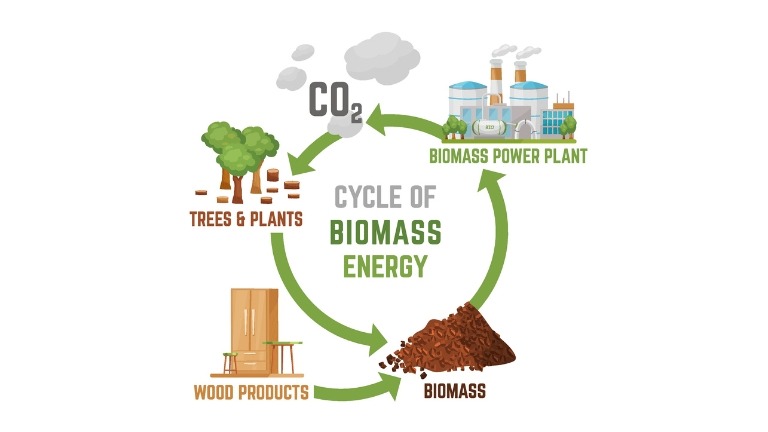
EN ISO 21644 is an essential standard for ensuring the compliance and traceability of solid recovered fuels (SRF). But how can you be sure that your materials comply ...

Honey adulteration is a growing threat to the industry, compromising quality, conformity and traceability. Addition of exogenous sugars, falsification of origin, purity tests ins...

The biobased paints revolutionize the industry with solutions that are both ecological and high-performing. But how to guarantee their quality and obtain the precious "Biobased Product" label...

The adulteration of essential oils threatens the quality of many natural products. How can professionals ensure the purity of these ingredients? Discover the methods...

Biogas production is a real strategic opportunity for industrial companies striving to reduce their energy costs and valorize their production waste. Find out more about...
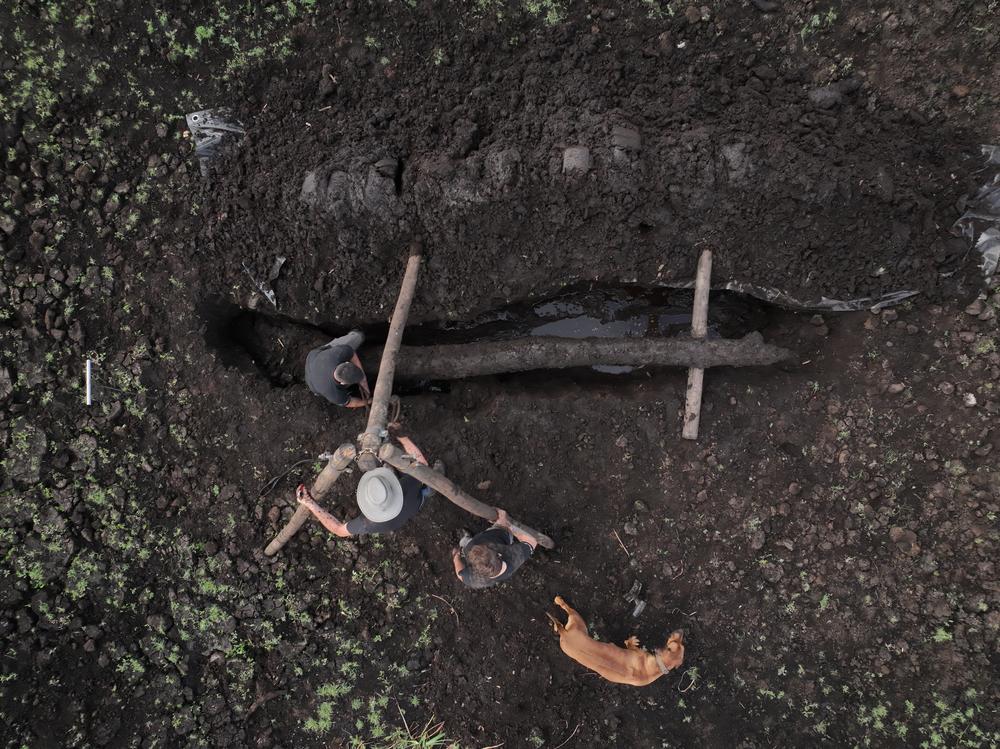
The CIRAM has dated two fossil woods whose exceptional preservation is explained in particular by their burial in a humid, oxygen-poor environment.
Find out what biobased products are, what their advantages are, and how manufacturers are integrating them to transform their practices.
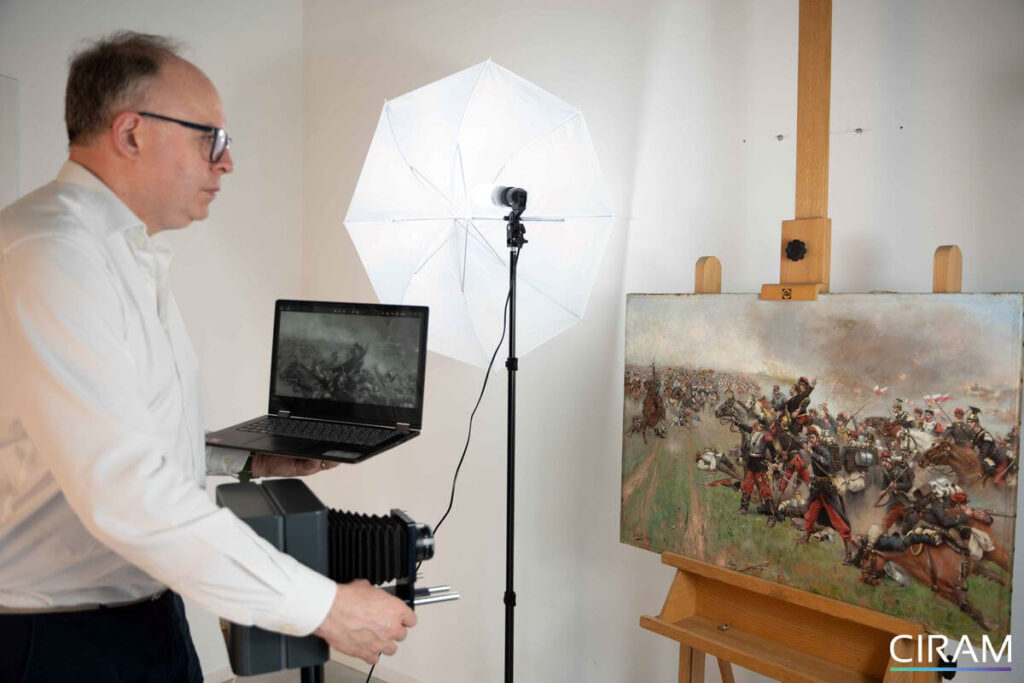
The scientific analysis of a painting combines several complementary methods for studying its support, materials, manufacturing technique, state of conservation, and a...
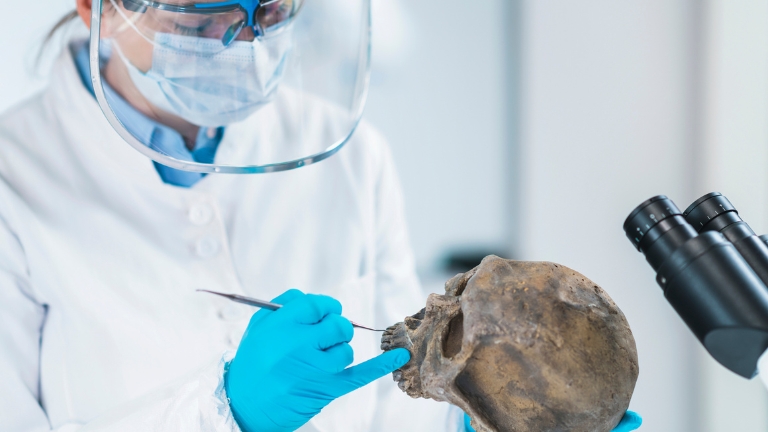
Discover the differences between scientific dating methods: Carbon 14, thermoluminescence (TL), and OSL.
What is the principle of C14 dating, its applications in art, archaeology, and also in the field of industrial analyses.

Find out when the carbon-14 method becomes ineffective and which alternatives to choose depending on the materials being analyzed.