
Article Outline
- Understanding xylology: a science at the service of artistic heritage
- Definition and origin of xylology
- Why xylology is essential to the art market
- Applying wood science to wooden objects
- Scientific methods for xylological analysis
- Concrete applications in the art market
- Xylology, the art market and the role of specialized laboratories like CIRAM
- Economic, regulatory and commercial issues
- CIRAM's key role in the analysis of wooden objects

As the science of wood applied to art, xylology plays a crucial role today in the authentication, dating, and conservation of wooden artworks. It involves identifying wood species, analyzing traces of craftsmanship, and can be combined with non-destructive imaging or carbon-14 dating. These scientific approaches help verify the origin, value, and longevity of works of art and antique furniture.
For art professionals, whether they are gallerists, experts, or even collectors, it is essential to rely on a specialized art laboratory like CIRAM to guarantee reliable, documented expertise adapted to market demands or for valuation purposes.
In this article, we explore what xylology is, how it can be applied to the study of wooden objects, and what role laboratories play in helping us better understand the origins of these works of art.
In summary:
- Xylology makes it possible to identify wood species, authenticate works of art, and gain a better understanding of their origin and history.
- Combined with dating techniques, scientific imaging, and physicochemical analyses, it provides objective evidence for the appraisal of wooden objects.
- Conducted by a specialized laboratory such as CIRAM, it ensures the security of transactions, the preservation, and the appreciation of artworks and antique furniture.
Understanding xylology: a science at the service of artistic heritage
Long confined to the life sciences or environmental archaeology, xylology has established itself as a strategic discipline for art professionals faced with challenges such as the authentication, conservation and traceability of works in wood.
Definition and origin of xylology
What is xylology? It is a scientific discipline dedicated to the study of wood, through the analysis of its anatomical structure, its physical and chemical properties, its botanical origin, and its evolution over time. This field of analysis is part of a multidisciplinary field, intersecting botanical xylology, dendrochronology, archaeo-dendrometry, and sometimes even anthracology.
However, xylology is not limited to a descriptive analysis within the art market. It becomes a decisive tool for the authentication of wooden art objects, for dating antique furniture, or for identifying the wood species used in a sculpture. It thus directly meets the expectations of gallery owners, restorers, experts, or art collectors wishing to secure the provenance of a work.
Why xylology is essential to the art market
In a context where forgeries are circulating on a massive scale and regulations are intensifying, xylology applied to the art market can meet several critical needs:
- Identify wood species and check their geographical and temporal coherence with the work studied (choice of wood species for objets d'art).
- Detect any modern additions or hidden restorations by analyzing tool marks on old wood or using non-destructive methods (radiography, tomography).
- Ensuring the traceability and provenance of a work of art, now a central criterion in any transaction or insurance procedure.
- Integrate wood analysis into a preventive conservation approach, particularly for ethnographic wooden objects and archaeological furniture.
That's why xylology isn't just about the science of wood. It is part of a global approach to heritage enhancement, combining scientific rigor, technical expertise and economic stakes.
Applying wood science to wooden objects
Xylology makes it possible to objectively analyze works of art in wood, whether for appraisal, dating or heritage conservation purposes.
Scientific methods for xylological analysis
As we have seen, xylological analysis can be combined with a range of complementary techniques, selected based on the nature of the object, its state of preservation, and the objectives of the study (authentication, dating, identification, conservation). Laboratories that conduct xylological studies, such as CIRAM, therefore employ several approaches:
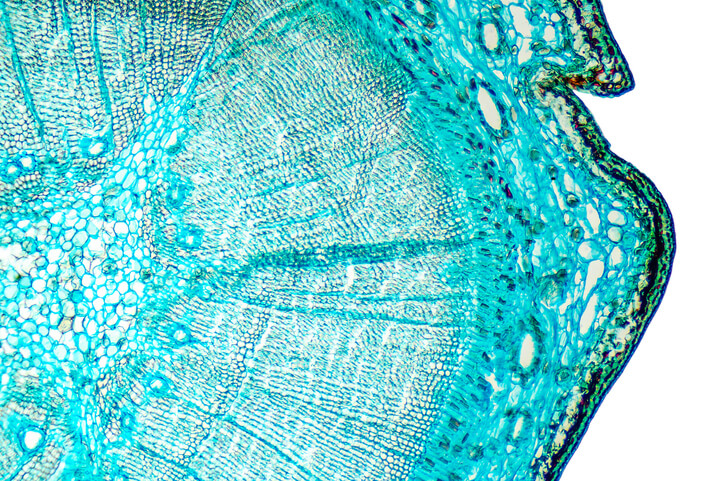
- Microscopic observation: this allows for the recognition of wood structures (fibers, rays, vessels) in order to precisely identify the species. This step is crucial for identifying wood species, which determines all historical recontextualization. In practice, species identification relies on the anatomical observation of wood according to three planes of analysis: transverse, tangential, and radial. Samples are examined under a microscope to identify cellular characteristics such as vessels, pore structure, the presence of tyloses or parenchyma, as well as the shape and distribution of wood rays. These observations are then compared to wood reference collections, called xylotheques, allowing for the precise identification of the tree's family, genus, and sometimes species.
- Physico-chemical analyses: they reveal the chemical properties of the wood (treatment residues, presence of glues or pigments) and detect alterations, consolidations, or undocumented subsequent interventions.
- Dating archaeological wood: radiocarbon dating proves particularly reliable for chronologically situating a work, even when it is fragmented. It can be supplemented by dendrochronology, when the growth ring series is legible and a regional reference exists. Xylology also constitutes an essential tool for certain dating approaches: it is notably used in our "augmented radiocarbon" dating technique, by allowing estimation of the tree's growth rate and thus reducing the radiocarbon dating intervals for tribal art objects to a few decades.
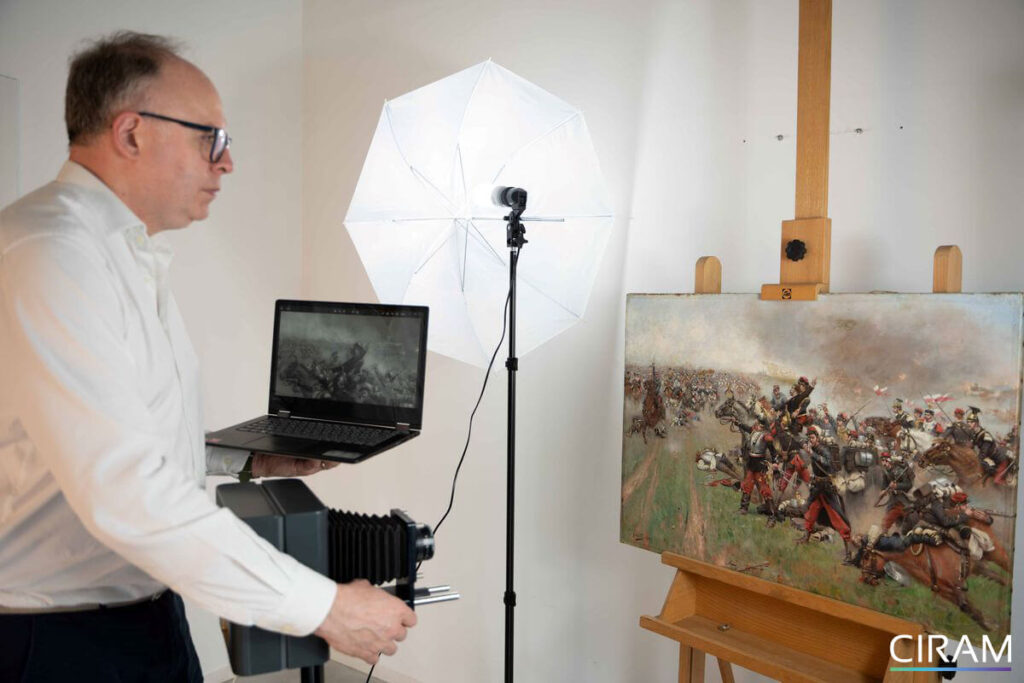
- Non-destructive techniques: they include various analysis methods such as radiography, tomography, or scientific imaging and allow intervention on valuable objects without sampling. These technologies facilitate the conservation and restoration of objects by documenting internal alterations invisible to the naked eye.
Concrete applications in the art market
The methods described above have direct applications in the analysis of archaeological furniture, ethnographic wooden objects and ancient sculptures. Xylology for art thus makes it possible to :
- Authenticate a work by revealing a wood inconsistent with the supposed period or geographical area.
- Determine the manufacturing techniques, through the analysis of shaping or assembly traces.
- Contribute to historical reconstruction, in connection with the evolution of the woody environment or the influence of climate on archaeological wood.
For art market professionals, these technical data provide a verifiable scientific basis for any appraisal, and reinforce the work's documentary and commercial value.
Xylology, the art market and the role of specialized laboratories like CIRAM
Even though compliance, transparency and valuation requirements are becoming increasingly stringent, xylology remains a strategic asset for art market professionals. Laboratories carrying out xylological analyses bring real added value to art professionals.
Economic, regulatory and commercial issues
Today's art market imposes ever stricter rules on the traceability and provenance of works of art. In this respect, xylological analysis provides the concrete proof expected by experts, insurers, auction houses and control institutions.
In particular, it allows you to :
- Document the origin of the wood by identifying the wood species and their compatibility with the presumed geography.
- Meet regulatory compliance requirements, particularly for the import/export of protected or high heritage value wooden objects.
- Avoid legal or commercial disputes thanks to reliable and verifiable wood expertise, objectified by complementary methods such as physico-chemical wood analysis, radiocarbon dating of wood, etc.).
As a result, methods for authenticating wooden objects—backed by scientific evidence—significantly enhance a work’s commercial value, while ensuring that collectors acquire pieces that are ethically and historically validated.
CIRAM's key role in the analysis of wooden objects
In France, CIRAM is one of the few laboratories to offer a multidisciplinary and comprehensive approach to the analysis of wooden objects, combining scientific rigor with in-depth market knowledge.
The services provided by the laboratory teams include :
- L’non-destructive wood analysisvia radiography or tomography to preserve the integrity of works of art.
- A combination ofxylology, dendrochronology, scientific wood imagingand carbon-14analysis for reliable dating and authentication.
- Personalized support, tailored to the specific needs of gallery owners, restaurateurs, and collectors, delivered within timeframes that align with market demands.
The criteria for the reliability of wood science analysis at CIRAM are based on certified analytical chains, transparent documentation, and interpretations contextualized by specialists in archaeological furniture and wooden artifacts.
Finally, for professionals looking for quality control or certification of biobased products, xylological analysis is a natural part of a responsible approach to value enhancement, at the crossroads of science, art and ethics.
To conclude this article, let us note that xylology has established itself as an indispensable science for authentication, complementing the dating and conservation of wooden artifacts. By employing rigorous methods such as species identification, physicochemical analysis, non-destructive imaging, carbon-14 dating, and other applicable techniques, xylological analysis meets the needs of professionals seeking reliable, traceable, and valuable authentication of their works of art.
As a global leader and recognized specialist in scientific analysis for the art market, CIRAM offers comprehensive expertise in xylology, wood archaeology, and radiocarbon dating, tailored to the needs of gallery owners, collectors, experts, and cultural heritage institutions.
Would you like to verify the authenticity of a work of art or confirm its provenance?
Request apersonalized assessmentfrom the CIRAM team.
Share this article

Related topics



Need more information or have a question?
Our team will get back to you as soon as possible.