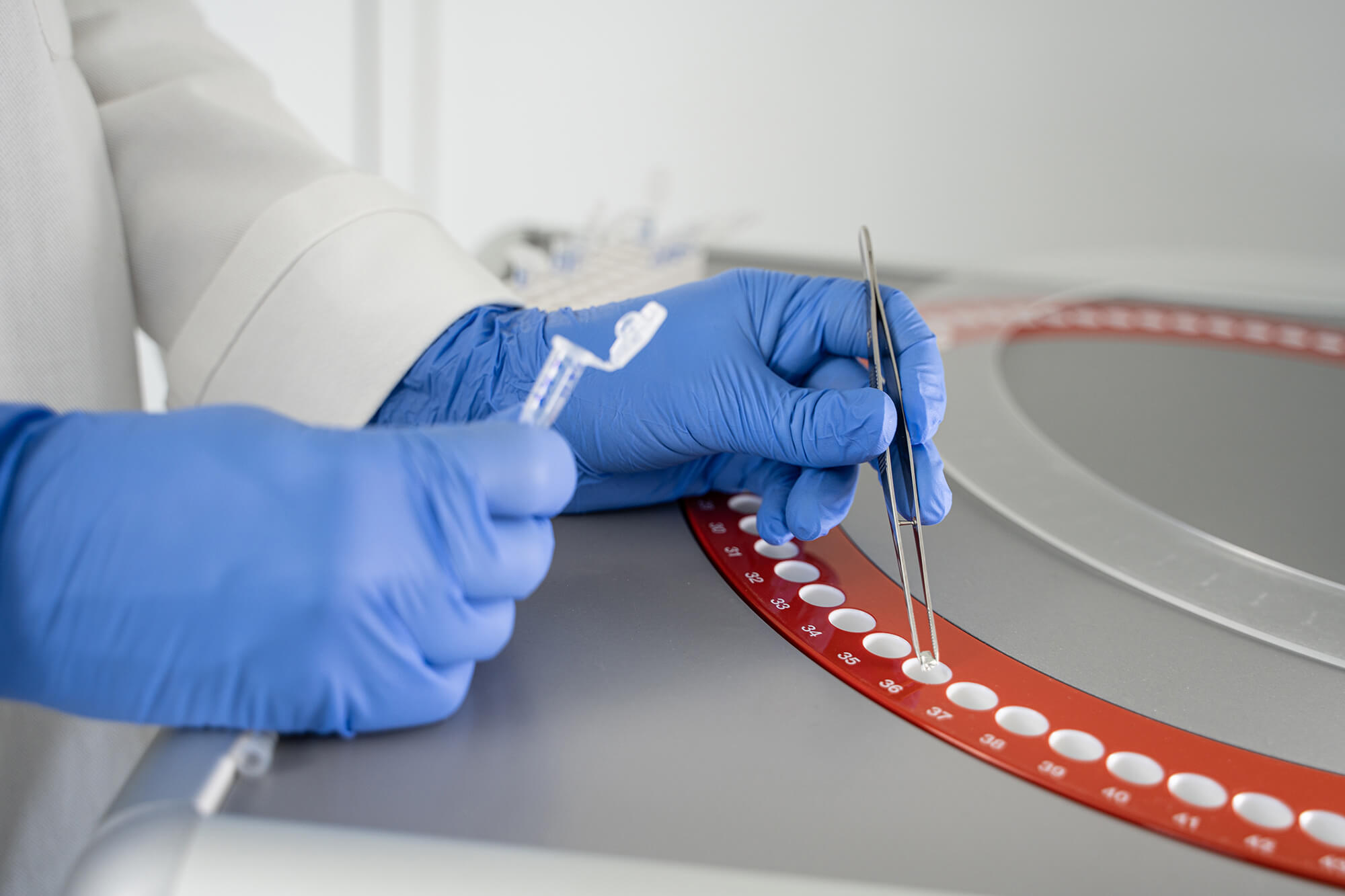


Carbon-14 dating is today much more than a method used by archaeologists. Thanks to advances in analytical techniques, it is used in many fields: study of archaeological remains, authentication of works of art, control of bio-based materials, protection of biodiversity, and scientific research.
Its principle remains the same: measuring the amount of carbon 14 present in an organic material. However, its applications vary depending on the objectives sought and the materials analyzed.
In this article, discover the main fields of application of carbon 14 on which the CIRAM laboratory works, as well as the specific challenges of each.
In summary:
- Carbon-14 has numerous applications in archaeology, the art market, industry, and the environment.
- The same scientific method addresses very different problems depending on the field of application.
The main applications of carbon 14
In archaeology: establishing the chronology of remains
Carbon-14 is one of the main dating methods in archaeology. It allows for the dating of many organic materials such as charcoal, bones, teeth, seeds, textiles, or peat, in order to place discoveries within their chronological context.
Combined with other approaches such as thermoluminescence (TL), OSL, or isotopic analyses, this method helps reconstruct the history of archaeological sites and ancient populations.
To discover:
- How does carbon-14 dating work?
- Carbon-14 dating for preventive archaeology
- How to date bones using carbon-14?
- Carbon-14 dating of peat
- Reservoir effect: dating marine organisms
- Comparison between Carbon 14, TL, and OSL
To authenticate works of art
In the field of heritage, carbon 14 allows for the dating of organic supports of a work: wood, canvas, paper, ivory, or textile. The results help to verify the consistency between the material and the announced period of creation.
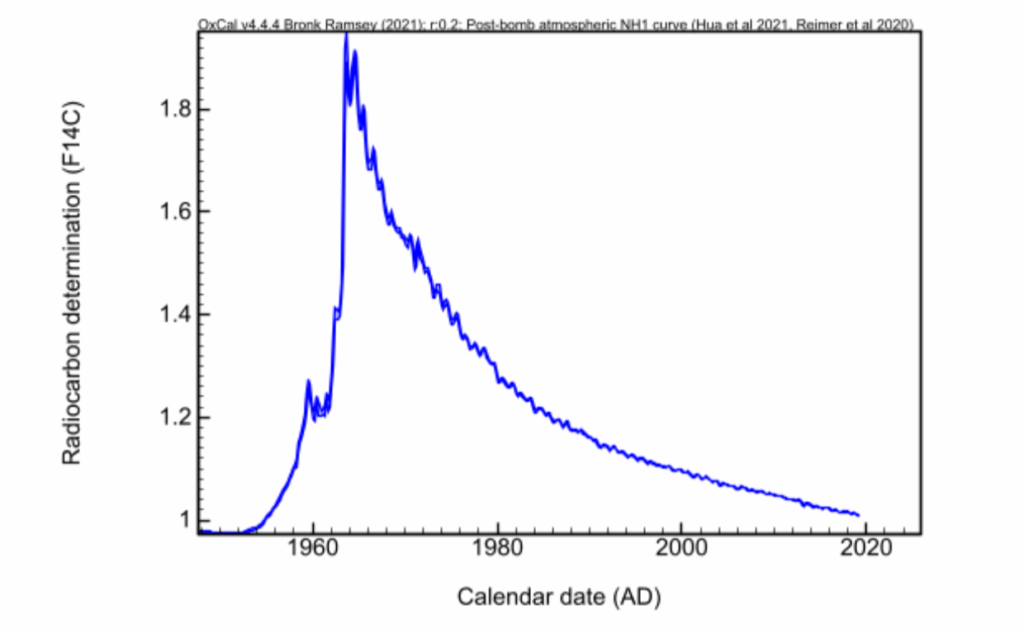
Furthermore, for materials produced after the 1950s, the post-bomb effect offers particularly high precision and facilitates the detection of recent fakes.
To delve deeper into the subject:
- Carbon-14 dating of paintings
- Carbon-14 dating of ivory
- Carbon-14 dating of wooden sculptures
- Enhanced carbon-14 dating dedicated to Tribal Art
- Carbon-14: what is the post-bomb effect?
To analyze bio-based materials
Carbon-14 is not only used for dating. In industry, it also makes it possible to measure the proportion of carbon of biological origin and to distinguish bio-based materials from those of fossil origin. This analysis meets the requirements of many standards and certifications applicable to plastics, paints, cosmetics, fuels, or combustibles.
Here are some examples:
- What is a biobased product?
- ASTM D6866 and radiocarbon analysis
- Carbon-14 dedicated to biopolymer analysis
- Analysis of recovered fuels: why use carbon-14?
Share this article

Related topics




Need more information or have a question?
Our team will get back to you as soon as possible.