




How to recognize bronze and differentiate it from brass?
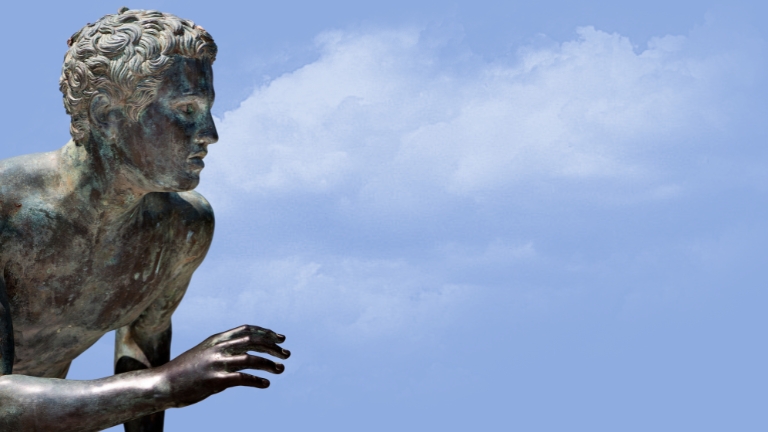
Distinguishing a work of art in bronze from one in brass is not possible at a glance, however expert. Deceptive patinas, invisible restorations, sophisticated forgeries...

Thanks to state-of-the-art scientific analysis techniques, CIRAM can help you understand the condition of your pieces and take appropriate conservation measures.
Contact our teams
Assessing the conservation of a work of art is essential to guaranteeing its longevity and value. Through this process, museums, collectors and art professionals can :
Trust CIRAM to assess the conservation of your parts with rigor and expertise.
Contact our teamsLeading museums and art professionals trust us to assess the conversation of their works.
To assess the conservation of a work of art, CIRAM offers specialized analyses based on cutting-edge scientific techniques. These techniques enable us to identify physical, chemical and biological alterations to the work:
Our team of experts selects the most appropriate techniques according to the nature of your objects and your problems.
Find out more about our analysis methodsCIRAM's conservation evaluation process follows a rigorous and transparent procedure:
We discuss with you the objectives of the appraisal (preservation, restoration, sale).
If necessary, we can guide you in the selection and dispatch of samples for analysis, taking care to preserve them during transport.
Depending on the materials, the state of preservation and the presumed dating, we determine the most appropriate methods(carbon-14, spectrometry ...), imaging...).
Our experts carry out in-depth laboratory analyses to assess the condition of materials and conservation techniques.
At the end of the analysis, we provide you with a detailed report including findings, recommendations and possible action to be taken.
CIRAM is the partner of choice for art conservation assessment thanks to :
Rely on CIRAM for reliable, relevant carbon-14 dating, carried out to the highest scientific standards.
Contact our teamsWe appraise paintings, sculptures, archaeological objects, textiles and antique furniture according to the materials and techniques used.
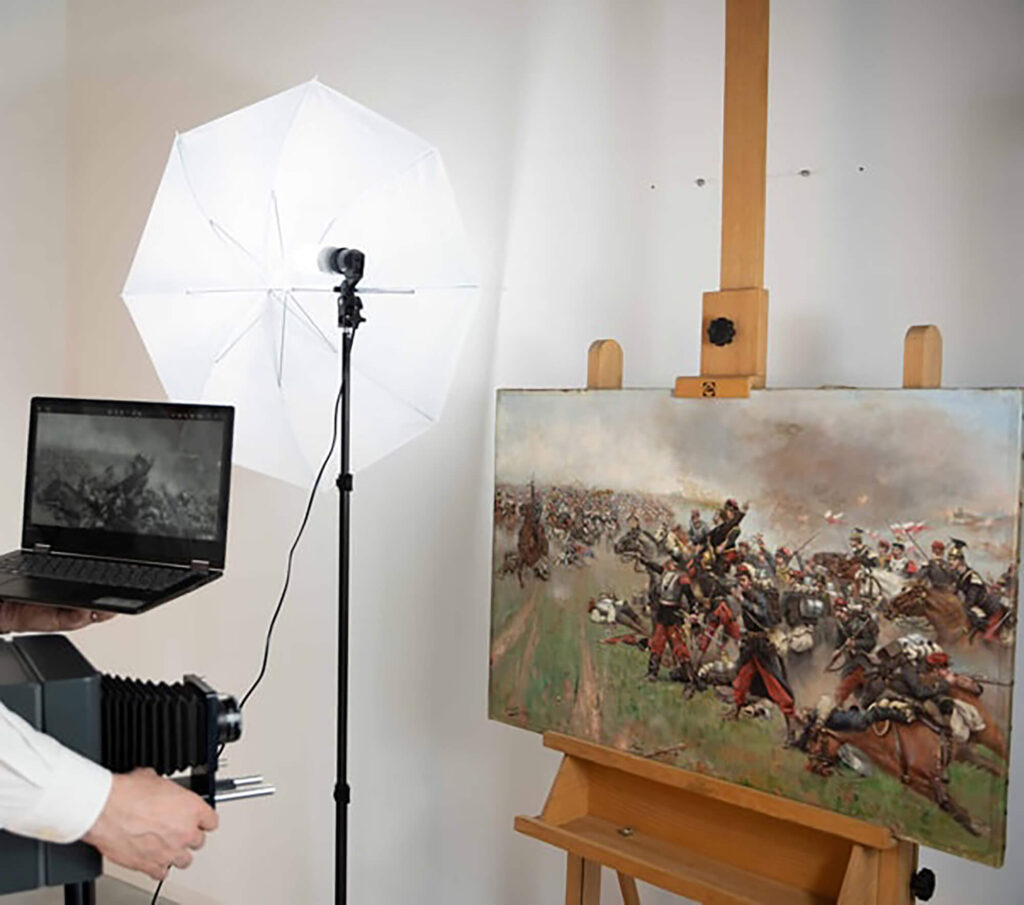
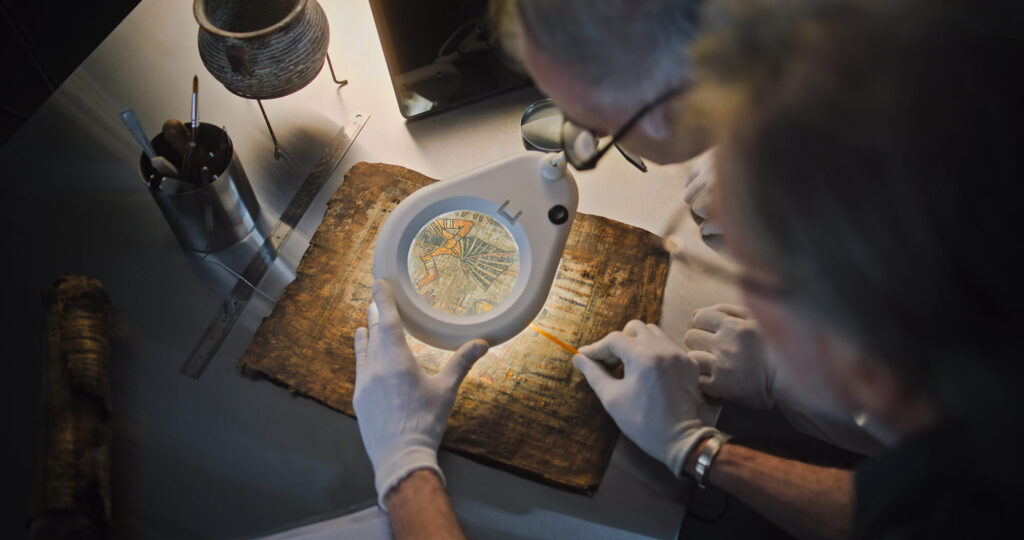
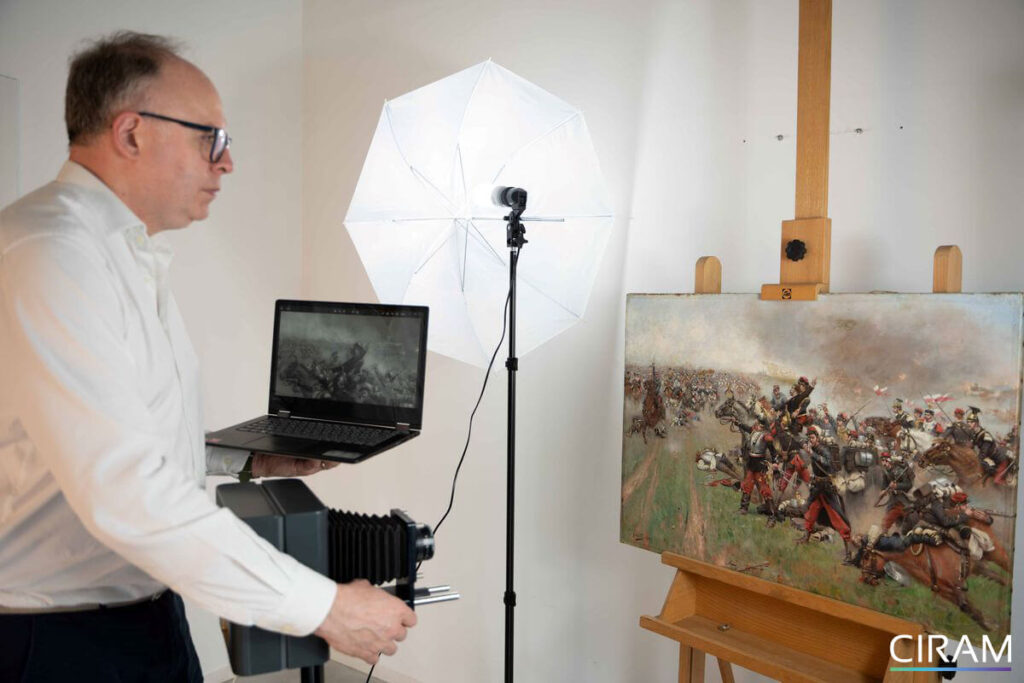
We use techniques such as microscopic examination, infrared or Raman spectrometry and carbon-14 dating for organic materials.
Depending on the complexity of the work, evaluation can take from a few days to several weeks.
Costs vary according to the work and analyses required. Contact us for a personalized quote.
You will receive a report detailing the state of conservation of the work, with recommendations for its preservation.
Check the historical compatibility of a painting by studying the pigments, binder and support used in relation to the period advertised.
Analyze the composition of materials to distinguish an old work from a modern reproduction, even if it has been cast or restored.
Use radiocarbon dating to accurately determine the age of your wood carving, ancient manuscript, painting or any other organic material, such as ivory...
Check whether your art object is genuine, thanks to scientific analyses adapted to its nature, origin and presumed period.
Distinguishing a work of art in bronze from one in brass is not possible at a glance, however expert. Deceptive patinas, invisible restorations, sophisticated forgeries...
A simple signature can make the difference between an anonymous work and a masterpiece valued in the millions on the art market. But what happens when that signature is...
Knowing how to recognize an authentic antique bronze is a strategic issue for art professionals, to guard against fakes. Patina, composition, corrosion: every clue can help you...
How to analyze a work of art without damaging it? Thanks to non-destructive analysis techniques, it is now possible to access valuable information about pigments, re...
Should optical imaging or radiography be used to analyze a work of art, an archaeological object or an industrial material? Behind this question lie the crucial issues of...
X-rays of paintings reveal what the eye cannot see: internal structures, hidden restorations and forgotten signatures. Thanks to advanced scientific analysis techniques...