






mortar

Analyzing old mortars

At CIRAM, we put materials science at the service of archaeologists, heritage architects and historians to date ancient constructions using mortar analysis.

Contact our teams

They trust us

Museums, DRACs, architects of historic monuments, local authorities and research institutes call on CIRAM for the scientific study of ancient materials.

DRASSM
INRAP
Ifpo
2 museum
National Geographic
Hades
archeo mortar

Do you want to analyze old mortars?

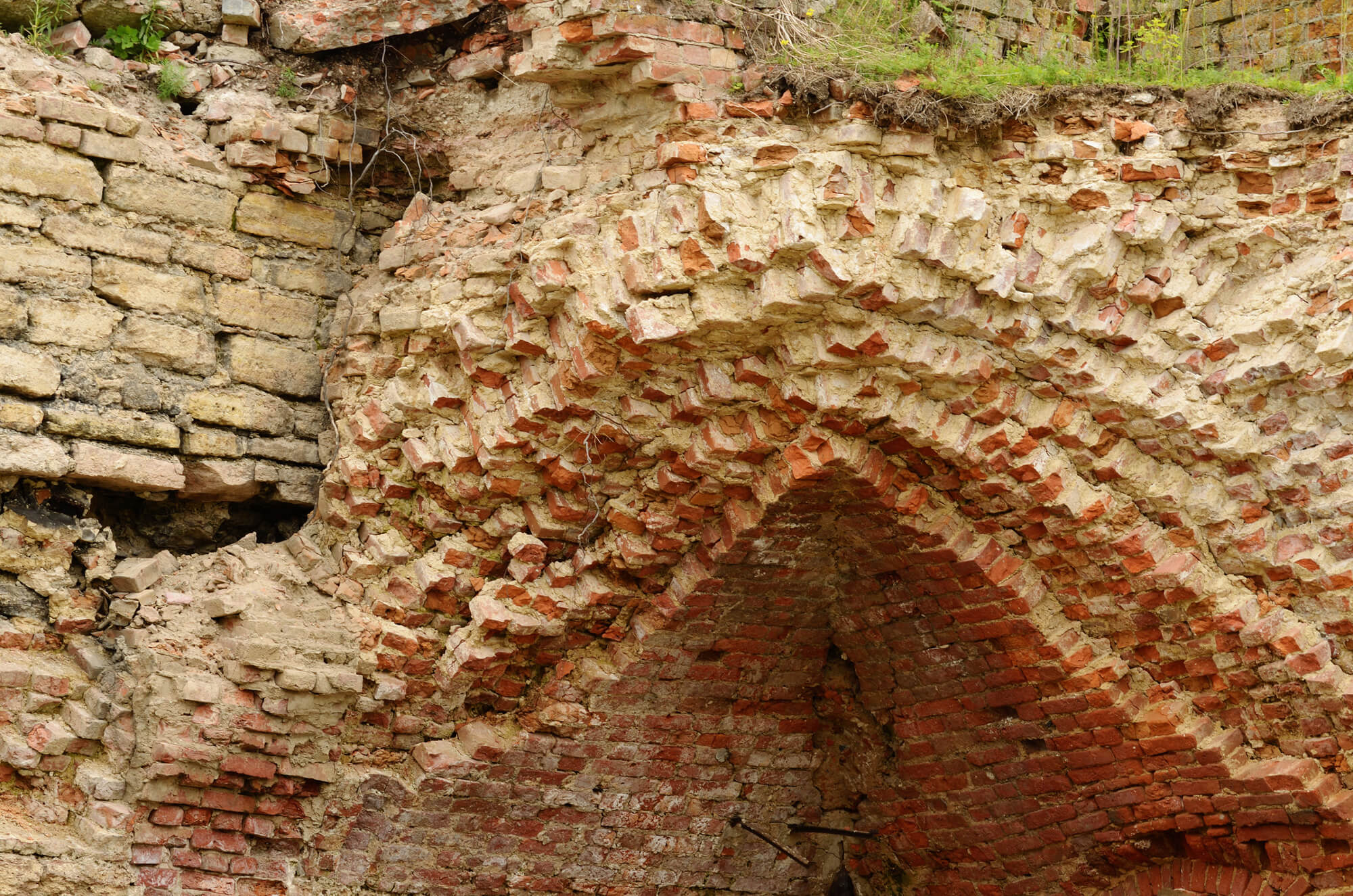
The mortars used in old buildings provide valuable information about the period in which they were constructed. By analyzing their composition and measuring their age, it is possible to :

  • Date the construction or restoration phases of a building,
  • Detect subsequent additions or modifications,
  • Understand traditional manufacturing techniques.

At CIRAM, we help heritage professionals, architects and cultural and cultural institutions in the physico-chemical analysis and dating of mortars, using a rigorous, documented scientific approach.

Contact our teams
microscopes being used during an experiment in a l 2025 04 03 13 43 00 utc

Our analysis techniques for studying old mortars

CIRAM uses several complementary methods to analyze old mortars:

  • Composition analysis: identification of binders (lime, plaster, old cement), aggregates (sand, crushed stone), additives, pigments.
  • Radiocarbon dating of mortar: measurement of the carbon-14 present in the carbonate fraction of the lime binder (formed during setting) or in charcoal.
  • Microscopy and petrography: study of internal structures, inclusions and porosity.
  • Spectroscopy and X-ray diffraction identification of mineral phases.

These analyses make it possible to date mortars, distinguish original materials from later interventions, and gain a better understanding of ancient know-how.

Find out more about our analysis of old materials

The steps in a CIRAM analysis

Our analytical approach is based on a proven protocol:

01 - Definition of objectives

We clarify your requirements (dating, composition) and select the most appropriate method.

02 - Sampling

We'll show you exactly how to remove the mortar fragments, or we'll intervene on site if necessary.

03 - Laboratory preparation

Separation of fine fractions, removal of contaminants, particle size sorting.

04 - Analysis

Implementation of selected techniques(carbon-14, chemical analysis, microscopy, etc.).

05 - Scientific report

Dating, analysis, interpretation, recommendations and visual support.

Why choose CIRAM for analysis of old mortars?

By choosing CIRAM, you benefit from :

  • Recognized expertise: over 20 years' experience in dating archaeological materials.
  • A multidisciplinary approach: combining archaeometrychemistry, geology and heritage.
  • Specialized equipment: adapted to old materials and fine analysis.
  • Usable deliverables: clear results, useful for restoration files, scientific publications or heritage appraisals.
  • A team that listens: we work closely with architects, curators, researchers and clients.
Contact our teams

Are you asking yourself these questions?

Can you really date old mortar?

Yes, by carbon-14 dating the lime binder formed during hardening, provided the mortar has not been contaminated. Or by carbon-14 dating of charcoal in the mortar.

What types of mortar can be analyzed?

Lime, plaster or cement mortars used in masonry, rendering or stone joints.

How much should I take?

Approx. 100 grams of mortar per analysis. We advise you on how to sample cleanly and efficiently.

What is the analysis time?

Allow 3 weeks on average, depending on the methods used.

Can restoration phases be detected?

Yes, by comparing several samples and cross-referencing the results, it is possible to distinguish between work campaigns.

Make an appointment with an expert

Get all the answers to your questions!

Make an appointment

Your other challenges in Archaeology

Scanning cinerary urns

Thanks to 3D imaging and X-rays, you can explore the inside of funeral urns without opening them, revealing their contents and state of preservation.

Carbon-14 dating
Carbon-14 dating

Obtain precise dates for your organic artifacts using the carbon-14 method, an essential reference in archaeometry.

Dating terracotta by thermoluminescence (TL)

Thermoluminescence (TL) makes it possible to accurately date heated ceramics, terracotta and minerals by analyzing their last exposure to a heat source.

Dating sediments by luminescence (OSL)

Determine the age of sediments and geological formations using optically stimulated luminescence (OSL), an essential method for reconstructing ancient environments.

Explore our dating and analysis resources

Archaeology
Comparison between carbon-14, TL, and OSL: which method should you choose?

Comparison between carbon-14, TL, and OSL: which method should you choose?

Choosing the right dating method in archaeology is not just a technical issue: it is a key decision that guides the entire interpretation of a site. Which technique to choose...

Read the article

Archaeology
The limits of carbon-14 dating: when should we turn to other methods?

The limits of carbon-14 dating: when should we turn to other methods?

How do you know whether a work of art, an archaeological object or a heritage item is really as old as it claims to be? Carbon-14 dating is often the method of choice, but it can also be used to...

Read the article

Archaeology
What role does anthracology play in preventive excavations?

What role does anthracology play in preventive excavations?

Anthracology plays a key role in preventive excavations: by studying archaeological coals, it sheds light on past human practices and paves the way for carbon dating...

Read the article

Archaeology
Mass spectrometry in archaeology: what for?

Mass spectrometry in archaeology: what for?

What methods are suitable for dating a fragile artifact, tracing the origin of a material or identifying millennia-old organic residues? Mass spectrometry provides access to...

Read the article

Archaeology
Dating for archaeology: why combine several methods?

Dating for archaeology: why combine several methods?

The cross-fertilization of dating techniques for archaeology guarantees the reliability of analyses in response to the complexity of the contexts and materials studied. Find out why...

Read the article

Archaeology
The importance of calibration in carbon-14 dating

The importance of calibration in carbon-14 dating

How can we guarantee the reliability of archaeological dating in a context where every year counts? Find out why carbon-14 calibration curves and laboratory expertise...

Read the article

Request a quote