



Dating terracotta by thermoluminescence (TL)

At CIRAM, we put our dating expertise at the service of archaeologyto establish the age of terracotta using the thermoluminescence (TL) method.

Contact our teams
TL terracotta

Do you need to date terracotta using thermoluminescence (TL)?

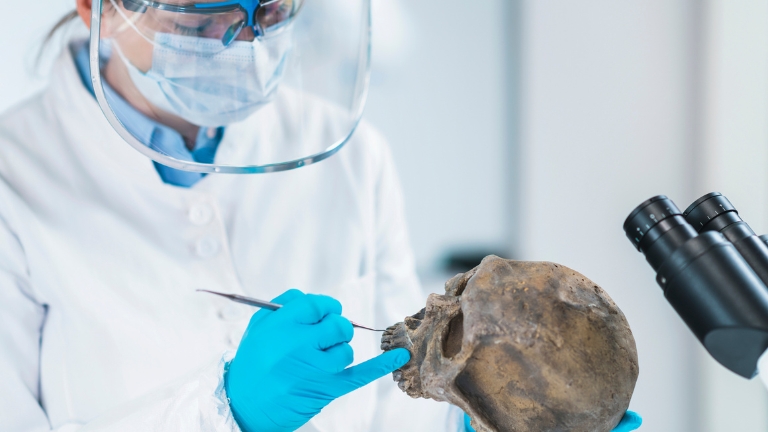
Thermoluminescence is a scientific scientific dating technique to determine the last firing of a ceramic, brick or terracotta object. It applies to crystalline materials heated to high temperatures (above 400°C), whose luminescent signal has been reset during firing.

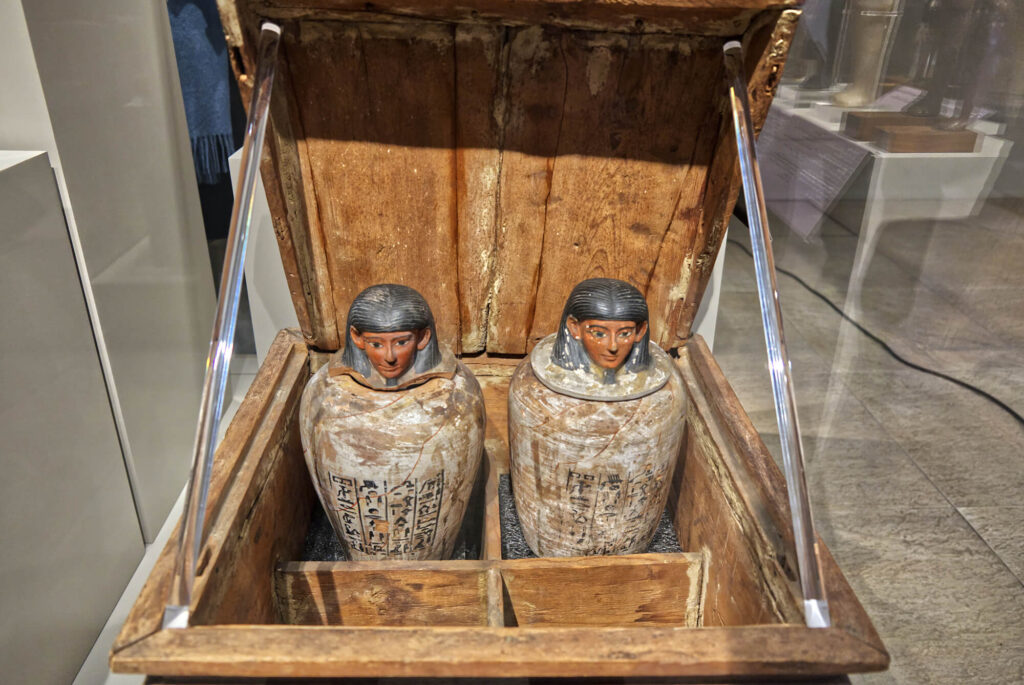
Used to date artifacts and archaeological sites where organic matter is absent or insufficient, this method provides the absolute firing age of objects, whether utilitarian, architectural or funerary.

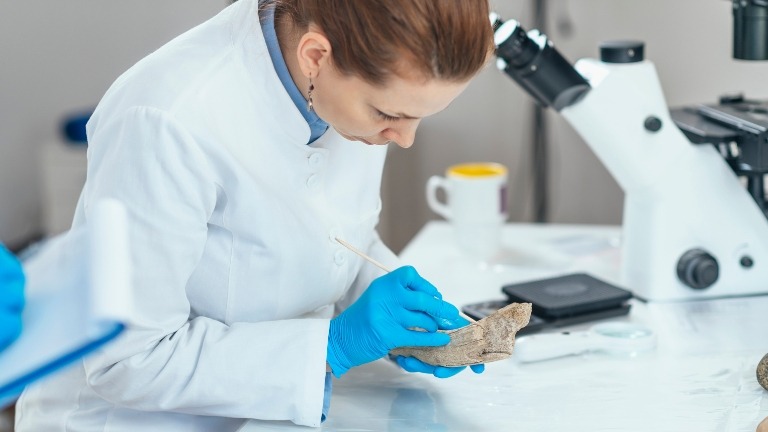
At CIRAM, we support you in the thermoluminescence dating of your ceramics, tiles, bricks, statuettes or other fired artifacts, from sampling to interpretation of the results.

Contact our teams

They trust us

DRASSM
INRAP
Ifpo
2 museum
National Geographic
Hades
dsc 8006

Our analysis techniques for dating terracotta by thermoluminescence

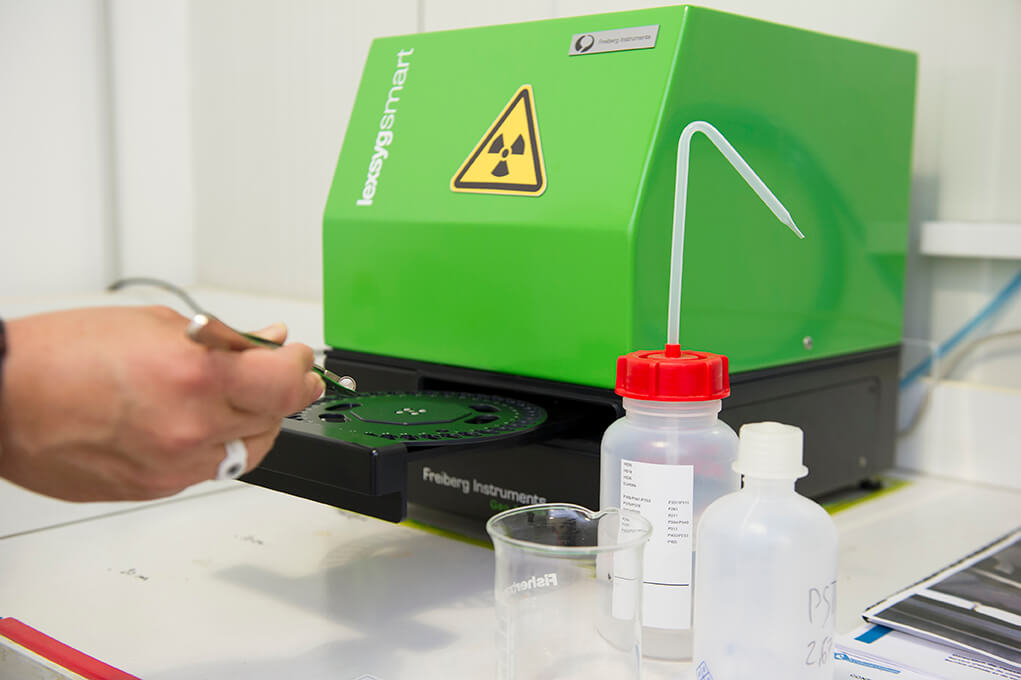
The thermoluminescence dating is based on measuring the energy trapped in minerals. This energy is released in the form of light when the sample is heated in the laboratory. The intensity of the luminescent signal is proportional to the time elapsed since the last firing.

At CIRAM, we produce :

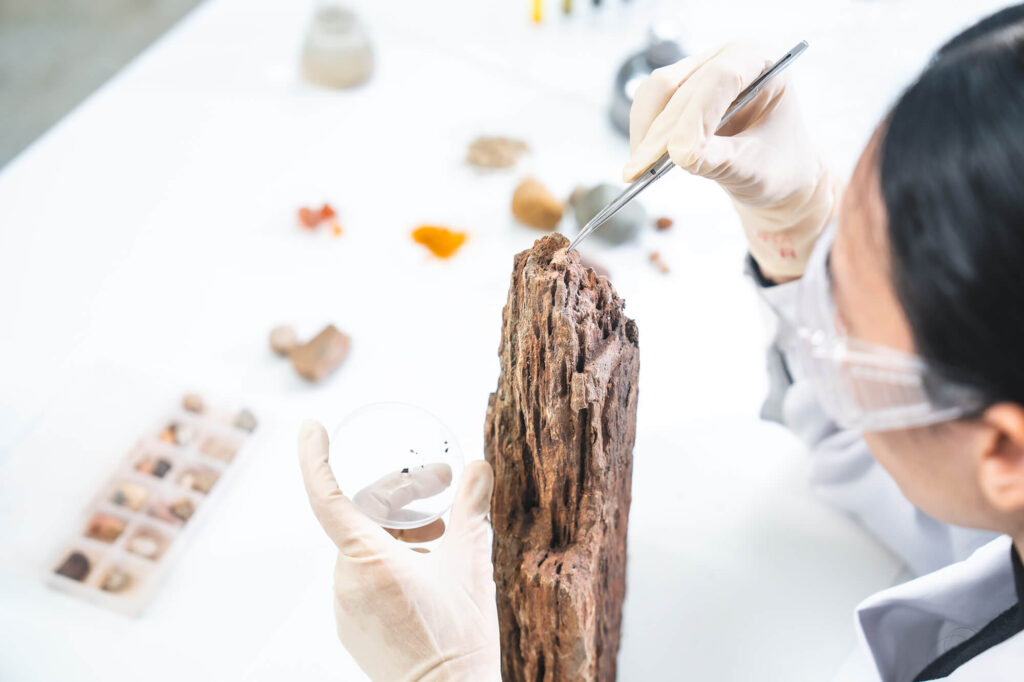
  • Sample preparation: controlled sampling of the material under inactinic light, ensuring that the integrity of the part is preserved.
  • Laboratory processing: chemical treatment, sieving, mineralogical selection.
  • TL analysis: measurement of equivalent dose (ED) and t of annual dose to calculate age since last firing.

Our equipment is calibrated to ensure highly reliable results, even on old, eroded or fragmentary objects.

Find out more about TL dating

The steps in a CIRAM analysis

Our TL dating process includes :

01 - Contact and scientific advice

Together, we define your objectives and the objects to be dated.

02 - Sampling or sending fragments

Depending on the nature of the object, a sample can be taken by you, with our assistance. We provide a precise protocol to avoid contamination.

03 - Sample preparation

Our specialists process samples under rigorously controlled conditions.

04 - Laboratory measurements

Analysis of TL signals, calculation of equivalent dose and annual dose.

05 - Interpretation and report submission

You receive a full report with dating, method used, uncertainties and background information.

Why choose CIRAM for TL dating?

When you call on CIRAM, you benefit from :

  • Over 20 years' experience in dating applied to archaeology.
  • Low-invasive, heritage-friendly methods .
  • Personalized support: our experts will advise you on sampling conditions, method limitations and interpretation of results.
  • High-precision, regularly calibrated equipment.
  • Solid references: CIRAM works with numerous French and international institutions.
Contact our teams

Are you asking yourself these questions?

What objects can be dated using thermoluminescence?

All archaeological terracotta (ceramics, bricks, tiles, statuettes, kilns) and heated minerals (hearthstones, flints, etc.).

Can restored pottery be dated?

Yes, provided you have an authentic, unconsolidated fragment. It is sometimes necessary to harvest from a non-visible part.

How much material is required?

In general, 2 to 3 cm³ of clay is sufficient. We'll work with you to ensure precise, minimum sampling.

What is the maximum/minimum age that can be dated?

TL is reliable for objects fired between 200 and 300,000 years ago. It is particularly used for prehistoric and ancient periods.

How long does an analysis take?

The average lead time is 3 to 4 months, depending on the number of samples and the complexity of the context.

How accurate is the method?

The margin of error varies according to the object and storage conditions, but is generally around ±5%.

Make an appointment with an expert

Get all the answers to your questions!

Make an appointment

Your other challenges in Archaeology

Scanning cinerary urns

Thanks to 3D imaging and X-rays, you can explore the inside of funeral urns without opening them, revealing their contents and state of preservation.

Carbon-14 dating
Carbon-14 dating

Obtain precise dates for your organic artifacts using the carbon-14 method, an essential reference in archaeometry.

Dating sediments by luminescence (OSL)

Determine the age of sediments and geological formations using optically stimulated luminescence (OSL), an essential method for reconstructing ancient environments.

Analyzing old mortars

Identify the composition and age of ancient mortars to better understand construction techniques and chronologically align heritage structures.

Explore our dating and analysis resources

Archaeology
Comparison between carbon-14, TL, and OSL: which method should you choose?

Comparison between carbon-14, TL, and OSL: which method should you choose?

Choosing the right dating method in archaeology is not just a technical issue: it is a key decision that guides the entire interpretation of a site. Which technique to choose...

Read the article

Archaeology
The limits of carbon-14 dating: when should we turn to other methods?

The limits of carbon-14 dating: when should we turn to other methods?

How do you know whether a work of art, an archaeological object or a heritage item is really as old as it claims to be? Carbon-14 dating is often the method of choice, but it can also be used to...

Read the article

Archaeology
What role does anthracology play in preventive excavations?

What role does anthracology play in preventive excavations?

Anthracology plays a key role in preventive excavations: by studying archaeological coals, it sheds light on past human practices and paves the way for carbon dating...

Read the article

Archaeology
Mass spectrometry in archaeology: what for?

Mass spectrometry in archaeology: what for?

What methods are suitable for dating a fragile artifact, tracing the origin of a material or identifying millennia-old organic residues? Mass spectrometry provides access to...

Read the article

Archaeology
Dating for archaeology: why combine several methods?

Dating for archaeology: why combine several methods?

The cross-fertilization of dating techniques for archaeology guarantees the reliability of analyses in response to the complexity of the contexts and materials studied. Find out why...

Read the article

Archaeology
The importance of calibration in carbon-14 dating

The importance of calibration in carbon-14 dating

How can we guarantee the reliability of archaeological dating in a context where every year counts? Find out why carbon-14 calibration curves and laboratory expertise...

Read the article

Request a quote