shutterstock 2495080315

Characterizing biofuels, RDF and emissions

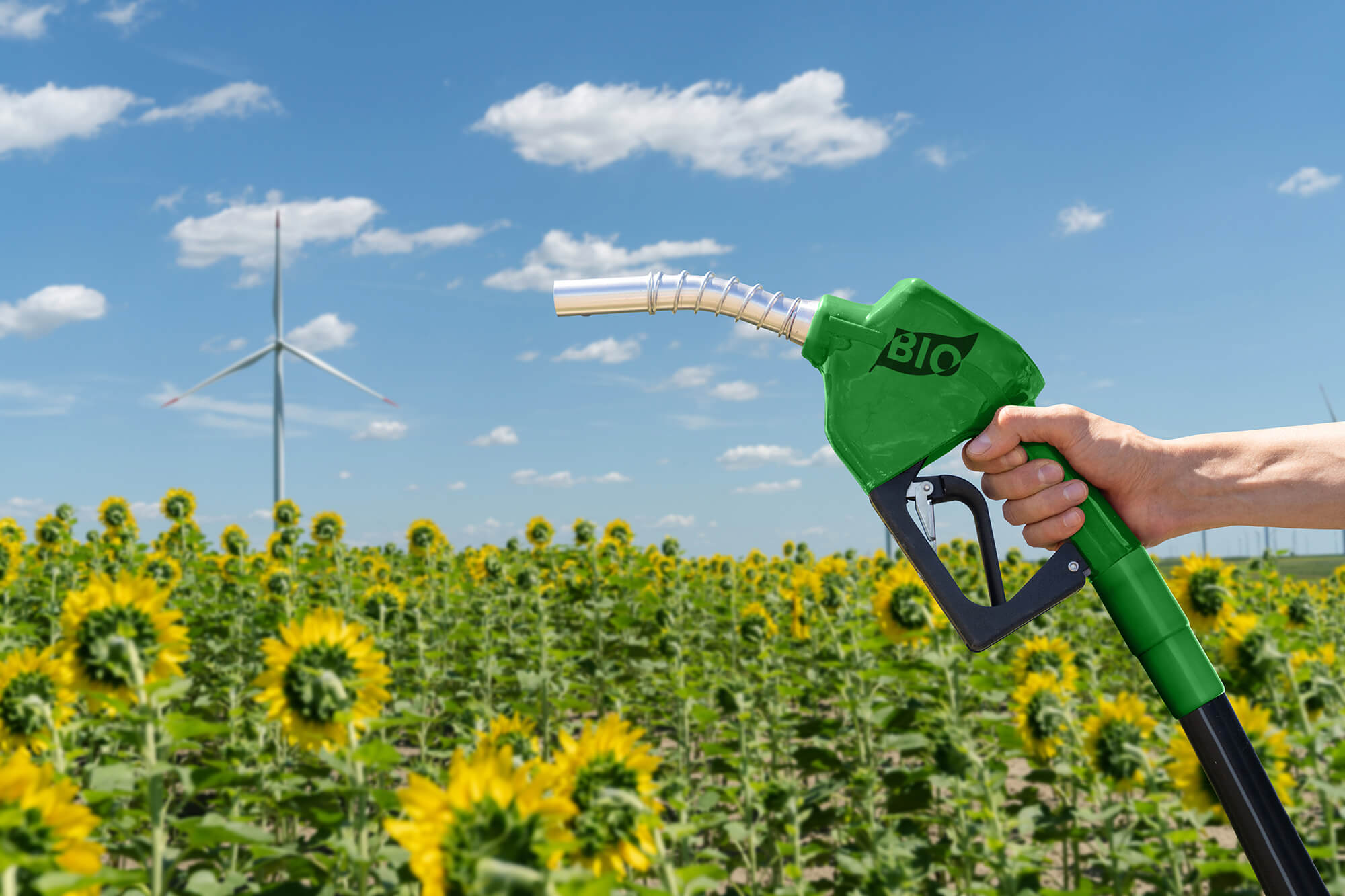
At CIRAM, we work closely with manufacturers in accurately characterizing the biobased content of their fuels and their atmospheric emissions, using standardized, recognized scientific methods.

Contact our teams
csr2

Why characterize the biogenic portion of a fuel or emission?

European regulations require producers and users of alternative fuels - such as biofuels - to biofuels or Solid Recovered Fuels (RSC) - to demonstrate the proportion of renewable carbon in their inputs and emissions. This data is essential for :

  • Meet the requirements of the RED II directive (renewable energies),
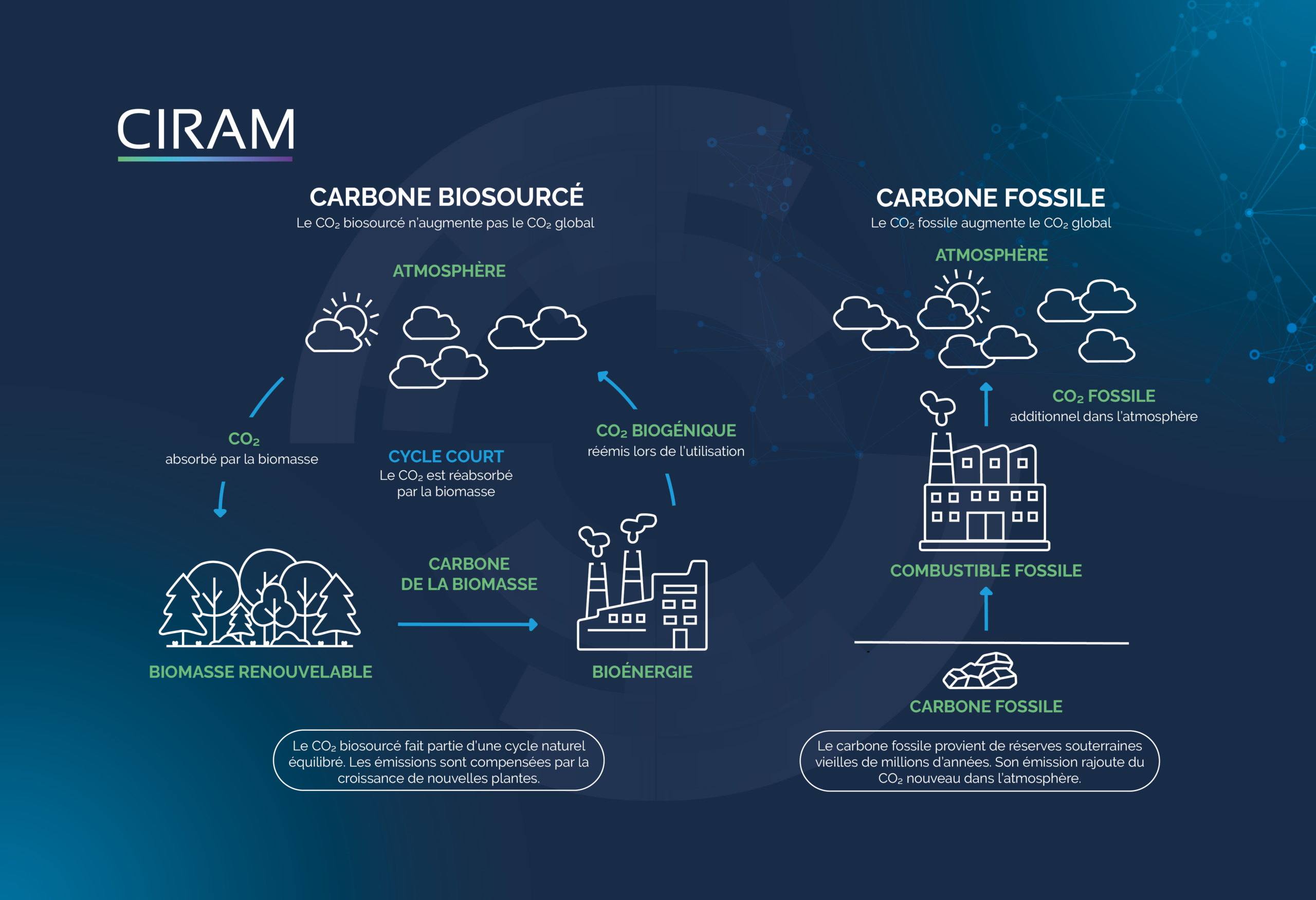
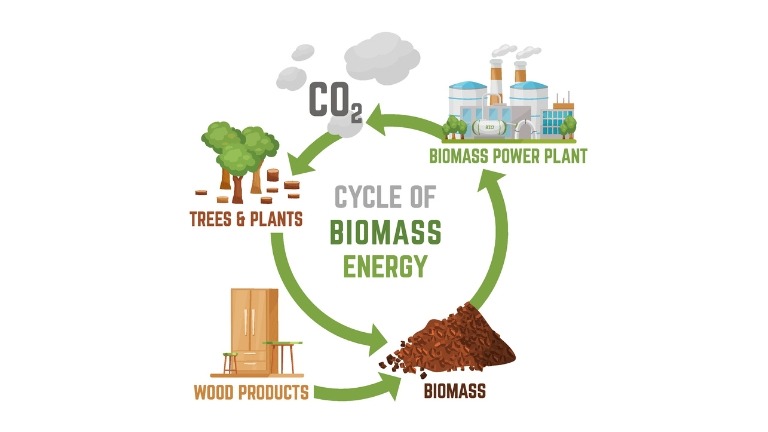
  • Calculate fossil vs. biogenic CO₂ emissions in carbon balances,
  • Justify eligibility for certificates of origin, carbon credits or support mechanisms,
  • Ensure regulatory compliance of classified facilities (ICPE, incinerators, cogeneration units, cement plants),
  • Promote the energy transition to authorities, investors and partners.

At CIRAM, we help you produce robust analytical evidence that is accepted by certification bodies, control authorities and industrial partners.

Find out more about biofuels, RDF and emissions

They trust us

Major players in the energy, waste treatment and chemicals sectors call on CIRAM to characterize their biofuels, RDF and emissions.

logo dossier essilor 2023
Solvay Logo 2023.svg
IFPEN
L'Oréal
Michelin
Eiffage
biofuel

Our techniques for industrial carbon-14 analysis

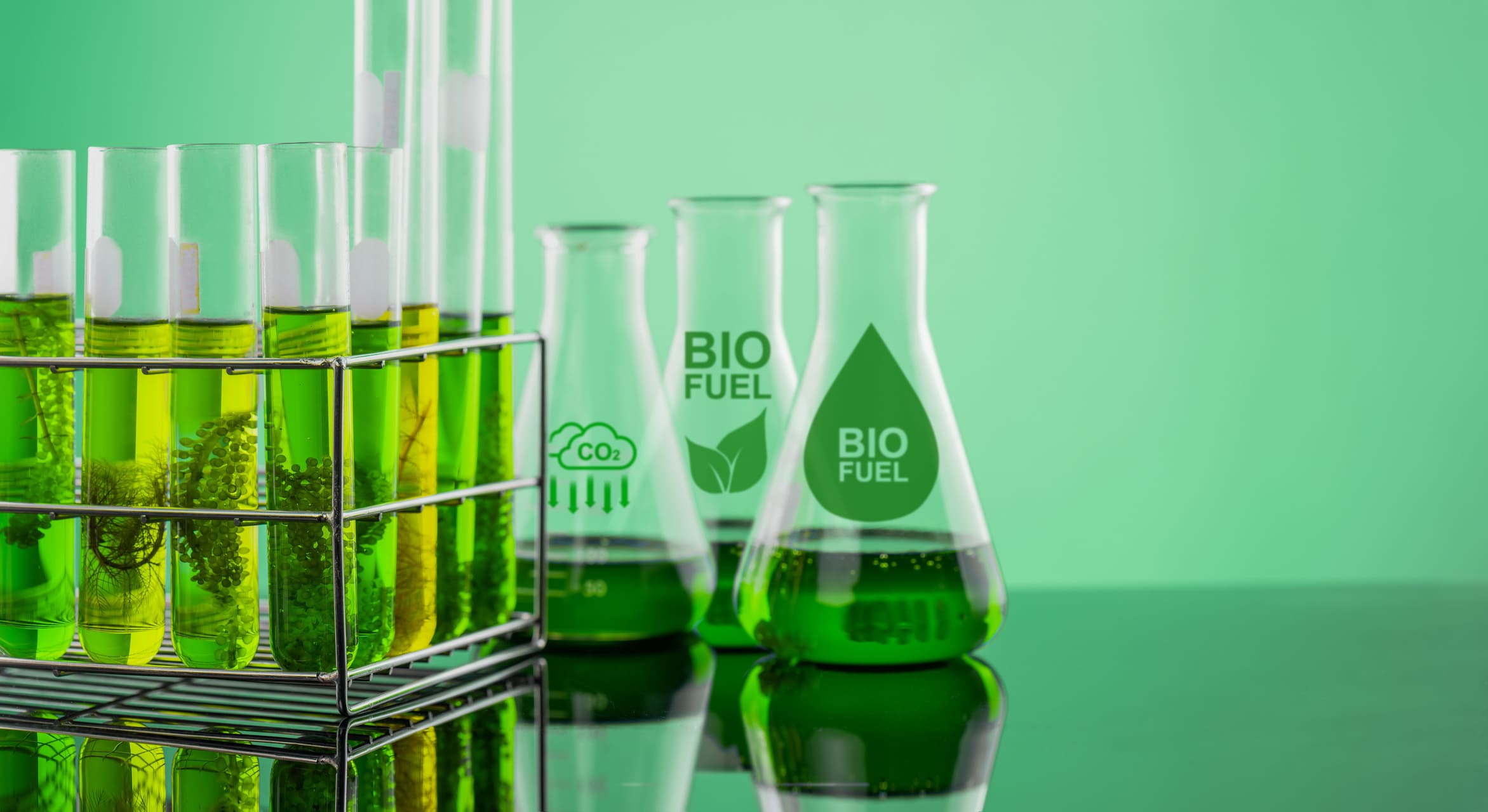
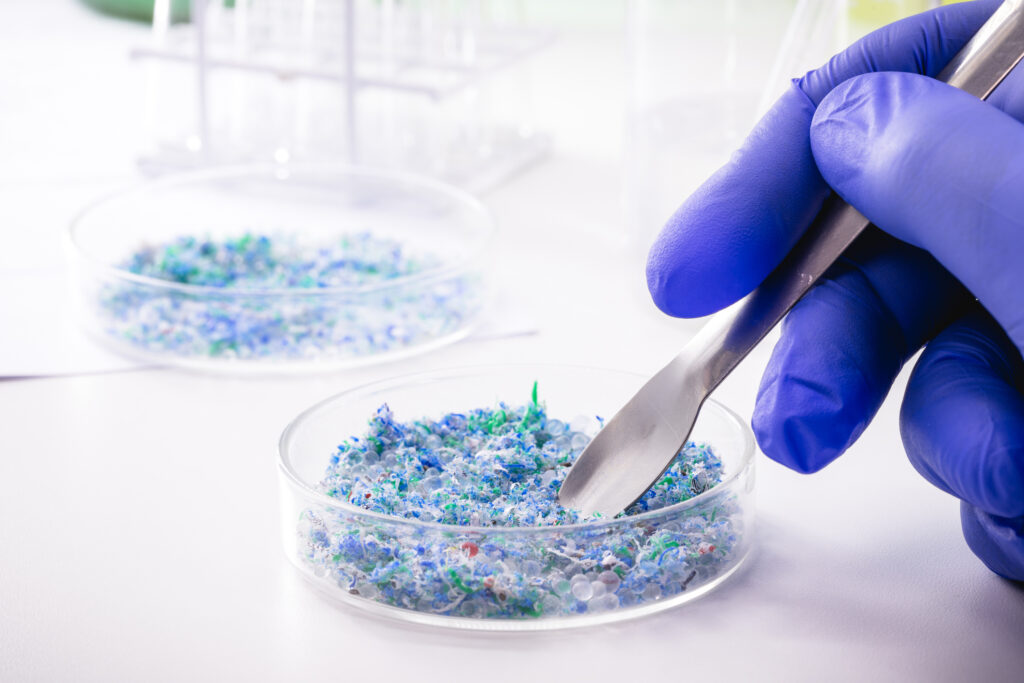
To quantify the renewable portion of a biofuel, RDF (Refuse-Derived Fuel), or CO₂ CO₂ emissionemission, CIRAM relies on carbon-14 analyses using mass spectrometry (AMS), recognized as the international reference method. This technique makes it possible to distinguish between fossil carbon (without ¹⁴C) and carbon of biogenic origin (containing ¹⁴C) with exceptional precision, in the order of 0.3%.

Our protocols comply with ISO 21644 (CSR) or ASTM D6866 (biofuels) standards, depending on the nature of the sample and your regulatory objectives. In addition, a stable isotope analysis is performed to refine the interpretation, particularly in cases of mixed organic sources or litigation.

Each sample is prepared and analyzed in our laboratory according to rigorously validated procedures, guaranteeing traceability, reproducibility and robustness of results. You benefit from a clear, standardized report that can be used directly in your compliance, certification or environmental enhancement procedures.

Request a quote

The steps in a CIRAM analysis

CIRAM 's analysis process is rigorous and transparent:

01 - Qualifying your needs

We work with you to identify the type of sample, the applicable standard, the regulatory context and your objectives (declaration, audit, benchmarking, etc.).

02 - Sampling protocol

We provide you with precise instructions for collecting, packaging and shipping samples (liquids, solids, gases).

03 - Laboratory preparation and processing

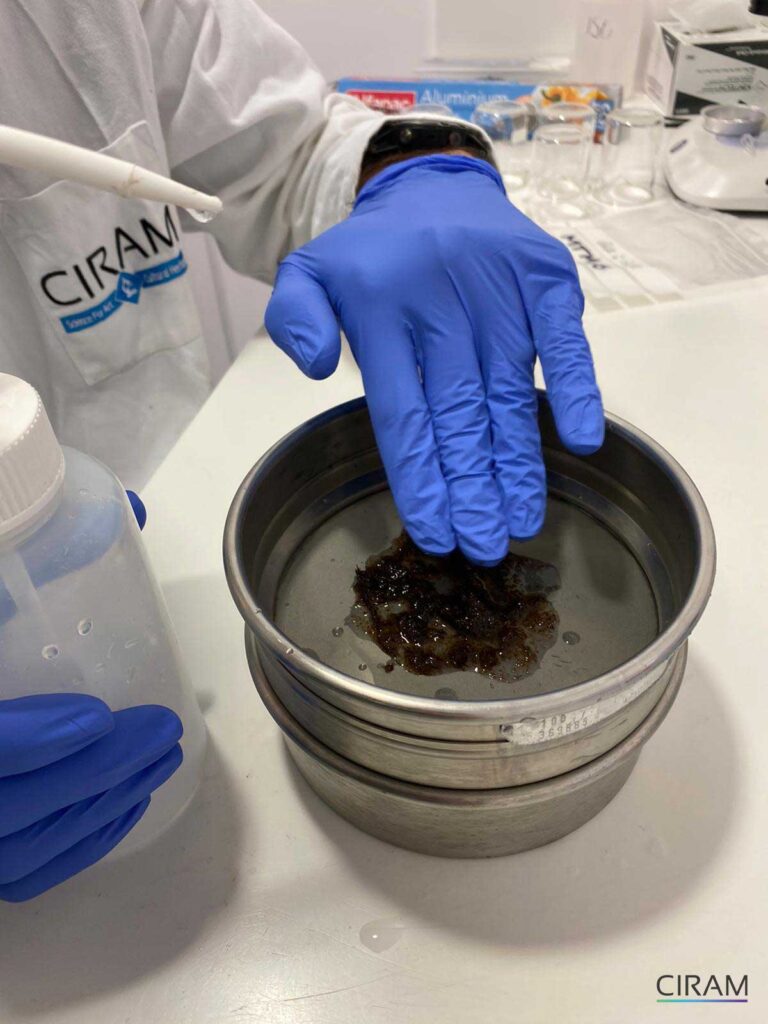
Each sample is handled according to strict procedures to guarantee accuracy of analysis, even for heterogeneous or complex materials.

04 - Carbon-14 and isotopic analysis

Analysis is carried out according to the relevant standard, with the possibility of quality control or double analysis.

05 - Results and support

You receive a full report, with biobased data expressed in %.

Why choose CIRAM to characterize your fuels and emissions?

When you choose CIRAM, you benefit from the support of an independent laboratory, specialized in carbon-14 analysis and recognized for the quality of its services on complex matrices. We regularly work with :

  • Producers of RDF, biofuels and SAF wishing to demonstrate the renewable energy value of their batches,
  • Operators of boilers, cogeneration units or industrial furnaces, as part of regulatory declarations,
  • Biogas, biomethane and synthetic fuels players involved in RED II or LCA certification programs,
  • Consulting firms or public authorities, as part of independent audits or expert appraisals.

We deliver our results within 10 working days, accompanied by a technical interpretation and, if necessary, a discussion with your teams to integrate the data into your reports or internal tools.

Contact our teams

Are you asking yourself these questions?

What types of samples can you analyze?

Solid RSCs, liquid biofuels (ethanol, HVO...), biogas, CO₂ from flue gases, or complex mixtures (textiles, plastics, biomass...).

Does your analysis comply with current standards?

Yes, our methods comply with ISO 21644, ISO 13833 and ASTM D6866 standards. Results can be used for regulatory audits, certifications or CSR reports.

Do you supply sampling kits for gases or CSR?

We can guide you through the sampling protocol and put you in touch with equipped service providers if necessary.

Can I have a complex mixture analyzed (e.g. CSR containing plastic, paper and textiles)?

Yes, carbon-14 analysis is particularly well-suited to this type of heterogeneous mixture, enabling the total renewable content to be identified.

Can the analysis be used to benefit from carbon credits or support mechanisms?

Yes, our reports can be used as proof to access regulatory or financial schemes (quotas, green certificates, LCA, etc.).

Make an appointment with an expert

Get all the answers to your questions!

Make an appointment

Your other challenges in the Biobased Industry

Quantifying biobased content

Measure the proportion of renewable raw materials in your formulations and certify their biobased origin.

Measuring naturalness

Check the authenticity and natural composition of your products to meet the requirements of eco-labels and consumers.

Analyze according to ASTM D6866

Make sure your products meet international standards for biobased content by following ASTM D6866.

Radiocarbon analysis

Carbon-14 analysis enables us to distinguish carbon of fossil origin from carbon of biological origin with recognized scientific precision.

Explore our dating and analysis resources

Industry
Milk adulteration: what laboratory testing methods are available?

Milk adulteration: what laboratory testing methods are available?

Milk adulteration is a threat to the quality and conformity of dairy products. What methods can be used to detect these frauds quickly, reliably and ...

Read the article

Industry
How to check the naturalness of a flavor using carbon 14?

How to check the naturalness of a flavor using carbon 14?

Test the naturalness of your flavors and dietary supplements using radiocarbon and stable isotopes. Carbon 14 and stable isotopes allow...

Read the article

Industry
Why trust an ISO/IEC 17025 accredited laboratory for your stable isotope analyses?

Why trust an ISO/IEC 17025 accredited laboratory for your stable isotope analyses?

Stable isotope measurements play a key role in the quality control and traceability of industrial materials. But how can you be sure of the reliability of your results? By entrusting your...

Read the article

Industry
ISCC Plus certification: how to secure your biobased supply chains?

ISCC Plus certification: how to secure your biobased supply chains?

Increasing demands for traceability and sustainability make ISCC Plus certification a strategic asset for manufacturers involved in biobased products. Find out more...

Read the article

Industry
ISO 21644: an essential framework for CSR analysis

ISO 21644: an essential framework for CSR analysis

EN ISO 21644 is an essential standard for ensuring the compliance and traceability of solid recovered fuels (SRF). But how can you be sure that your materials comply ...

Read the article

Industry
How to recognize adulterated honey

How to recognize adulterated honey

Honey adulteration is a growing threat to the industry, compromising quality, conformity and traceability. Addition of exogenous sugars, falsification of origin, purity tests ins...

Read the article

Request a quote