Fossil wood samples dated by the CIRAM laboratory
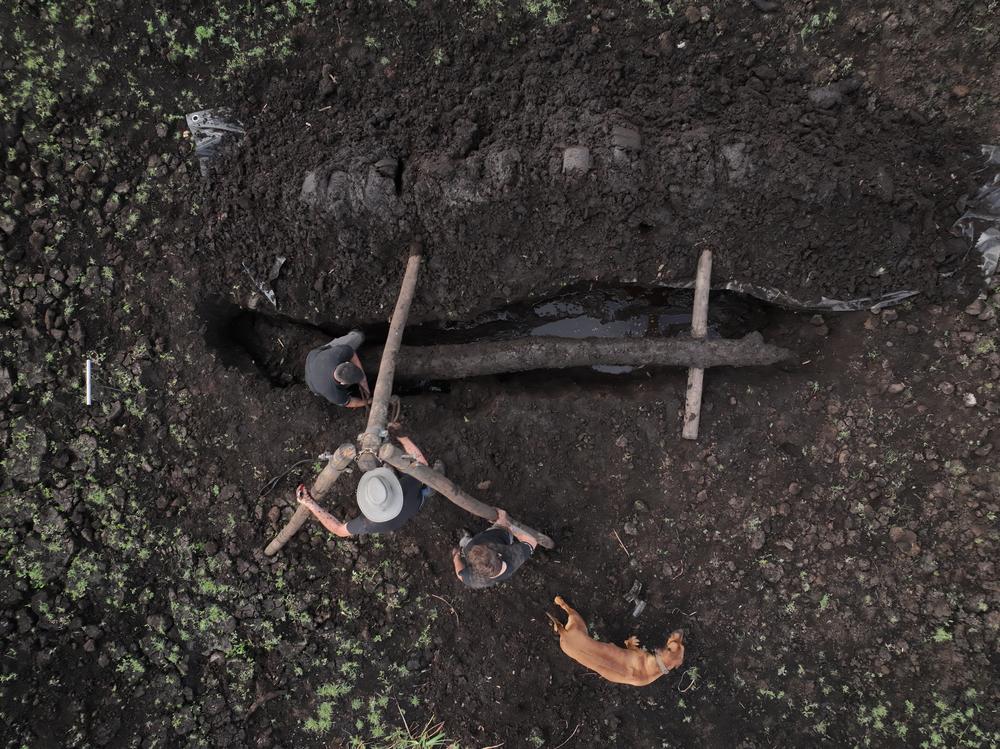
CIRAM has dated two fossilized pieces of wood, whose exceptional state of preservation is due in part to the fact that they were buried in a humid, oxygen-poor environment.

The carbon-14 dating is a scientific reference method for determining the age of ancient organic materials. CIRAM uses this technique for three main fields of application:
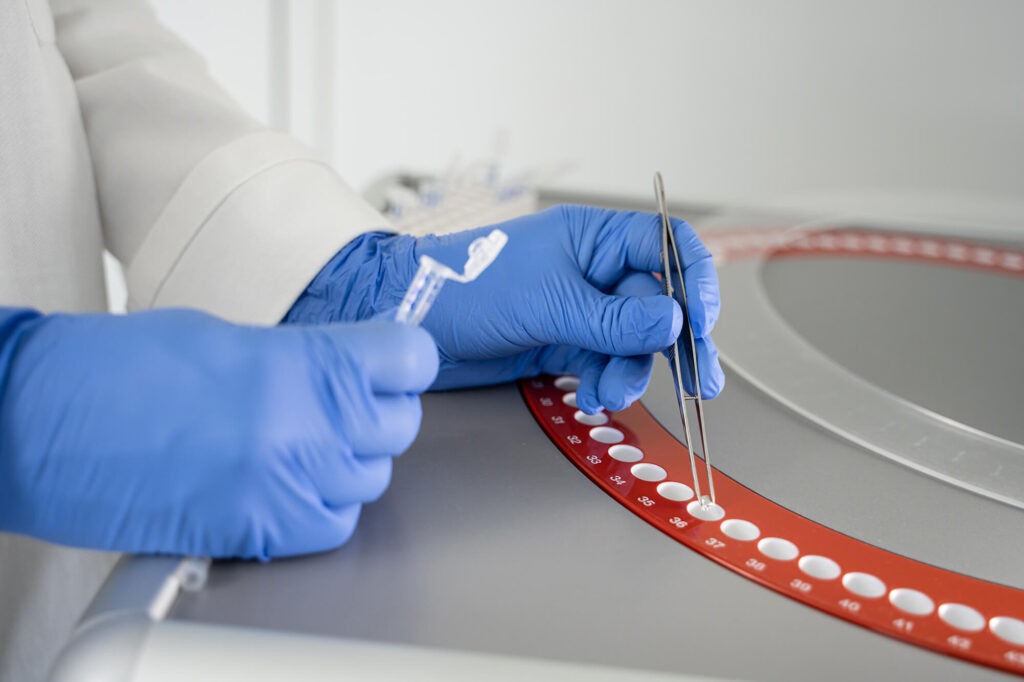
Thanks to state-of-the-art instrumentation (AMS - Accelerator Mass Spectrometry) and rigorous protocols, we can analyze samples as small as a few milligrams, with an accuracy of less than 0.5%, even outside an archaeological context.
Contact our teamsThe performing carbon-14 dating dating makes it possible to accurately determine the age of an organic sample up to 50,000 years old. It is used for :
Our teams of scientists use measurements of radiological activity to determine the age of artifacts. After sampling in the field, our laboratories guarantee results within 10 working days to meet the constraints of preventive archaeology.
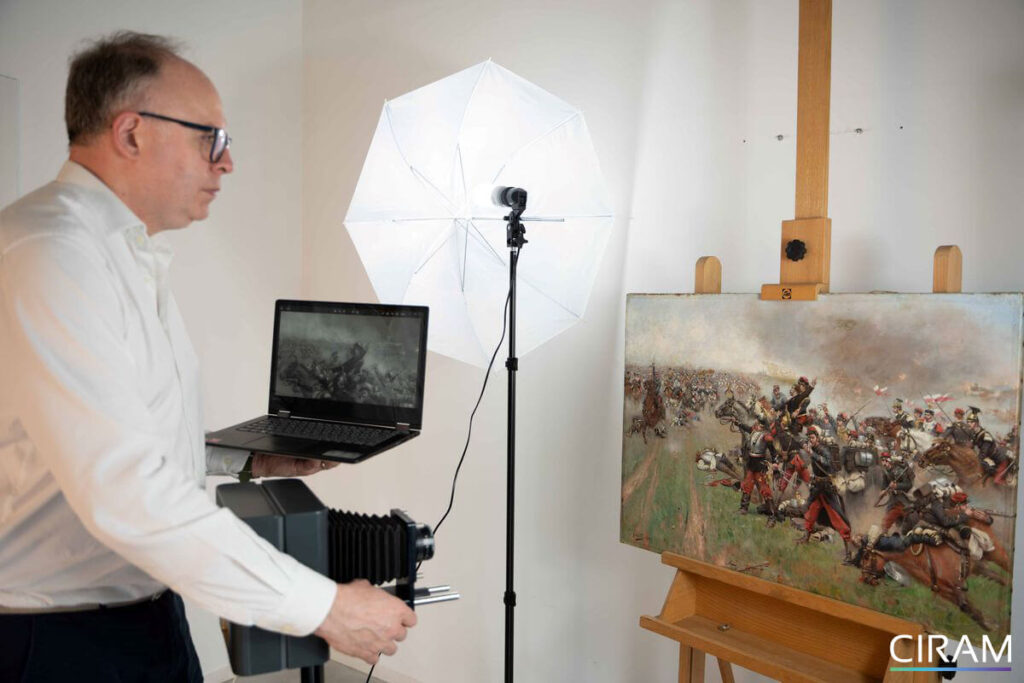
Read moreThe carbon-14 technique is a recognized solution for verifying the authenticity of art objects made of organic materials such as wood, paper, ivory or even bones. Used alone or in conjunction with analyses such as xylology or radiography, it enables :
This method provides experts with a rigorous scientific basis to support their appraisals and guarantee the traceability of works.
Read moreFor manufacturers, carbon-14 dating makes it possible to quantify the proportion of carbon of biological origin in a product, according to ASTM D6866 (biobased products) and EN 16640 (biopolymer materials). This analysis is essential for :
With an accuracy of less than 0.5%, CIRAM helps manufacturers optimize their formulations.
Read more
Unlike carbon-14 dating, which applies to organic materials, dating by thermoluminescence thermoluminescence (TL) and optically stimulated luminescence (OSL) can be used to determine the age of mineral materials that have been heated (firing) or exposed to light (insolation), such as :
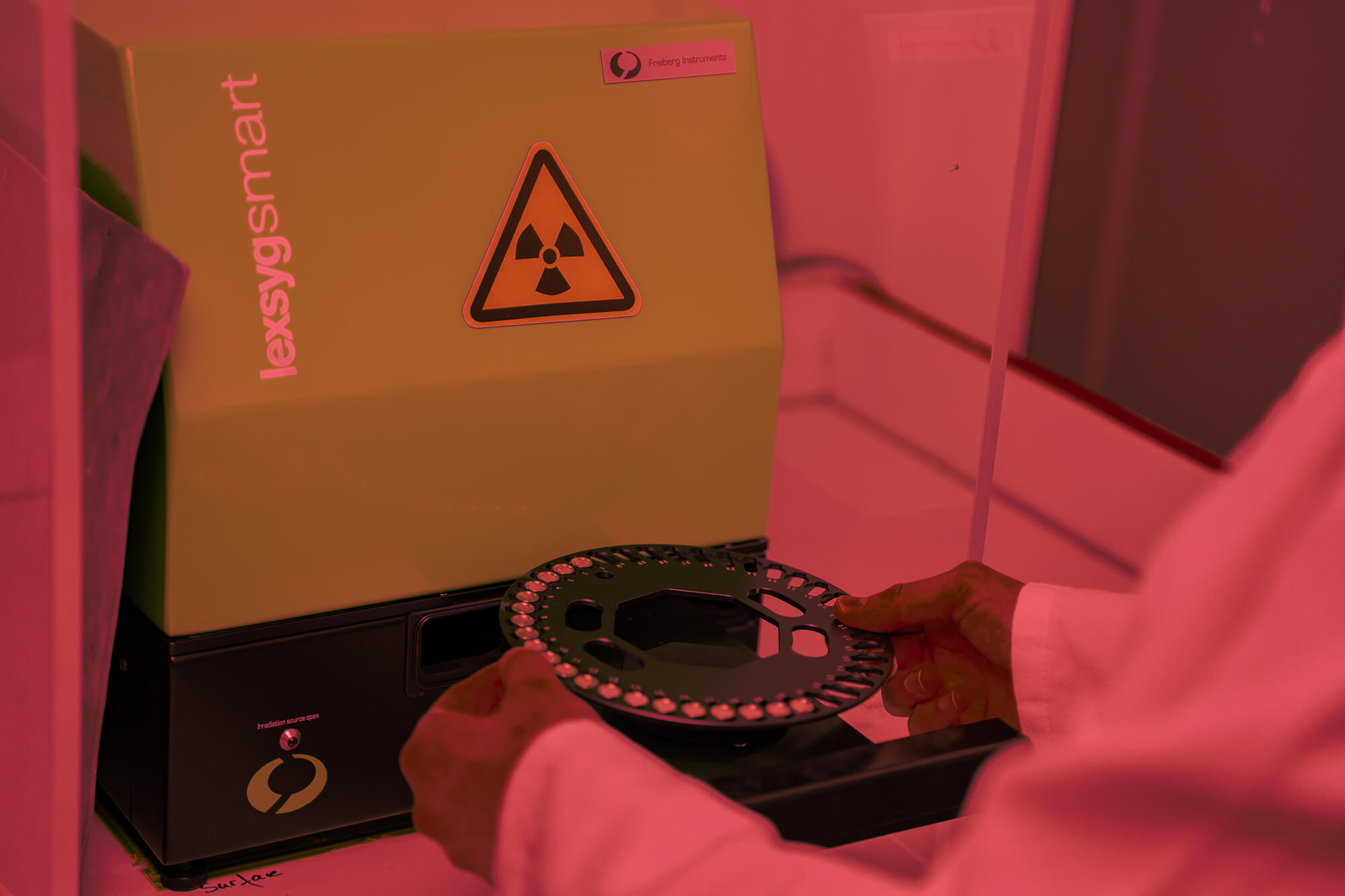
At CIRAM, we use the TL-OSL LexsygSmart reader, a state-of-the-art technology that ensures reliable, reproducible and rapid results, even on small, restored or deteriorated antique objects.
Thanks to these analyses, we meet the needs of archaeologists, heritage experts and art market players in terms of dating, authentication and conservation.
Contact our teamsTL/OSL dating is an essential archaeological method for determining the age of terracotta. determine the age of terracottaceramics, bricks, tiles or hearthstones. It identifies the moment when an object was last fired, thus revealing its date of manufacture.
Particularly useful when carbon-14 dating is not applicable, this method :
In the field of cultural heritage, TL/OSL dating can be used to check whether a work of terracotta, ceramic or porcelain conforms to the supposed period of its creation.
By analyzing the luminescence emitted by the constituent minerals (quartz, feldspars), it is possible to :
OSL dating is applied to exposed sediments to estimate the time elapsed since their last exposure to natural light. This technique is invaluable for reconstructing environmental or geological events:
Luminescence dating contributes to the scientific conservation of historical objects and museum collections. It can be used to assess the age of decorative or architectural pieces such as :
This method is particularly popular with museums, curators and private collectors wishing to authenticate a piece prior to acquisition or exhibition.
For 20 years, CIRAM has been an international benchmark in scientific dating and materials analysis. Our laboratories support museums, art market experts, archaeologists and manufacturers by providing precise, rigorous analyses in line with international standards.
Thanks to our expertise in carbon-14 dating and luminescence (TL/OSL), we help our customers authenticate objects, date artifacts and characterize bio-based materials.
Our state-of-the-art equipment and strict protocols guarantee reliable, rapid results tailored to every need, whether you're appraising a work of art, studying an archaeological relic or validating an ecological certification.

We analyze a wide range of materials, whether organic (wood, ivory, bone, paper, textiles) or mineral (ceramics, terracotta, metals, glass, stones, sediments), using our different dating methods.
Carbon-14 is used to date organic materials, while luminescence (TL/OSL) is applied to minerals heated or exposed to light, such as ceramics and sediments.
We guarantee results within 10 working days for carbon-14 dating. Turnaround times for other analyses vary according to the complexity of the samples and the methods used.
We support our customers every step of the way. After making contact, we provide detailed instructions for shipping samples under the best possible conditions.
The cost of dating depends on the nature of the sample, the technique used and the number of samples to be analyzed. Please contact us for a personalized quotation.
CIRAM has dated two fossilized pieces of wood, whose exceptional state of preservation is due in part to the fact that they were buried in a humid, oxygen-poor environment.
An indispensable dating method, carbon-14, or radiocarbon, is used to date archaeological artifacts, authenticate works of art, or measure bio-based content.
Find out what biobased products are, what their advantages are, and how manufacturers are integrating them to transform their practices.
The scientific analysis of a painting combines several complementary methods that make it possible to study its support, materials, production technique, state of preservation, and its a…
Choosing the right dating method in archaeology is not just a technical issue: it is a key decision that guides the entire interpretation of a site. Which technique to choose...
How can you authenticate a work of art or an archaeological relic with scientific rigor? Carbon-14 dating offers a reliable and precise method for analyzing organic materials...