





How to recognize bronze and differentiate it from brass?
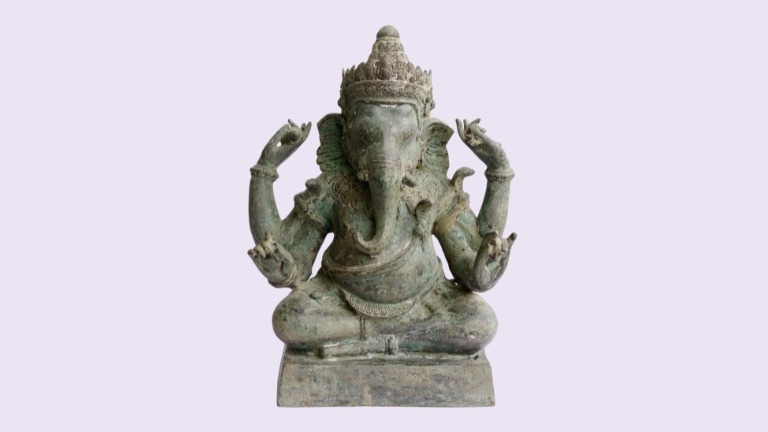
Distinguishing a work of art in bronze from one in brass is not possible at a glance, however expert. Deceptive patinas, invisible restorations, sophisticated forgeries...

At CIRAM, we place our scientific expertise at the service of art market professionals. art market professionals to establish a reliable and documented dating of your antique works.
Contact our teams
Whether it's a collector's item or a piece destined for sale, dating is the key to success. dating plays a strategic role:
CIRAM supports museums, collectors and experts in these sensitive processes with scientifically validated results.
Contact our teamsLeading museums and art professionals trust us to authenticate their objects.
At CIRAM, each work is analyzed according to its nature and production context.
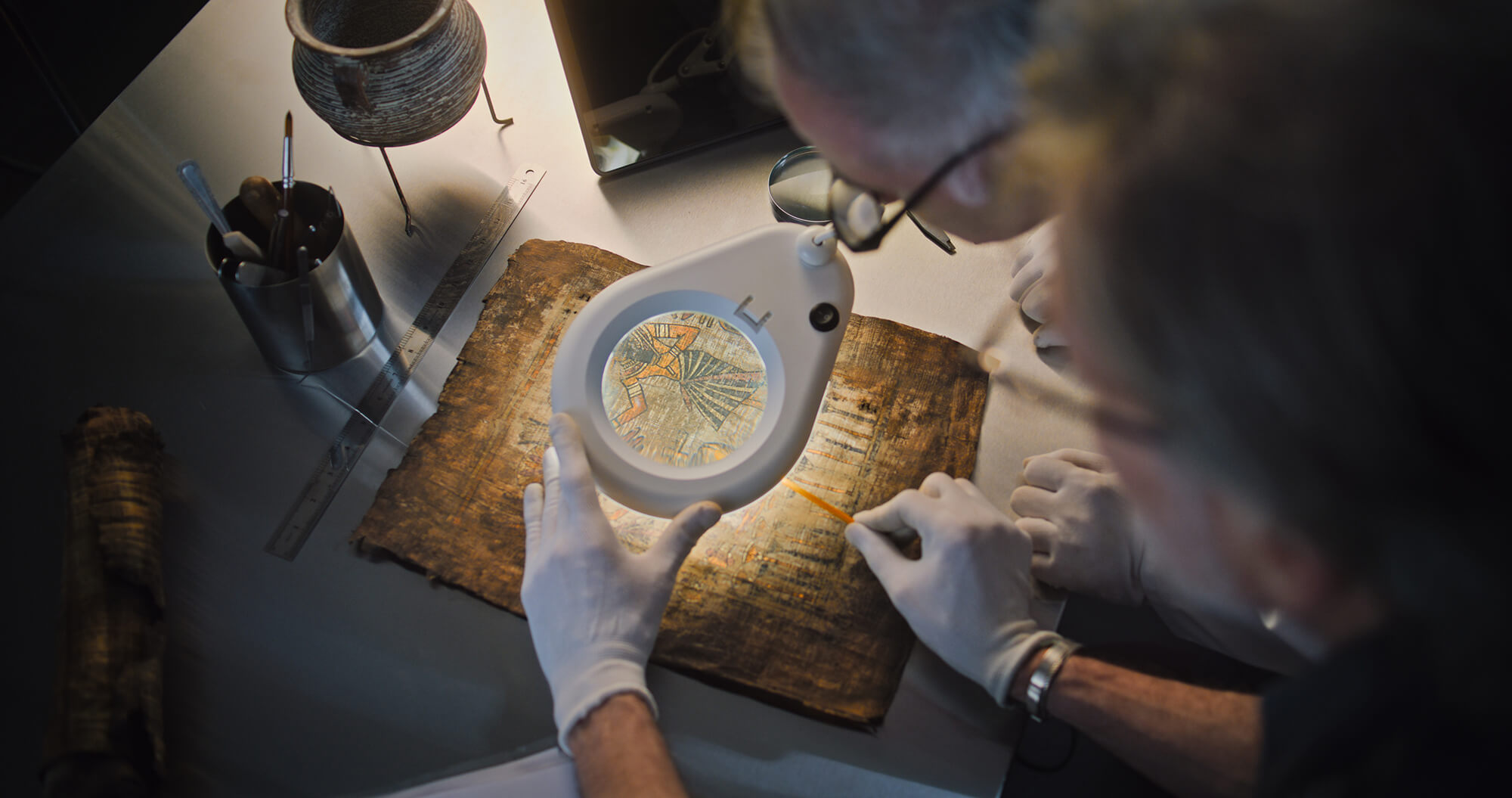
The carbon-14 dating is applied to organic materials (wood, ivory, bone, paper) and enables the material to be dated back 50,000 years. It is suitable for paintings, manuscripts, wooden statues and antique furniture.
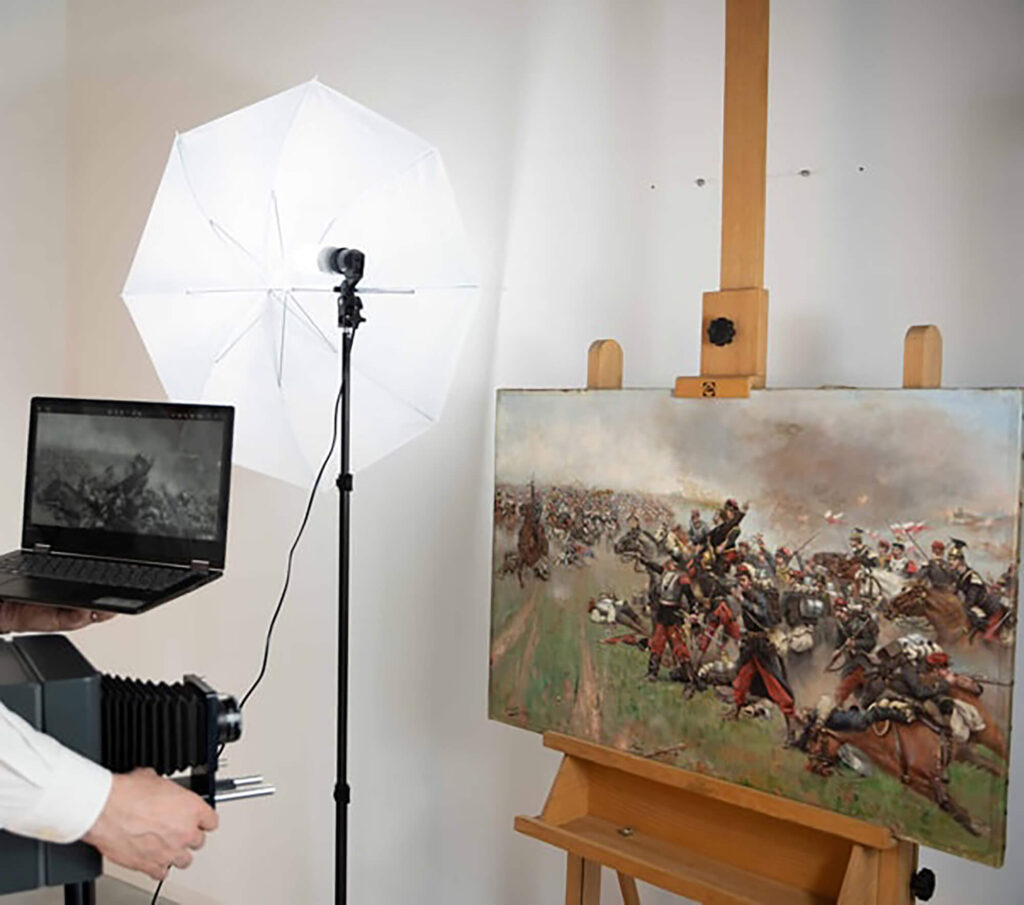
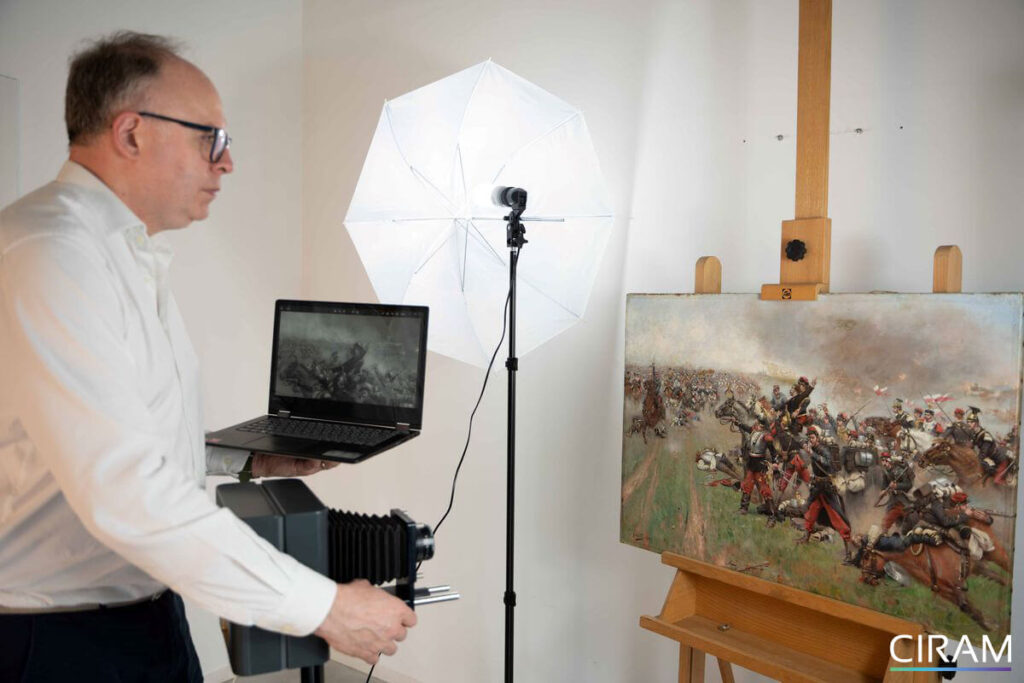
For other materials (stone, metal, ceramics, pigments, glass), we use physico-chemical methods: thermoluminescence dating TL/ OSLchemical analysis, electron microscopy or scientific imagingto identify materials, date interventions and refine the chronology of the work.
Find out more about our analysis methodsAt CIRAM, each analysis is based on a structured scientific protocol, guaranteeing the reliability of the results:
We begin with an in-depth discussion to understand your expectations, the nature of the work, its history and the hypotheses to be verified.
Depending on the materials, state of preservation and presumed dating, we determine the most appropriate methods (carbon-14, thermoluminescence, microanalysis, imaging, etc.).
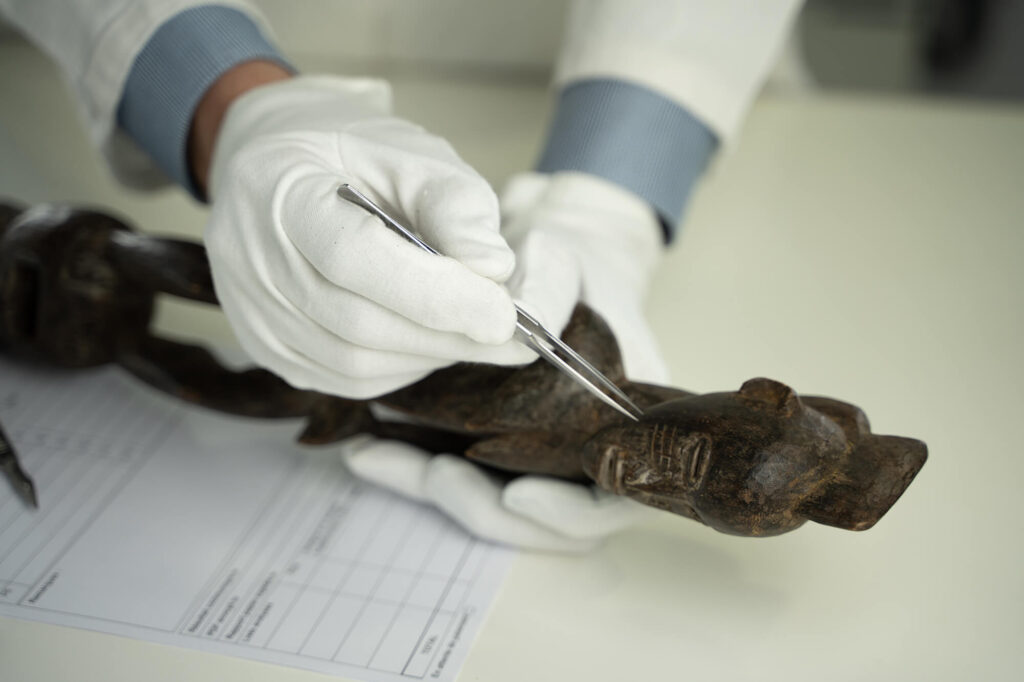
We carry out micro-sampling in situ, while respecting the integrity of the object.
The sample is processed in our laboratories near Bordeaux.
You receive a clear, dated and scientifically interpreted report.
For over 20 years, CIRAM has supported museums, experts, collectors and heritage institutions in their analysis and authentication projects.
We guarantee :
With CIRAM, you benefit from recognized scientific support and tailor-made service.
Contact our teamsYes, CIRAM favors non-destructive or micro-invasive sampling, carried out in situ. In some cases, imaging or surface analysis is sufficient.
C14 is only applicable to organic materials (wood, paper, textiles, parchment, etc.). Other methods are available on a case-by-case basis.
Very little: just a few milligrams are needed for a C14 analysis. We'll tell you exactly how much you need, depending on the type of material.
CIRAM reports can be used for litigation, certification and insurance purposes, and can accompany independent expert appraisals.
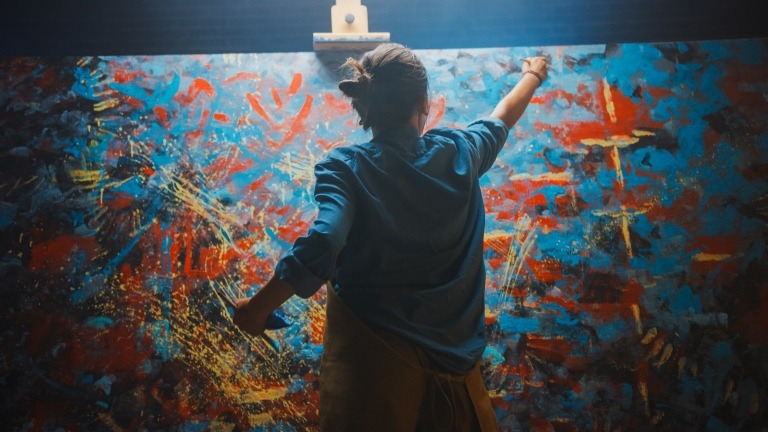
Check the historical compatibility of a painting by studying the pigments, binder and support used in relation to the period advertised.
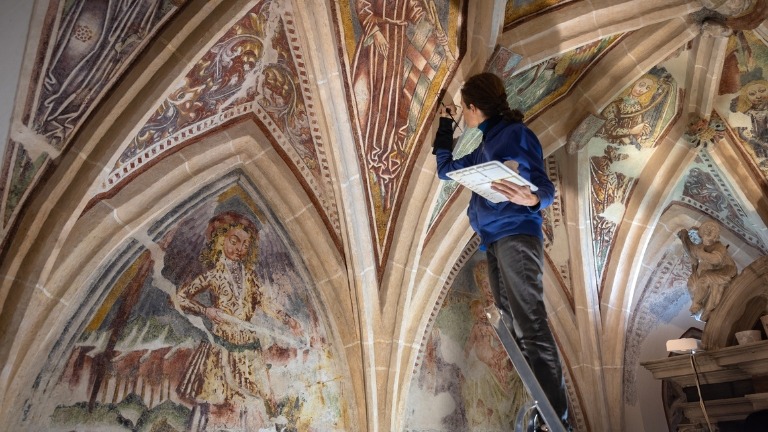
Identify past restorations and assess the work's state of preservation to guide its exhibition, sale and preservation.
Analyze the composition of materials to distinguish an old work from a modern reproduction, even if it has been cast or restored.
Check whether your art object is genuine, thanks to scientific analyses adapted to its nature, origin and presumed period.
Distinguishing a work of art in bronze from one in brass is not possible at a glance, however expert. Deceptive patinas, invisible restorations, sophisticated forgeries...
A simple signature can make the difference between an anonymous work and a masterpiece valued in the millions on the art market. But what happens when that signature is...
Knowing how to recognize an authentic antique bronze is a strategic issue for art professionals, to guard against fakes. Patina, composition, corrosion: every clue can help you...
How to analyze a work of art without damaging it? Thanks to non-destructive analysis techniques, it is now possible to access valuable information about pigments, re...
Should optical imaging or radiography be used to analyze a work of art, an archaeological object or an industrial material? Behind this question lie the crucial issues of...
X-rays of paintings reveal what the eye cannot see: internal structures, hidden restorations and forgotten signatures. Thanks to advanced scientific analysis techniques...