Standard NF EN ISO 21644: Measuring the biomass fraction of solid recovered fuels (SRF)

At CIRAM, we perform analyses in accordance with the NF EN ISO 21644 standard to determine the biomass content of solid recovered fuel (SRF) by measuring carbon-14.

Contact our teams
CIRAM EN ISO 21644

What is the NF EN ISO 21644 standard?

Published in 2021, the NF EN ISO 21644 standard defines methods for determining the biomass content of solid recovered fuels (SRF). It replaces the former EN 15440 standard and is now the international benchmark for assessing the renewable fraction of SRF.

Developed by the ISO/TC 300 technical committee on solid recovered fuels, this standard aims to harmonize the analytical methods used in the energy, waste-to-energy, and environmental reporting sectors.

The NF EN ISO 21644 standard specifies several analytical methods for determining the biomass fraction: carbon-14 dating, selective dissolution, and manual fractionation. Among these approaches, carbon-14 measurement by accelerator mass spectrometry (AMS) is currently the gold standard due to its precision and analytical robustness. This is the method used by CIRAM for the analysis of RDF.

Radiocarbon (carbon-14) dating, which makes it possible to distinguish:

  • The fraction derived from recent biomass (biogenic fraction),
  • The fossil-derived fraction.

It therefore allows you to:

  • To quantify the proportion of biomass contained in a CSR,
  • To distinguish between the fossil and biogenic fractions of a fuel,
  • To meet regulatory requirements related to energy recovery,
  • To document the environmental performance of industrial facilities.

For a comprehensive overview of the regulatory framework for recovered solid fuels, please see our article on ISO standards applicable to recovered solid fuels: ISO 21644: An Essential Framework for the Analysis of Recovered Solid Fuels

Request a quote
logo dossier essilor 2023
Solvay Logo 2023.svg
IFPEN
L'Oréal
Michelin
Eiffage
analytical methods used to identify organic residues

Industrial applications and measurement method according to standard NF EN ISO 21644

The NF EN ISO 21644 standard is primarily used in the energy recovery and waste treatment sectors to characterize the renewable content of fuels used in industrial processes.

It applies in particular to:

  • At waste incineration facilities,
  • At RDF-based power generation facilities,
  • To cement plants that use alternative fuels,
  • To the industrial waste-to-energy sectors,
  • Environmental and carbon reporting processes.

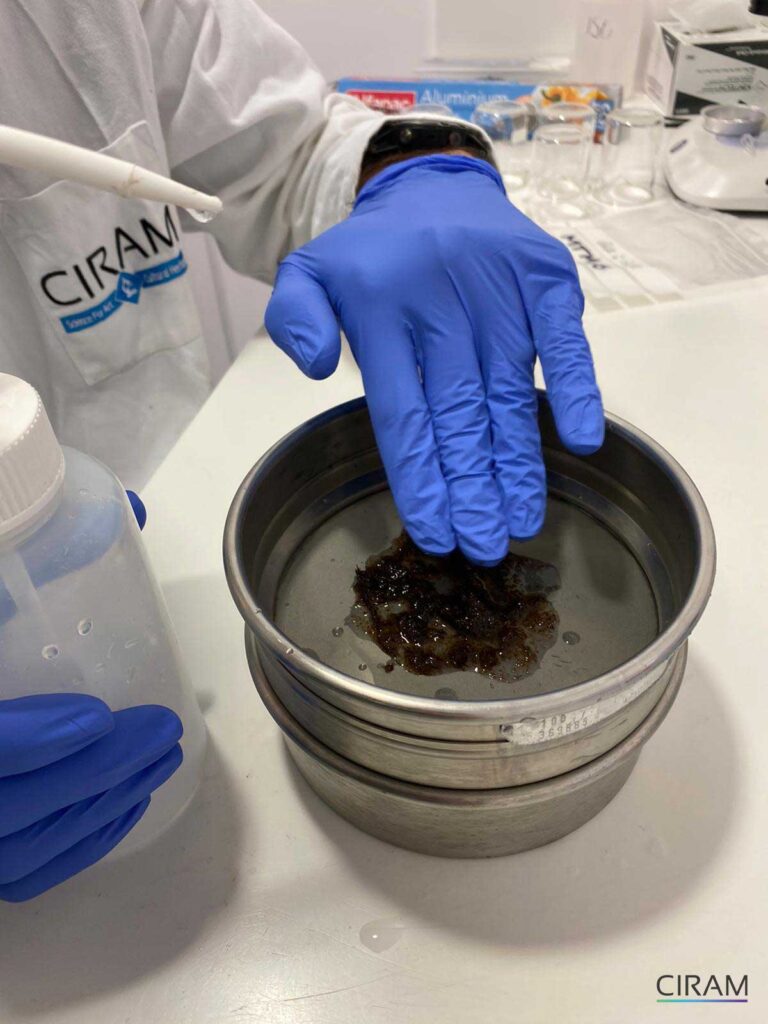
In practice, CSR samples are prepared and then analyzed to measure the isotopic signature of carbon-14 contained in the organic fraction of the fuel. The analysis determines the proportion of biomass present in the CSR, independent of material declarations or theoretical estimates. The results can be expressed as a biogenic fraction, as a percentage of biomass, or as renewable carbon content, depending on regulatory or industrial requirements.

This approach provides a reliable, traceable, and reproducible measurement that can be directly applied in environmental initiatives, carbon assessments, and energy recovery systems.

Request a quote

Why choose CIRAM for your NF EN ISO 21644 testing?

At CIRAM, we perform analyses in accordance with the NF EN ISO 21644 standard within a rigorous analytical framework tailored to the complex matrices derived from solid recovered fuels.

Our expertise in radiocarbon analysis allows us to accurately distinguish between the biogenic and fossil fractions of fuels, even in heterogeneous mixtures.

We bring you :

  • A thorough understanding of the NF EN ISO 21644 standard and its technical requirements,
  • Analyses conducted using accelerator mass spectrometry (AMS),
  • Expertise in complex matrices derived from CSR,
  • Reliable and actionable results for environmental and regulatory reports,
  • Scientific support tailored to energy and industrial challenges,
  • Complete confidentiality of data and samples.
Contact our teams

Are you asking yourself these questions?

Is NF EN ISO 21644 related to bio-based standards?

Yes. The standard uses carbon-14 to measure the fraction derived from biomass, but it applies specifically to solid recovered fuels.

Which materials can be tested under the NF EN ISO 21644 standard?

RDF derived from household, industrial, or commercial waste, as well as various alternative fuels containing an organic fraction.

Why measure the biomass fraction?

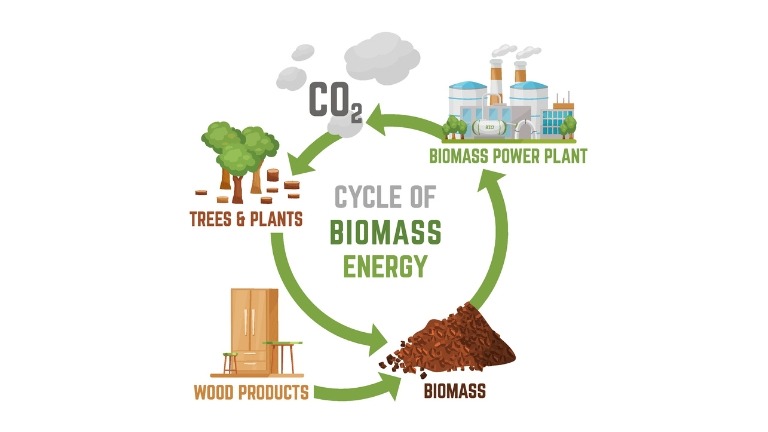
This measure makes it possible to distinguish between the renewable and fossil fuel components of the fuels used for energy production and in industrial carbon footprints.

Does NF EN ISO 21644 replace an older standard?

Yes. The NF EN ISO 21644 standard replaces the former EN 15440 standard regarding the determination of biomass in solid recovered fuels.

Is there a French version of the standard?

Yes. The NF EN ISO 21644 standard is available in French through AFNOR.

Make an appointment with an expert

Get all the answers to your questions!

Make an appointment

Explore our dating and analysis resources

Industry
Milk adulteration: what laboratory testing methods are available?

Milk adulteration: what laboratory testing methods are available?

Milk adulteration is a threat to the quality and conformity of dairy products. What methods can be used to detect these frauds quickly, reliably and ...

Read the article

Industry
How to check the naturalness of a flavor using carbon 14?

How to check the naturalness of a flavor using carbon 14?

Test the naturalness of your flavors and dietary supplements using radiocarbon and stable isotopes. Carbon 14 and stable isotopes allow...

Read the article

Industry
Why trust an ISO/IEC 17025 accredited laboratory for your stable isotope analyses?

Why trust an ISO/IEC 17025 accredited laboratory for your stable isotope analyses?

Stable isotope measurements play a key role in the quality control and traceability of industrial materials. But how can you be sure of the reliability of your results? By entrusting your...

Read the article

Industry
ISCC Plus certification: how to secure your biobased supply chains?

ISCC Plus certification: how to secure your biobased supply chains?

Increasing demands for traceability and sustainability make ISCC Plus certification a strategic asset for manufacturers involved in biobased products. Find out more...

Read the article

Industry
ISO 21644: an essential framework for CSR analysis

ISO 21644: an essential framework for CSR analysis

EN ISO 21644 is an essential standard for ensuring the compliance and traceability of solid recovered fuels (SRF). But how can you be sure that your materials comply ...

Read the article

Industry
How to recognize adulterated honey

How to recognize adulterated honey

Honey adulteration is a growing threat to the industry, compromising quality, conformity and traceability. Addition of exogenous sugars, falsification of origin, purity tests ins...

Read the article

Request a quote