Carbon-14 dating by AMS

Carbon-14 dating by AMS

Carbon-14 dating, the benchmark for archaeometryis performed using a particle gas pedal coupled with mass spectrometry (AMS ) to date archaeological organic materials weighing more than 3 mg.

Contact our teams
C14 archeo1 dating

C14 dating by AMS,
a rapid and reliable method

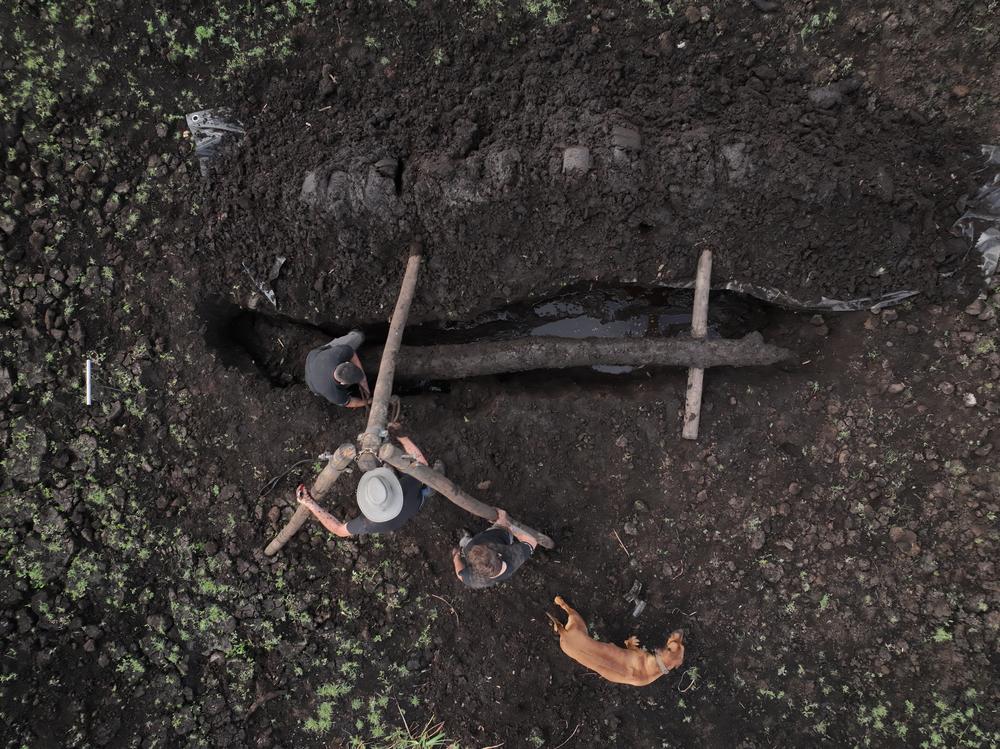
The AMS (gas pedal coupled mass spectrometry) method can be used to date organic archaeomaterials as well asancient mortars. Thanks to state-of-the-art technology, our scientists are able to obtain precise and rigorous results, enabling them to establish a stratigraphic chronology.

Aware of the constraints of preventive archaeology projects, we guarantee a lead time of 10 working days to supply the dating results and their calibration.

Request a quote
DSC00699

The role of carbon-14 in dating archaeological objects

Carbon-14, also known as radiocarbon, is a radioactive isotope of carbon, in the sense that it is unstable (it will change over time). All living organisms possess this isotope. During the life of an organism, the concentration of carbon 14 will be constant. As soon as an organism dies, the quantity of carbon 14 decreases proportionally over time. Its concentration halves every 5,730 years.

Mass spectrometry (AMS) is an advanced technology requiring just 1 mg of pure carbon. It offers an accuracy of ±25 to 35 years on the raw age, and the complete analysis takes just a few hours.

Contact our teams
shutterstock 2497778851

AMS carbon-14-dated materials

Carbon-14 dating by AMS is one of our specialties. Using this method, our laboratories are able to date a wide range of organic materials:

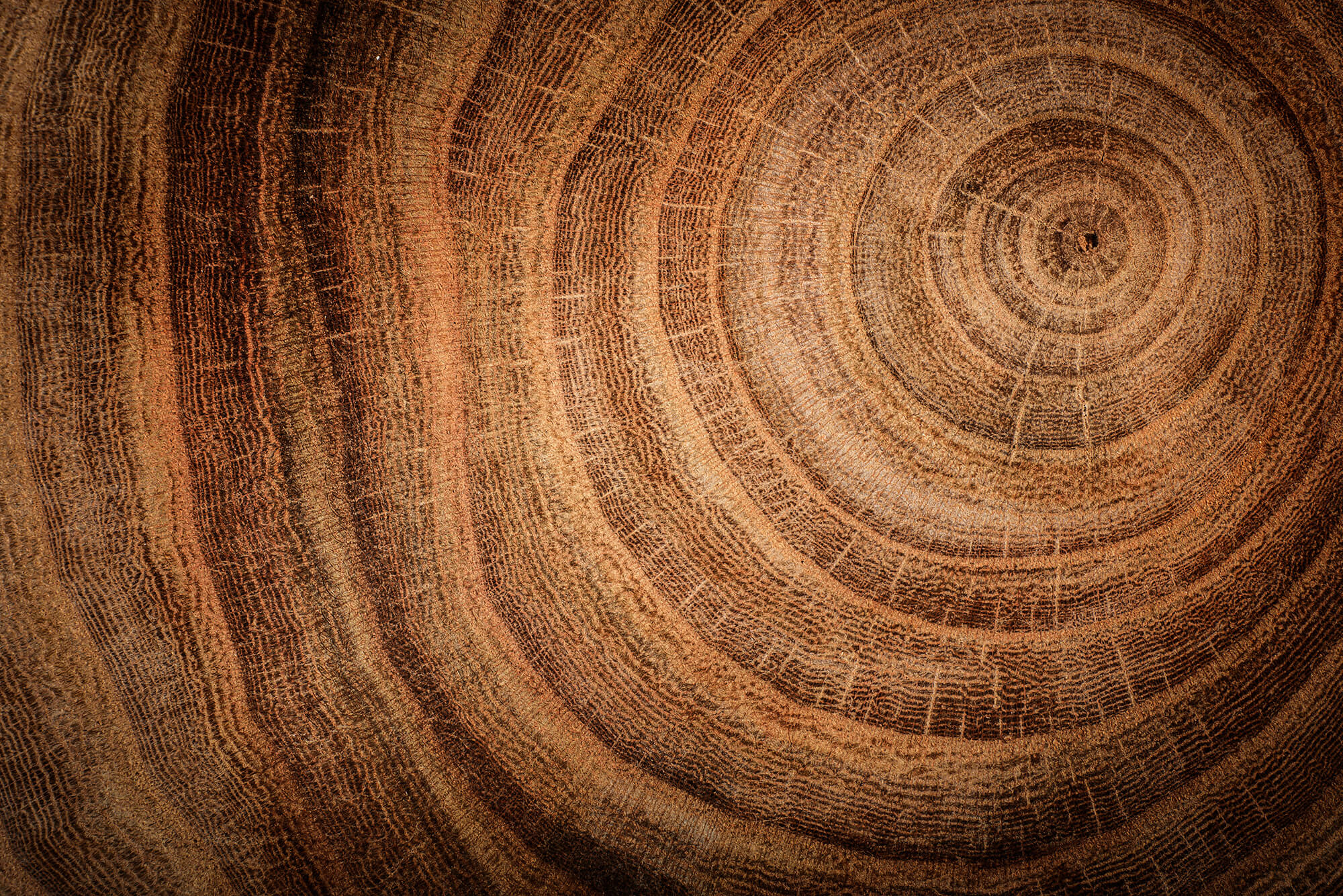
  • Wood and charcoal,
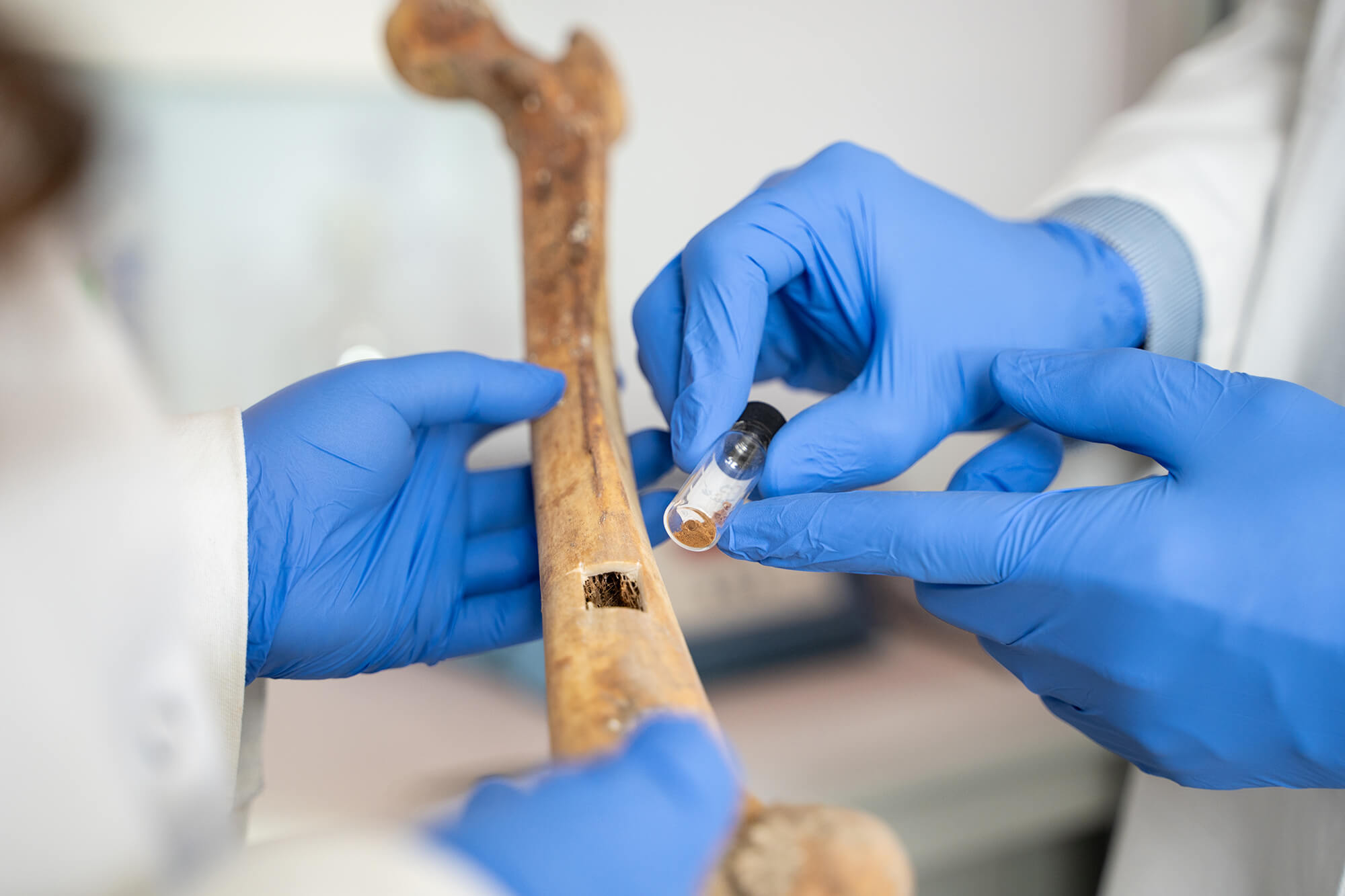
  • Bones and teeth,
  • Seeds and organic residues,
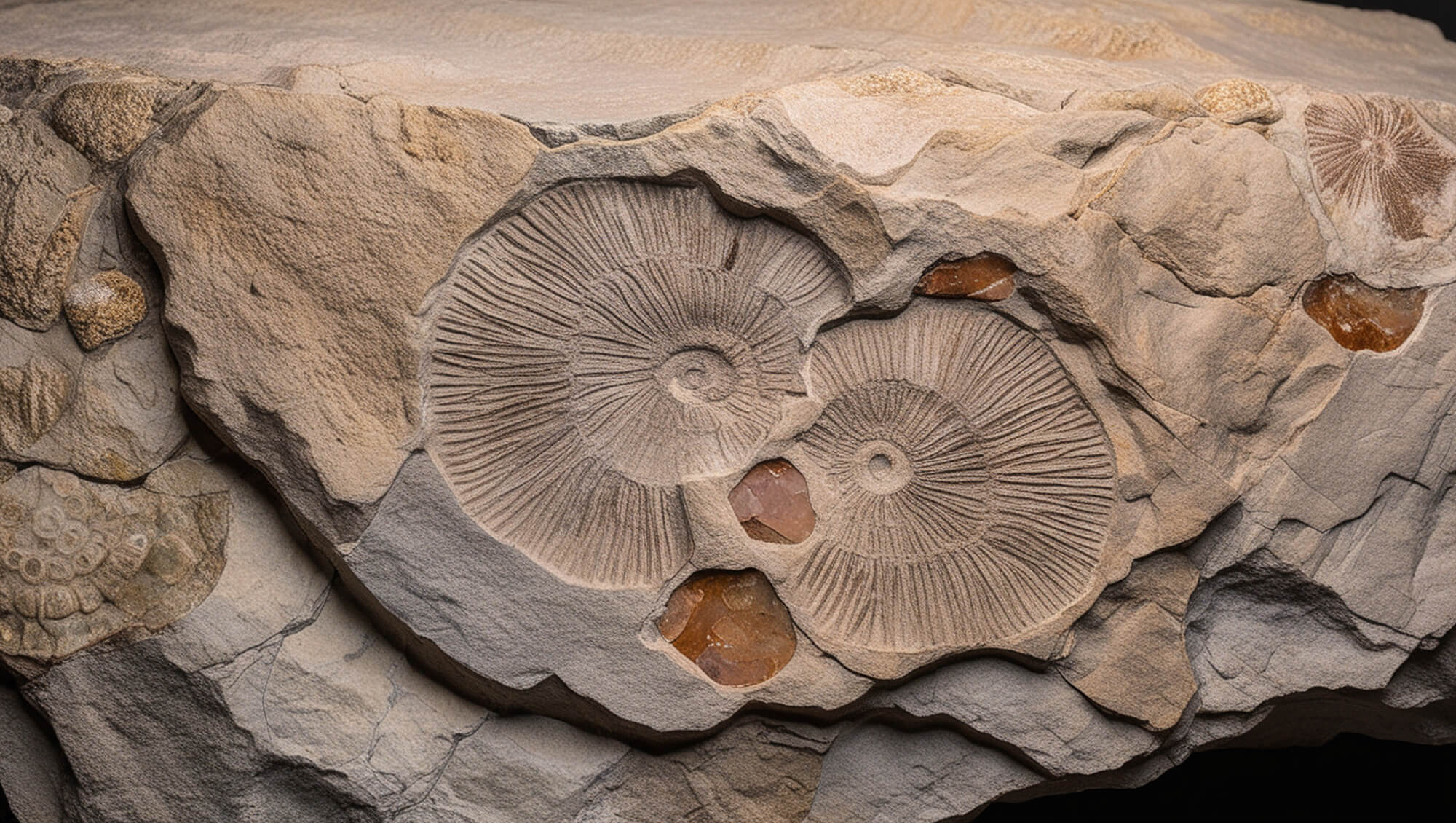
  • Shells, peat, etc.

Before each measurement, samples undergo chemical pre-treatment to eliminate contaminants and extract datable fractions (cellulose for wood, collagen for bone, etc.). Our teams adapt these processes according to the material.

The next step is to extract the carbon to create a graphite target, then analyze the stable isotopes of carbon and nitrogen isotopes. A complete analysis will be carried out, including gross age and calibrated dates. The results will then be compiled and discussed in a study report.

Despite these many steps, CIRAM 's laboratories guarantee a 10 working day turnaround on dating results.

Request a study

Stages of carbon-14 dating in archaeology

01 - Processing and extraction

Prior to dating, samples must be purified to remove contaminants. We apply ABA (Acid-Base-Acid) treatment, which consists of :

  • Hydrochloric acid decontamination to remove surface impurities.
  • Wash with demineralized water and dry.
  • Treatment with sodium hydroxide to eliminate humic and fulvic acids.
  • A second hydrochloric acid bath to prevent absorption of atmospheric CO₂.

As for the bones, they undergo a series of preliminary treatments to extract the collagen. Here's how it works:

  • Hydrochloric acid treatment to remove surface contamination and partially deteriorate the mineral part of the bone.
  • Wash with demineralized water.
  • Treatment with sodium hydroxide to eliminate humic and fulvic acids.
  • Extraction of collagen by heat treatment with hydrochloric acid.
  • Filtration and rinsing to recover purified collagen.

02 - Graphitization and stable isotopes

After the treatments and extractions, it is necessary to extract the carbon from the other elements: this is the graphitization stage. In this stage, the sample is burnt to produce CO₂, which is then reduced to graphite, a solid pure carbon. At the same time, the quality of the collagen is checked by measuring the stable isotopes of carbon and nitrogen using an isotope ratio mass spectrometer (IRMS) and determining the C/N ratio with an elemental analyzer.

Since 2018, over 20,000 samples have been analyzed. CIRAM laboratories have two automated analysis and graphitization lines, each including

  • An Elementar Vario Isotope select elemental analyzer for sample combustion and C/N ratio determination,
  • An Elementar IRMS mass spectrometer for the analysis of stable carbon and nitrogen isotopes (𝛿13C and 𝛿15N),
  • Two AGE3 Ions Plus automated graphitizing systems to transform samples into graphite for AMS measurement.

03 - Dating bioapatite

Some bones, especially those burned or preserved in arid environments, no longer contain collagen or are too degraded for reliable dating.

To assess collagen conservation, we measure the C/N (carbon/nitrogen) ratio. If this ratio is between 2.9 and 3.6, classical carbon-14 dating on collagen is possible. On the other hand, if this threshold is not met, dating must be carried out on bioapatite, the mineral part of the bones.

In this case, the carbon dioxide contained in the bioapatite is extracted by reaction with phosphoric acid, then cryogenically purified to be isolated from the other elements. Finally, this CO₂ is transformed into graphite for analysis by gas pedal mass spectrometry (AMS).

CIRAM, specialist in carbon-14 dating by AMS

CIRAM is a leader in AMS carbon-14 dating and archaeomaterials analysis. Our laboratories, equipped with the latest technology, also carry out analyses in anthracology/ xylology, organic residues, luminescence dating (TL/OSL) and isotope analysis.

By following rigorous protocols similar to those of public laboratories, we guarantee reliable, precise and rapid results, adapted to the demands of preventive archaeology.

Our scientists don't just provide physical measurements: we also offer a detailed interpretation of the results, taking into account the specific archaeological context and your issues.

Contact our teams
Are you asking yourself these questions?

What types of materials can be carbon-14 dated?

Any organic material can be dated, such as wood, charcoal, bones, teeth, seeds, organic residues, peat, shells and so on.

How much material is needed for an analysis?

This depends on the type of sample. For example:

Materials Minimum quantity required Optimum quantity recommended
Wood 20 mg 100 mg
Charcoal 20 mg 100 mg
Organic residue 20 mg 100 mg
Seed 20 mg 100 mg
Shell 50 mg 100 mg
Beachrock 50 mg 100 mg
Peat 50 mg 100 mg
Bone, tooth, ivory 0,5 g 1 g
Burnt bone 2 g 3 g
How do I send a sample for analysis?

We provide a detailed shipping protocol to ensure samples are preserved until analysis.

What are the deadlines for carbon-14 dating in archaeology?

We guarantee results within 10 working days of receipt of samples.

Can carbon-14 dating be used in art and industry?

Yes, it can also be used to authenticate works of art and quantify the biomass content of industrial materials.

Make an appointment with an expert

Get all the answers to your questions!

Make an appointment

Explore our dating and analysis resources

Archaeology
Comparison between carbon-14, TL, and OSL: which method should you choose?

Comparison between carbon-14, TL, and OSL: which method should you choose?

Choosing the right dating method in archaeology is not just a technical issue: it is a key decision that guides the entire interpretation of a site. Which technique to choose...

Read the article

Archaeology
The limits of carbon-14 dating: when should we turn to other methods?

The limits of carbon-14 dating: when should we turn to other methods?

How do you know whether a work of art, an archaeological object or a heritage item is really as old as it claims to be? Carbon-14 dating is often the method of choice, but it can also be used to...

Read the article

Archaeology
What role does anthracology play in preventive excavations?

What role does anthracology play in preventive excavations?

Anthracology plays a key role in preventive excavations: by studying archaeological coals, it sheds light on past human practices and paves the way for carbon dating...

Read the article

Archaeology
Mass spectrometry in archaeology: what for?

Mass spectrometry in archaeology: what for?

What methods are suitable for dating a fragile artifact, tracing the origin of a material or identifying millennia-old organic residues? Mass spectrometry provides access to...

Read the article

Archaeology
Dating for archaeology: why combine several methods?

Dating for archaeology: why combine several methods?

The cross-fertilization of dating techniques for archaeology guarantees the reliability of analyses in response to the complexity of the contexts and materials studied. Find out why...

Read the article

Archaeology
The importance of calibration in carbon-14 dating

The importance of calibration in carbon-14 dating

How can we guarantee the reliability of archaeological dating in a context where every year counts? Find out why carbon-14 calibration curves and laboratory expertise...

Read the article

Request a quote