Microanalysis of stones, glass and pigments

Microscopic analysis of stone, glass and pigment objects

CIRAM carries out microanalysis of ancient stones, glass and pigments to identify their composition, origin and manufacturing process.

Contact our teams
stained glass

Microanalysis for the authentication of inorganic materials

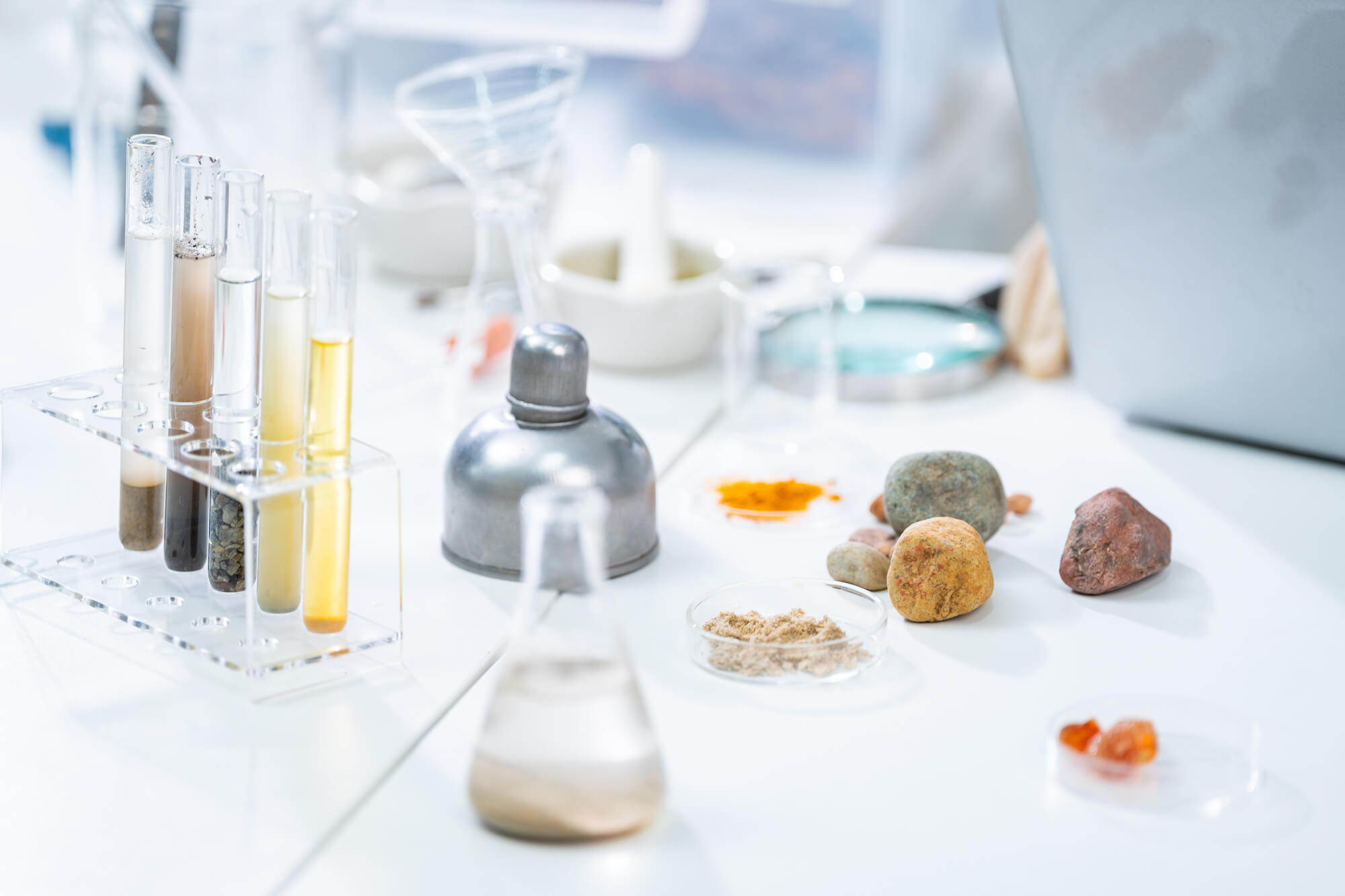
Microanalysis is the very small-scale study of materials such as stone, glass or mineral pigments. It enables us to identify their elemental composition, crystalline structure and any surface or internal alterations.

Used in archaeology, art history and industry, this method of characterization method is an essential step in :

  • Authenticate a work or fragment (sculpture, stained glass, painting),
  • Identify the materials used (type of stone, soda-lime glass, natural or synthetic pigments),
  • Identify modern additions or restorations,
  • Determine geographical origin or manufacturing process.

Our teams use a combination of sophisticated analytical techniques to deliver reliable, documented results.

Contact our teams
geology science laboratory research sample test an 2025 03 25 21 23 37 utc

Technologies used for microanalysis

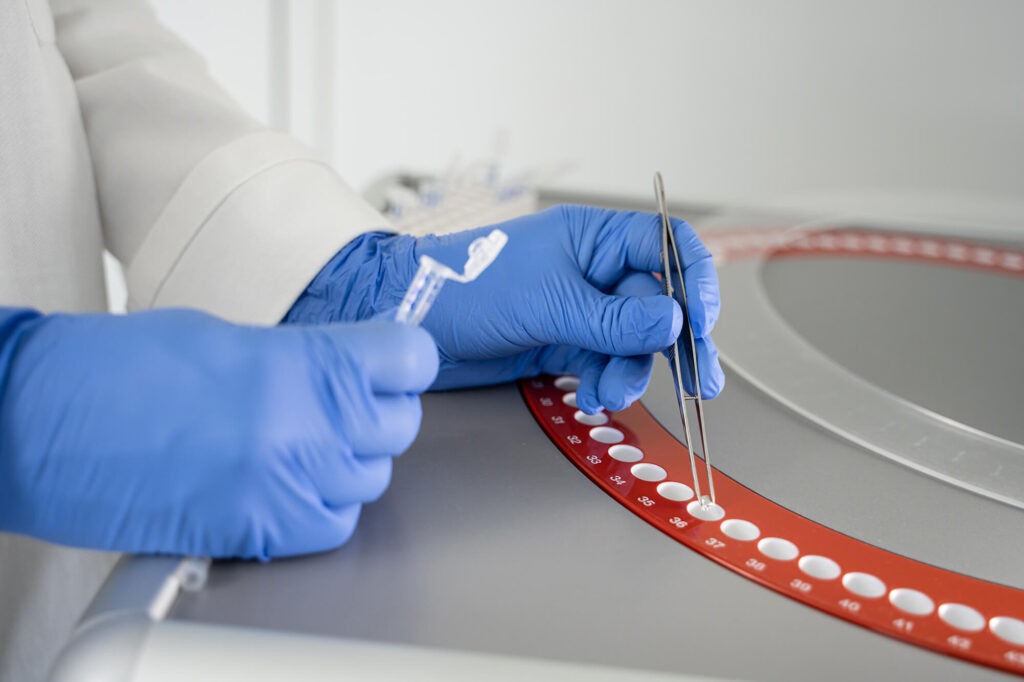
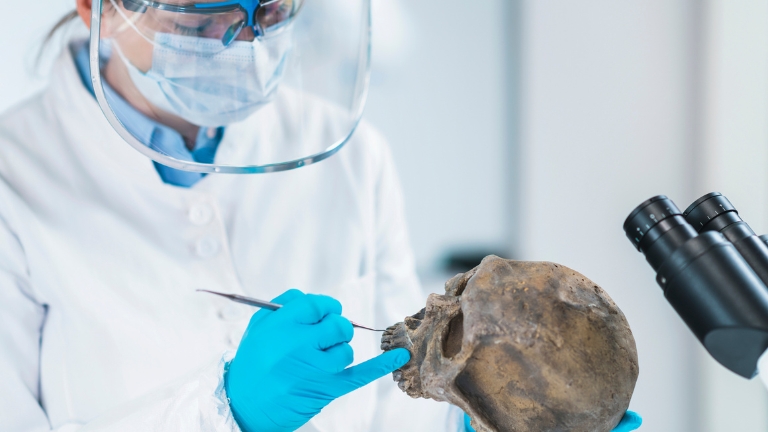
At CIRAM, microanalysis is based on a rigorous protocol, often initiated by microscopic sampling of the work being analyzed. This sample is then prepared and subjected to various analytical tests, depending on the needs of the project.

In 3 out of 4 cases, the use of SEM-EDX (scanning electron microscopy coupled with X-ray elemental analysis) alone is sufficient to obtain reliable, usable results. This technique offers both fine visualization of the surface and precise chemical analysis of the elements present, even at trace levels.

Where necessary, it can be supplemented by other methods such as :

  • ICP-MS: for quantitative analysis of elemental composition (major, minor and trace elements),
  • XRD: to identify crystalline phases (minerals, glass, etc.),
  • Raman spectroscopy: for non-destructive characterization of specific pigments or compounds.

This cross-disciplinary approach provides a complete reading of the materials studied, by cross-referencing chemical, mineralogical and morphological data - essential for distinguishing an ancient material from a modern fabrication or a poorly documented restoration.

Request a quote

Stones, glass, pigments :
a methodology adapted to each material

01 - Microanalysis of stone sculptures

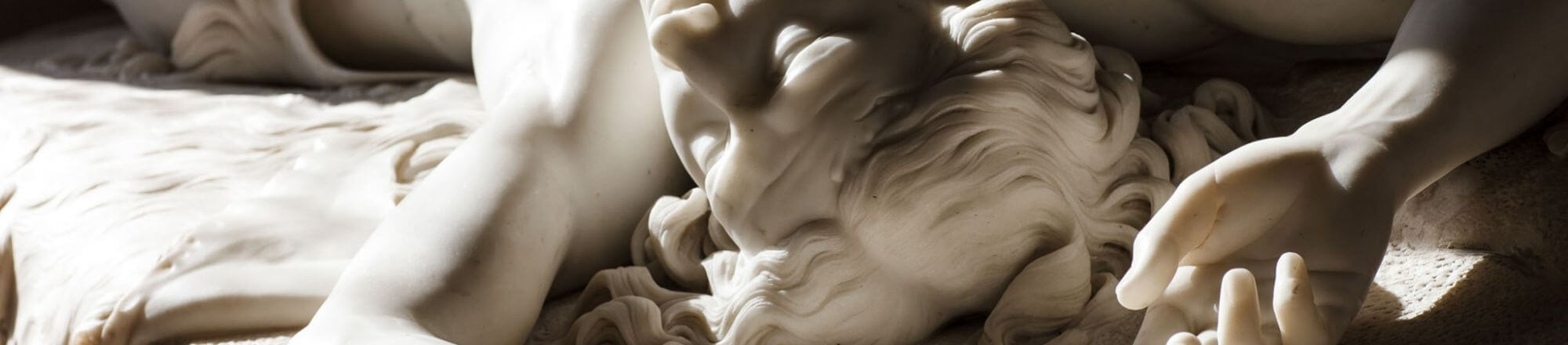
The study of stone sculptures aims to identify the exact nature of the rock (limestone, marble, sandstone, etc.), its potential geographical origin, and any recent interventions.

Thanks to SEM-EDX and X-ray diffraction, it is possible to :

  • Identify constituent minerals,
  • Detecting consolidants or restoration products,
  • Compare the stone with geological databases.

This method is particularly useful for confirming the authenticity of a sculpture and trace its material history.

02 - Microanalysis of glass, enamels and stained glass

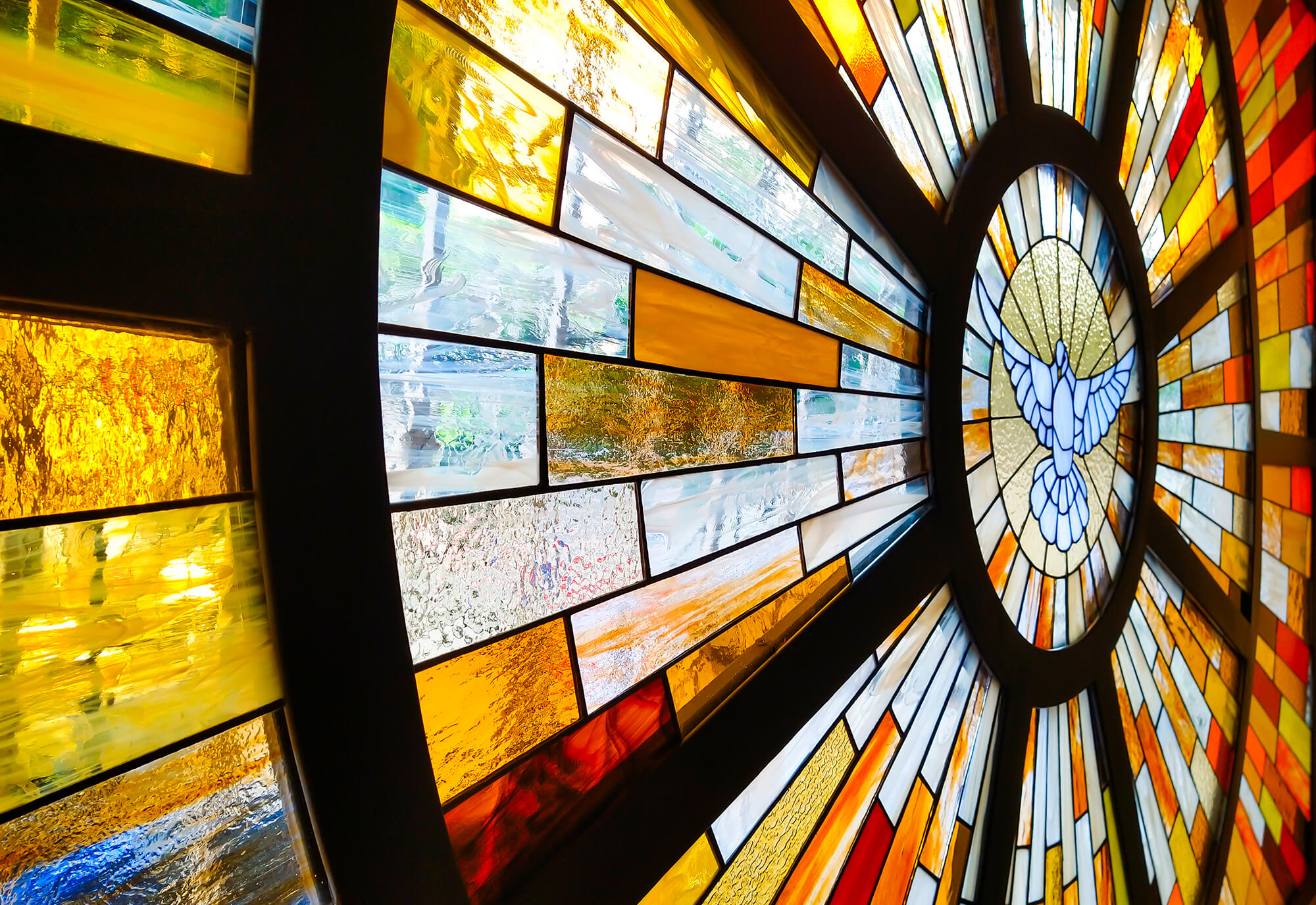
The antique glass - whether from stained glass, ritual objects or archaeological crockery - is a composite material, whose composition reveals the period and technique of manufacture. CIRAM analyzes objects in blown, molded or painted glass, in order to :

  • Identify glass type (soda-lime, potassium, leaded),
  • Detect the presence of coloring or opacifying metal oxides,
  • Determine whether the glass is antique or modern.

Analysis is crucial to distinguish an original medieval stained glass window from a 19th-century reproduction, for example.

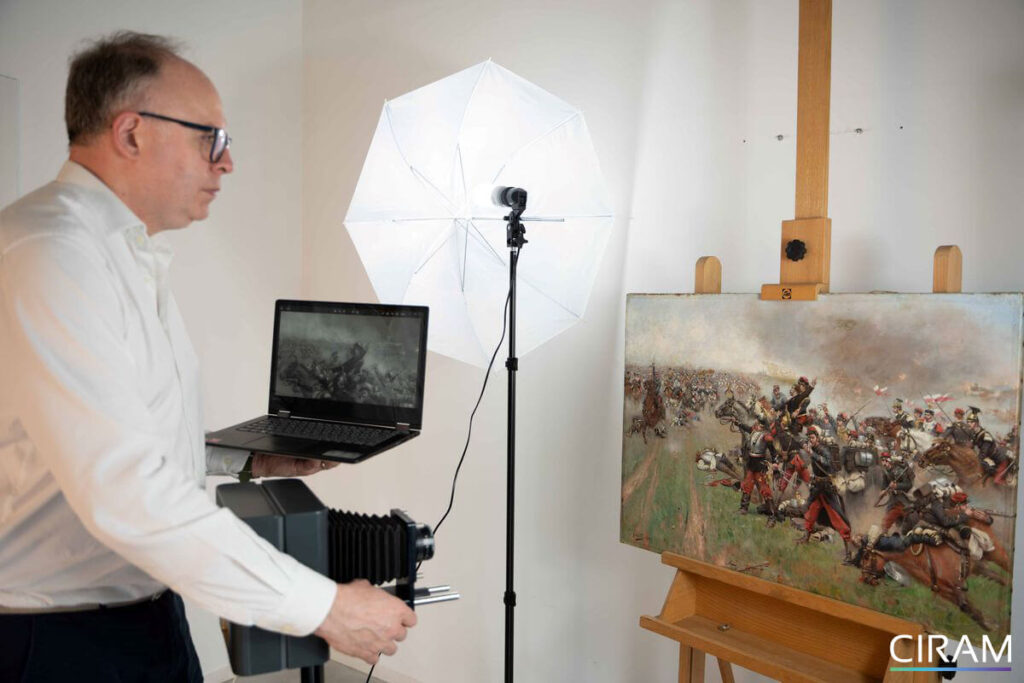
03 - Microanalysis of pigments in a painting or fresco

The pigments are central to the analysis of painted works, wall frescoes, illuminated manuscripts and polychrome objects.

Microanalysis allows us to characterize the composition of pigments (natural or synthetic), their binders, and any mixtures made by the artist. Using techniques such as Raman spectroscopy, FTIR or SEM-EDX, CIRAM identifies the major and trace elements that make up a pigment: copper, mercury, iron, lead, arsenic, etc.

This analysis makes it possible to :

  • Approximately date a work,
  • Detect modern restorations or repaints,
  • Distinguish between an authentic pigment and a later industrial pigment.

CIRAM, expert in microanalysis for art, archaeology and industry

CIRAM is now recognized as an expert in the field of microanalysis, offering high-level scientific expertise in the analysis and characterization of ancient stones, glass and pigments. With over 20 years' experience, our laboratory is a privileged partner for archaeologistsarchaeologists art market and industry.

What sets us apart is our multidisciplinary approach, combining cutting-edge technical skills (such asorganic materials analysisanalysis metallography), state-of-the-art equipment and a team of specialized researchers, including PhDs in applied sciences, to ensure the accuracy and reliability of our analyses.

Contact our teams
Are you asking yourself these questions?

What types of objects can be microanalyzed?

Any artifact containing inorganic materials (glass, stone, pigment): statues, jewelry, mosaics, painted objects, architectural fragments...

Is microanalysis destructive?

No, in most cases we prefer non-destructive techniques. If sampling is necessary, it is minimal and carried out with care.

Can microanalysis be used to determine the provenance of antique glass?

Yes, the chemical composition of glass can be compared with regional and chronological production databases.

How do you spot a fake antique pigment?

By identifying synthetic pigments that are modern or inconsistent with the supposed period.

How much does microanalysis cost?

Prices depend on the type of object, the materials involved and the techniques required. Contact us for a personalized quote.

Make an appointment with an expert

Get all the answers to your questions!

Make an appointment

Explore our dating and analysis resources

Archaeology
Comparison between carbon-14, TL, and OSL: which method should you choose?

Comparison between carbon-14, TL, and OSL: which method should you choose?

Choosing the right dating method in archaeology is not just a technical issue: it is a key decision that guides the entire interpretation of a site. Which technique to choose...

Read the article

Carbon 14
How carbon-14 analysis helps preserve biodiversity

How carbon-14 analysis helps preserve biodiversity

How can we retrace the invisible history of ecosystems and better understand the dynamics of biodiversity? Thanks to carbon-14 dating, researchers now have a scientific tool that they can use to...

Read the article

Art market
How to recognize bronze and differentiate it from brass?

How to recognize bronze and differentiate it from brass?

Distinguishing a work of art in bronze from one in brass is not possible at a glance, however expert. Deceptive patinas, invisible restorations, sophisticated forgeries...

Read the article

Archaeology
The limits of carbon-14 dating: when should we turn to other methods?

The limits of carbon-14 dating: when should we turn to other methods?

How do you know whether a work of art, an archaeological object or a heritage item is really as old as it claims to be? Carbon-14 dating is often the method of choice, but it can also be used to...

Read the article

Art market
How to recognize a forged signature on a painting?

How to recognize a forged signature on a painting?

A simple signature can make the difference between an anonymous work and a masterpiece valued in the millions on the art market. But what happens when that signature is...

Read the article

Archaeology
What role does anthracology play in preventive excavations?

What role does anthracology play in preventive excavations?

Anthracology plays a key role in preventive excavations: by studying archaeological coals, it sheds light on past human practices and paves the way for carbon dating...

Read the article

Request a quote