Milk adulteration: what laboratory testing methods are available?
Milk adulteration is a threat to the quality and conformity of dairy products. What methods can be used to detect these frauds quickly, reliably and ...
At CIRAM, we perform carbon-14 analyses to determine the proportion of bio-based carbon in products as part of TÜV AUSTRIA’s OK biobased certification, which applies to raw materials, intermediates, and finished products derived from renewable resources.
Contact our teams
The OK biobased certification, developed by TÜV AUSTRIA, is a voluntary system for assessing and certifying the proportion of bio-based material contained in a product.
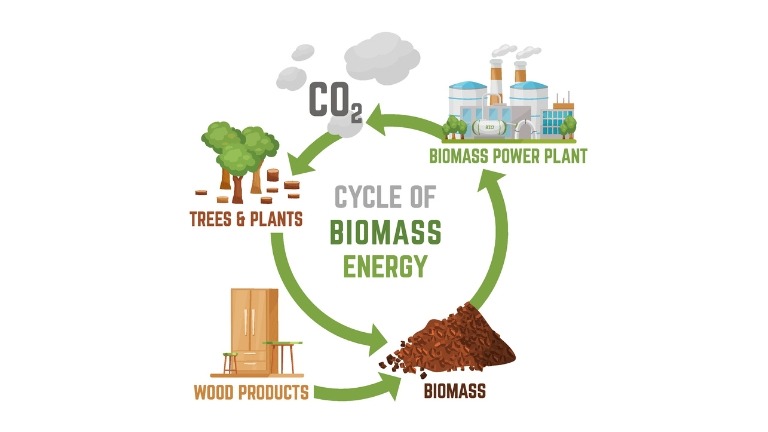
It is based on carbon-14 analysis, which makes it possible to distinguish carbon from renewable resources (recent biomass) from carbon derived from fossil resources. This method thus allows for the reliable determination of the percentage of bio-based carbon in a material.
The certification applies to products containing raw materials of natural origin, such as starch, cellulose, or bio-based polymers.
The classification is based on a 1- to 4-star system, directly linked to the measured percentage of bio-based carbon:
This system provides a simple, comparative, and immediately understandable way to assess a product’s bio-based content.
For a comprehensive overview of the main European labels for bioplastics and biopolymers, please see our dedicated article: Bioplastics and Biopolymers: What Labels Are Available in Europe?
Request a quote
The OK Biobased certification applies to a wide range of products made from bio-based materials or naturally derived polymers, including:
It is used in the following processes:
It provides manufacturers with an objective and standardized measure of bio-based content, independent of supplier declarations.
Request a quoteAt CIRAM, we conduct the analyses required for OK Biobased certification within a rigorous analytical framework tailored to bio-based materials and industrial requirements.
Our approach is based on carbon-14 dating to ensure reliable, comparable, and actionable results for certification processes.
We bring you :
No, it is a voluntary certification system based on the measurement of bio-based content.
Raw materials, intermediate products, and finished products made from bio-based materials. Fuels are excluded.
No, it only measures the bio-based content; it has nothing to do with biodegradability.
By carbon-14 dating in accordance with standard NF EN 16640.
No, CIRAM only conducts the scientific analyses used for certification purposes.
Milk adulteration is a threat to the quality and conformity of dairy products. What methods can be used to detect these frauds quickly, reliably and ...
Test the naturalness of your flavors and dietary supplements using radiocarbon and stable isotopes. Carbon 14 and stable isotopes allow...
Stable isotope measurements play a key role in the quality control and traceability of industrial materials. But how can you be sure of the reliability of your results? By entrusting your...
Increasing demands for traceability and sustainability make ISCC Plus certification a strategic asset for manufacturers involved in biobased products. Find out more...
EN ISO 21644 is an essential standard for ensuring the compliance and traceability of solid recovered fuels (SRF). But how can you be sure that your materials comply ...
Honey adulteration is a growing threat to the industry, compromising quality, conformity and traceability. Addition of exogenous sugars, falsification of origin, purity tests ins...