




How to recognize bronze and differentiate it from brass?
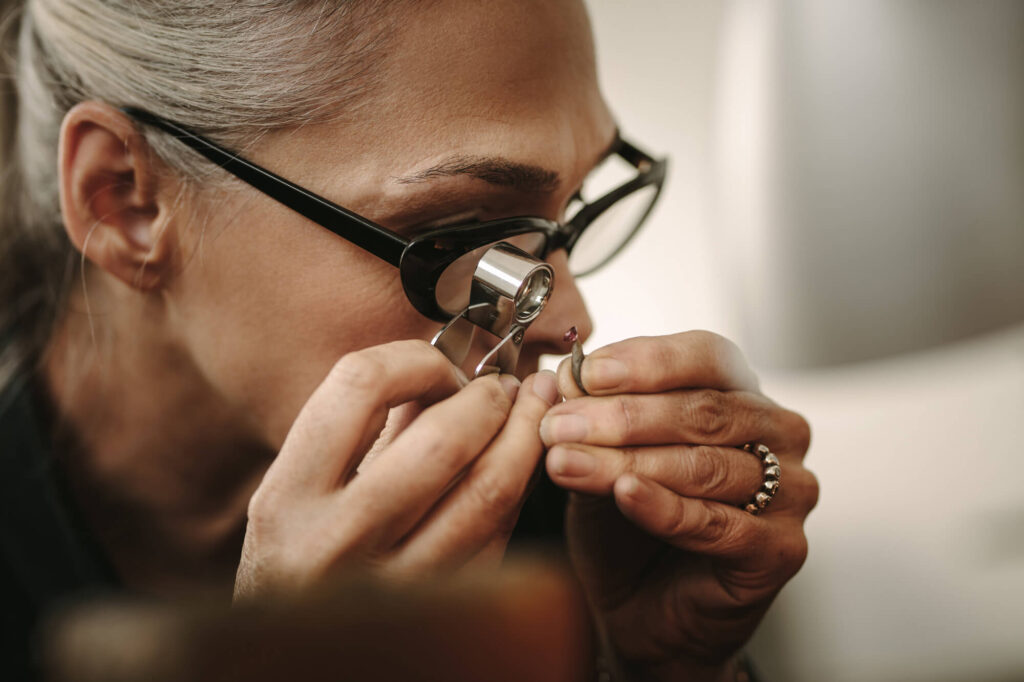
Distinguishing a work of art in bronze from one in brass is not possible at a glance, however expert. Deceptive patinas, invisible restorations, sophisticated forgeries...

At CIRAM, we put our scientific expertise at the service of the art market to authenticate ancient and modern paintings using rigorous and recognized methods.
Contact our teams
The provenance of a work of art, even when documented, is no longer sufficient to guarantee its authenticity. Faced with the increasing number of forgeries, scientific analysis has become essential.
Verifying the authenticity of a painting allows you to :
At CIRAM, we work with museums, auction houses, gallery owners and collectors to provide reliable, usable scientific evidence.
Contact our teamsLeading museums and art professionals trust us to authenticate their objects.
CIRAM offers a range of complementary techniques, adapted to each work, to secure authentication processes.
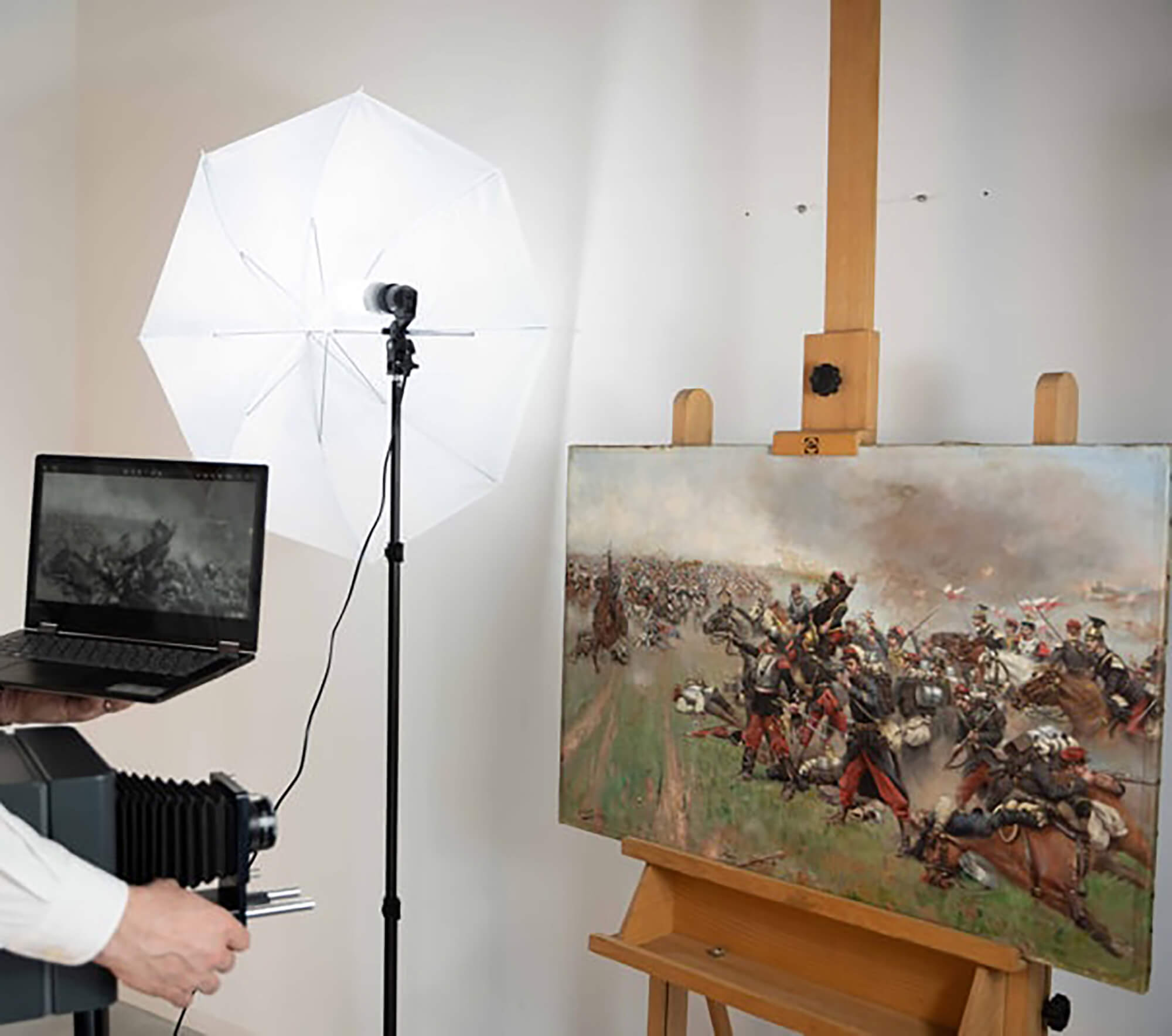
The analysis of a painting follows a rigorous protocol, adapted to each work:
We gather the available information (provenance, presumed dating, previous expert appraisals) and define the most relevant analyses.
We select dating methods according to the nature of the work and the hypotheses to be verified.
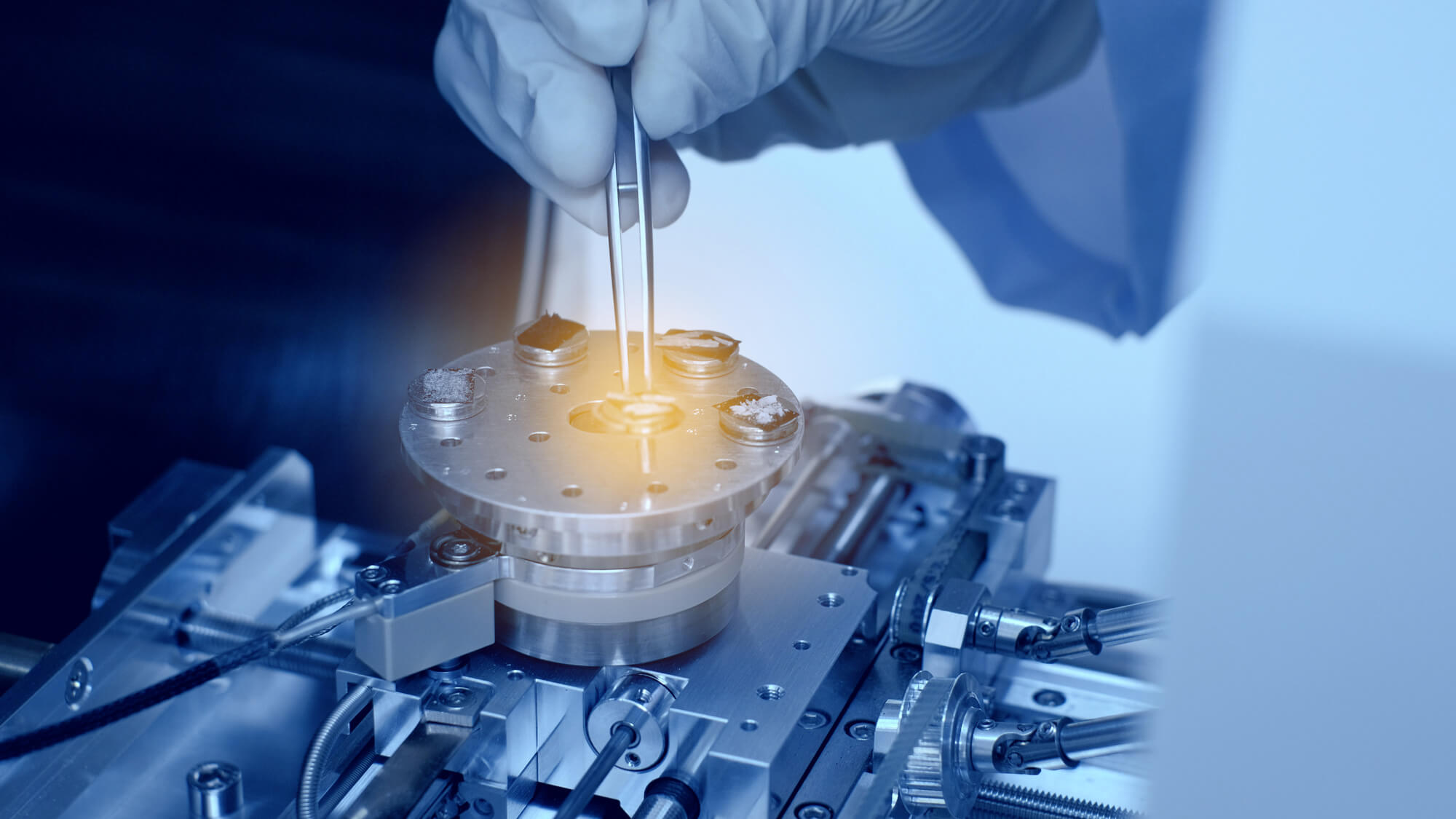
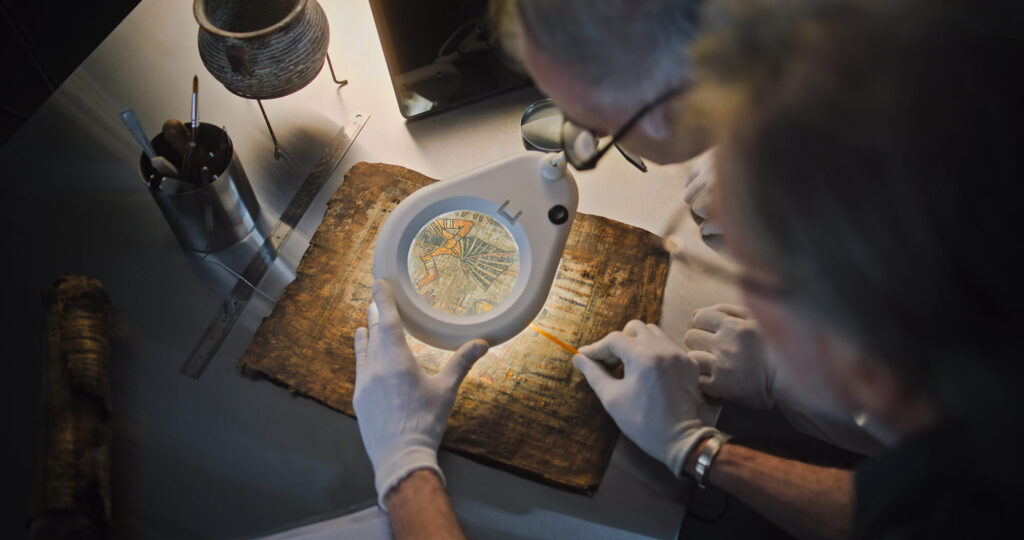
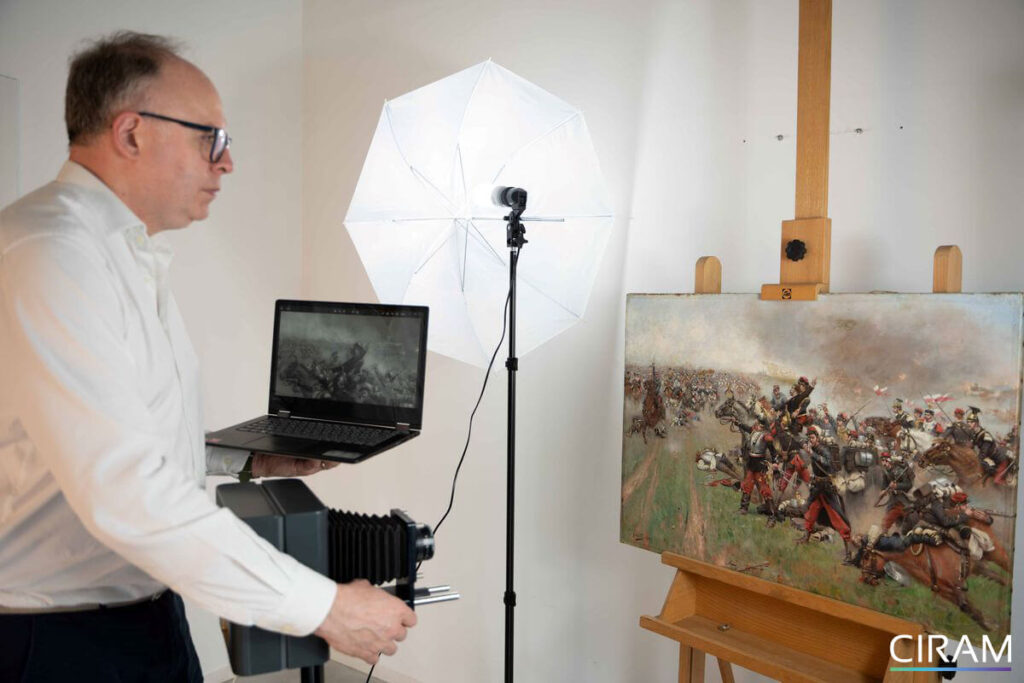
Our experts use the appropriate techniques (dating, spectrometry, stratigraphy, etc.) on our premises.
We provide you with a clear, documented report that can be used for sales, allocation or insurance purposes.
By choosingCIRAMfor the scientific authentication of your paintings, you benefit from :
Trust CIRAM for rigorous, confidential authentication in line with art market requirements.
Contact our teamsAll types of painted works can be analyzed: paintings on canvas, wood, cardboard, paper or metal, whether ancient, modern or contemporary.
No, it can only be used on organic substrates (canvas, wood, paper, cardboard, etc.). It cannot be used on metal substrates or pigments.
Most of our analyses are non-destructive or require micro-invasive sampling, carried out in inconspicuous areas without visual alteration.
On average, between 10 and 15 working days, depending on the techniques used and the complexity of the work.
Yes, our reports are complete, illustrated and formulated to be integrated into an appraisal, allocation or sale file.
Identify past restorations and assess the work's state of preservation to guide its exhibition, sale and preservation.
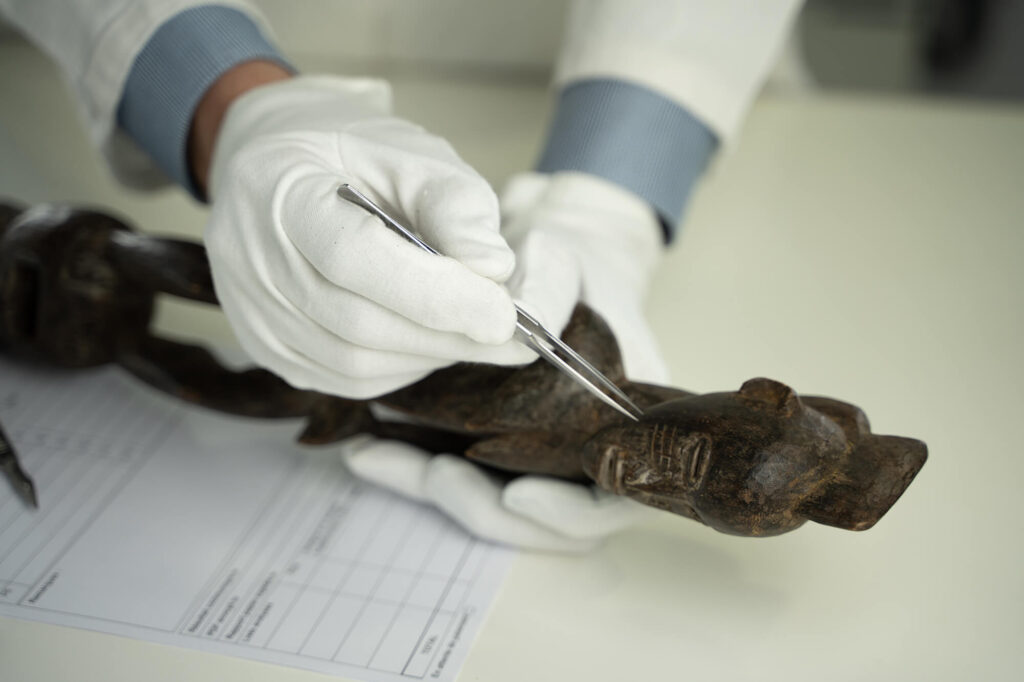
Analyze the composition of materials to distinguish an old work from a modern reproduction, even if it has been cast or restored.
Use radiocarbon dating to accurately determine the age of your wood carving, ancient manuscript, painting or any other organic material, such as ivory...
Check whether your art object is genuine, thanks to scientific analyses adapted to its nature, origin and presumed period.
Distinguishing a work of art in bronze from one in brass is not possible at a glance, however expert. Deceptive patinas, invisible restorations, sophisticated forgeries...
A simple signature can make the difference between an anonymous work and a masterpiece valued in the millions on the art market. But what happens when that signature is...
Knowing how to recognize an authentic antique bronze is a strategic issue for art professionals, to guard against fakes. Patina, composition, corrosion: every clue can help you...
How to analyze a work of art without damaging it? Thanks to non-destructive analysis techniques, it is now possible to access valuable information about pigments, re...
Should optical imaging or radiography be used to analyze a work of art, an archaeological object or an industrial material? Behind this question lie the crucial issues of...
X-rays of paintings reveal what the eye cannot see: internal structures, hidden restorations and forgotten signatures. Thanks to advanced scientific analysis techniques...