shutterstock 2180452693

Measuring naturalness

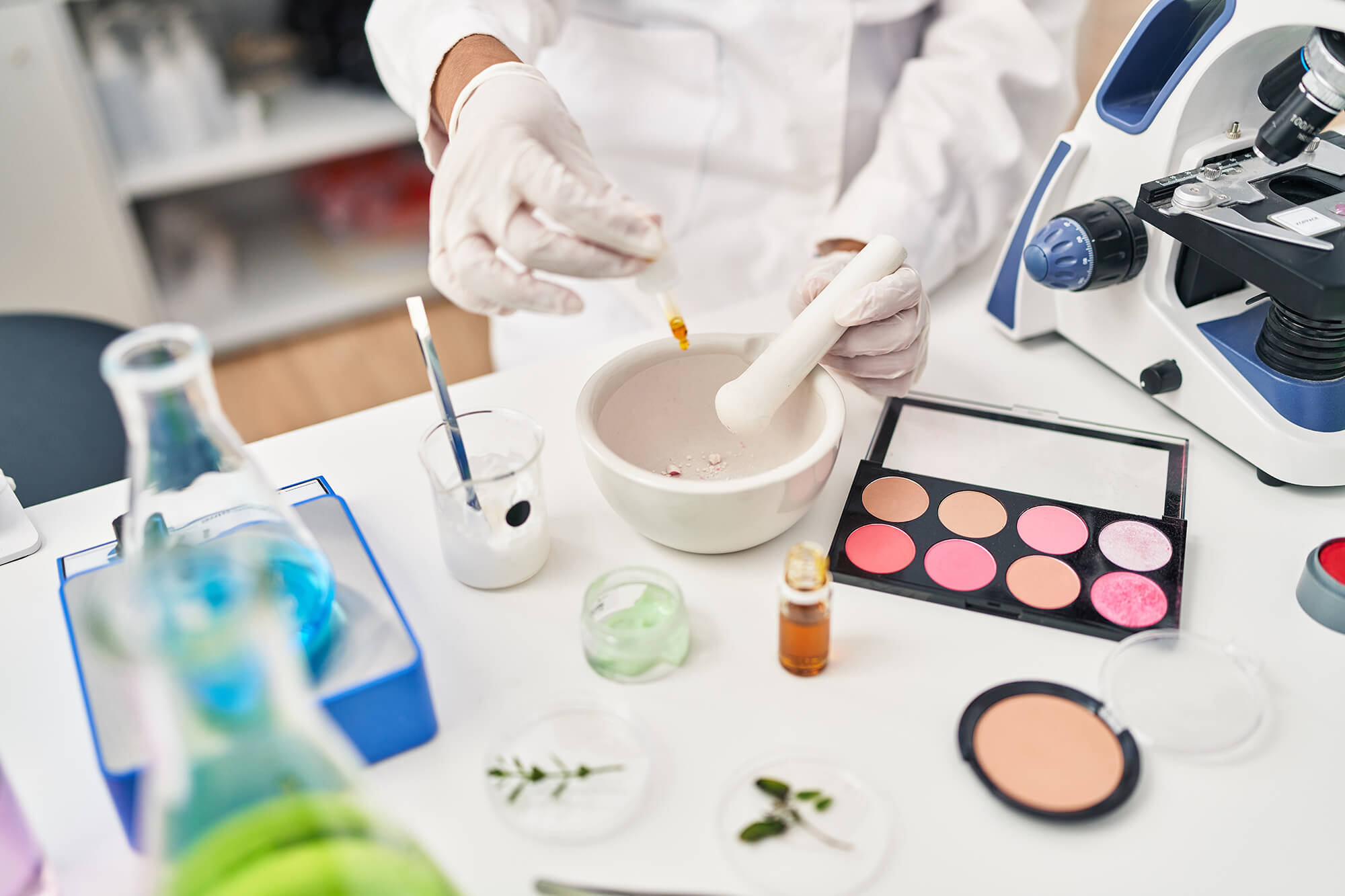
At CIRAM, we support manufacturers who wish to scientifically prove the naturalness of their products - cosmetics, ingredients, additives or polymers - by combining carbon-14 and isotopic analyses.

Contact our teams

dsc00750

Why measure the naturalness of your products?

Naturalness has become a decisive criterion in the choices of consumers and prescribers. Whether in cosmetics, the food industryfood cleaning products or materials, claims such as " 100% natural", " from renewable resources " or " plant origin " must now be backed up by verifiable scientific evidence. Measuring the naturalness of your products enables you to :

  • Comply with label standards (COSMOS, ISO 16128, Ecocert, Natrue, Ecolabel, etc.),
  • Support your marketing claims with reliable data,
  • Protect yourself against greenwashing and commercial disputes,
  • Enhance transparency vis-à-vis distributors, end customers and supervisory authorities,
  • Differentiate your products in increasingly competitive markets.
Discover application fields

They trust us

Committed cosmetics brands, suppliers of natural ingredients and green chemistry manufacturers trust us to scientifically certify the naturalness of their products.

logo dossier essilor 2023
Solvay Logo 2023.svg
IFPEN
L'Oréal
Michelin
Eiffage
shutterstock 1126369853

Our techniques for measuring a product's naturalness

At CIRAM, we use a cross-analytical approach to rigorously assess the naturalness of a product or ingredient:

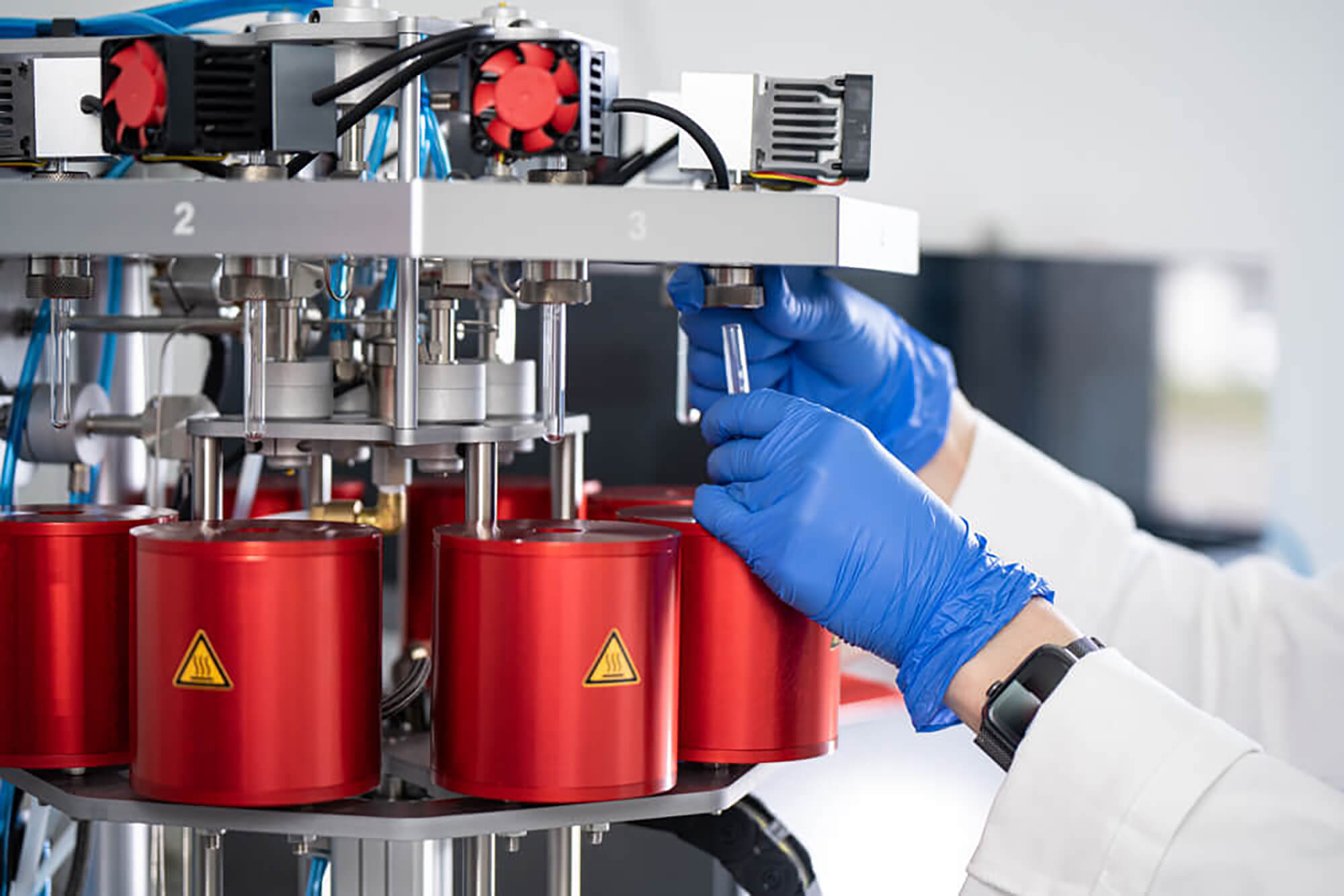
  • Radiocarbon analysis (carbon 14): this method measures the proportion of carbon of renewable origin in a product. It distinguishes fossil carbon from biogenic carbon (from plants or animals), with an accuracy of 0.3%. It is used within the framework ofEN 16640, ASTM D6866 and numerous naturalness standards .
  • Stable isotope analysis (carbon, nitrogen, oxygen and hydrogen): in addition, we analyze isotope ratios to identify the botanical, animal or synthetic origin of raw materials. This approach enables us, for example, to distinguish a natural aroma from a biosynthetic one.

This combination of analyses guarantees a reliable, standardized assessment of naturalness, even for formulated or processed products.

Request a quote

Steps in a naturalness analysis at CIRAM

At CIRAM, we have structured our analysis process to guarantee reliable, standardized and directly usable results:

01 - Defining your objectives

We work with you to analyze your needs: validation of a "100% natural" claim, compliance with a reference standard, marketing differentiation, etc.

02 - Choosing the right method

We select the most appropriate approach: radiocarbon analysis alone or combined with isotope analysis, depending on the product and standards targeted.

03 - Sampling protocol

You'll receive simple instructions on how to prepare and send your samples in conditions that guarantee their integrity.

04 - Laboratory analysis

Our experts carry out the analysis according to strict, validated protocols, with quality controls at every stage.

05 - Reporting results

You'll receive a detailed report, ready to be incorporated into your communication materials, certification files or tender responses.

Why choose CIRAM for your naturalness analyses?

When you choose CIRAM, you benefit from the expertise of an independent scientific laboratory, specialized in materials analysis and recognized for the reliability of its results. For over 20 years, we have been working with industries faced with the growing challenges of traceability, conformity and product enhancement.

We bring you :

  • Analysis in compliance with label standards (COSMOS, ISO 16128, Ecocert...),
  • Clear, standardized reports that you can use in your regulatory and marketing activities,
  • Results delivered within 10 working days,
  • Personalized support, with an expert dedicated to your project,
  • Total confidentiality, respecting your formulations and strategic data.
Contact our teams

Are you asking yourself these questions?

Can naturalness be measured on a processed or formulated product?

Yes, our methods apply equally to ingredients and finished products, even complex ones.

Can the results be used for a label like COSMOS or Ecocert?

Yes, our reports comply with the requirements of our standards and are recognized by certification bodies.

Is analysis mandatory to make a "natural" claim?

It is not legally required, but it is strongly recommended to justify your declarations, avoid disputes and reinforce your credibility.

How long does the analysis take?

On average 5 to 10 working days from receipt of sample.

Can you compare two formulations or two suppliers?

Yes, we regularly carry out comparative analyses to help our customers make strategic choices.

Make an appointment with an expert

Get all the answers to your questions!

Make an appointment

Your other challenges in the Biobased Industry

Quantifying biobased content

Measure the proportion of renewable raw materials in your formulations and certify their biobased origin.

Characterizing biofuels, RDF and emissions

Determine the biobased content of your fuels and quantify biogenic emissions in line with environmental standards.

Analyze according to ASTM D6866

Make sure your products meet international standards for biobased content by following ASTM D6866.

Radiocarbon analysis

Carbon-14 analysis enables us to distinguish carbon of fossil origin from carbon of biological origin with recognized scientific precision.

Explore our dating and analysis resources

Industry
Milk adulteration: what laboratory testing methods are available?

Milk adulteration: what laboratory testing methods are available?

Milk adulteration is a threat to the quality and conformity of dairy products. What methods can be used to detect these frauds quickly, reliably and ...

Read the article

Industry
How to check the naturalness of a flavor using carbon 14?

How to check the naturalness of a flavor using carbon 14?

Test the naturalness of your flavors and dietary supplements using radiocarbon and stable isotopes. Carbon 14 and stable isotopes allow...

Read the article

Industry
Why trust an ISO/IEC 17025 accredited laboratory for your stable isotope analyses?

Why trust an ISO/IEC 17025 accredited laboratory for your stable isotope analyses?

Stable isotope measurements play a key role in the quality control and traceability of industrial materials. But how can you be sure of the reliability of your results? By entrusting your...

Read the article

Industry
ISCC Plus certification: how to secure your biobased supply chains?

ISCC Plus certification: how to secure your biobased supply chains?

Increasing demands for traceability and sustainability make ISCC Plus certification a strategic asset for manufacturers involved in biobased products. Find out more...

Read the article

Industry
ISO 21644: an essential framework for CSR analysis

ISO 21644: an essential framework for CSR analysis

EN ISO 21644 is an essential standard for ensuring the compliance and traceability of solid recovered fuels (SRF). But how can you be sure that your materials comply ...

Read the article

Industry
How to recognize adulterated honey

How to recognize adulterated honey

Honey adulteration is a growing threat to the industry, compromising quality, conformity and traceability. Addition of exogenous sugars, falsification of origin, purity tests ins...

Read the article

Request a quote