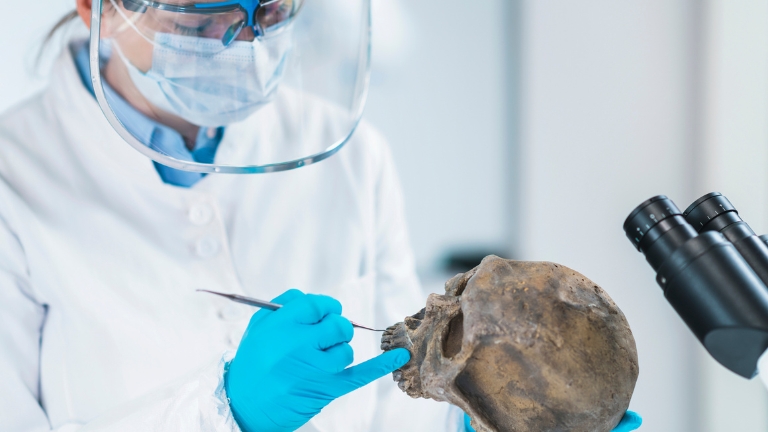
Dating techniques

CIRAM, leader in dating and analysis

Carbon-14 and radiocarbon Luminescence dating (TL/OSL)
carbon-14 and radiocarbon

Carbon-14 and radiocarbon

The carbon-14 dating is a scientific reference method for determining the age of ancient organic materials. CIRAM uses this technique for three main fields of application:

  • Archaeology, for dating historical remains,
  • The art market, for authentication of antique objects),
  • Industry, to measure the biobased content of materials.

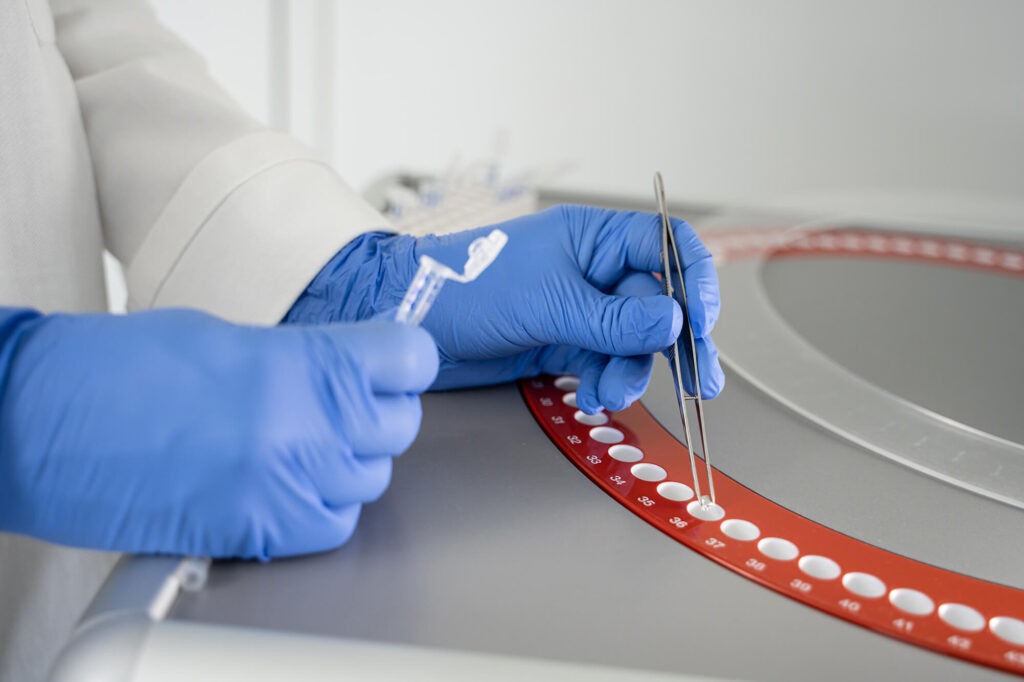
Thanks to state-of-the-art instrumentation (AMS - Accelerator Mass Spectrometry) and rigorous protocols, we can analyze samples as small as a few milligrams, with an accuracy of less than 0.5%, even outside an archaeological context.

Contact our teams

Carbon-14 dating applications

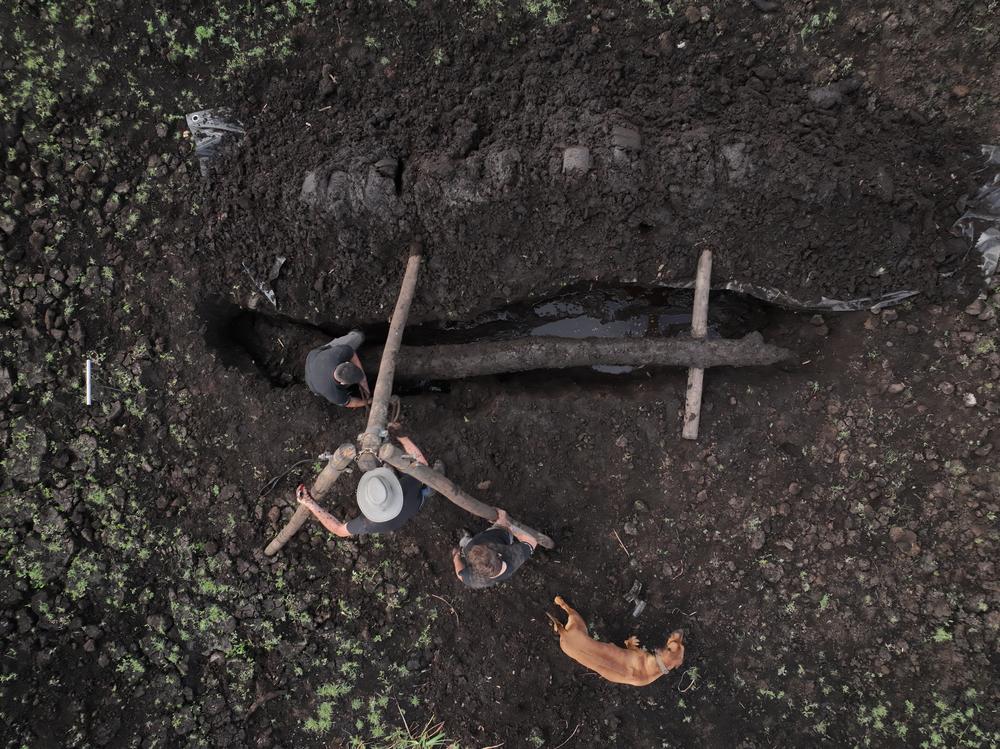
01 - Carbon-14 dating for archaeology

The performing carbon-14 dating dating makes it possible to accurately determine the age of an organic sample up to 50,000 years old. It is used for :

  • Determine the age of your artifacts,
  • Establish a precise chronology of past events,
  • Compare different archaeological sites,
  • Validate or refute historical hypotheses.

Our teams of scientists use measurements of radiological activity to determine the age of artifacts. After sampling in the field, our laboratories guarantee results within 10 working days to meet the constraints of preventive archaeology.

Read more

02 - Carbon-14 dating of objets d'art

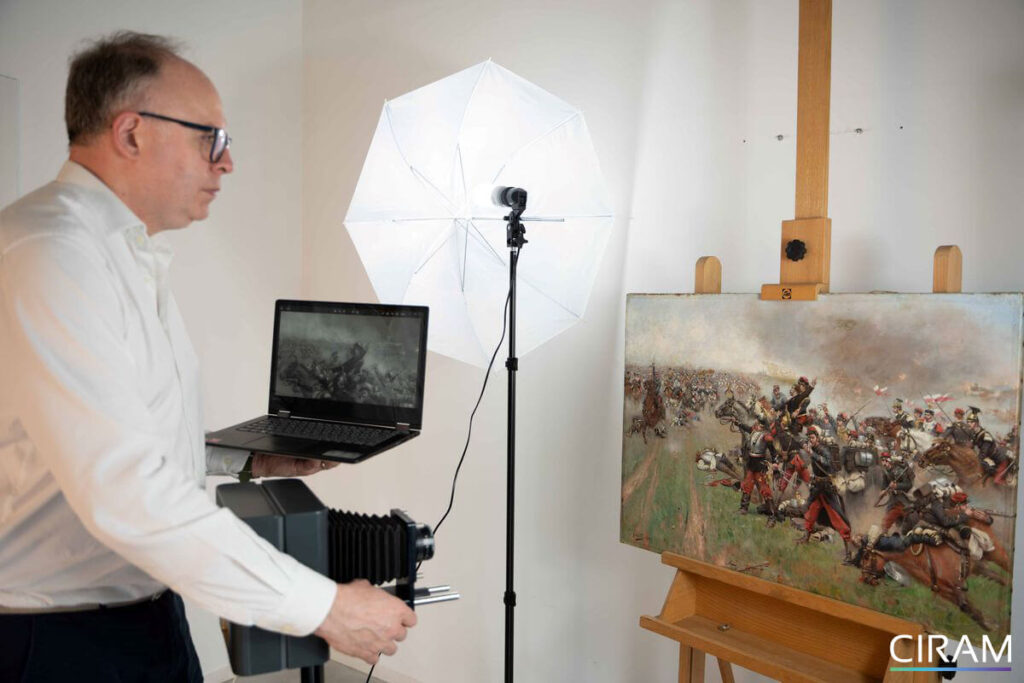
The carbon-14 technique is a recognized solution for verifying the authenticity of art objects made of organic materials such as wood, paper, ivory or even bones. Used alone or in conjunction with analyses such as xylology or radiography, it enables :

This method provides experts with a rigorous scientific basis to support their appraisals and guarantee the traceability of works.

Read more

03 - Analysis of your biobased products

For manufacturers, carbon-14 dating makes it possible to quantify the proportion of carbon of biological origin in a product, according to ASTM D6866 (biobased products) and EN 16640 (biopolymer materials). This analysis is essential for :

With an accuracy of less than 0.5%, CIRAM helps manufacturers optimize their formulations.

Read more
Luminescence dating (TL/OSL)

Luminescence dating (TL/OSL)

Unlike carbon-14 dating, which applies to organic materials, dating by thermoluminescence thermoluminescence (TL) and optically stimulated luminescence (OSL) can be used to determine the age of mineral materials that have been heated (firing) or exposed to light (insolation), such as :

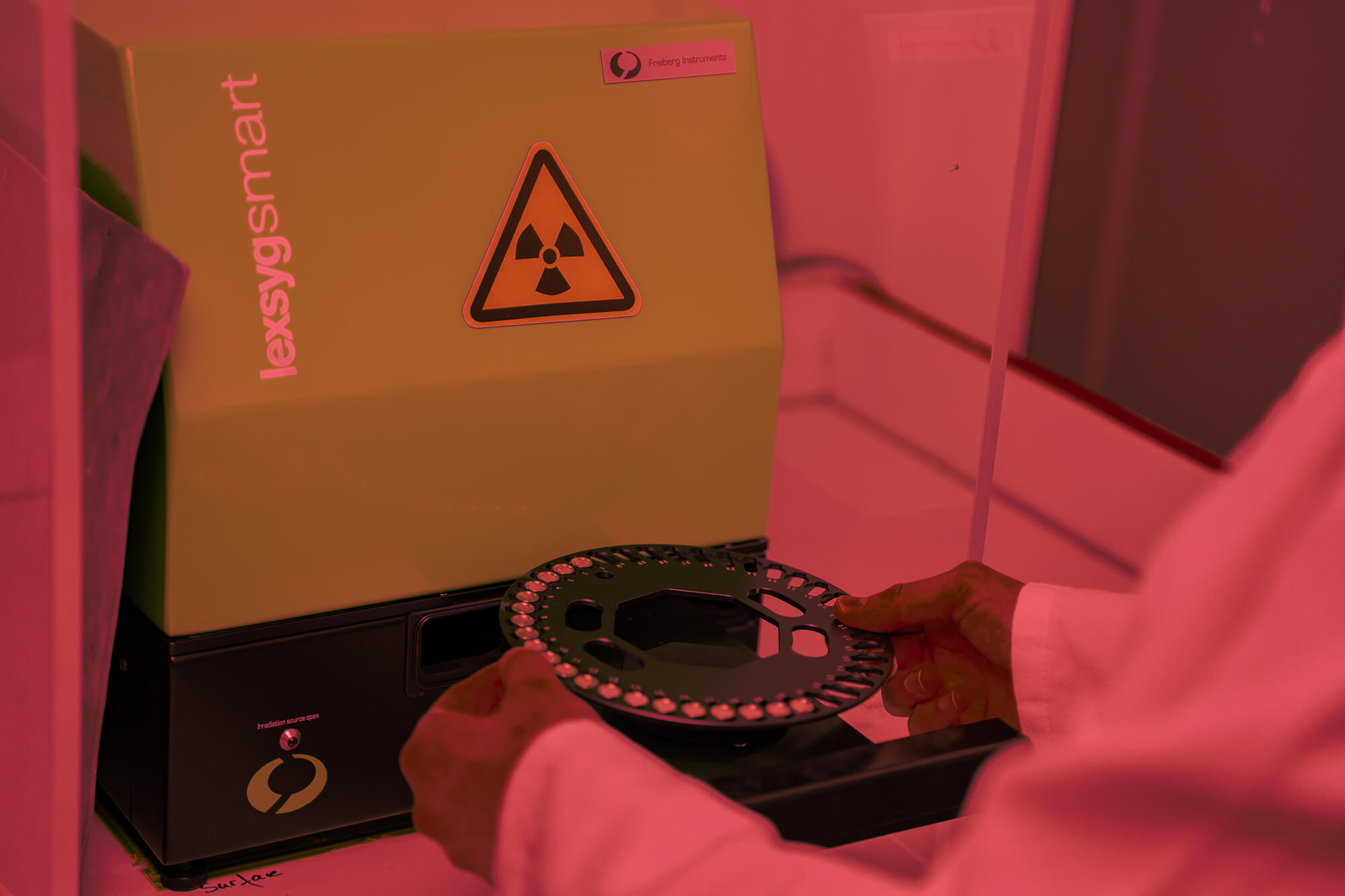
At CIRAM, we use the TL-OSL LexsygSmart reader, a state-of-the-art technology that ensures reliable, reproducible and rapid results, even on small, restored or deteriorated antique objects.

Thanks to these analyses, we meet the needs of archaeologists, heritage experts and art market players in terms of dating, authentication and conservation.

Contact our teams

Applications of luminescence dating

01 - Archaeological dating of heated materials

TL/OSL dating is an essential archaeological method for determining the age of terracotta. determine the age of terracottaceramics, bricks, tiles or hearthstones. It identifies the moment when an object was last fired, thus revealing its date of manufacture.

Particularly useful when carbon-14 dating is not applicable, this method :

  • Establish reliable chronologies for archaeological sites,
  • Specifies the phases of human occupation,
  • Complete stratigraphic and contextual analyses.
Read more

02 - Authentication of ceramic and porcelain objets d'art

In the field of cultural heritage, TL/OSL dating can be used to check whether a work of terracotta, ceramic or porcelain conforms to the supposed period of its creation.

By analyzing the luminescence emitted by the constituent minerals (quartz, feldspars), it is possible to :

  • Detecting fakes, copies and modern restorations,
  • Confirm period dating for collector's items,
  • Provide scientific evidence for transactions or expert appraisals.
Read more

03 - Study of sediments in geology and geomorphology

OSL dating is applied to exposed sediments to estimate the time elapsed since their last exposure to natural light. This technique is invaluable for reconstructing environmental or geological events:

  • Dating of alluvial and eolian deposits,
  • Study of landslides, flows and dune formations,
  • Reconstruction of paleoenvironments.
Read more

04 - Preserving and promoting cultural heritage

Luminescence dating contributes to the scientific conservation of historical objects and museum collections. It can be used to assess the age of decorative or architectural pieces such as :

  • Terracotta sculptures,
  • Earthenware tiles,
  • Ceramic decorative elements,
  • Antique architectural objects.

This method is particularly popular with museums, curators and private collectors wishing to authenticate a piece prior to acquisition or exhibition.

Laboratoires CIRAM, world leader in dating

For 20 years, CIRAM has been an international benchmark in scientific dating and materials analysis. Our laboratories support museums, art market experts, archaeologists and manufacturers by providing precise, rigorous analyses in line with international standards.

Thanks to our expertise in carbon-14 dating and luminescence (TL/OSL), we help our customers authenticate objects, date artifacts and characterize bio-based materials.

Our state-of-the-art equipment and strict protocols guarantee reliable, rapid results tailored to every need, whether you're appraising a work of art, studying an archaeological relic or validating an ecological certification.


Are you asking yourself these questions?

What types of objects can be dated at CIRAM?

We analyze a wide range of materials, whether organic (wood, ivory, bone, paper, textiles) or mineral (ceramics, terracotta, metals, glass, stones, sediments), using our different dating methods.

What's the difference between carbon-14 dating and luminescence dating?

Carbon-14 is used to date organic materials, while luminescence (TL/OSL) is applied to minerals heated or exposed to light, such as ceramics and sediments.

How long does it take to obtain dating results?

We guarantee results within 10 working days for carbon-14 dating. Turnaround times for other analyses vary according to the complexity of the samples and the methods used.

How do I send a sample for dating?

We support our customers every step of the way. After making contact, we provide detailed instructions for shipping samples under the best possible conditions.

How much does dating cost?

The cost of dating depends on the nature of the sample, the technique used and the number of samples to be analyzed. Please contact us for a personalized quotation.

Make an appointment with an expert

Get all the answers to your questions!

Make an appointment

Explore our dating and analysis resources

Archaeology
Comparison between carbon-14, TL, and OSL: which method should you choose?

Comparison between carbon-14, TL, and OSL: which method should you choose?

Choosing the right dating method in archaeology is not just a technical issue: it is a key decision that guides the entire interpretation of a site. Which technique to choose...

Read the article

Carbon 14
How carbon-14 analysis helps preserve biodiversity

How carbon-14 analysis helps preserve biodiversity

How can we retrace the invisible history of ecosystems and better understand the dynamics of biodiversity? Thanks to carbon-14 dating, researchers now have a scientific tool that they can use to...

Read the article

Art market
How to recognize bronze and differentiate it from brass?

How to recognize bronze and differentiate it from brass?

Distinguishing a work of art in bronze from one in brass is not possible at a glance, however expert. Deceptive patinas, invisible restorations, sophisticated forgeries...

Read the article

Archaeology
The limits of carbon-14 dating: when should we turn to other methods?

The limits of carbon-14 dating: when should we turn to other methods?

How do you know whether a work of art, an archaeological object or a heritage item is really as old as it claims to be? Carbon-14 dating is often the method of choice, but it can also be used to...

Read the article

Art market
How to recognize a forged signature on a painting?

How to recognize a forged signature on a painting?

A simple signature can make the difference between an anonymous work and a masterpiece valued in the millions on the art market. But what happens when that signature is...

Read the article

Archaeology
What role does anthracology play in preventive excavations?

What role does anthracology play in preventive excavations?

Anthracology plays a key role in preventive excavations: by studying archaeological coals, it sheds light on past human practices and paves the way for carbon dating...

Read the article

Request a quote