
CIRAM, the laboratory where chemists, physicists and archaeologists work together. Our multi-disciplinary approach enables us to respond to archaeological issues as well as heritage restoration and conservation concerns.
Archaeometry: a constantly evolving discipline
Archaeometry is a relatively recent discipline in the world of science. Born in England in the 1950s, it developed in France from the 1970s onwards, and is still evolving today. In terms of research issues, it is associated with archaeology, history and art history. Its ambition is to document the life of past populations through the study of the material traces they left on the environment or through their material production. The adaptation of analytical techniques has made it possible to observe the organization and composition of matter on a microscopic scale, to determine the date of use of a material, and to read the geochemical signature of a raw material.
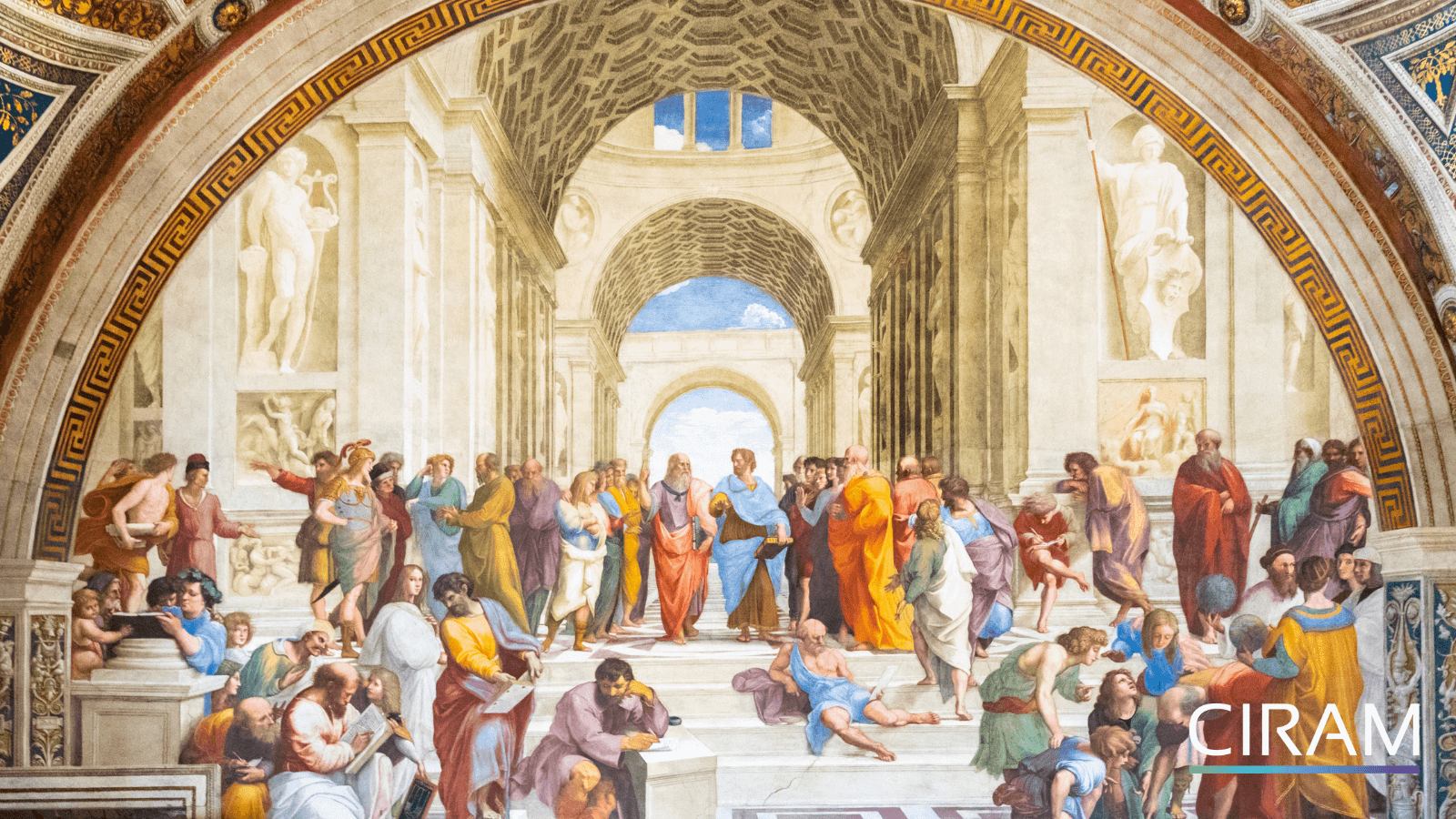
Wall paints are composite materials in the sense that they contain different types of components. These include the mineral substrate, which is likely to have been coated, and the various preparatory and pictorial layers, which are composed of mineral and organic materials. This is why we adapt our analysis techniques to the type of material involved.
Analyzing wall paintings: techniques and methods
Observation of the stratigraphy of the pictorial layers by optical and electron microscopy will enable us to define the succession of colors used, as well as their chronology. In addition, chemical analysis of the pigments will provide a relative dating of the different applications. For example, the identification of ultramarine blue (polysulfurized sodium aluminosilicate) will indicate that this coating could only have been applied from 1830 onwards. This is a terminus post quem. This stratigraphic study will make it possible to identify the original color of a mural and characterize the various restoration phases undergone.
Analysis of organic binders by infrared spectrometry or chromatography will enable us to define their nature, e.g. lipidic or proteinic, and more precisely oil or animal glue, for example. Identifying binders is also an important step in the process of restoring and conserving wall paintings.
Studying the deposits present on the surface of wall paintings will also be an essential aid to restoration. These deposits can be of various natures, either mineral or biological. Deposits of soluble salts can cause serious damage to painted works. They are identified by ion chromatography, and their nature is linked to their origin. For example, the presence of nitrates is due to contaminated water underlying the foundations and to bacterial activity. These are capillary effects that allow nutrients produced by nitrogen bacteria to rise to non-negligible heights. Nitrate salts, which are highly soluble, migrate easily. Biological deposits correspond mainly to molds or fungi, bacteria, algae or yeasts. Identifying them is a prerequisite for precisely defining the treatments to be used to guarantee the conservation of wall paintings.
CIRAM, a specialist in carbon-14 dating and archaeomaterial analysis, also offers acomplete analysis of wall paintings. These studies remain essential in the process of restoring and conserving cultural property.