Hand-assembling blocks representing biogas, the green industry, and bio-based carbon analysis in accordance with ASTM D6866

ASTM D6866: Reference Method for Bio-based Content

At CIRAM, we perform ASTM D6866 compliant carbon 14 analyses to accurately determine the proportion of bio-based carbon in industrial products.

Contact our teams
A scientist taking notes next to a microscope

Requirements and Scope of ASTM D6866

The ASTM D6866 standard was launched in 2004. It defines the testing methods that allow to determine the content of bio-based carbon of solid, liquid, and gaseous materials using radiocarbon analysis.

It is based on the distinction between:

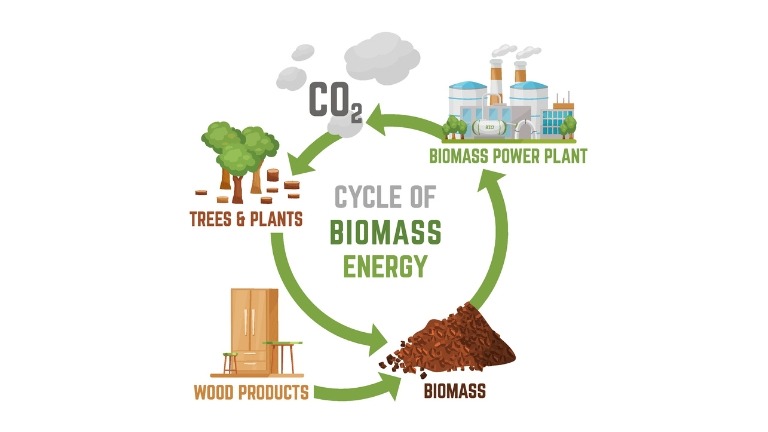
  • The carbon from recent biological resources (biogenic carbon), in equilibrium with atmospheric CO₂,
  • The fossil carbon, devoid of carbon 14.

The analytical methods used (AMS, IRMS, or LSC, as appropriate) allow this proportion to be quantified with an uncertainty generally ranging from 0.1% to ±3%, depending on the protocols and laboratories. In addition, the method uses international reference materials to ensure the traceability of measurements and their comparability across laboratories.

Source: ASTM International – Standard Test Methods for Determining the Biobased Content of Solid, Liquid, and Gaseous Samples Using Radiocarbon Analysis (ASTM D6866)

For an in-depth analysis, you can consult our dedicated article: In which cases should ASTM D6866 be used?

Explore the areas of application

They trust us

Many companies from the sectors of biomaterials,biofuels or renewable energies call on CIRAM to analyze the bio-based content of their products according to standard ASTM D6866.

Essilor logo
Solvay Logo
IFP Energies nouvelles logo
L'Oréal logo
Michelin logo
Eiffage logo
Illustration of technical requirements, standards, and compliance frameworks related to ASTM D6866 bio-based carbon content analysis

CIRAM: expertise in radiocarbon analysis in accordance with ASTM D6866

Within this regulatory framework, CIRAM implements the ASTM D6866 standard in a rigorous analytical setting: the analyses carried out by our laboratory are based on accelerator mass spectrometry (AMS), the reference technology for measuring carbon 14.

This technique makes it possible to accurately quantify the proportion of carbon from modern sources as opposed to fossil carbon, based on the natural presence (or absence) of carbon-14 in the materials.

Our results are expressed in percentage of bio-based carbon, with a controlled uncertainty of 0.3 to 0.5%, making them directly usable in your technical documents, certification files, or commercial arguments.

Request a quote

Why choose CIRAM for your ASTM D6866 radiocarbon analyses?

By choosing CIRAM, you are relying on an independent scientific laboratory, specializing in radiocarbon dating and analysis for over 20 years. Our laboratory is recognized for its mastery of ASTM D6866 methods, and offers you:

  • a rigorous implementation of the standard ASTM D6866, compliant with international requirements,
  • analyses carried out by AMS spectrometry, guaranteeing high precision,
  • reliable results within 7 to 10 working days, directly usable in your technical and regulatory procedures,
  • scientific analysis tailored to your specific needs (LCA, certification, marketing claims),
  • personalized support, with a dedicated scientific contact person,
  • complete confidentiality of your samples and data.
Contact our teams

Are you asking yourself these questions?

What types of products can be analyzed according to ASTM D6866?

All products containing at least 1% carbon: liquids, solids, or gases. Even formulated and complex products are eligible.

Is ASTM D6866 recognized in Europe?

Yes. It is often used as a supplement to or equivalent of European standards and is widely accepted, and even recommended, in requests for proposals and environmental audits.

How does carbon-14 analysis differ from simple material control?

Carbon-14 analysis provides independent scientific proof, uninfluenced by supplier declarations or technical data sheets.

Can the analysis be used for a label or certification?

Yes, CIRAM results can be integrated into ecolabel, LCA, biosourced certification or CSR reporting dossiers.

Do you offer sampling support?

Of course. We'll show you how to collect, package and securely ship your samples.

What is the current version of ASTM D6866?

The currently applicable version is the standard ASTM D6866-24a, published in 2024.

Make an appointment with an expert

Get all the answers to your questions!

Make an appointment

Explore our dating and analysis resources

Industry
What is a biobased product?

What is a biobased product?

Find out what biobased products are, what their advantages are, and how manufacturers are integrating them to transform their practices.

Read the article

Industry
Milk adulteration: what laboratory testing methods are available?

Milk adulteration: what laboratory testing methods are available?

Milk adulteration is a threat to the quality and conformity of dairy products. What methods can be used to detect these frauds quickly, reliably and ...

Read the article

Industry
How to check the naturalness of a flavor using carbon 14?

How to check the naturalness of a flavor using carbon 14?

Test the naturalness of your flavors and dietary supplements using radiocarbon and stable isotopes. Carbon 14 and stable isotopes allow...

Read the article

Industry
Why trust an ISO/IEC 17025 accredited laboratory for your stable isotope analyses?

Why trust an ISO/IEC 17025 accredited laboratory for your stable isotope analyses?

Stable isotope measurements play a key role in the quality control and traceability of industrial materials. But how can you be sure of the reliability of your results? By entrusting your...

Read the article

Industry
ISCC Plus certification: how to secure your biobased supply chains?

ISCC Plus certification: how to secure your biobased supply chains?

Increasing demands for traceability and sustainability make ISCC Plus certification a strategic asset for manufacturers involved in biobased products. Find out more...

Read the article

Industry
ISO 21644: an essential framework for CSR analysis

ISO 21644: an essential framework for CSR analysis

EN ISO 21644 is an essential standard for ensuring the compliance and traceability of solid recovered fuels (SRF). But how can you be sure that your materials comply ...

Read the article

Request a quote