Fossil wood samples dated by the CIRAM laboratory
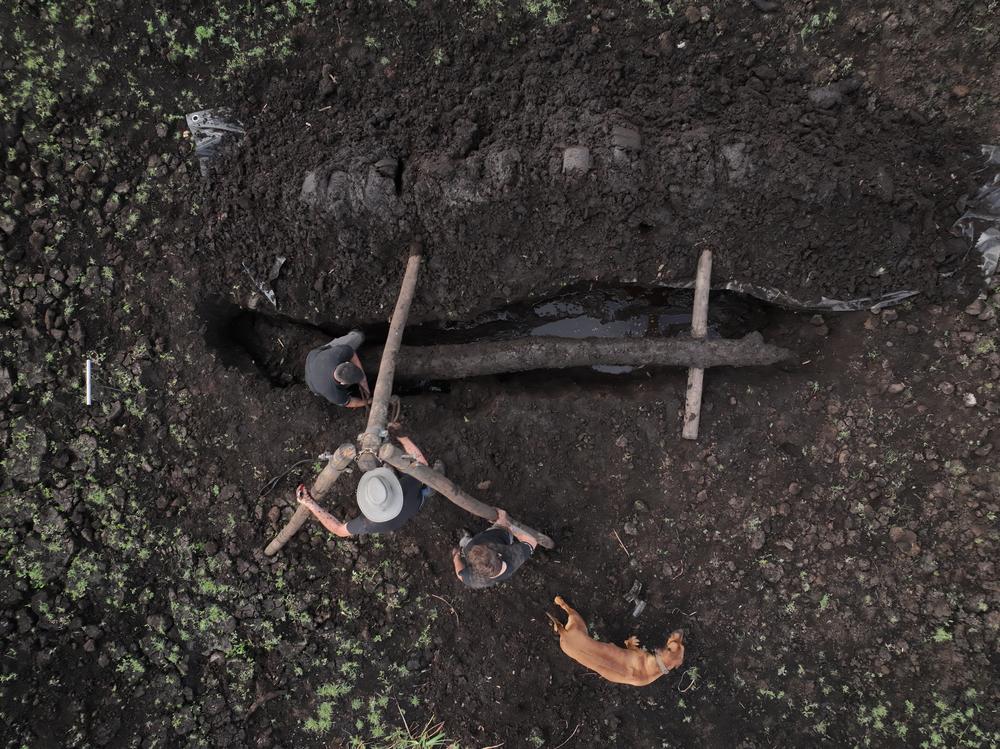
The CIRAM has dated two fossil woods whose exceptional preservation is explained in particular by their burial in a humid, oxygen-poor environment.

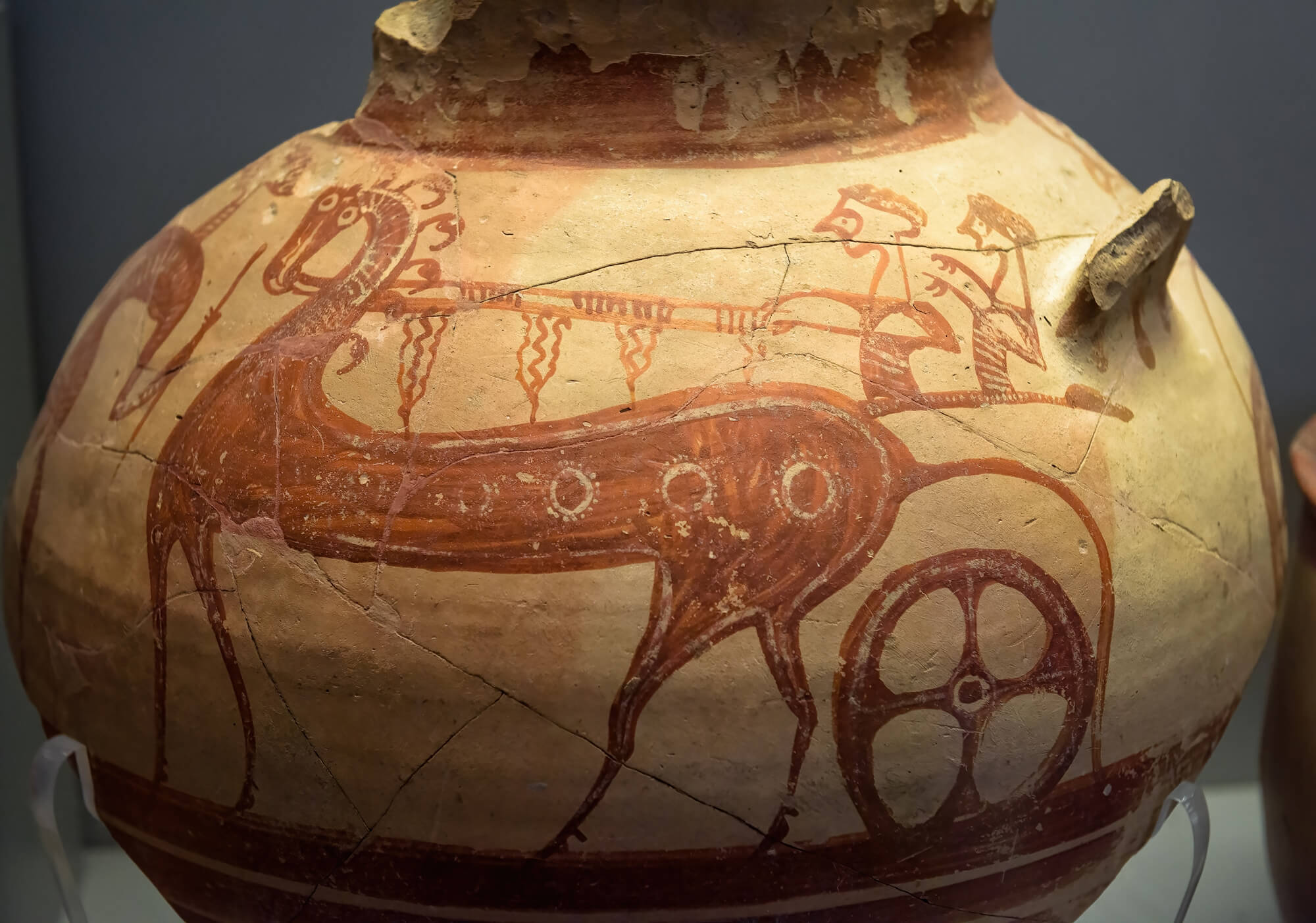
Luminescence dating (TL / OSL) is a valuable method for dating archaeological materials such as pottery shards, building bricks, hearthstones, and sediments.
Contact our teams
Luminescence dating measures the accumulated irradiation in quartz and feldspar crystals due to natural radioactivity, self-irradiation, and cosmic radiation.
This energy is trapped in the defects of the crystalline lattice and released as light when stimulated: by heating for thermoluminescence (TL) or by exposure to a light source for optically stimulated luminescence (OSL).
The intensity of this luminescence is proportional to the time elapsed since the last heating or light exposure, thus offering aprecise dating of ancient mineral materials.
Request a quote
TL/OSL dating allows for the evaluation of the age of heated or light-exposed mineral materials, such as terracotta, hearthstones, and sediments. Unlike carbon 14, which is limited to organic matter, it applies to mineral artifacts and sedimentary environments.
However, the accuracy of the results depends on the archaeological context, including burial conditions and ambient radioactivity levels. Combined with other chronological methods, it can be used to refine dating and obtain more precise temporal reconstructions.
Contact our teams
TL/OSL dating plays a key role in the chronological reconstruction of archaeological sites. By comparing the ages of sediments and artifacts, researchers establish a timeline of human and environmental events.
Combined with other methods, such as carbon-14 dating, it strengthens the reliability of interpretations.
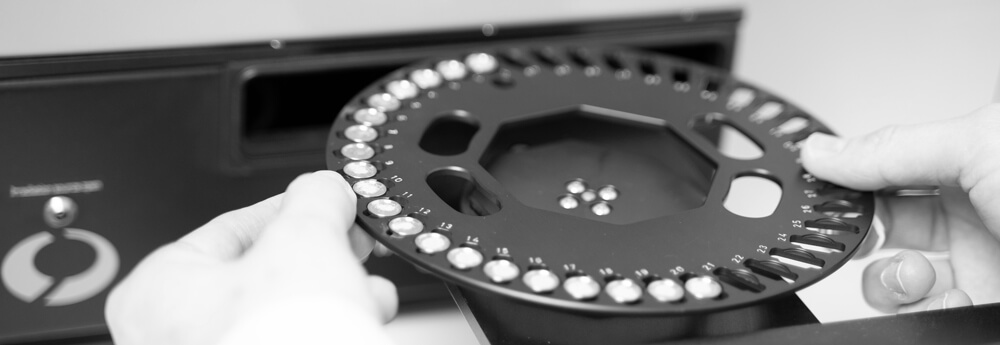
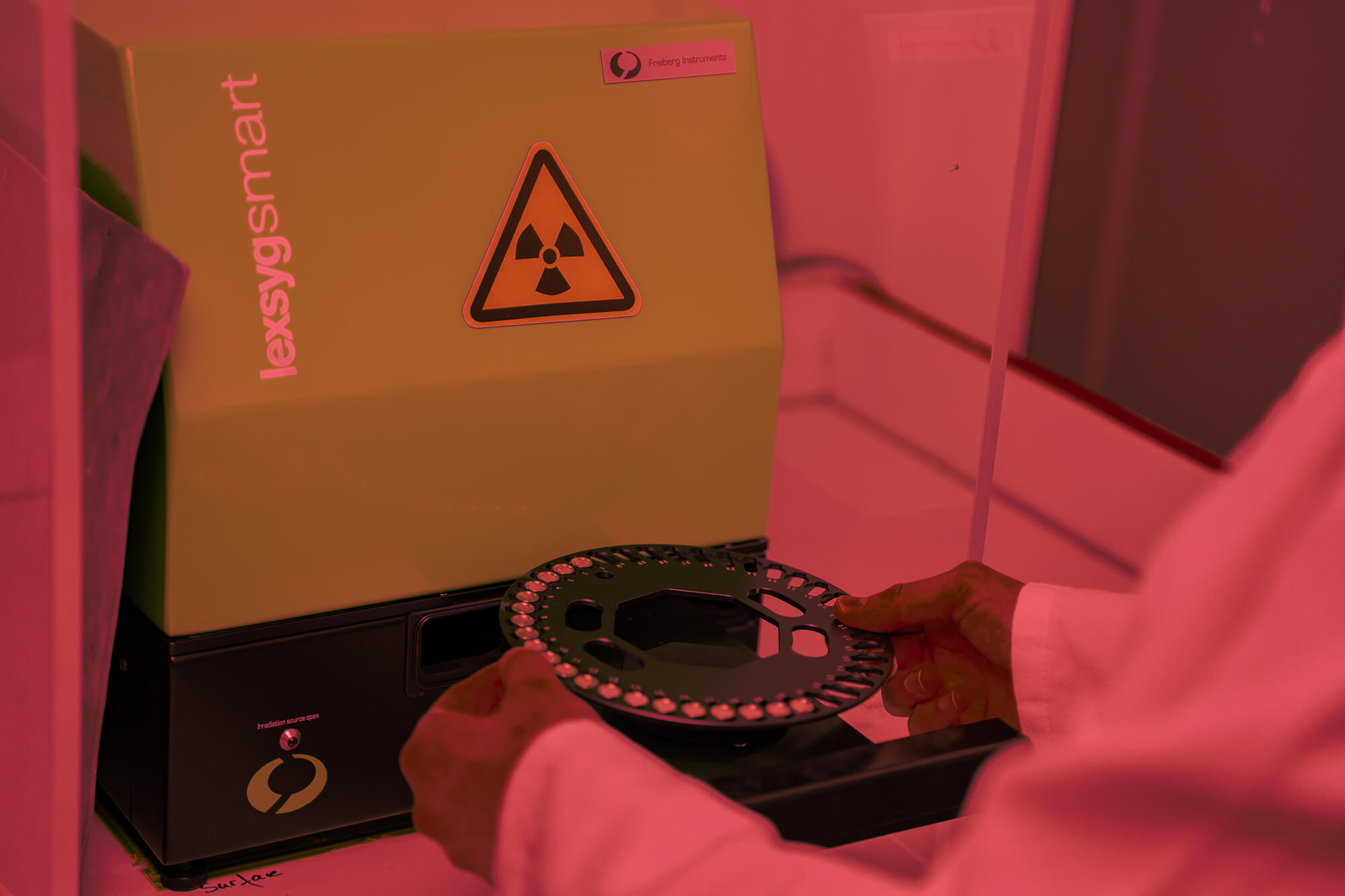
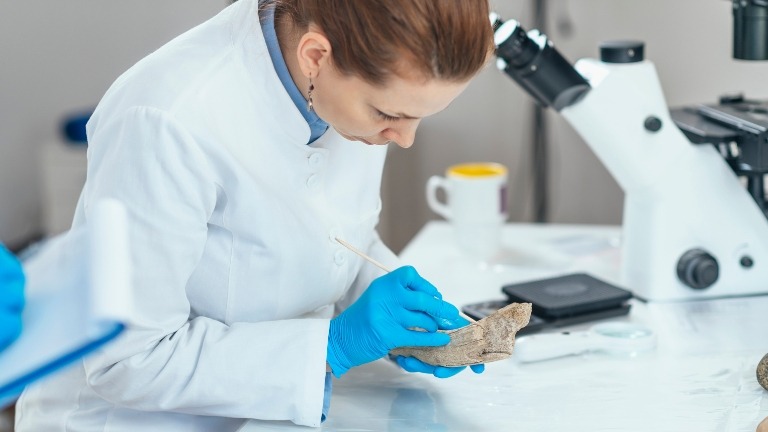
The CIRAM laboratory relies on recognized expertise and advanced technologies. Its team of doctors and engineers qualifies artifacts and analyzes mineralogical and geochemical properties for adapted treatments. State-of-the-art instrumentation includes a Lexyg Smart TL-OSL reader and a Germanium detector gamma spectrometer to measure natural radioactivity. Finally, rigorous protocols, aligned with international standards, guarantee precise and reliable results.
Request a studyThe archaeological dose, or equivalent dose (QNAT), corresponds to the amount of irradiation accumulated by minerals since they were last heated or exposed to sunlight. It is determined in the CIRAM laboratory using the Lexyg Smart TL/OSL reader.
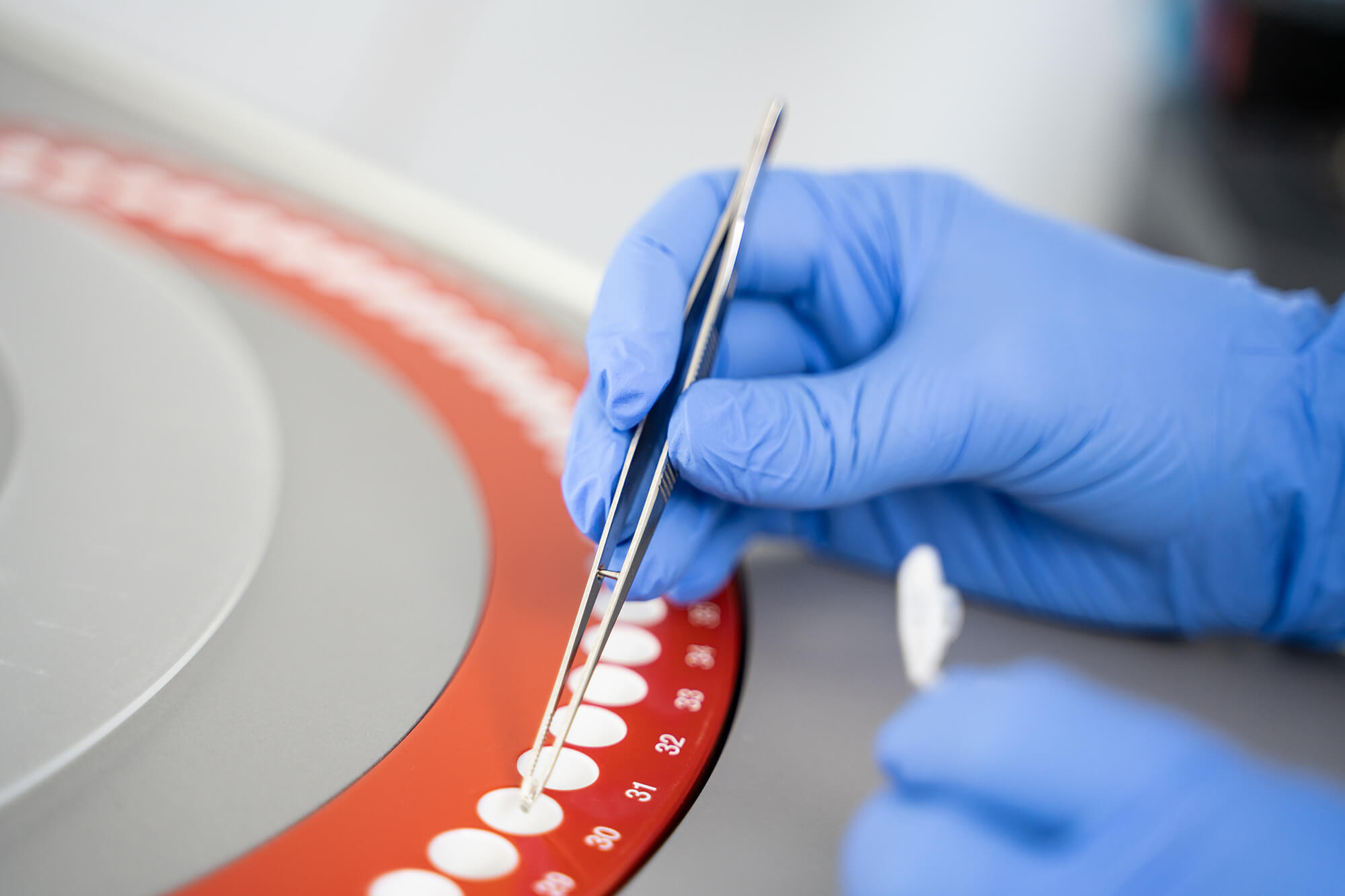
Prior to analysis, samples are first chemically treated (hydrochloric acid, hydrogen peroxide, acetone, ethanol and arium ® comfort I demineralized water (H2O-I-...)) to remove contaminants such as carbonates and organic matter.
Granulometric sorting is then carried out to retain only grains between 40 and 120 µm. Finally, analysis is carried out on a minimum of 40 aliquots per sample, with at least three doses of irradiation added to calibrate the results.
The annual dose is the amount of irradiation received by the crystals every year. There are three sources of natural irradiation:
This value varies according to the burial context and the composition of the surrounding materials. To determine it, the CIRAM laboratory measures uranium, thorium and potassium concentrations, both in the sample studied and in its sedimentary environment.
The age of a sample is obtained by dividing the archaeological dose by the annual dose. This operation precisely dates the last thermal event for TL or the last exposure to light for OSL.
Thanks to strict protocols and state-of-the-art equipment, the CIRAM laboratory provides reliable results, essential for the study of archaeological and geological materials.
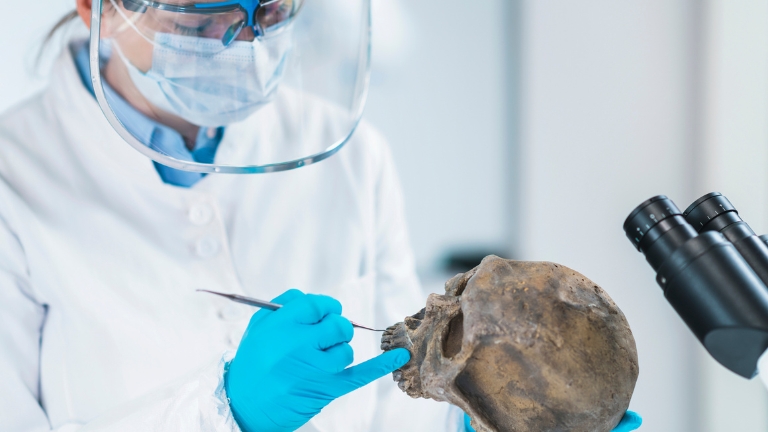
The CIRAM laboratory offers many other analytical techniques to provide a comprehensive approach to archaeological objects and remains: carbon 14 dating, anthracology/xylology, organic residue analysis, and isotopic analysis.
Using methods and equipment similar to those of public institutes and universities, CIRAM positions itself as a key player in the field of archaeological dating, offering superior quality services to our clients.
For more information about our services and to discover how we can help you with your research and conservation projects, contact CIRAM today and request a study.
Contact our teamsIt can be used to date heated mineral artifacts (ceramics, bricks, hearthstones) and sediments, providing a reliable chronology for the occupation of archaeological sites.
Unlike carbon-14, which is limited to organic materials, TL/OSL can be used to date mineral materials, thus broadening the scope of chronological analysis.
Variations in humidity, disruption of sedimentary layers and post-depositional modifications can impact the accuracy of results.
The entire process generally takes between 4 and 6 months. Times may vary depending on the type of sample, the complexity of the analysis and the volume of requests.
The cost of TL/OSL dating depends on the nature of the sample, the complexity of the analysis and the number of samples to be analyzed. Please contact us for a personalized quotation.
The CIRAM has dated two fossil woods whose exceptional preservation is explained in particular by their burial in a humid, oxygen-poor environment.
Choosing the right dating method in archaeology is not just a technical issue: it is a key decision that guides the entire interpretation of a site. Which technique to choose...
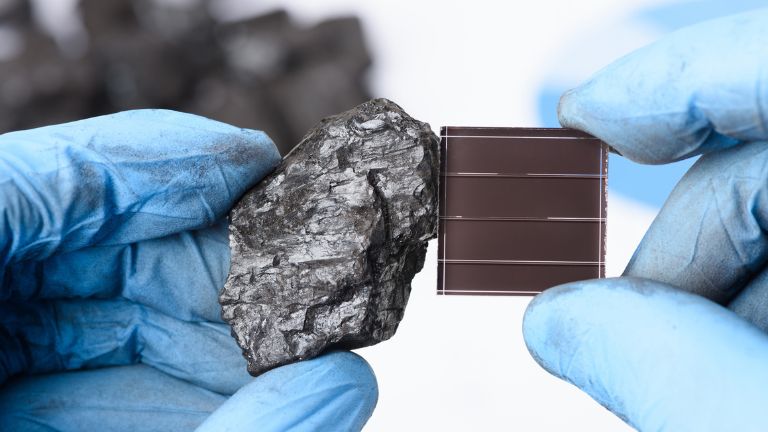
Anthracology plays a key role in preventive excavations: by studying archaeological coals, it sheds light on past human practices and paves the way for carbon dating...
What methods are suitable for dating a fragile artifact, tracing the origin of a material or identifying millennia-old organic residues? Mass spectrometry provides access to...
The cross-fertilization of dating techniques for archaeology guarantees the reliability of analyses in response to the complexity of the contexts and materials studied. Find out why...
Carbon-14 dating is essential in archaeology to understand and date organic materials found on ancient sites. Discover how this method enables archaeologists to...