Anthracology/Xylology

Anthracology and xylology:
charcoal and wood species analysis

Anthracology and xylology are essential disciplines in archaeological analysis for in-depth study of charcoal and wood species, and for identifying species and origin (trunk, branch, twig...).

Contact our teams
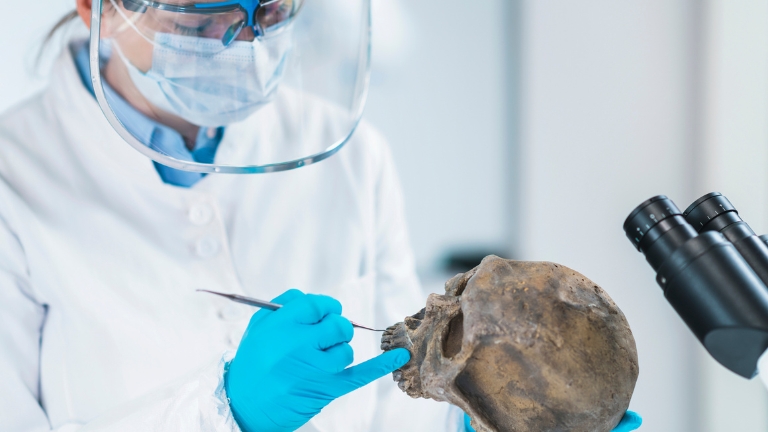
A scientist examining wood and charcoal samples under a microscope for anthracological and xylological analysis

Precise wood analysis to enrich your archaeological studies

Anthracologyand xylology are essential approaches for refining the interpretation of archaeological remains in addition to carbon-14 dating. The analysis of charcoal and woody structures allows for the identification of species used, the reconstruction of forest management practices, and the study of environmental and climatic dynamics of a given period.

Thanks to our rigorous methodology and standardized protocols, we guarantee reliable, usable results within an optimized two-week timeframe from sample receipt.

Request a quote
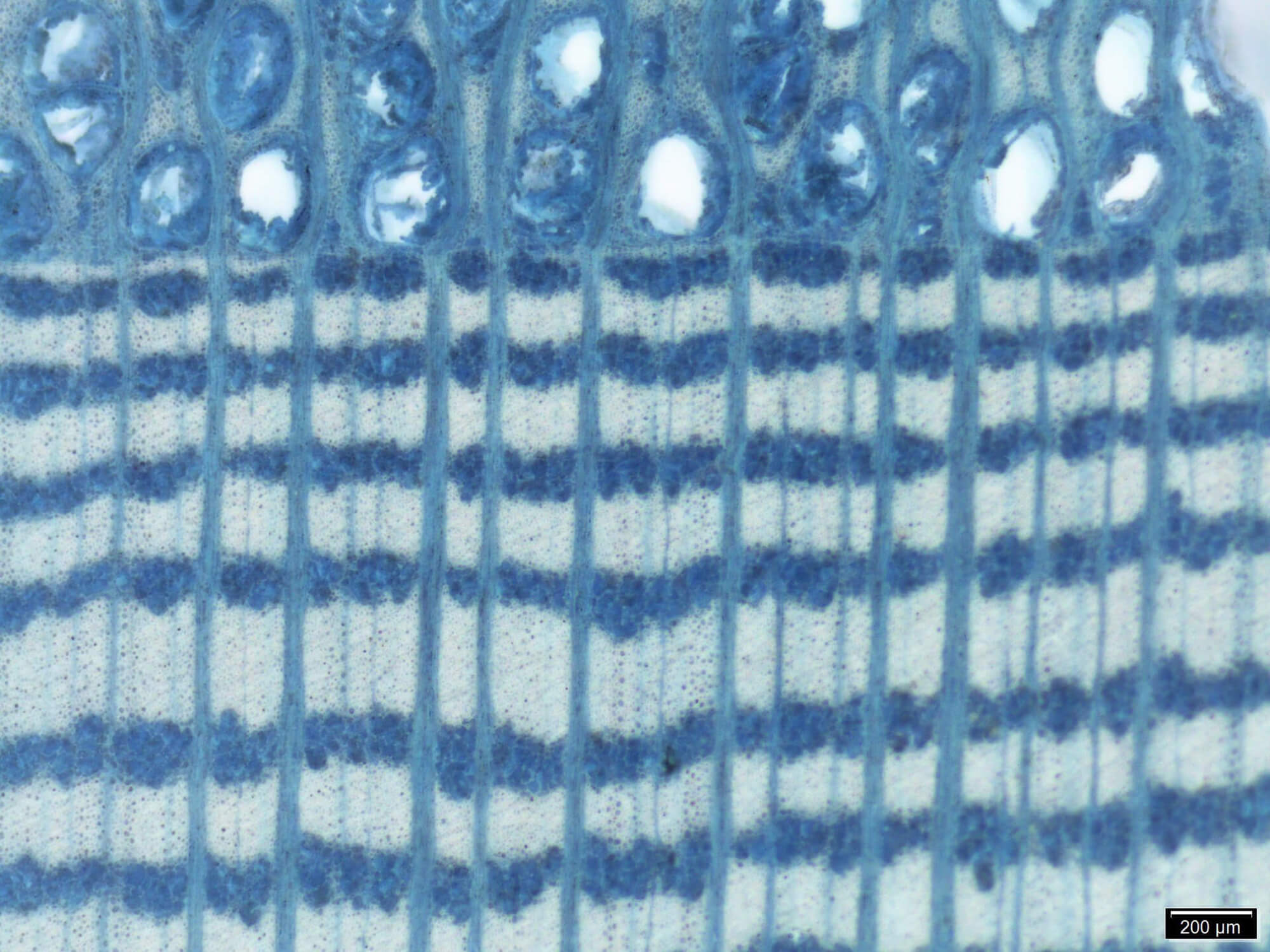
Wood cross-section for xylological study

The study of wood: between scientific analysis and historical interpretation

Our scientists use cutting-edge techniques, including stereomicroscopy for initial macroscopic observation and metallographic microscopy for fine analysis of cellular structures. Observations made in cross-sectional, radial, and tangential cuts allow for precise examination of the wood's constituent elements: vessels, parenchyma, fibers, intervascular pitting, and cell wall typologies.

Each observation is then cross-referenced with our international xylological atlas, a reference database comprising several thousand woody species identified across different periods and regions of the world.

Our teams will then interpret the results in light of their knowledge in wood anatomy and archaeobotany (charcoal analysis).

Contact our teams
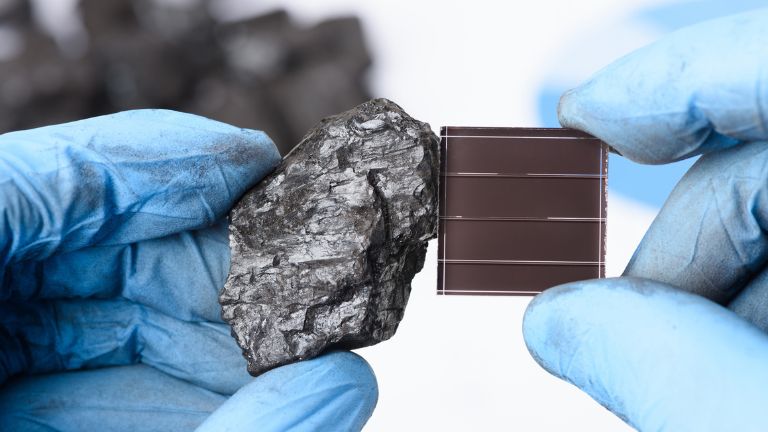
Scientist analyzing results

Applications of wood analysis in archaeology

The study of wood in archaeology is a valuable investigative tool for understanding the interaction between ancient societies and their environment. Through detailed analyses, it provides answers to several major issues:

  • Detailed identification of woody species to reconstruct silvicultural and artisanal practices.
  • Detailed paleoenvironmental reconstruction to describe climatic variations.
  • Analysis of wooden structures (habitats, fortifications) with precise dating.
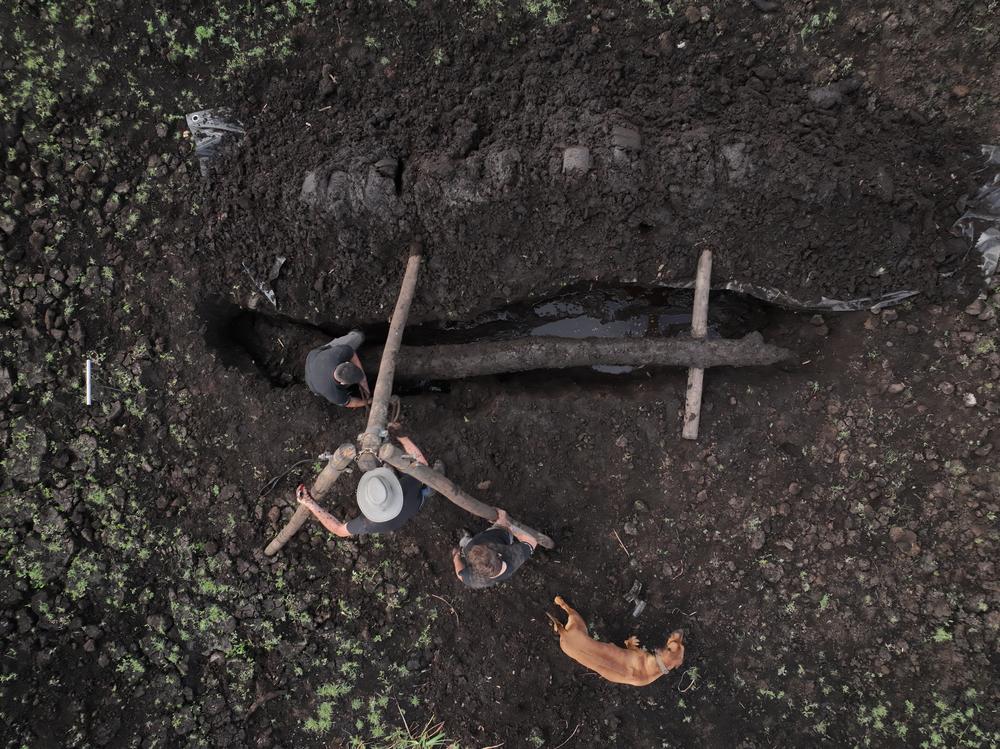
  • Conservation of waterlogged wood in underwater or wet environments.
Request a study

Wood analysis techniques:
anthracology, xylology, anatomy and dendrochronology

01 - Anthracology: microanalysis of charcoal

Anthracology, widely used in archaeology, is based on the detailed study of charcoal, often found in combustion structures (hearths, kilns, dwellings). It allows us to:

  • Determine the origin of the sample (type of wood, e.g. heart, branch or twig) and the nature of the wood (pine, oak, chestnut, etc.).
  • Identify woody taxa using three-dimensional observations (transverse, tangential and radial axes).
  • Reconstruct wood harvesting and utilization practices.
  • Interpreting sourcing strategies: preference for heartwood or young branches, depending on use (combustion, construction).

We use high-resolution digital microscopes to compare observed structures with taxonomic references.

Example: In prehistoric contexts, the anthracological study of hearths makes it possible to determine whether dead wood or freshly cut wood was used, which provides information on the dynamics of human occupation at archaeological sites.

02 - Anatomical study: structural and ecological information

The anatomical analysis of wood allows for the study of the structural characteristics of woody species. This approach provides essential information on:

  • Past climatic conditions, by analyzing anatomical anomalies (disturbed growth rings).
  • Forest resource management practices (selection of particular species for specific uses).

The data obtained are cross-referenced with paleoecological models in order to reconstruct dynamic landscapes and describe climatic constraints (dry, cold periods).

Our teams also carry out analyses of the composition of wood and charcoal to deliver maximum information about the wood, branches, and even sometimes the type of forest management from which the wood was taken.

03 - Xylology: precise identification of species and origins

Xylology uses the analysis of anatomical wood traitsto:

  • Identify woody taxa at the species level (sessile oak, chestnut, etc.).
  • Analyze regional differences in wood to trace its origins.

Here's a concrete example: a comparison between wood collected from a medieval site and our database revealed supplies from distant forests, testifying to complex exchange networks.

In archaeology, xylology makes it possible to identify types and species in order to establish a map of settlements and thus define hypotheses on the geographical origin of artifacts.

04 - Dendrochronology: fine, contextual dating

Dendrochronology is based on the measurement of wood growth rings, allowing for dating to the nearest year in the best-case scenario. In some cases, it can refine carbon-14 dating which can be imprecise (intervals of several hundred years). This method makes the following possible:

  • Analysis of climatic anomalies: shrinkage of rings linked to drought or avalanche episodes. Narrow rings indicate fairly dense woodland, and conversely, wide rings indicate sparse woodland.
  • Reconstruction of ancient forest environments, identifying periods of over-exploitation.
  • The occurrence of exceptional weather conditions at the time, such as natural disasters (fires, avalanches, etc.).

Limits and prospects: The accuracy of this method relies on local references and the availability of detailed abacuses adapted to the wood species and regions studied. To constantly improve these databases, our teams work in partnership with specialized international institutes.

CIRAM, laboratories for the analysis of archaeological artefacts

The CIRAM laboratories offer advanced analyses in anthracology, xylology and dendrochronology, as well as complementary services such as radiocarbon dating, organic residue analysis, luminescence dating and isotopic analysis.

We guarantee reliable results within two to four weeks to meet your requirements for preventive archaeological excavations. Thanks to our state-of-the-art equipment and recognized expertise, we support our customers before, during and after sample analysis for accurate, detailed conclusions.

For accurate results from Europe's leading laboratory, request a free quote on our website.

Contact our teams

Are you asking yourself these questions?

What's the difference between anthracology and xylology?

Anthracology studies charcoal from archaeological contexts to identify the species used and reconstruct ancient landscapes. Xylology, on the other hand, analyzes uncharred woody structures to identify species and their uses.

What information can be gleaned from wood analysis in archaeology?

These analyses enable us to identify the species exploited, understand silvicultural and artisanal practices, date structures and reconstruct past environments in relation to climatic and anthropic changes.

What types of samples can be sent for analysis?

We analyze woody remains (charcoal, uncharred wood), organic residues and other excavation-related materials.

How long does it take to obtain the results of an anthracological or xylological analysis?

Our laboratories provide results within two to four weeks, depending on the type of analysis requested and the complexity of the samples.

How do I take and send a sample for analysis?

We'll guide you through the sampling and packaging protocol to ensure sample integrity. Contact us to receive our recommendations tailored to your study.

Make an appointment with an expert

Get all the answers to your questions!

Make an appointment

Explore our dating and analysis resources

Archaeology
Fossil wood samples dated by the CIRAM laboratory

Fossil wood samples dated by the CIRAM laboratory

The CIRAM has dated two fossil woods whose exceptional preservation is explained in particular by their burial in a humid, oxygen-poor environment.

Read the article

Archaeology
Carbon-14, thermoluminescence TL and OSL: which dating method to choose?

Carbon-14, thermoluminescence TL and OSL: which dating method to choose?

Choosing the right dating method in archaeology is not just a technical issue: it is a key decision that guides the entire interpretation of a site. Which technique to choose...

Read the article

Archaeology
What role does anthracology play in preventive excavations?

What role does anthracology play in preventive excavations?

Anthracology plays a key role in preventive excavations: by studying archaeological coals, it sheds light on past human practices and paves the way for carbon dating...

Read the article

Archaeology
What is mass spectrometry used for in archaeology?

What is mass spectrometry used for in archaeology?

What methods are suitable for dating a fragile artifact, tracing the origin of a material or identifying millennia-old organic residues? Mass spectrometry provides access to...

Read the article

Archaeology
Dating for archaeology: why combine several methods?

Dating for archaeology: why combine several methods?

The cross-fertilization of dating techniques for archaeology guarantees the reliability of analyses in response to the complexity of the contexts and materials studied. Find out why...

Read the article

Archaeology
How is carbon-14 used to analyze archaeological materials?

How is carbon-14 used to analyze archaeological materials?

Carbon-14 dating is essential in archaeology to understand and date organic materials found on ancient sites. Discover how this method enables archaeologists to...

Read the article

Request a quote