Découvrez toutes les actualités CIRAM autour de l’analyse, dans les univers de l’archéologie, de l’art et de l’industrie.
Archéologie
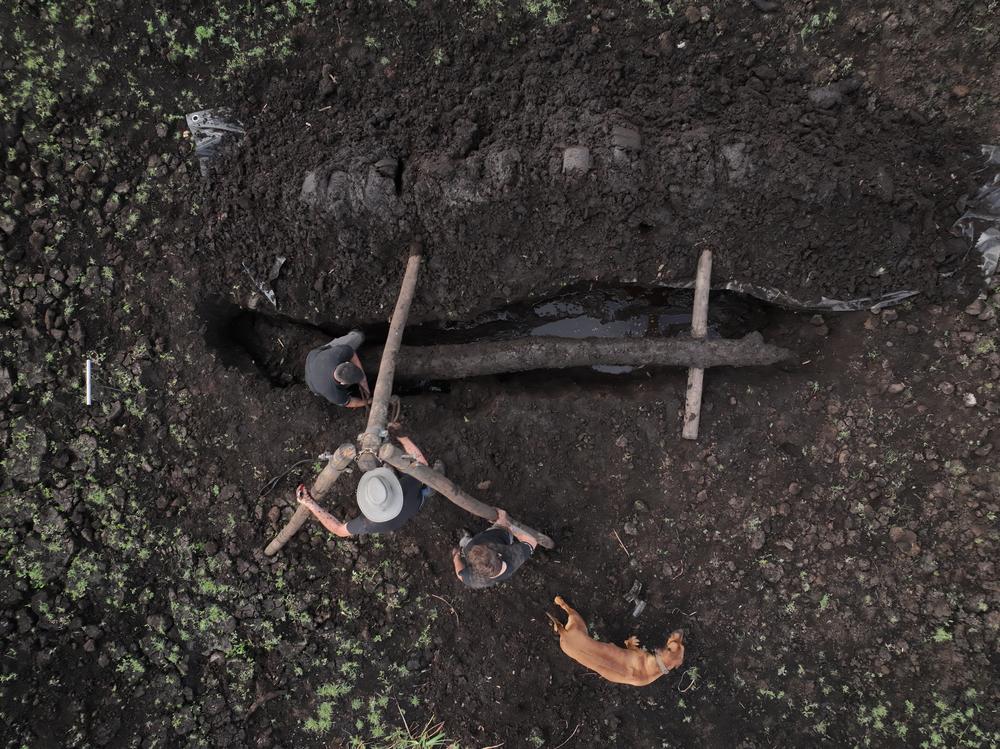
Des échantillons de bois fossiles datés par le laboratoire CIRAM
Temps de lecture : Écrit par : Plan de l’article Le CIRAM a récemment daté deux bois fossiles : un chêne « morta » et un if des marais. Tous deux ont été retrouvés enfouis au même endr…
Les multiples utilisations de la datation carbone 14
Méthode de datation incontournable, le carbone 14 ou radiocarbone est utilisé pour dater des artéfacts archéologiques, authentifier des objets d'art, mais &ea…
Découvrez ce que sont les produits biosourcés, quels sont leurs avantages et de quelle manière les industriels les intègrent pour transformer leurs pratiques.
L'analyse scientifique d'un tableau combine plusieurs méthodes complémentaires permettant d'étudier son support, ses matériaux, sa technique de fabrication, son état de conservation et son a…
Carbone 14, thermoluminescence TL et OSL : quelle méthode de datation choisir ?
Choisir la bonne méthode de datation en archéologie n’est pas seulement une question technique : c’est une décision clé qui oriente toute l’interprétation d’un site. Quelle technique choisir…
Comment authentifier une œuvre d’art ou un vestige archéologique avec rigueur scientifique ? La datation au carbone 14 offre une méthode fiable et précise pour analyser les matériaux organiq…
Les limites de la datation carbone 14 : quand faut-il se tourner vers d’autres méthodes ?
Comment savoir si une œuvre, un objet archéologique ou un élément du patrimoine est vraiment aussi ancien qu’il le prétend ? Si la datation carbone 14 est souvent la méthode privilégiée, ell…
L’importance de la calibration dans la datation carbone 14
Comment garantir la fiabilité des datations archéologiques dans un contexte où chaque année compte ? Découvrez pourquoi les courbes de calibration du carbone 14 et l’expertise de laboratoire…
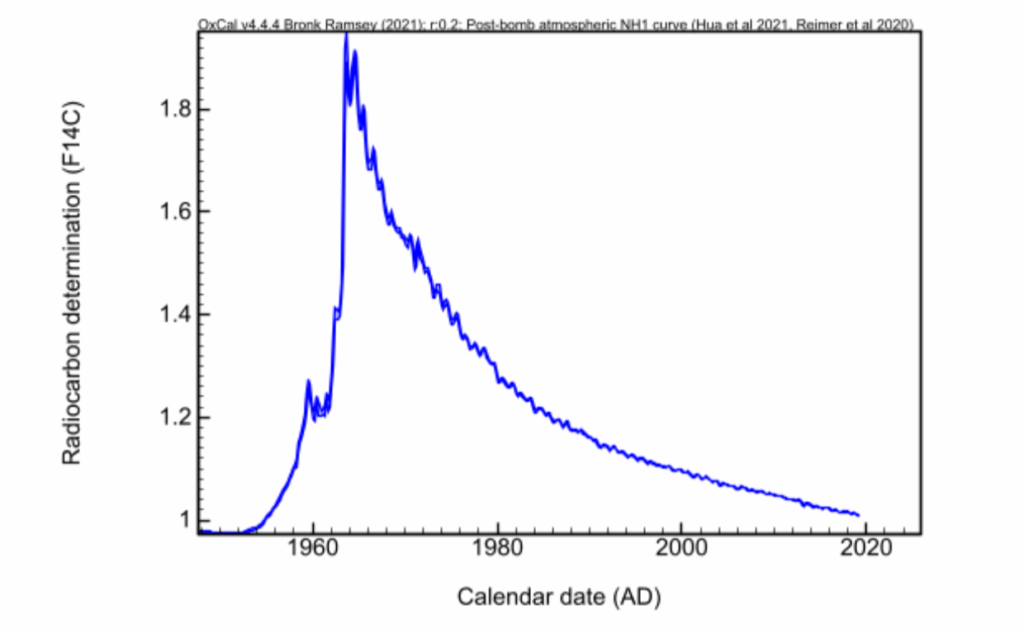
Les essais nucléaires atmosphériques du 20e siècle ont laissé une empreinte mesurable sur les matières organiques : l’effet post-bombe. Cette caractérisation du carbone 14 est aujourd’hui un…
Des échantillons de bois fossiles datés par le laboratoire CIRAM
Temps de lecture : Écrit par : Plan de l’article Le CIRAM a récemment daté deux bois fossiles : un chêne « morta » et un if des marais. Tous deux ont été retrouvés enfouis au même endr…
Les multiples utilisations de la datation carbone 14
Méthode de datation incontournable, le carbone 14 ou radiocarbone est utilisé pour dater des artéfacts archéologiques, authentifier des objets d'art, mais &ea…
Découvrez ce que sont les produits biosourcés, quels sont leurs avantages et de quelle manière les industriels les intègrent pour transformer leurs pratiques.
L'analyse scientifique d'un tableau combine plusieurs méthodes complémentaires permettant d'étudier son support, ses matériaux, sa technique de fabrication, son état de conservation et son a…
Carbone 14, thermoluminescence TL et OSL : quelle méthode de datation choisir ?
Choisir la bonne méthode de datation en archéologie n’est pas seulement une question technique : c’est une décision clé qui oriente toute l’interprétation d’un site. Quelle technique choisir…
Comment authentifier une œuvre d’art ou un vestige archéologique avec rigueur scientifique ? La datation au carbone 14 offre une méthode fiable et précise pour analyser les matériaux organiq…
Pour offrir les meilleures expériences, nous utilisons des technologies telles que les cookies pour stocker et/ou accéder aux informations des appareils. Le fait de consentir à ces technologies nous permettra de traiter des données telles que le comportement de navigation ou les ID uniques sur ce site. Le fait de ne pas consentir ou de retirer son consentement peut avoir un effet négatif sur certaines caractéristiques et fonctions.
Fonctionnel
Toujours activé
Le stockage ou l’accès technique est strictement nécessaire dans la finalité d’intérêt légitime de permettre l’utilisation d’un service spécifique explicitement demandé par l’abonné ou l’utilisateur, ou dans le seul but d’effectuer la transmission d’une communication sur un réseau de communications électroniques.
Préférences
Le stockage ou l’accès technique est nécessaire dans la finalité d’intérêt légitime de stocker des préférences qui ne sont pas demandées par l’abonné ou l’utilisateur.
Statistiques
Le stockage ou l’accès technique qui est utilisé exclusivement à des fins statistiques.Le stockage ou l’accès technique qui est utilisé exclusivement dans des finalités statistiques anonymes. En l’absence d’une assignation à comparaître, d’une conformité volontaire de la part de votre fournisseur d’accès à internet ou d’enregistrements supplémentaires provenant d’une tierce partie, les informations stockées ou extraites à cette seule fin ne peuvent généralement pas être utilisées pour vous identifier.
Marketing
Le stockage ou l’accès technique est nécessaire pour créer des profils d’utilisateurs afin d’envoyer des publicités, ou pour suivre l’utilisateur sur un site web ou sur plusieurs sites web ayant des finalités marketing similaires.