

Article Outline
- Introduction to the concept of biobased products
- Biobased products: definition
- Origin and emergence of biobased products
- Essential characteristics of a biobased product
- Raw materials used for biobased products
- Manufacturing processes for biobased products
- The different applications of biobased products
- Biobased products for food
- Biobased products for cleaning and cosmetics
- Biobased products for industry

These days, regulatory pressure is driving manufacturers to adapt their manufacturing processes to include sustainability objectives. With this in mind, biobased products are proving to be a promising solution. But what are "biobased products", and why are they a crucial avenue for industry and research?
In this article, we take an in-depth look at their definition, applications and benefits for industry. Discover how these products can transform your industrial processes and contribute to a more sustainable future in line with societal and regulatory concerns.
In summary:
- Les produits biosourcés se composent de matières premières renouvelables et contribuent à réduire la dépendance aux ressources fossiles.
- They are used in many sectors, including manufacturing, the food industry, cosmetics, and packaging.
- Their development addresses the challenges of sustainability, regulatory compliance, and industrial innovation.
Introduction to the concept of biobased products
Biobased products: definition
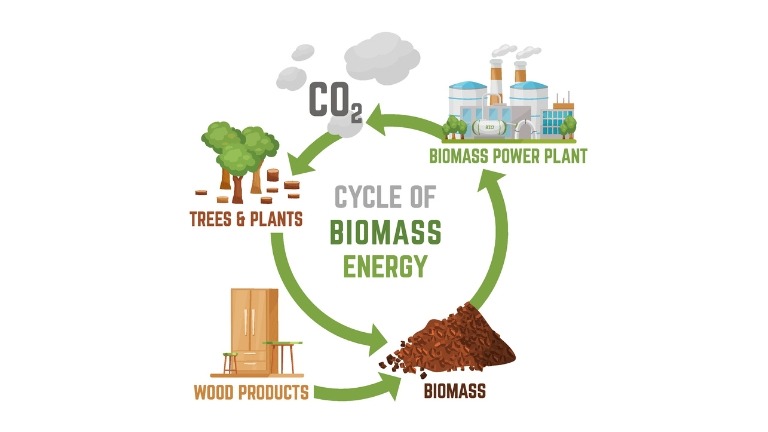
A biobased product is one made from renewable raw materials of biological origin. Unlike products made from fossil resources, biobased products are derived from biomass, i.e. organic matter such as plants, algae, micro-organisms or, in some cases, agricultural waste.
The main aim of using these raw materials is not only to reduce the carbon footprint of products, but also to promote a sustainable circular economy.
Biobased products can be found in a wide range of sectors, from construction products, textiles and packaging to chemicals and pharmaceuticals.
Integrating biobased products into manufacturing activities and processes is crucial for manufacturers wishing to stay ahead of future regulations.
Origin and emergence of biobased products
The emergence of biobased products is closely linked to environmental concerns and the predicted scarcity of fossil fuels. Since the 2000s, many players have been campaigning to find alternatives to traditional petroleum-derived materials and products.
Political and environmental regulations have also played a crucial role in promoting biobased products. The European Union actively encourages the development and use of biobased materials through the regulations it imposes and the subsidies and tax incentives it provides.
En parallèle, les avancées technologiques favorisent également l’émergence des matières biosourcées. Des innovations dans les biotechnologies, la chimie verte et les processus industriels ont permis de développer des produits biosourcés plus performants et compétitifs par rapport à leurs homologues fossiles. Cela offre de nouvelles opportunités aux industriels souhaitant explorer des solutions innovantes, hors des produits fossiles. On observe que l’industrie intègre de plus en plus l’analyse radiocarbone des produits biosourcés dans ses processus de recherche et développement, afin de déterminer la part de produits issus de la biomasse.
La volonté de changer nos modes de production et de consommation favorise l’émergence des produits biosourcés. Cela représente à la fois un défi et une opportunité pour les industriels en recherche d’avantages compétitifs.
But what are the characteristics of biobased products and what exactly are the raw materials used in their manufacturing process?
Essential characteristics of a biobased product
Raw materials used for biobased products
The raw materials used to manufacture biobased products are mainly derived from biomass. There are 4 main sources:
- Les plantes : des cultures comme le maïs, le soja, le colza, la canne à sucre ou le chanvre fournissent des matières premières utilisées dans la fabrication de produits biosourcés. Les industriels extraient notamment de ces végétaux des huiles, des amidons, des fibres et des sucres qu’ils transforment ensuite en matériaux biosourcés.
- Algae: Algae, and more specifically microalgae, are a promising source because of their rapid growth and low resource requirements. They can be used to produce biofuels, chemicals and polymeric materials.
- Les déchets agricoles : les industriels valorisent des déchets agricoles, comme les tiges de maïs ou les coques de noix, pour fabriquer des matériaux biosourcés. Cette méthode permet de donner une seconde vie aux déchets en fournissant une matière première utile.
- Les déchets alimentaires : les industriels transforment des déchets alimentaires, comme les huiles usagées ou les résidus de fruits, en produits biosourcés.
Grâce à ces différentes ressources, les industriels disposent de nouvelles alternatives aux matières premières fossiles. Ces matières premières renouvelables sont essentielles pour la fabrication de produits biosourcés. Elles offrent une alternative viable aux produits fossiles tout en étant généralement moins nocives pour l’environnement. Sélectionner et optimiser l’utilisation de ces matières premières est essentiel pour développer des produits biosourcés performants et durables.
Manufacturing processes for biobased products
The manufacturing process for biobased products is different from that for products derived from fossil resources. It breaks down into 5 stages:
- Raw material collection and preparation : biobased raw materials are collected, cleaned and prepared for subsequent processing stages. This may include grinding, drying and extraction of specific components.
- Biological or chemical transformation: raw materials can undergo fermentation, enzymatic hydrolysis or chemical reactions. For example, sugars extracted from biomass can be fermented to produce bioplastics or biofuels.
- Polymérisation et formulation : les fabricants polymérisent des monomères biosourcés afin de former des polymères. Ils modifient ensuite ces polymères et les mélangent avec différents additifs pour obtenir les propriétés adaptées aux applications recherchées.
- Fabrication et mise en forme : les polymères et autres matériaux biosourcés passent ensuite par des étapes de transformation, comme le moulage, l’extrusion ou l’injection, pour donner naissance aux produits finis. Les fabricants utilisent des procédés similaires à ceux employés pour les matériaux conventionnels. Il peut cependant nécessiter des ajustements pour optimiser les performances des produits biosourcés.
- Contrôle qualité et conformité réglementaire : les fabricants réalisent des contrôles qualité afin de garantir que les produits biosourcés répondent aux standards de performance et de sécurité, tout en respectant les réglementations en vigueur et les exigences du marché.
La maîtrise de ces étapes permet aux industriels d’intégrer efficacement les produits biosourcés dans les processus de production de nouvelle génération tout en garantissant la qualité des produits finis.
Having explored the characteristics and manufacturing processes of biobased products, let's take a look at the different types of biobased products available on the market.
The different applications of biobased products
Biobased products for food
Bio-based products are playing an increasingly important role in the food industry. They are often seen as more environmentally friendly alternatives because they are made from renewable raw materials. Here are some possible applications in the food industry:
- Bioplastiques pour les emballages alimentaires : les fabricants utilisent des bioplastiques à base d’amidon de maïs, de canne à sucre ou de pommes de terre pour produire des emballages alimentaires biodégradables.
Ceux-ci réduisent notre dépendance aux plastiques conventionnels et minimisent l’impact environnemental des déchets d’emballage produits à base de ressources fossiles.
- Food additives: Biobased food additives, such as natural sweeteners (e.g. stevia), texturizing agents (e.g. xanthan gum), natural colorants (e.g. carotenoids) or natural flavors offer healthier, natural alternatives to synthetic additives.
- Plant-based protein products: biobased products such as plant-based meats, plant-based beverages and egg substitutes are becoming increasingly common as a result of the growing popularity of vegetarian and vegan diets.
Biobased products for cleaning and cosmetics
The cleaning and cosmetics industry is also benefiting from advances in research on bio-based products. These products offer safer and more environmentally friendly alternatives to conventional chemicals, which are often toxic and non-biodegradable. They are used in the following applications:
- Detergents and laundry detergents: biobased detergents and laundry detergents are composed of enzymes and surfactants derived from natural sources such as vegetable oils and sugars. They are effective for cleaning and less polluting for water and the environment.
- Personal care products : soaps, shampoos and lotions made from bio-sourced ingredients such as essential oils, plant extracts and natural washing bases are acclaimed for their skin care benefits and reduced environmental impact.
Biobased products for industry
In the industrial sector, biobased products offer more sustainable solutions for a wide range of applications. They can reduce the carbon footprint of manufacturing processes and offer performance comparable to or even better than that of conventional fossil-based products:
- Industrial bioplastics : These are used in the manufacture of automotive parts, electronic products, and construction materials. Industrial bioplastics and biopolymers derived from renewable resources, such as polylactic acid (PLA) and polyhydroxyalkanoates (PHA), offer mechanical and thermal properties suited to the requirements of these sectors.
- Lubricants and hydraulic fluids: bio-sourced lubricants and hydraulic fluids, made from oils of plant origin, offer excellent lubrication performance while being biodegradable and less toxic for the environment. This makes them ideal for use in sectors such as agriculture, construction and transport.
- Solvents and adhesives: bio-based solvents and adhesives, produced from raw materials such as essential oils, natural resins and biological alcohols, are used in a variety of industrial processes, such as the manufacture of paints, coatings and composites.
The integration of biobased products into industrial processes therefore represents a strategic opportunity for R&D departments to improve the sustainability of operations while meeting the growing expectations of consumers and regulators in terms of environmental responsibility.If you would like to discuss the opportunities offered by biobased products, or obtain analyses on the composition of your biobased products, contact CIRAM. Our laboratories and experts will support you in your industrial transition.
Share this article

Related topics



Need more information or have a question?
Our team will get back to you as soon as possible.