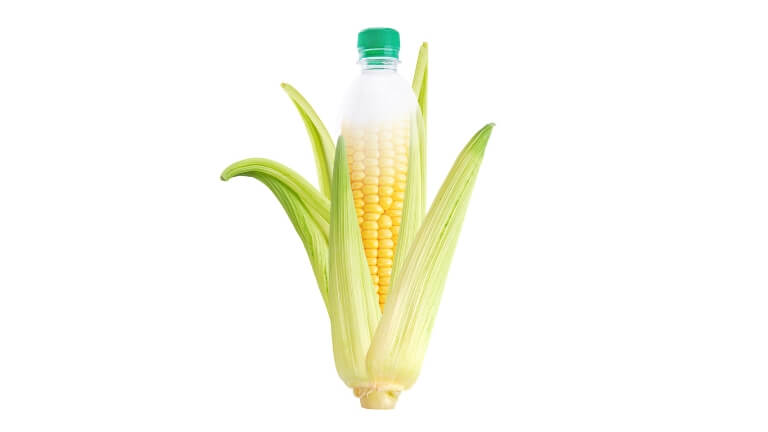

In a context where sustainability and environmental responsibility have become key priorities, bioplastics are emerging as a promising opportunity for companies.
However, the credibility and transparency of the environmental claims associated with these materials depend heavily on certifications and labels.
In Europe, two labels stand out in particular: “ OK Biobased ” and “DIN CERTCO.”These certifications play a key role not only in ensuring compliance with environmental standards but also in building trust among consumers and business partners.
For industry professionals, understanding and integrating these labels into their day-to-day work is essential.
In this article we explore in depth the current and future impact of these labels on the European biobased plastics market. We also explain why it's crucial for these experts to familiarize themselves with these certifications. You'll discover how these labels can foster innovation, optimize manufacturing processes, guarantee product quality and ensure regulatory compliance.
Labels for bioplastics and biopolymers
The importance of labels for biobased products
The labels simply certify that the product is made from renewable organic materials. It's a way for producers to demonstrate their commitment to producing products with low environmental impact. In other words, when a product bears one of these labels, it guarantees that it has been manufactured with respect for the environment.
Bioplastics and biopolymers represent a major step forward for the plastics industry. This ecological and sustainable choice could well be an advantage for market players wishing to be ahead of the game in meeting future environmental standards. The aim for manufacturers is to integrate these materials as early as possible in order to gain a major competitive advantage in the future.
These labels are therefore a crucial tool for consumers and business partners alike, since they can be used to display a product's quality and environmental credentials.
Now that we've defined the importance of these labels, it's time to analyze their specific characteristics.
OK Biobased" label
The "OK Biobased" label is a certification awarded by TÜV Austria that guarantees the percentage of biobased material in a product. It aims to quantify the proportion of renewable raw materials used in the manufacture of bioplastics.
It uses a star rating system, ranging from 1 to 4 stars, to indicate the proportion of renewable raw materials used. Each star represents a certain percentage range of biobased material:
- 1 star: 20-40% renewable materials
- 2 stars: 40-60% renewable materials
- 3 stars: 60-80% renewable materials
- 4 stars: over 80% renewable materials
This certification is particularly useful for companies wishing to demonstrate their commitment to the environment. This label is often used in the production of bioplastics.
DIN CERTCO" label
DIN CERTCO, a subsidiary of TÜV Rheinland, offers various certifications, including one for bioplastics. The DIN CERTCO label for bioplastics certifies products according to their biodegradability and compostability. DIN CERTCO certifications are based on European standards EN 13432 and EN 14995. Criteria include:
- Biological degradation in an industrial composting environment
- No toxic residues after decomposition
- Physical disintegration within a specified timeframe
- The quality of the resulting compost
This label is essential for companies wishing to guarantee that their products are not only biobased but also capable of biodegrading efficiently, thus responding to concerns about environmental impact and waste management regulations.
This certification ensures that the plastic is biodegradable and decomposes under industrial composting conditions without leaving harmful residues.
What impact do bioplastics labels have on the European market?
The European market for bioplastics and biopolymers is growing fast, fueled by growing environmental concerns and stricter regulations on traditional plastic materials.
In this context, the "OK Biobased" and "DIN CERTCO" labels play an essential role in guaranteeing the credibility and transparency of the ecological claims made for bioplastic products.
We're going to analyze the impact these labels have had on markets and companies' capacity for innovation.
OK Biobased: promoting renewable materials
The "OK Biobased" label has had a significant impact in encouraging manufacturers to increase the proportion of renewable raw materials in their products. By awarding certification based on the percentage of biobased content, this label has encouraged companies to invest in more sustainable materials and develop alternatives to fossil-based plastics.
Companies' R&D departments have thus been motivated to explore new biomass sources and improve production processes to achieve higher levels of certification.
For process engineers and quality managers, this label offers a means of differentiating their products in an increasingly competitive market, by highlighting their commitment to the sustainability of their products.
DIN CERTCO: guaranteeing biodegradability and compostability
The DIN CERTCO label has played a crucial role in setting clear standards for the biodegradability and compostability of bioplastics. By certifying that certified products break down efficiently under industrial composting conditions, DIN CERTCO certification has helped overcome initial mistrust concerning the environmental impact of bioplastics.
For regulators, DIN CERTCO offers assurance of compliance with European standards such as EN 13432, EN 16640 and EN 14995, which are often required for product market approval.
By validating the compostability of products, this label has also helped municipalities and waste managers integrate bioplastics into organic waste management systems, enabling companies to take another step towards a circular economy.
The "OK Biobased" and "DIN CERTCO" labels therefore have an impact on both companies and markets. They boost consumer and business confidence by providing greater transparency on the environmental claims of bioplastics products. Confidence is essential to the widespread adoption of bioplastics, as it helps overcome skepticism and promotes a transition to more sustainable materials.
But what does the future hold for bioplastics and biopolymers labels in Europe? Will they evolve to better meet the expectations of institutions and consumers? Will regulations evolve? Let's take a look at the future of these certifications at European level.
The future of bioplastics labels in Europe
As Europe continues to strengthen its environmental policies and demand for sustainable materials increases, the future of bioplastics labels looks bright. The "OK Biobased" and "DIN CERTCO" labels will play an even more crucial role in ensuring the transparency, credibility and compliance of biobased plastic products.
Evolving standards and regulations
Reinforced requirements
With the introduction of new European directives on plastics and packaging, the requirements for obtaining certifications such as "OK Biobased" and "DIN CERTCO" are likely to become more stringent. This will force companies to adopt more sustainable production practices and invest more in the research and development of new biobased and biodegradable materials.
European legislation on plastic bags, which must contain at least 50% of
carbon by 2020 and 60% by 2025
To ensure compliance with these regulatory requirements, it is crucial for companies to adopt an innovative approach, by carrying out analytical studies on biopolymers and bioplastics. Companies that have already integrated these materials will thus be one step ahead of the rest of the market, ensuring sustainable growth while lowering their production costs.
Harmonizing standards
In the future, we are likely to see increased harmonization of certification standards across Europe, facilitating cross-border trade in certified biodegradable plastic products. This harmonization will also enable mutual recognition of labels between different countries, reinforcing the credibility of certifications and simplifying regulatory processes for companies.
Technological innovations and new labels
New materials and technologies
Technological advances in bioplastics will continue to emerge, leading to the creation of new materials with improved properties. In response, certification bodies will need to adapt their criteria and perhaps even create new labels to accommodate innovations, such as bioplastics with additives for specific functionalities (e.g. UV resistance or controlled degradation).
Multiple specialized labels
In the future, we may see the emergence of more specialized labels that focus on particular aspects of bioplastics, such as carbon footprint, recyclability, or decomposition in marine environments. As these issues are at the heart of current discussions concerning the protection of living organisms, they are likely to lead to new regulatory requirements for biosourced polymers. These specialized labels will provide precise, relevant information for organizations concerned about the environmental impact of their products.
Impact on consumers and the market
Awareness-raising and education
As environmental awareness increases among consumers - from an early age - bioplastics labels will play a key role in educating the public about the benefits of biosourced and biodegradable materials. Information campaigns and educational initiatives could be launched to explain the meaning of labels and encourage responsible consumer choices. Integrating these materials and labels today will enable companies to make tomorrow's profits and meet future market requirements.
Growing demand and consumer pressure
Consumer pressure for more sustainable products will continue to grow in the future. This will force companies to comply with biobased plastics labels to remain competitive. Labels will thus become a determining factor in purchasing decisions, directly influencing companies' market strategy.
All the indicators are therefore green for the future of bioplastics and biopolymers. Environmental issues and their transposition into regulatory standards will drive companies to integrate these materials into their processes, enabling them to lower their production costs. This will enable them to meet market and consumer demands, while at the same time working on their CSR policies.
The "OK Biobased" and "DIN CERTCO" labels are therefore much more than just certification marks; they are catalysts of transformation for thebioplastics industry in Europe. By promoting the use of renewable raw materials and guaranteeing the biodegradability and compostability of products, these labels play an essential role in the transition to a more sustainable economy.
Whether you work in an R&D department, on your internal processes, in the quality department or on the regulatory aspect of your activities, knowledge of these certifications is crucial. Not only does it enable you to meet regulatory requirements and consumer expectations, it also stimulates innovation, optimizes manufacturing processes and boosts your company's competitiveness in the marketplace. Bioplastics and biopolymers analysis and study laboratories like CIRAM can help you in this innovation process.
As Europe continues to move towards stricter environmental standards, understanding and integrating the "OK Biobased" and "DIN CERTCO" labels is becoming essential. By adopting these certifications, companies can ensure that their products are not only compliant, but also at the cutting edge of sustainability. These labels are therefore a clear solution for navigating a complex regulatory landscape driven by corporate environmental and CSR issues.