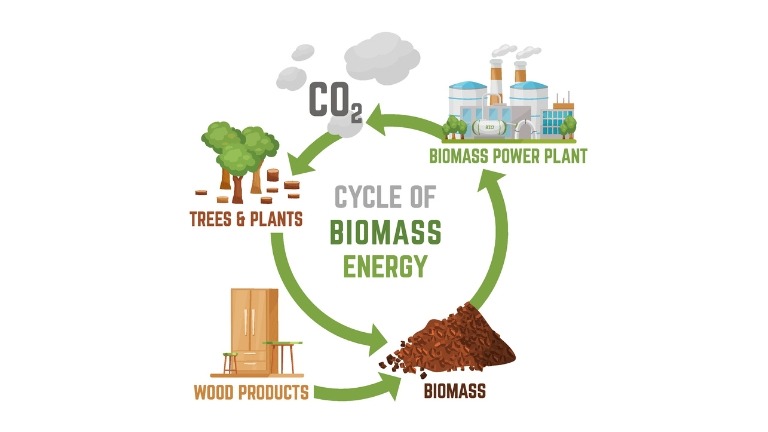

The standard EN ISO 21644 defines the analytical methods for determining the bio-based fraction of solid recovered fuels (SRF). This study is a key issue for manufacturers engaged in energy transition and regulatory compliance. Through rigorous analyses, this standard ensures the traceability and quality of materials used in industrial processes.
In this article, we explore the specifics of the EN ISO 21644 standard and its implications for industrial applications. You will also learn about the requirements for bringing your processes into compliance with this standard. We will conclude by highlighting the importance of laboratories and their analyses in supporting manufacturers as they adapt their processes to comply with the EN ISO 21644 standard.
Understanding EN ISO 21644 and its implications for industry
The EN ISO 21644 standard establishes a rigorous methodological framework for the analysis of solid recovered fuels (SRF), in particular by determining their biomass content. This essential standard for manufacturers committed to the energy transition ensures accurate assessment of the environmental impact of SRF, while facilitating their integration into demanding industrial processes.
Definition and objectives of EN ISO 21644
ISO 21644 specifies the methodologies used to assess the proportion of biomass contained in these fuels. It was adopted to harmonize SRF analysis practices and replaces the former EN 15440 standard, improving the accuracy of results and their comparability between laboratories.
Its main objective is to ensure the traceability and conformity of CSR used in energy-intensive industries (including cement kilns and thermal power plants). This standard was born out of a desire to standardize methods to better control the carbon footprint of SRF and optimize their energy recovery.
CSR analysis methods according to ISO 21644
ISO 21644 recommends various analytical and sample preparation techniques for determining the biobased fraction of a RSC:
- Carbon-14 (¹⁴C) analysis : This is the gold standard method because it allows for the quantification of biomass content by distinguishing between fossil carbon and bio-based carbon (here, 14C is proportional to the biomass content of the CSR). This method is suitable for all types of samples and uses a sample size ranging from 0.4 to 2 g for particles with a nominal size of 1 mm or less.
- Selective dissolution (SDM) : is used to isolate certain material fractions and refine the quantification of biobased elements. It is based on the property of biomass to be dissolved in a sulfuric acid/hydrogen peroxide mixture. This method requires at least 5 g of material for a maximum nominal particle size of 1 mm or less.
- The manual sorting method (Msort): although more empirical (based on visual examination of fractions and their separation according to nature and origin), it remains a complementary approach in certain cases. This method requires a sample quantity in compliance with ISO 21645 (upon receipt), as calculated in EN 15443.
The use of these methods guarantees a precise assessment of the sustainability of SRFs and their compliance with environmental regulations. They are essential for manufacturers wishing to reduce their dependence on fossil fuels and improve their carbon footprint.
Where to get analyze my CSR ?
Specialized laboratories, such as CIRAM, offer analyses that comply with current standards. Using advanced techniques such as mass spectrometry and radiocarbon analysis, they ensure reliable measurement of the biomass content in RDF and other industrial materials. This expertise enables manufacturers to optimize their processes and ensure compliance with regulatory requirements.
CSR requirements and compliance with EN ISO 21644
The ISO 21644 standard imposes strict criteria for sample preparation, analysis methodology and interpretation of results, in order to guarantee the reliability of analytical results and ensure compliance with regulatory requirements. Manufacturers must rely on these standardized procedures to avoid discrepancies and guarantee measurement repeatability.
Criteria for CSR
Sample preparation is a key step in obtaining usable results. ISO 21645 provides a framework for sampling and storage protocols, to guarantee the representativeness of the RSC analyzed. In addition,ISO 21646 specifies chemical and physical sample characterization methods.
The minimum quantities required vary according to the technique used:
- For carbon-14 analysis, a sample of just a few grams is generally sufficient.
- Physico-chemical methods require larger volumes, up to several hundred grams.
The expression of the results is standardized: the biosourced fraction of a RSC can be indicated in terms of carbon content, mass or energy content.
Sector challenges and applications for manufacturers
Compliance with CSR standards represents a strategic challenge for several sectors:
- Cement industry and thermal power plants: they have to demonstrate the sustainability of their energy sources. Highly energy-intensive, their activities are particularly exposed and controlled.
- Waste recycling: in particular via pyrolysis and gasification of bio-based materials. This sector is at the heart of environmental issues.
- Agri-food: this sector uses biobased carbon measurements to assess product authenticity and compliance with environmental labels.
The rigor of ISO 21644, ISO 21645 and ISO 21646, which govern sample preparation, analysis methods and interpretation of results, is an essential pillar in guaranteeing the traceability, comparability and regulatory compliance of CSR. These standards provide manufacturers in the energy, recycling and agri-food sectors with a reliable framework for enhancing their environmental and operational performance.
To achieve this, manufacturers can rely on specialized industrial analysis laboratories that use these methods and support their teams in integrating them into their business processes.
The key role of analysis laboratories like CIRAM for manufacturers
It is in the interest of manufacturers to rely on specialized laboratories to guarantee the conformity of their RSCs and bio-based materials. Laboratory analysis provides accurate, usable results, facilitating certification processes and regulatory validation. As a leader in radiocarbon analysis, CIRAM supports manufacturers by providing them with reliable data to assess the bio-sourced content of their materials and thus ensure their compliance.
Laboratory expertise in the analysis of bio-based materials
Testing laboratories play a fundamental role in verifying the bio-based content of formulations and validating CSR claims. Their expertise is based on advanced technologies that enable them to:
- Quantify the biomass content of RSC and other materials using carbon-14 analysis, which distinguishes fossil carbon from biogenic carbon.
- Verify the conformity and origin of biobased materials, including biobased ingredients and other raw materials used in the industry.
Thanks to these analyses, manufacturers can ensure the traceability of ingredients and guarantee their customers and partners that their materials comply with current standards.
Scientific support for compliance and innovation
Support from a laboratory like CIRAM is not limited to simple sample analysis. It extends to a genuine validation and optimization process for manufacturers seeking to comply with regulations while innovating their processes.
Analysis methods and sampling
The analysis process for SRF and bio-based materials begins with rigorous sampling, a key step in guaranteeing usable results. CIRAM applies protocols that comply with ISO 21645 and ISO 21646 standards to ensure :
- Sample representativeness: to avoid bias due to material variability.
- Proper sample preparation: to ensure that samples are stored and transported under optimum conditions.
- Volumes adapted to analysis methods: a sample of 50 to 100 mg is generally sufficient for carbon-14 analysis.
Helping manufacturers achieve certification and compliance
In addition to analysis, CIRAM supports manufacturers on several levels:
- Validation and traceability of ingredients: to ensure supply chain transparency and compliance with environmental and biobased certifications.
- Certification support: specifically for standards NF EN 16640 and ASTM D6866, which govern the verification of the bio-based carbon content of materials.
Why do manufacturers need a laboratory like CIRAM?
In an increasingly stringent regulatory environment, manufacturers need to ensure that their materials meet sustainability and eco-responsibility criteria. Thanks to its expertise in radiocarbon and isotope analysis, CIRAM enables manufacturers to :
- Access accurate, internationally recognized results through ISO/IEC 17025 certification (scope available at www.cofrac.fr).
- Meet the requirements of environmental labels and certification standards.
- Secure their processes by guaranteeing the quality and traceability of their bio-based materials.
EN ISO 21644 is therefore essential for manufacturers wishing to guarantee the quality and conformity of their solid recovered fuels (SRF). It enables manufacturers to accurately assess the biobased fraction of their materials thanks to its objective of standardizing analysis methods, in order to optimize their environmental impact and regulatory compliance.Would you like to have your SRF analyzed, or receive support in complying with EN ISO 21644? Ask CIRAM teams for a study to ensure the compliance and traceability of your materials.