

Article Outline
- Introduction to the concept of biobased products
- Biobased products: definition
- Origin and emergence of biobased products
- Essential characteristics of a biobased product
- Raw materials used for biobased products
- Manufacturing processes for biobased products
- The different applications of biobased products
- Biobased products for food
- Biobased products for cleaning and cosmetics
- Biobased products for industry

These days, regulatory pressure is driving manufacturers to adapt their manufacturing processes to include sustainability objectives. With this in mind, biobased products are proving to be a promising solution. But what are "biobased products", and why are they a crucial avenue for industry and research?
In this article, we take an in-depth look at their definition, applications and benefits for industry. Discover how these products can transform your industrial processes and contribute to a more sustainable future in line with societal and regulatory concerns.
In summary:
- Bio-based products are made from renewable raw materials and help reduce dependence on fossil fuels.
- They are used in many sectors, including manufacturing, the food industry, cosmetics, and packaging.
- Their development addresses the challenges of sustainability, regulatory compliance, and industrial innovation.
Introduction to the concept of biobased products
Biobased products: definition
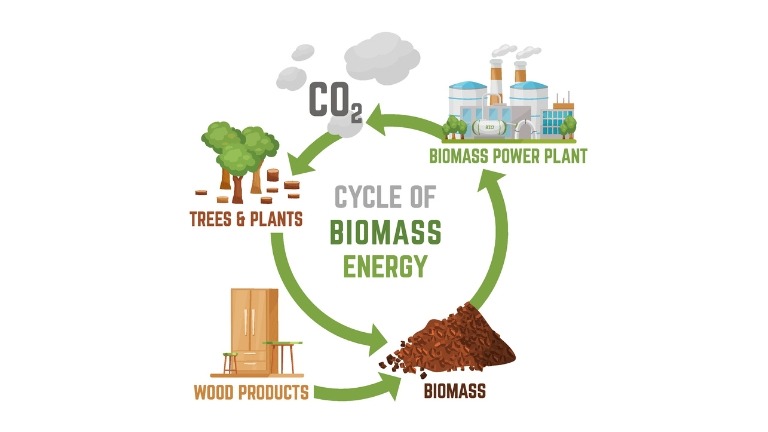
A biobased product is one made from renewable raw materials of biological origin. Unlike products made from fossil resources, biobased products are derived from biomass, i.e. organic matter such as plants, algae, micro-organisms or, in some cases, agricultural waste.
The main aim of using these raw materials is not only to reduce the carbon footprint of products, but also to promote a sustainable circular economy.
Biobased products can be found in a wide range of sectors, from construction products, textiles and packaging to chemicals and pharmaceuticals.
Integrating biobased products into manufacturing activities and processes is crucial for manufacturers wishing to stay ahead of future regulations.
Origin and emergence of biobased products
The emergence of biobased products is closely linked to environmental concerns and the predicted scarcity of fossil fuels. Since the 2000s, many players have been campaigning to find alternatives to traditional petroleum-derived materials and products.
Political and environmental regulations have also played a crucial role in promoting biobased products. The European Union actively encourages the development and use of biobased materials through the regulations it imposes and the subsidies and tax incentives it provides.
At the same time, technological advances are also driving the emergence of bio-based materials. Innovations in biotechnology, green chemistry, and industrial processes have made it possible to develop bio-based products that are more effective and competitive than their fossil-based counterparts. This offers new opportunities for manufacturers seeking to explore innovative solutions beyond fossil-based products. We are seeing that the industry is increasingly incorporatingradiocarbon analysis of bio-based products into its research and development processes to determine the proportion of products derived from biomass.
The desire to change our production and consumption patterns is driving the emergence of bio-based products. This represents both a challenge and an opportunity for manufacturers seeking competitive advantages.
But what are the characteristics of biobased products and what exactly are the raw materials used in their manufacturing process?
Essential characteristics of a biobased product
Raw materials used for biobased products
The raw materials used to manufacture biobased products are mainly derived from biomass. There are 4 main sources:
- Plants:Crops such as corn, soybeans, rapeseed, sugarcane, and hemp provide raw materials used in the manufacture of bio-based products. Manufacturers extract oils, starches, fibers, and sugars from these plants, which they then process into bio-based materials.
- Algae: Algae, and more specifically microalgae, are a promising source because of their rapid growth and low resource requirements. They can be used to produce biofuels, chemicals and polymeric materials.
- Agricultural waste: Manufacturers recycle agricultural waste, such as corn stalks and walnut shells, to produce bio-based materials. This method gives the waste a second life by providing a useful raw material.
- Food waste: Manufacturers transform food waste, such as used cooking oil or fruit residues, into bio-based products.
Thanks to these various resources, manufacturers now have new alternatives to fossil-based raw materials. These renewable raw materials are essential for the production of bio-based products. They offer a viable alternative to fossil-based products while generally being less harmful to the environment. Selecting and optimizing the use of these raw materials is essential for developing high-performance, sustainable bio-based products.
Manufacturing processes for biobased products
The manufacturing process for biobased products is different from that for products derived from fossil resources. It breaks down into 5 stages:
- Raw material collection and preparation : biobased raw materials are collected, cleaned and prepared for subsequent processing stages. This may include grinding, drying and extraction of specific components.
- Biological or chemical transformation: raw materials can undergo fermentation, enzymatic hydrolysis or chemical reactions. For example, sugars extracted from biomass can be fermented to produce bioplastics or biofuels.
- Polymerization and Formulation: Manufacturers polymerize bio-based monomers to form polymers. They then modify these polymers and blend them with various additives to achieve the properties suited to the intended applications.
- Manufacturing and shaping: Polymers and other bio-based materials then undergo processing steps—such as molding, extrusion, or injection molding—to create the finished products. Manufacturers use processes similar to those employed for conventional materials. However, adjustments may be necessary to optimize the performance of bio-based products.
- Quality Control and Regulatory Compliance: Manufacturers conduct quality control checks to ensure that bio-based products meet performance and safety standards, while complying with applicable regulations and market requirements.
Mastering these steps enables manufacturers to effectively integrate bio-based products into next-generation production processes while ensuring the quality of the finished products.
Having explored the characteristics and manufacturing processes of biobased products, let's take a look at the different types of biobased products available on the market.
The different applications of biobased products
Biobased products for food
Bio-based products are playing an increasingly important role in the food industry. They are often seen as more environmentally friendly alternatives because they are made from renewable raw materials. Here are some possible applications in the food industry:
- Bioplastics for food packaging: Manufacturers use bioplastics made from cornstarch, sugarcane, or potatoes to produce biodegradable food packaging.
These reduce our reliance on conventional plastics and minimize the environmental impact of packaging waste produced from fossil fuels.
- Food additives: Biobased food additives, such as natural sweeteners (e.g. stevia), texturizing agents (e.g. xanthan gum), natural colorants (e.g. carotenoids) or natural flavors offer healthier, natural alternatives to synthetic additives.
- Plant-based protein products: biobased products such as plant-based meats, plant-based beverages and egg substitutes are becoming increasingly common as a result of the growing popularity of vegetarian and vegan diets.
Biobased products for cleaning and cosmetics
The cleaning and cosmetics industry is also benefiting from advances in research on bio-based products. These products offer safer and more environmentally friendly alternatives to conventional chemicals, which are often toxic and non-biodegradable. They are used in the following applications:
- Detergents and laundry detergents: biobased detergents and laundry detergents are composed of enzymes and surfactants derived from natural sources such as vegetable oils and sugars. They are effective for cleaning and less polluting for water and the environment.
- Personal care products : soaps, shampoos and lotions made from bio-sourced ingredients such as essential oils, plant extracts and natural washing bases are acclaimed for their skin care benefits and reduced environmental impact.
Biobased products for industry
In the industrial sector, biobased products offer more sustainable solutions for a wide range of applications. They can reduce the carbon footprint of manufacturing processes and offer performance comparable to or even better than that of conventional fossil-based products:
- Industrial bioplastics : These are used in the manufacture of automotive parts, electronic products, and construction materials. Industrial bioplastics and biopolymers derived from renewable resources, such as polylactic acid (PLA) and polyhydroxyalkanoates (PHA), offer mechanical and thermal properties suited to the requirements of these sectors.
- Lubricants and hydraulic fluids: bio-sourced lubricants and hydraulic fluids, made from oils of plant origin, offer excellent lubrication performance while being biodegradable and less toxic for the environment. This makes them ideal for use in sectors such as agriculture, construction and transport.
- Solvents and adhesives: bio-based solvents and adhesives, produced from raw materials such as essential oils, natural resins and biological alcohols, are used in a variety of industrial processes, such as the manufacture of paints, coatings and composites.
The integration of biobased products into industrial processes therefore represents a strategic opportunity for R&D departments to improve the sustainability of operations while meeting the growing expectations of consumers and regulators in terms of environmental responsibility.If you would like to discuss the opportunities offered by biobased products, or obtain analyses on the composition of your biobased products, contact CIRAM. Our laboratories and experts will support you in your industrial transition.
Share this article

Related topics



Need more information or have a question?
Our team will get back to you as soon as possible.