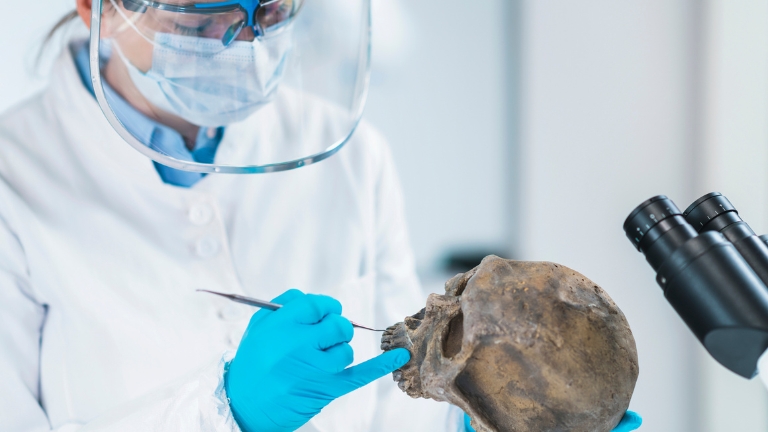
Fossilized wood samples dated by CIRAM lab
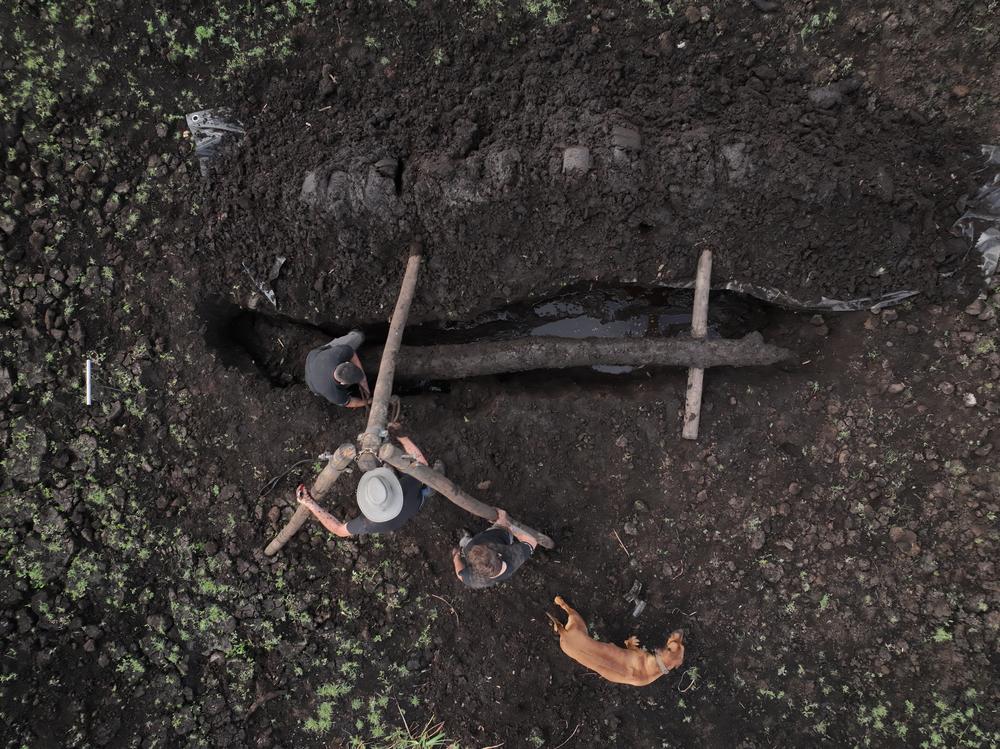
CIRAM recently dated two pieces of fossilized wood: a "morta" oak and a marsh yew. Both were found buried in the same location, in the Bessin and Cotentin marshes in Normandy…
CIRAM has been analyzing and dating works of art, archaeological artifacts and industrial materials since 2005. CIRAM specializes in carbon-14 dating, isotope analysis, thermoluminescence and materials analysis. CIRAM is the world leader in the scientific analysis of art and heritage objects.
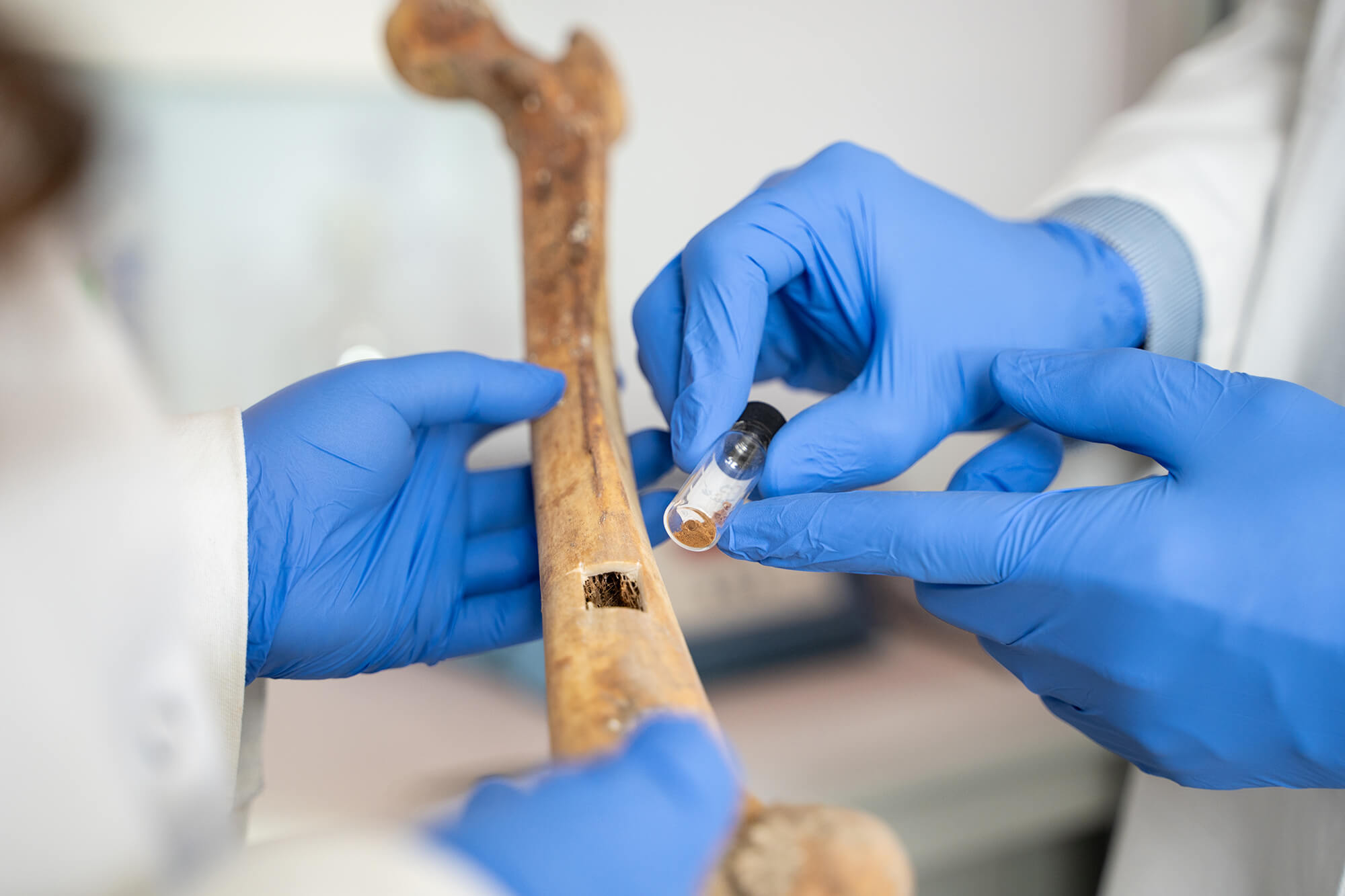
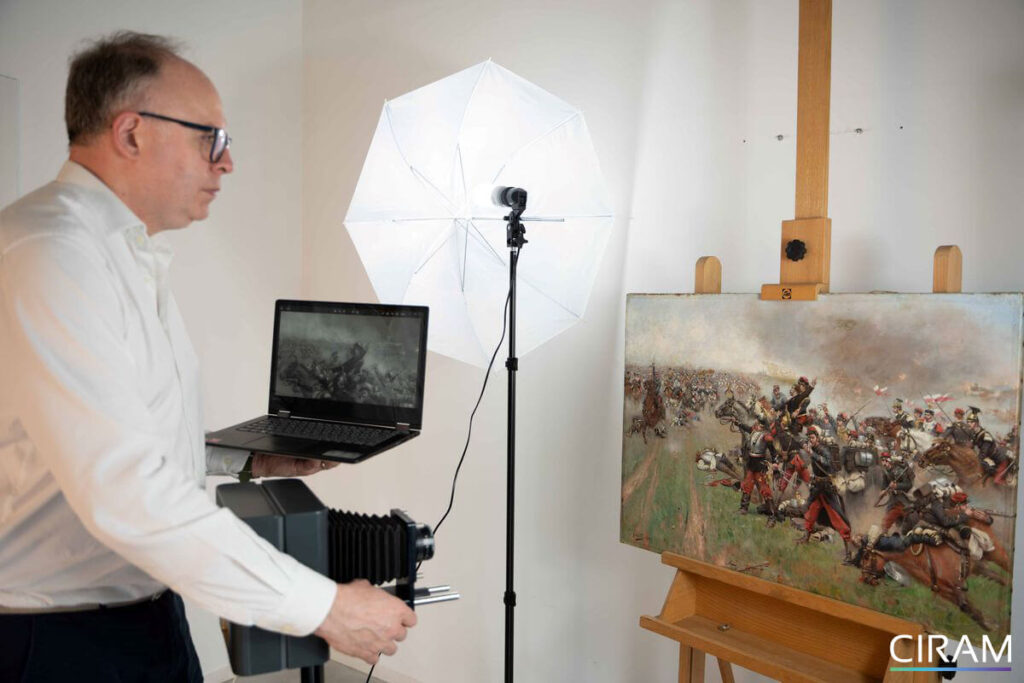
Carbon-14 dating of a work of art helps to authenticate it. Radiocarbon dating is used for wood, ivory, bone, paper, textiles... and all organic materials. The analytical approach to a work of art is global. In addition to carbon-14 dating, our teams of scientists can determine the nature of materials through chemical analysis, observe the internal structure of an object through X-rays or 3D scans, and identify areas of restoration or reassembly through scientific imaging.
The analysis and dating of a work of art varies according to the materials used. Some materials can be dated: wood, ivory, textiles, terracotta, ceramics, porcelain, etc. Carbon-14 dating is used for organic materials (wood, ivory, etc.), while thermoluminescence is used for heated minerals (terracotta, ceramics, etc.). There are also non-datable materials, such as stone, metal and glass. For these materials, we will use scanning electron microscopy (SEM-EDX) and microanalysis to identify the material, measure its degree of alteration and define the origin of this degradation. These studies correspond to an age test or authenticity test.
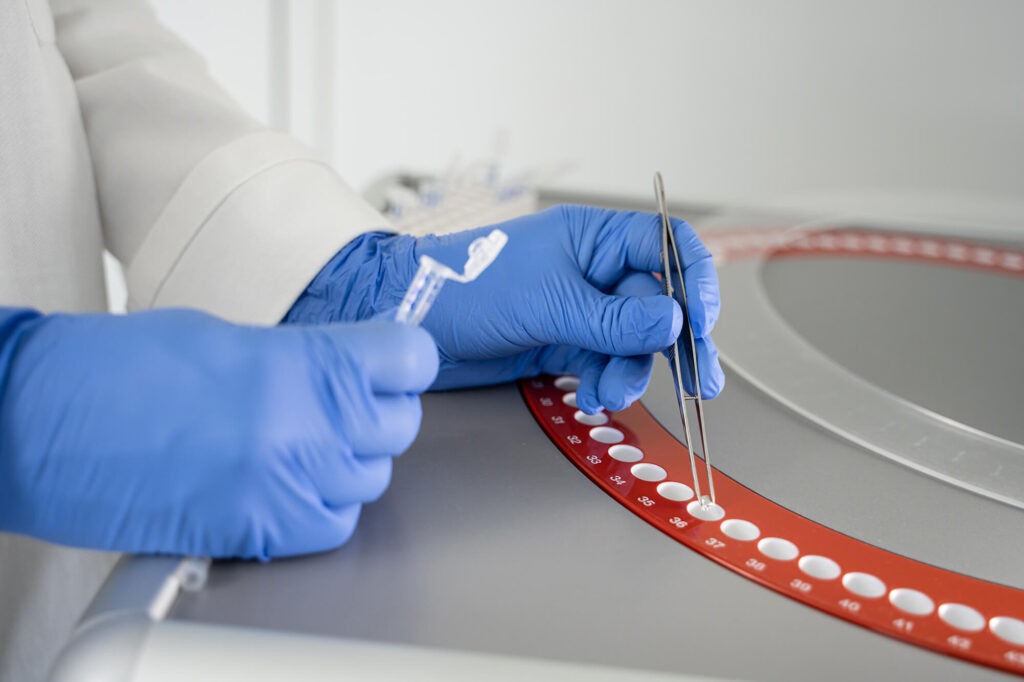
Request a quotePhysical dating plays a major role in archaeometry. The chronological information obtained is crucial to understanding archaeological sites. Our carbon-14 laboratory studies and dates all organic archaeological artifacts, such as wood, charcoal, bones, plant residues, peat, shells, etc. Our luminescence dating laboratory (TL and OSL) dates archaeological furniture, structures (ovens, walls, foundations, etc.), sediments and paleosols.
The analysis of art and heritage objects, archaeological artifacts or biobased industrial products requires different methods, which can be complementary. Our CIRAM laboratories offer :
Archaeological dating requires a comprehensive expertise based on both laboratory equipment and the experience of our staff.
Request a quoteCIRAM laboratories quantify, verify and certify industrial biobased products in a wide range of fields, including biopolymers, biofuels, solid recovered fuels (SRF), building materials, paints, varnishes, detergents, bitumens, flavors, fine chemicals, heavy chemicals, food processing and cosmetics. Using radiocarbon analysis, we measure the percentage of natural ingredients (bio-based) versus synthetic materials (petro-based).
Our laboratories adapt the type of analysis to your materials and problems:
CIRAM uses the following international standards to certify and guarantee the quality of its analyses of biobased products: NF EN 16640:2017, ASTM D6866-22, EN ISO 21644:2022, ISO 16620-2 :2019, NF EN 16785 :2015. The use of these standards attests to compliance with protocols concerning methods for determining the biogenic carbon concentration of industrial products, whether liquid, solid or gaseous.
Request a study

CIRAM recently dated two pieces of fossilized wood: a "morta" oak and a marsh yew. Both were found buried in the same location, in the Bessin and Cotentin marshes in Normandy…
Choosing the right dating method in archaeology is not just a technical issue: it is a key decision that guides the entire interpretation of a site. Which technique to choose...
How can we retrace the invisible history of ecosystems and better understand the dynamics of biodiversity? Thanks to carbon-14 dating, researchers now have a scientific tool that they can use to...
Distinguishing a work of art in bronze from one in brass is not possible at a glance, however expert. Deceptive patinas, invisible restorations, sophisticated forgeries...
How do you know whether a work of art, an archaeological object or a heritage item is really as old as it claims to be? Carbon-14 dating is often the method of choice, but it can also be used to...
A simple signature can make the difference between an anonymous work and a masterpiece valued in the millions on the art market. But what happens when that signature is...