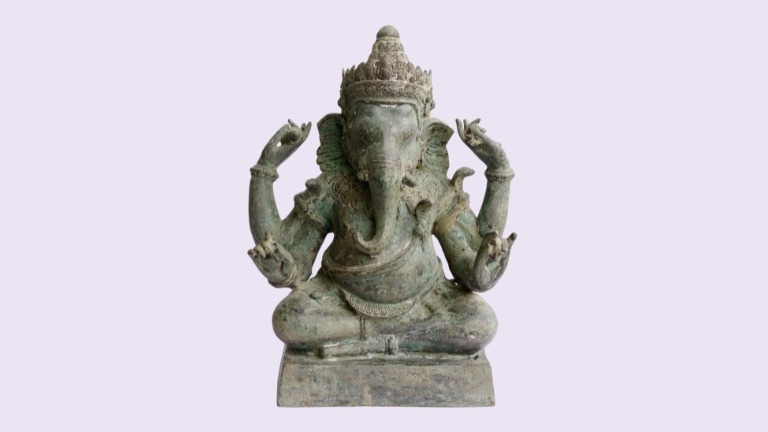
How to recognize bronze and differentiate it from brass?
Distinguishing a work of art in bronze from one in brass is not possible at a glance, however expert. Deceptive patinas, invisible restorations, sophisticated forgeries...

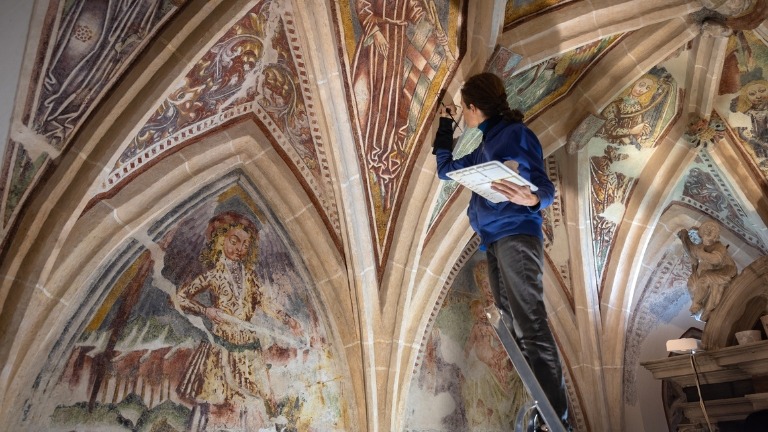
Using cutting-edge scientific tools, CIRAM supports art professionals in the rigorous authentication and material reading of painted works.
Contact our teams
The dating of a painting is not limited to a simple chronological estimate: it addresses key issues for the conservation, authentication and understanding of a work. In particular, it enables us to :
At CIRAMcarbon-14 dating dating of the support is the starting point for analysis. By cross-referencing these results with stylistic and technical knowledge, we establish a reliable basis for evaluating the work.
Request a quote
In addition to dating, CIRAM offers in-depth analysis of a painting's constituent parts to reveal its technical and material history:
Our imaging and chemical analysis techniques enable us to characterize the stratigraphy of pictorial layers, providing decisive elements for the attribution, conservation and enhancement of a painting.
Contact our teams
As a world leader in the dating and analysis of works of art, CIRAM offers comprehensive expertise, from support dating to chemical analysis of pigments, including multi-spectral imaging.
Thanks to state-of-the-art portable technologies, our researchers can intervene directly in situ, in museums, galleries or private collections, when transporting the work is not an option. This flexibility enables us to offer in-depth, reliable and non-intrusive analysis, as close as possible to the needs of art market professionals. art market professionals.
Request a studyBefore embarking on a complete study of a painting, it is essential to date the support (canvas, wood, paper) in order to rule out forgeries or modern copies. Radiocarbon dating, carried out in our laboratories, provides an objective indication of the period of manufacture.
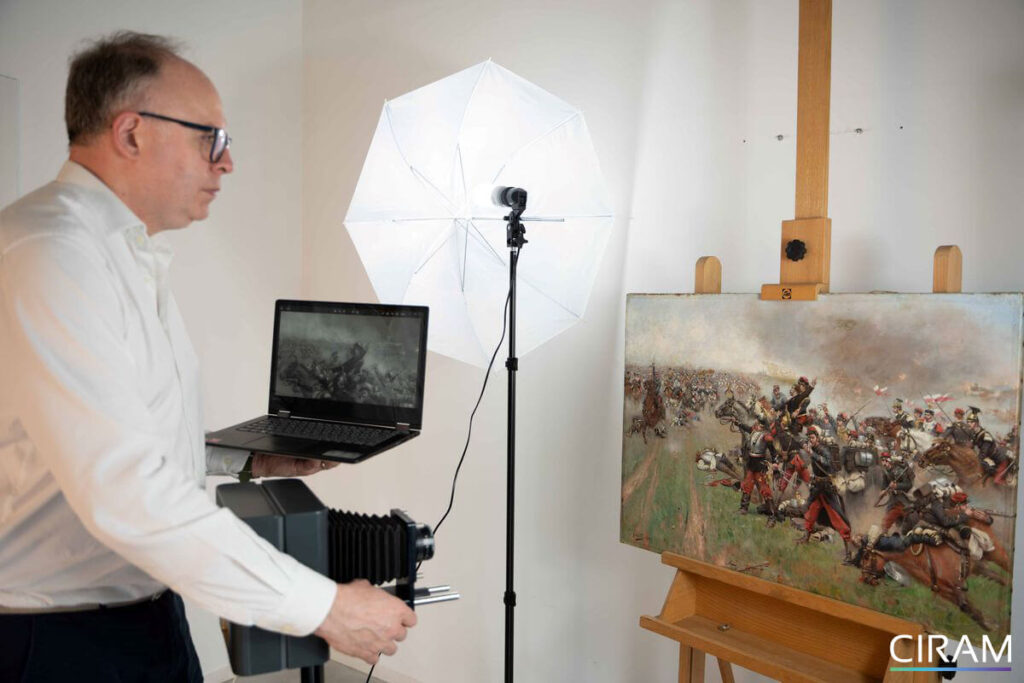
Pigment and binder analysis completes this expertise, identifying the palette used by the painter and any restorations. Thanks to advanced imaging techniques (grazing light, UV, IR, radiography), our researchers interpret each piece of data to establish the chronology of the work.
This scientific analysis, carried out in our laboratories, enables us to accurately characterize the material history of a painting.
To analyze your paintings, CIRAM laboratories use no less than six complementary imaging techniques:
By combining all these scientific imaging techniques, our research teams are able to precisely characterize the entire stratigraphy of a painting.
Chemical analysis is the final phase of scientific expertise. Using microanalysis techniques such as scanning electron microscopy (SEM-EDX), Raman spectrometry and infrared spectrometry (in ATR mode or under microscope), it is possible to identify the precise chemical composition of pigments, fillers and binders.
As the history of pigments is well-documented, their chemical composition provides objective chronological information, making it possible to assess whether or not their use is compatible with the presumed period of the painting.
All this data provides a complete reading of the work, essential for assessing its authenticity, state of preservation and material history.
CIRAM is a benchmark laboratory in France and internationally for the scientific analysis of works of art. Specializing in dating, imaging and material characterization, CIRAM has been working with museums, collectors, auction houses and restorers for over 20 years.
Our methods combine academic rigor, cutting-edge technology and expert interpretation by doctors of science.
Each work of art is subjected to an adapted, non-destructive and documented protocol, guaranteeing a detailed understanding of its materiality, history and authenticity.
Trust our experts to support you in your analysis projects.
We analyze all types of media: canvas, wood panels, paper, cardboard, mixed media. Each work benefits from a methodology adapted to its materials and condition.
Radiocarbon dating makes it possible to date the work's support (canvas, wood, paper) by measuring the residual carbon-14 content. This method provides a precise estimate of the period of manufacture.
No. This is a crucial first step, but it must be supplemented by other analyses (imaging, chemical analysis, stylistic expertise) for reliable authentication.
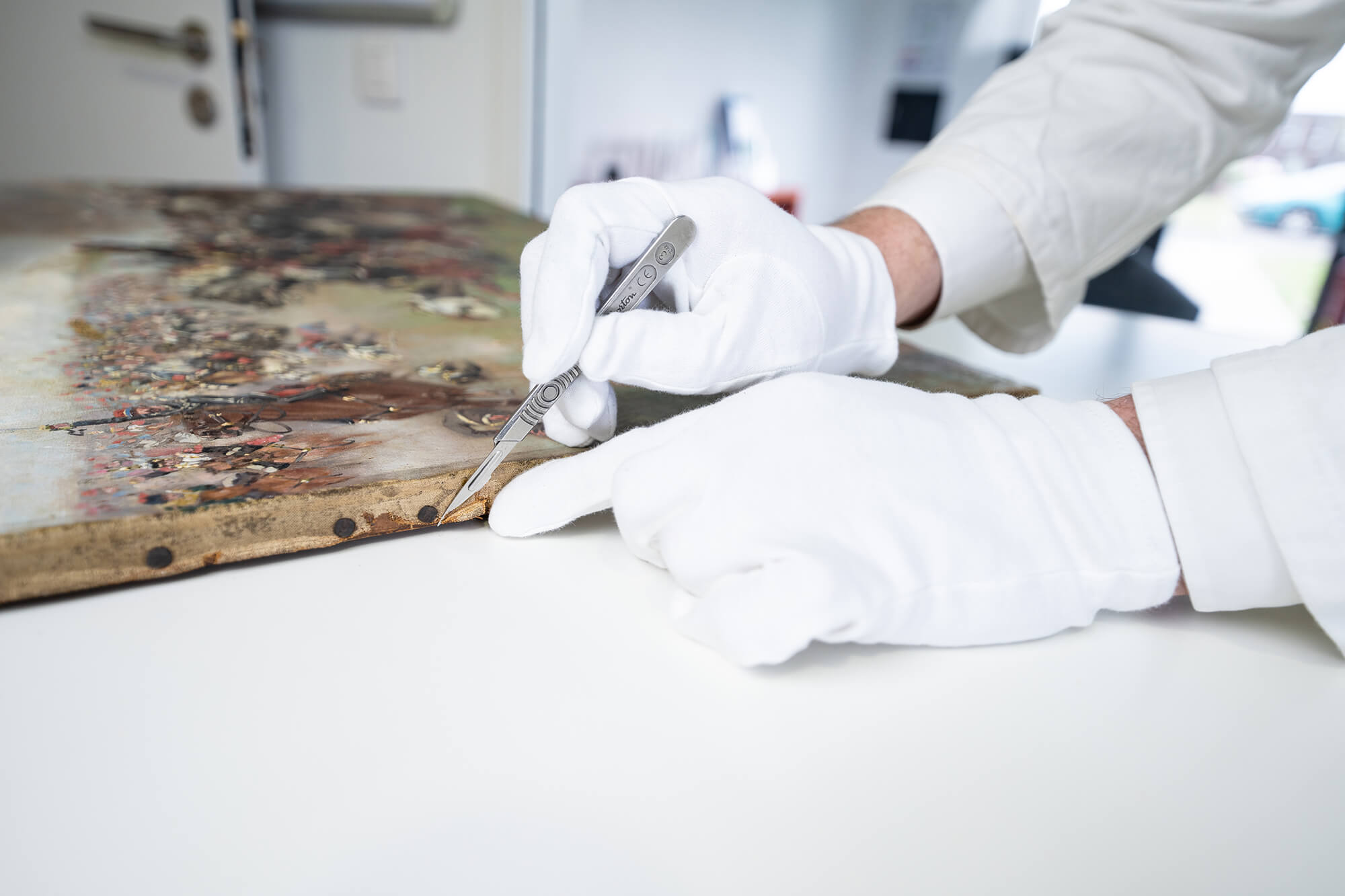
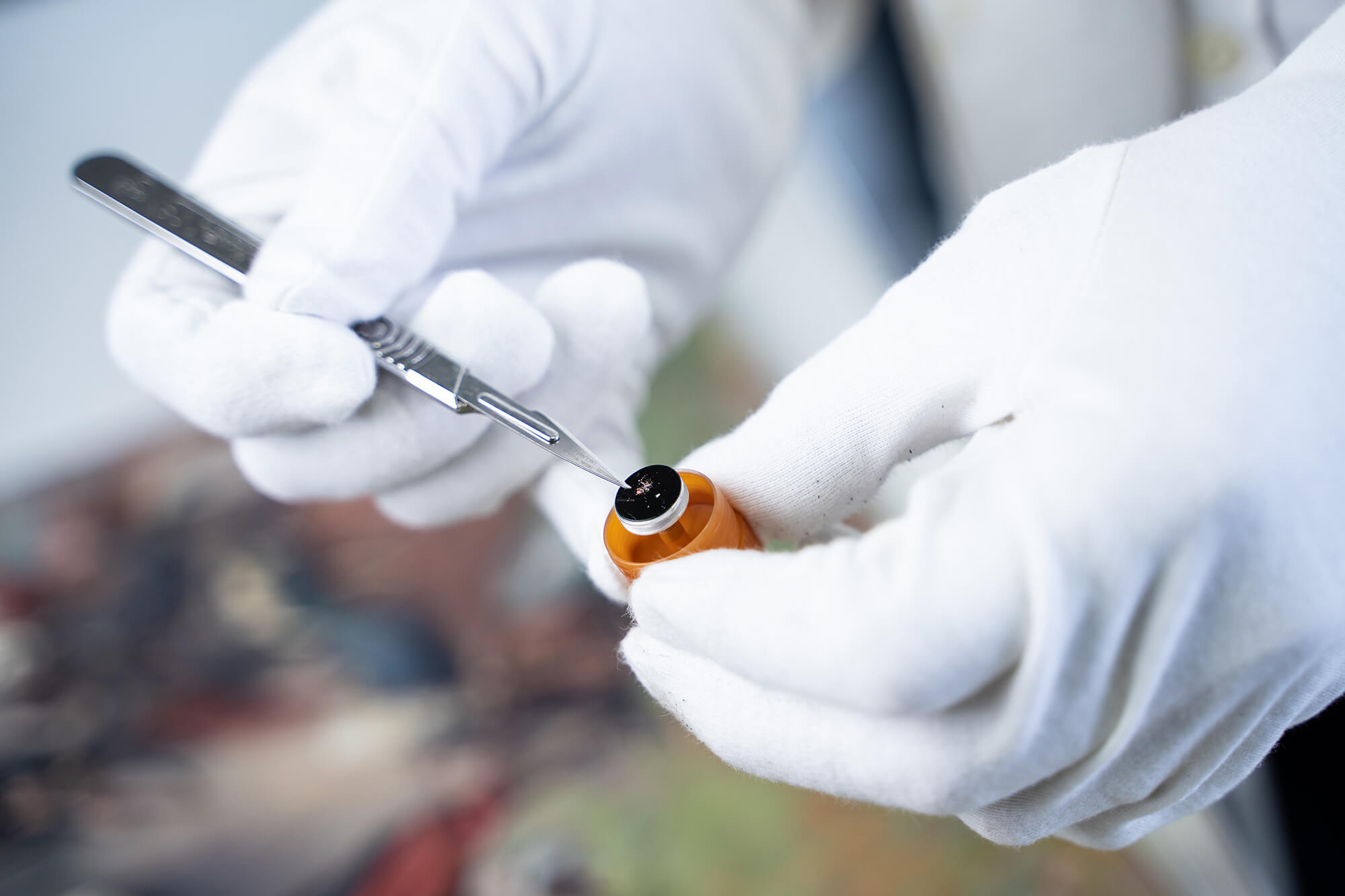
Yes, most of our techniques are non-destructive. If sampling is necessary, it is sub-millimetric, localized and carried out in compliance with conservation regulations.
This depends on the techniques used. Radiocarbon dating alone takes around two weeks. A complete analysis (dating + imaging + chemistry) can take 4 to 6 weeks.
Distinguishing a work of art in bronze from one in brass is not possible at a glance, however expert. Deceptive patinas, invisible restorations, sophisticated forgeries...
A simple signature can make the difference between an anonymous work and a masterpiece valued in the millions on the art market. But what happens when that signature is...
Knowing how to recognize an authentic antique bronze is a strategic issue for art professionals, to guard against fakes. Patina, composition, corrosion: every clue can help you...
How to analyze a work of art without damaging it? Thanks to non-destructive analysis techniques, it is now possible to access valuable information about pigments, re...
Should optical imaging or radiography be used to analyze a work of art, an archaeological object or an industrial material? Behind this question lie the crucial issues of...
X-rays of paintings reveal what the eye cannot see: internal structures, hidden restorations and forgotten signatures. Thanks to advanced scientific analysis techniques...