About us

CIRAM,
carbon-14 dating and analysis laboratory

Since 2005, CIRAM has been revolutionizing science in the service of art, industry and archaeology, by offering high-precision analysis.

Contact our teams

Our history

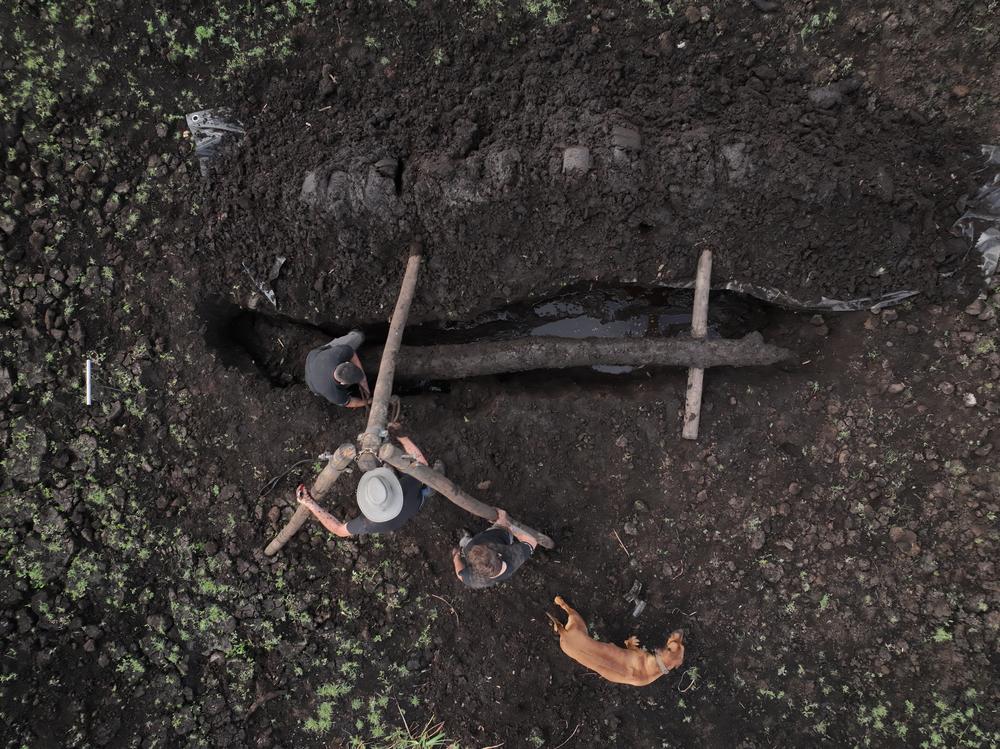
Founded in 2005 by Richard Chéret and Olivier Bobin, CIRAM was created with a strong ambition: to make analytical sciences accessible to art market players. art marketart archaeologists and industrialists. At a time when few laboratories offered a multidisciplinary approach, CIRAM stood out for its ability to combine scientific expertise with a keen understanding of business issues.

The company has rapidly expanded internationally, with the creation of CIRAM Corp in New York in 2011, followed by a strategic partnership in Hong Kong in 2012.

In 2014, the construction of the headquarters in Martillac, near Bordeaux, marked a new stage, equipping the laboratory with cutting-edge technical resources to respond to ever more ambitious projects.

As of 2017, CIRAM is doubling the capacity of its materials analysis laboratory and inaugurating a state-of-the-art carbon-14 dating laboratory. To meet the ever-increasing demand, we have also doubled our radiocarbon production capacity in 2022, then tripled it in 2024.

In 2025, we will extend our laboratory by an additional 450m².

Discover our laboratory
2005

Creation

by Richard Chéret and Olivier Bobin

2011

Creation

CIRAM Corp in New York

2012

Partnership

New partner in Hong Kong

2014

New head office

and laboratory in Martillac

2015

New TL / OSL laboratory

2017

New C14 laboratory

and Joint-Venture Europe

2021

Analysis of bio-based materials

our laboratory

Our laboratory

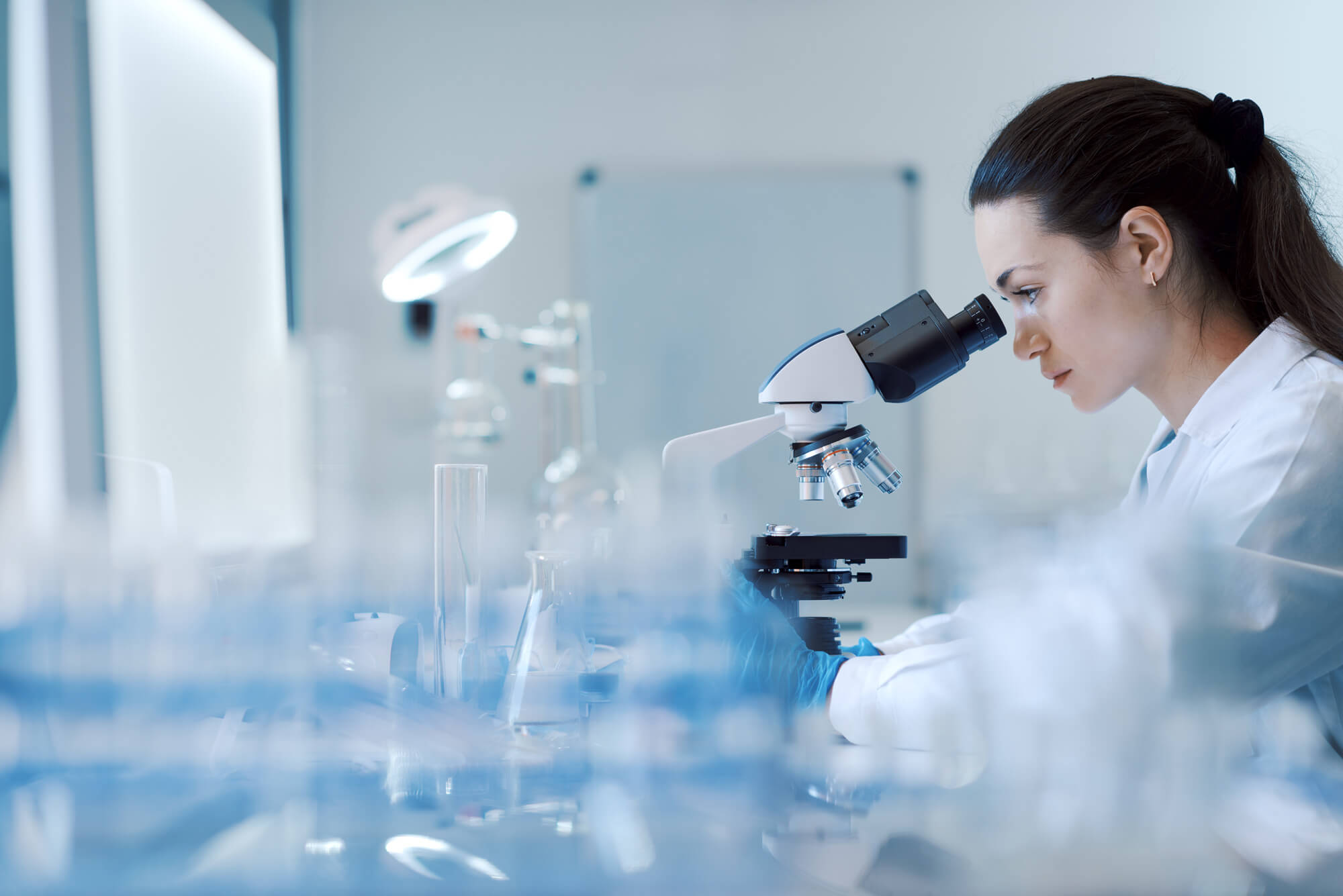
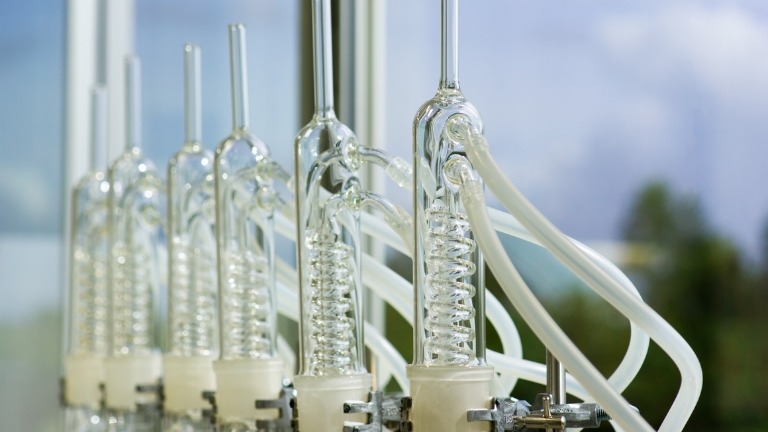
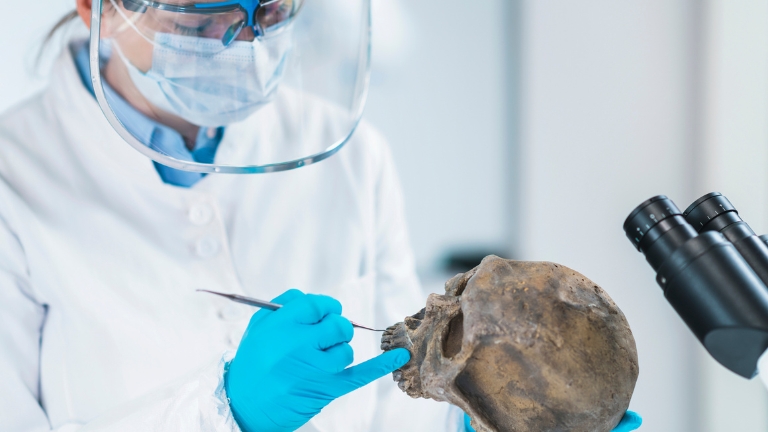
Our Martillac laboratory is a unique site in France, specifically designed to accommodate sensitive and complex analyses. Thanks to a stimulating scientific environment, close to the University of Bordeaux and renowned research centers, CIRAM cultivates excellence on a daily basis.

Every year we invest in cutting-edge technologies such as :

  • Gas pedal Mass Spectrometry (AMS) for carbon-14 dating,
  • Isotope ratio mass spectrometry (IRMS), elemental analysis (EA) and automatic graphitization,
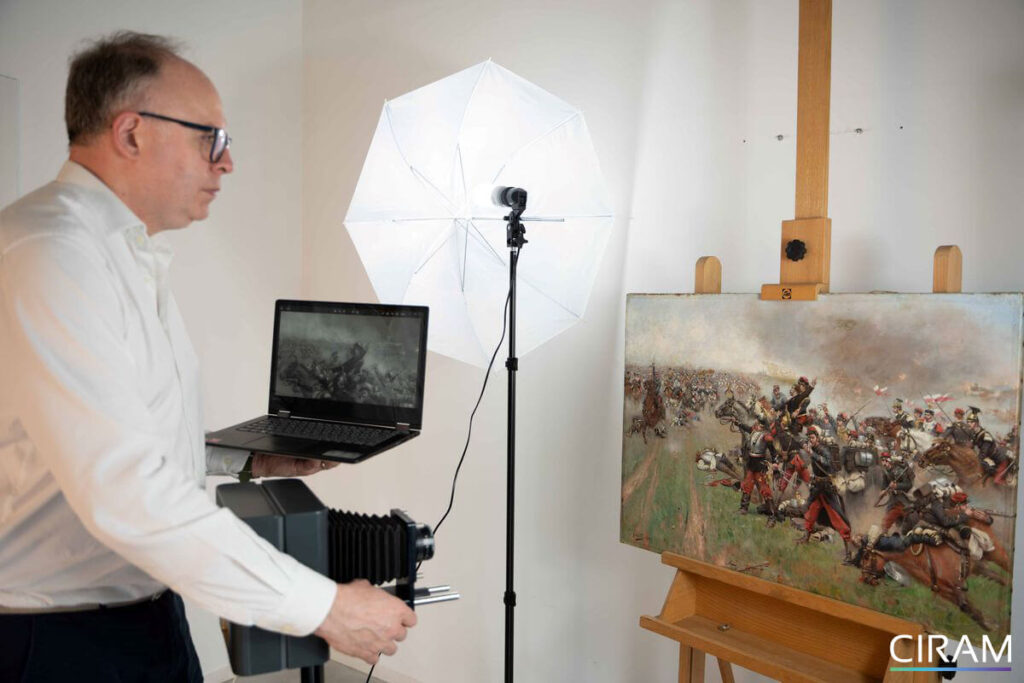
  • High-definition optical and X-ray imaging systems,
  • Specialized instruments for spectroscopy and microscopy.

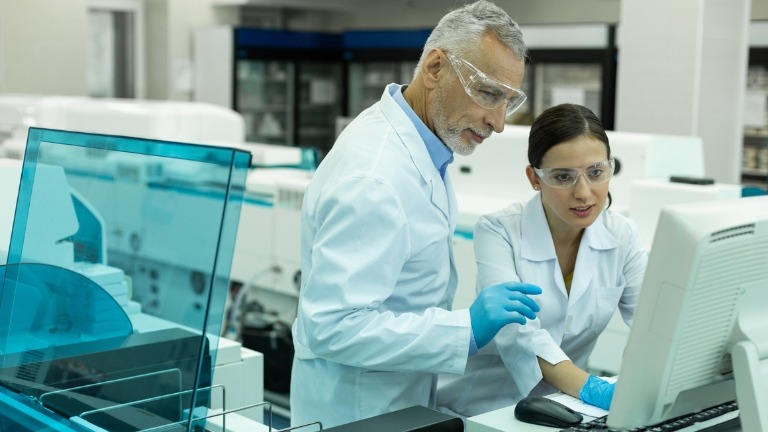
Our strength also lies in our multi-disciplinary team of experts, at the crossroads of scientific research, engineering and field expertise. This synergy guarantees rigor, speed and customized support for every customer.

Discover our team
our accreditations

Our accreditations

At CIRAM, each analysis is conducted according to standardized, internationally recognized protocols. Our methods meet the requirements of the following standards:

  • ASTM D6866 and EN 16640 - for analysis of bio-based materials
  • ISO 16620-2 - for the characterization and biobased content of polymers, plastics and composite materials.
  • ISO 21644 - to determine the biomass content of RSC.

These standards guarantee the traceability, reliability and reproducibility of the results produced by our laboratory. They give our customers the security of working to international standards, whether for artistic expertise, archaeological research or industrial certification procedures.

Discover our accreditations

Testimonials

CIRAM is a serious laboratory that I enjoy working with, not least because it's independent and doesn't need any outside influence.

I became acquainted with the CIRAM laboratory through the magnificent publication of a highly professional book, demonstrating CIRAM's acceptance and examination methods by the French archaeology community and its services to the State. We subsequently established a very close working relationship. Their expertise has protected me from mistakes, and it's an integral part of a dealer's duty to consult them when in doubt.

Caroline marchand - DIOR

CIRAM is a serious laboratory that I enjoy working with, not least because it's independent and doesn't need any outside influence.

I became acquainted with the CIRAM laboratory through the magnificent publication of a highly professional book, demonstrating CIRAM's acceptance and examination methods by the French archaeology community and its services to the State. We subsequently established a very close working relationship. Their expertise has protected me from mistakes, and it's an integral part of a dealer's duty to consult them when in doubt.

Caroline marchand - DIOR

CIRAM is a serious laboratory that I enjoy working with, not least because it's independent and doesn't need any outside influence.

I became acquainted with the CIRAM laboratory through the magnificent publication of a highly professional book, demonstrating CIRAM's acceptance and examination methods by the French archaeology community and its services to the State. We subsequently established a very close working relationship. Their expertise has protected me from mistakes, and it's an integral part of a dealer's duty to consult them when in doubt.

Caroline marchand - DIOR

Companies around the world place their trust in us

mnhn logo
L'Oréal
Pasteur Institute
Michelin
6 louvre
National Geographic

Make an appointment with an expert

Get all the answers to your questions!

Make an appointment

Explore our dating and analysis resources

Archaeology
Comparison between carbon-14, TL, and OSL: which method should you choose?

Comparison between carbon-14, TL, and OSL: which method should you choose?

Choosing the right dating method in archaeology is not just a technical issue: it is a key decision that guides the entire interpretation of a site. Which technique to choose...

Read the article

Carbon 14
How carbon-14 analysis helps preserve biodiversity

How carbon-14 analysis helps preserve biodiversity

How can we retrace the invisible history of ecosystems and better understand the dynamics of biodiversity? Thanks to carbon-14 dating, researchers now have a scientific tool that they can use to...

Read the article

Art market
How to recognize bronze and differentiate it from brass?

How to recognize bronze and differentiate it from brass?

Distinguishing a work of art in bronze from one in brass is not possible at a glance, however expert. Deceptive patinas, invisible restorations, sophisticated forgeries...

Read the article

Archaeology
The limits of carbon-14 dating: when should we turn to other methods?

The limits of carbon-14 dating: when should we turn to other methods?

How do you know whether a work of art, an archaeological object or a heritage item is really as old as it claims to be? Carbon-14 dating is often the method of choice, but it can also be used to...

Read the article

Art market
How to recognize a forged signature on a painting?

How to recognize a forged signature on a painting?

A simple signature can make the difference between an anonymous work and a masterpiece valued in the millions on the art market. But what happens when that signature is...

Read the article

Archaeology
What role does anthracology play in preventive excavations?

What role does anthracology play in preventive excavations?

Anthracology plays a key role in preventive excavations: by studying archaeological coals, it sheds light on past human practices and paves the way for carbon dating...

Read the article

Request a quote